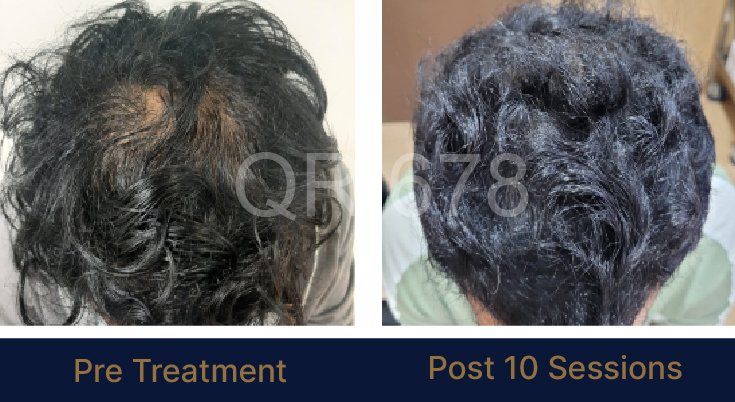
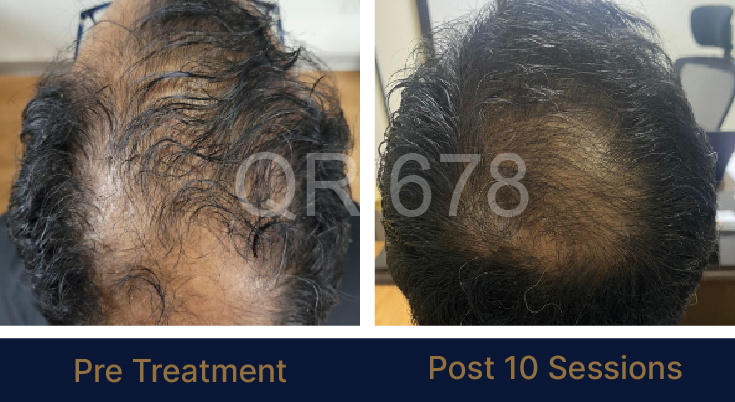
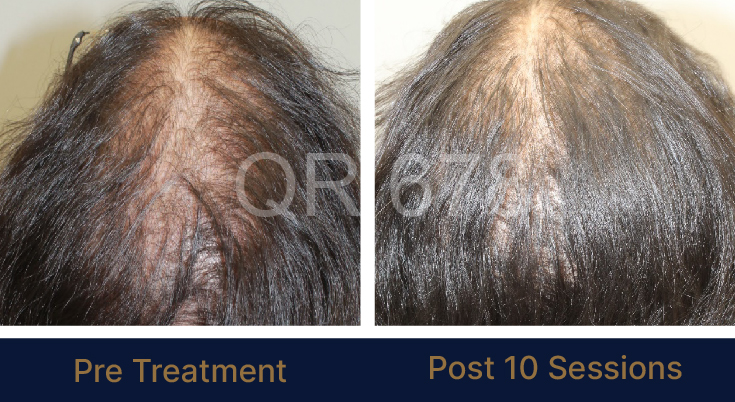
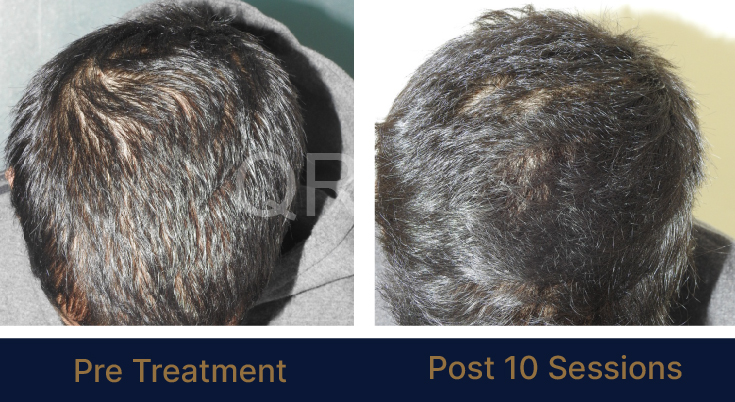
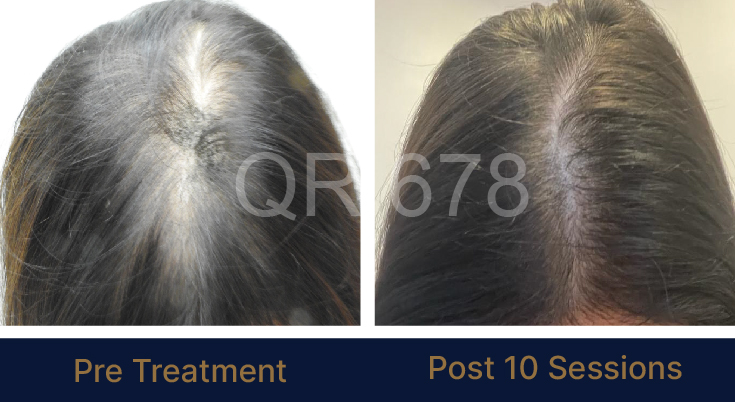
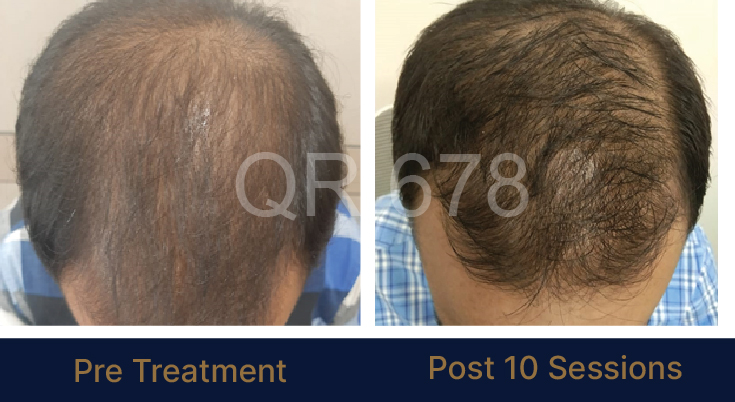
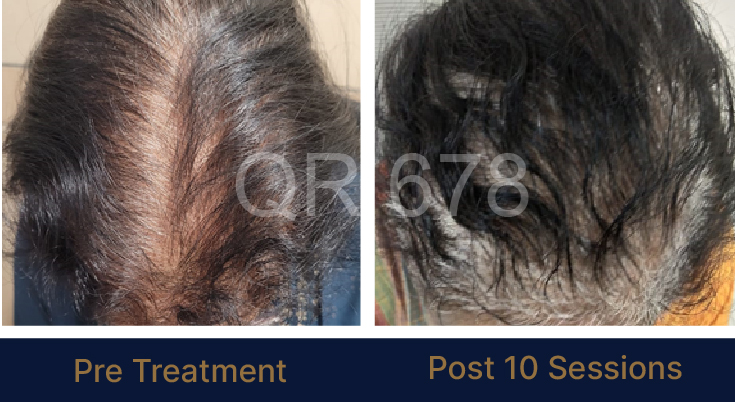
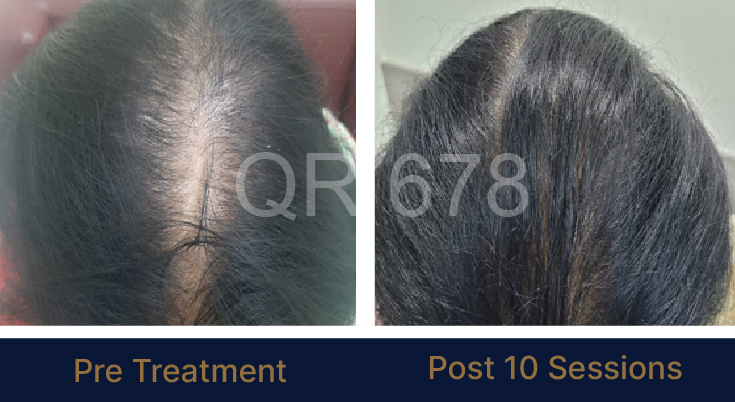
Effectiveness of QR678® with intralesional corticosteroid vs. intralesional corticosteroid alone in the clinical assessment of alopecia areata -A randomized, comparative, prospective study
Research Overview
Alopecia areata is an autoimmune-mediated hair loss condition characterized by non-scarring, patchy hair loss on the scalp and other hair-bearing areas. The condition is associated with immune dysregulation targeting the hair follicle, leading to interruption of normal follicular activity. In dermatological literature, alopecia areata is often discussed within the broader framework of hair biology and immune–follicular interactions rather than irreversible follicular damage.
Hair loss in alopecia areata may present abruptly and is typically distinguished from diffuse shedding patterns seen in stress-related hair loss. Understanding the clinical presentation and progression of alopecia areata requires careful documentation of hair cycle phases, follicular appearance, and scalp characteristics over time. This research paper documents clinical observations related to hair and scalp parameters in individuals diagnosed with alopecia areata.
Study Design and Clinical Framework
The study was conducted as a clinical observational investigation involving individuals diagnosed with alopecia areata based on standard dermatological criteria. Participants were enrolled according to predefined inclusion parameters and underwent routine clinical assessments over a defined observation period.
As part of the observational framework, localized scalp application of a proprietary formulation, QR678, was included within the study protocol. The study did not include systemic interventions, pharmacological comparators, or placebo-controlled arms. Observations were recorded descriptively, and the study design was not intended to evaluate disease modification or therapeutic outcomes.
Hair Follicle and Scalp Observations
Clinical assessment focused on documenting the distribution and characteristics of alopecic patches, surrounding scalp appearance, and visible hair shaft presence. Observations were interpreted within the context of known alopecia areata pathology, which involves immune-mediated disruption of follicular activity without permanent follicular destruction.
Hair-related observations included qualitative assessment of follicular openings, presence of vellus or terminal hairs, and changes noted during follow-up visits. The study did not attempt to quantify hair regrowth or to differentiate outcomes under consumer-oriented distinctions such as hair shedding vs hair fall, focusing instead on descriptive clinical documentation.
Assessment Methods and Documentation
Participants underwent baseline and follow-up evaluations that included clinical scalp examination and standardized photographic documentation. Observations were recorded using descriptive clinical terminology without statistical inference or efficacy-based endpoints.
The study did not include trichoscopic scoring systems, immunological marker analysis, or laboratory investigations. As such, findings are limited to visible and clinically observable parameters within routine dermatological practice.
Tolerability and Safety Observations
Procedural tolerability was monitored throughout the observation period. Reported observations were limited to transient, localized scalp sensations such as mild discomfort or temporary sensitivity. No systemic adverse events were documented during the study timeframe.
All safety-related observations were recorded descriptively and without inference regarding long-term safety or disease-specific outcomes.
Scope, Limitations, and Research Relevance
This study does not establish causal relationships or therapeutic benefit for alopecia areata. It does not address underlying immune mechanisms or long-term disease progression. As with all observational research, limitations include sample size, duration of follow-up, and the absence of control groups.
Within these boundaries, the study contributes to the broader clinical documentation of scalp and hair parameters observed in alopecia areata. The findings serve as contextual reference data that may further benefit investigators, rather than clinical or consumer guidance.
Disclaimer:
The research papers and clinical articles referenced on this website are peer-reviewed scientific publications authored by qualified medical professionals and represent the observations and conclusions of the respective authors, based on their individual clinical research.
These clinical references are provided for informational and educational purposes and should not be interpreted as promotional claims or outcome guarantees by QR678®. Consumers are advised to consult a qualified healthcare professional for medical interpretation or hair- or scalp-related concerns.
QR678®: SCIENCE Backed Research & Development Proprietary Product Technology
The QR678® research & development platform technology is a proprietary first-in-class technology. This science backed technology is giving rise to multiple products that arrest hair fall and address the thickness, density of hair follicles leading to greater coverage in hair loss. This R&D technology deals with multiple human hair growth related growth factors that are naturally present in our scalp making products derived from these completely natural. Research on this platform technology has resulted in this being awarded USA & Indian patents and has led to over 16+ clinical research papers being published with products derived from this unique technology. The hair growth factors penetrate deep into the scalp and provide nourishment to the scale. Unlike other treatments that contains harmful medication, products derived from QR678® are almost completely devoid of side effects.
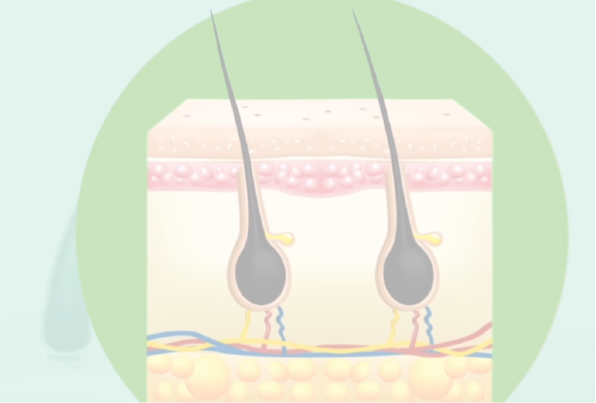
HOW DOES IT WORK?
QR678® ADVANTAGES
(Derived From Plants)
Quick & Effective (Single
Session in 10 Minutes)
Non Surgical
Success Rate
13+ Published Researched Clinical Trials Demonstrating Efficacy
LIFE CHANGING RESULTS
PRE TREATMENT
POST 6 SESSIONS
PRE TREATMENT
POST 6 SESSIONS
PRE TREATMENT
POST 6 SESSIONS
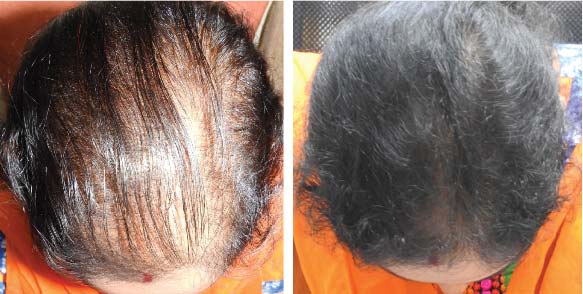
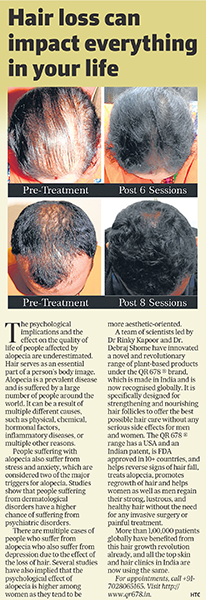
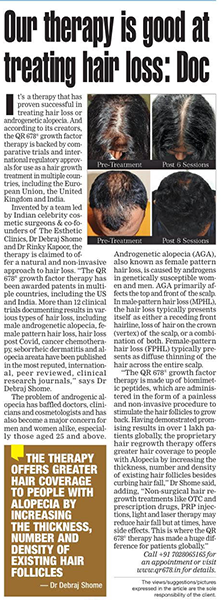
25 year old female from alopecia areata, was also diagnosed with hypothyroid. She achieved impressive results with QR678, a completely steroid-off treatment.
PRE TREATMENT
POST 6 SESSIONS
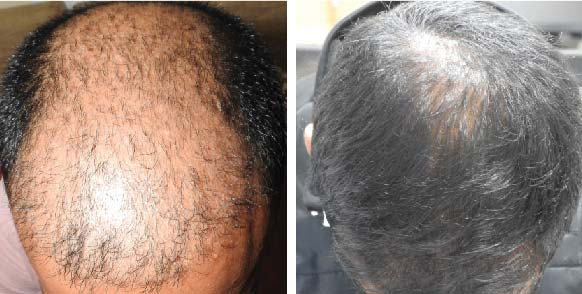
39 year old male suffering from male pattern hair loss for 15 years gained a significant amount of hair with QR678


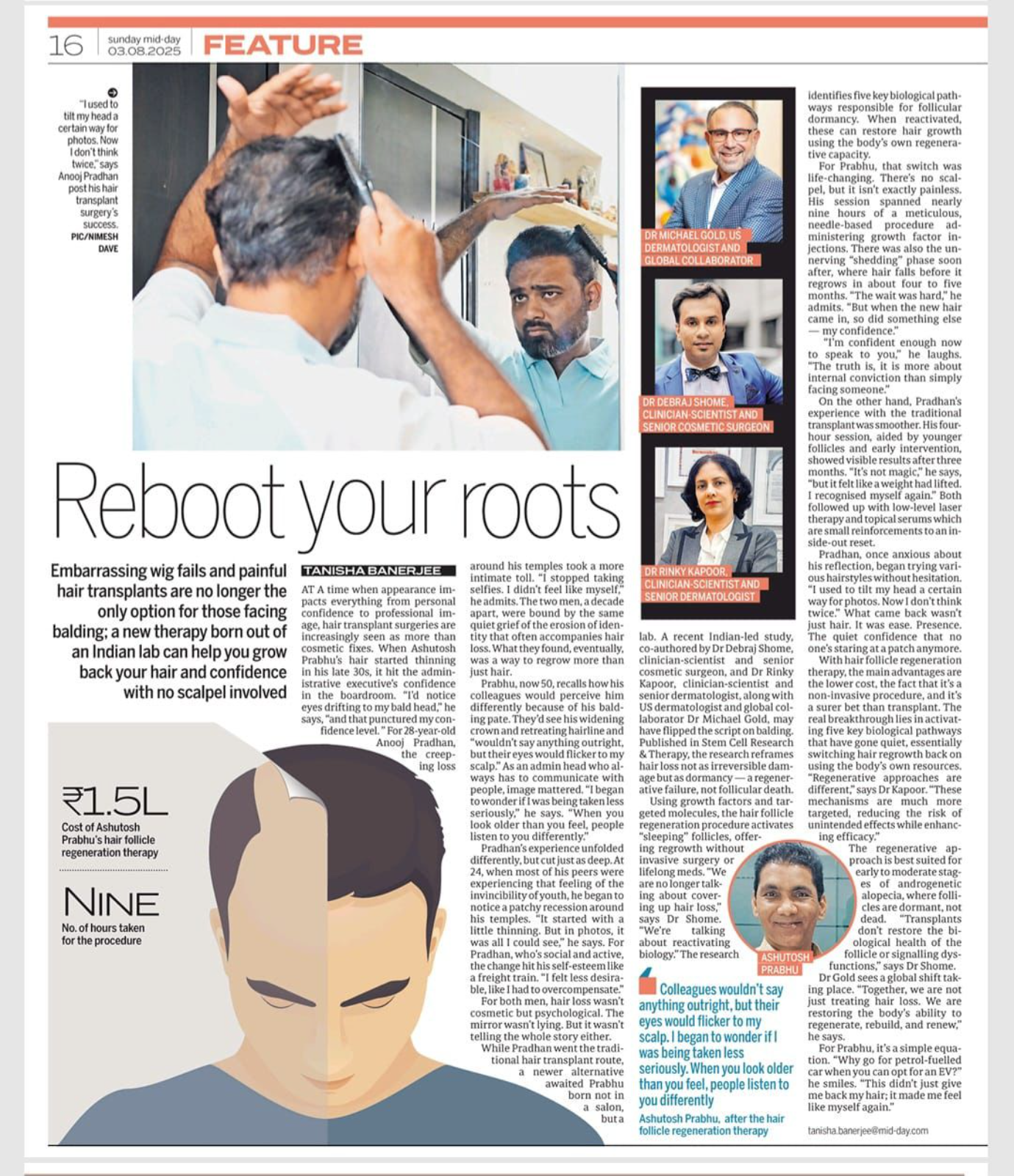
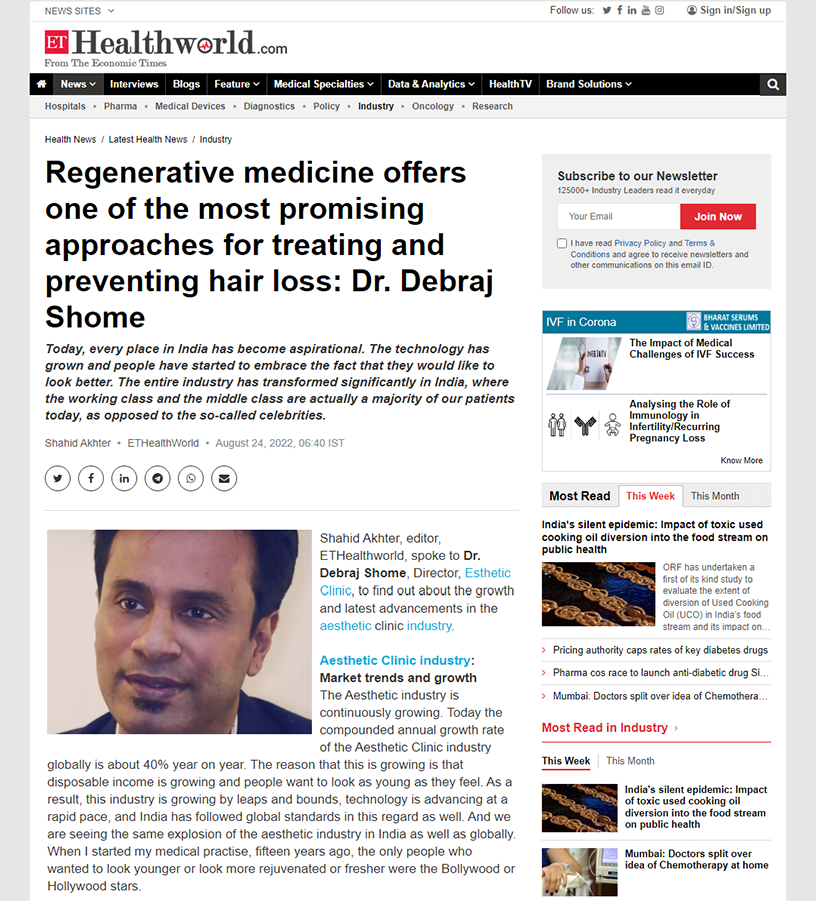
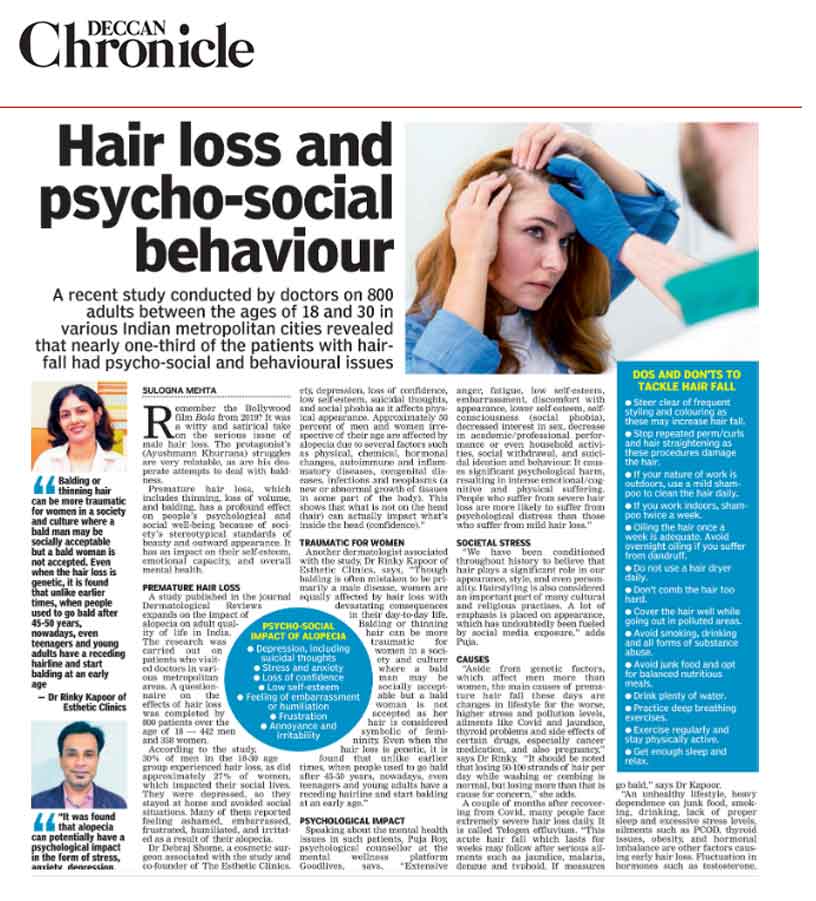
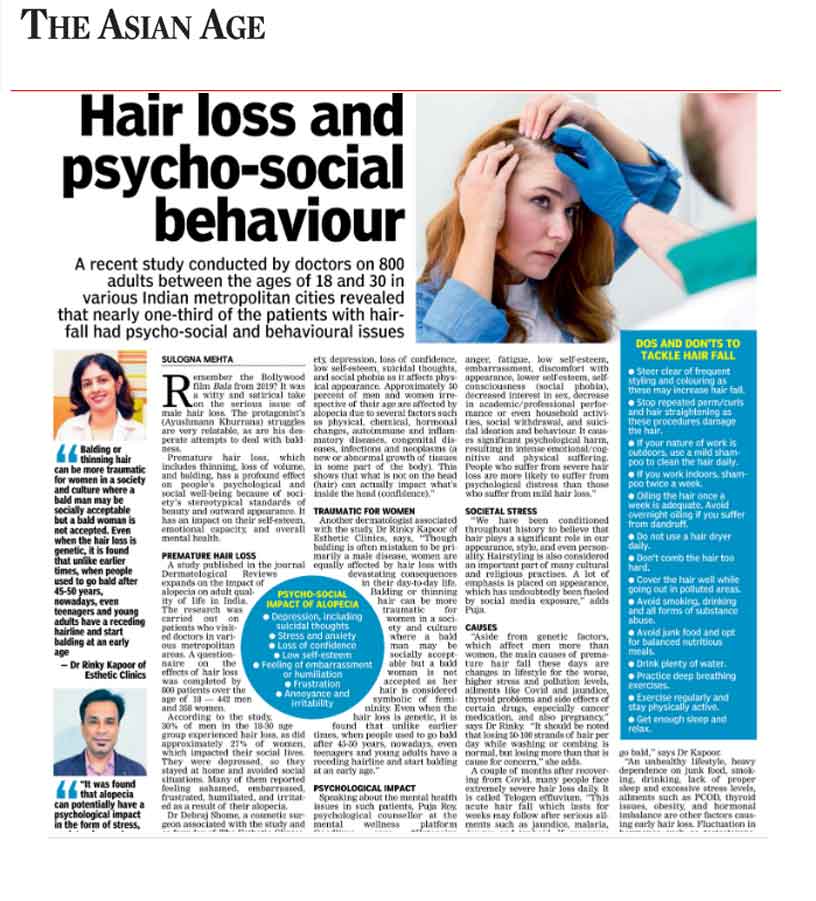
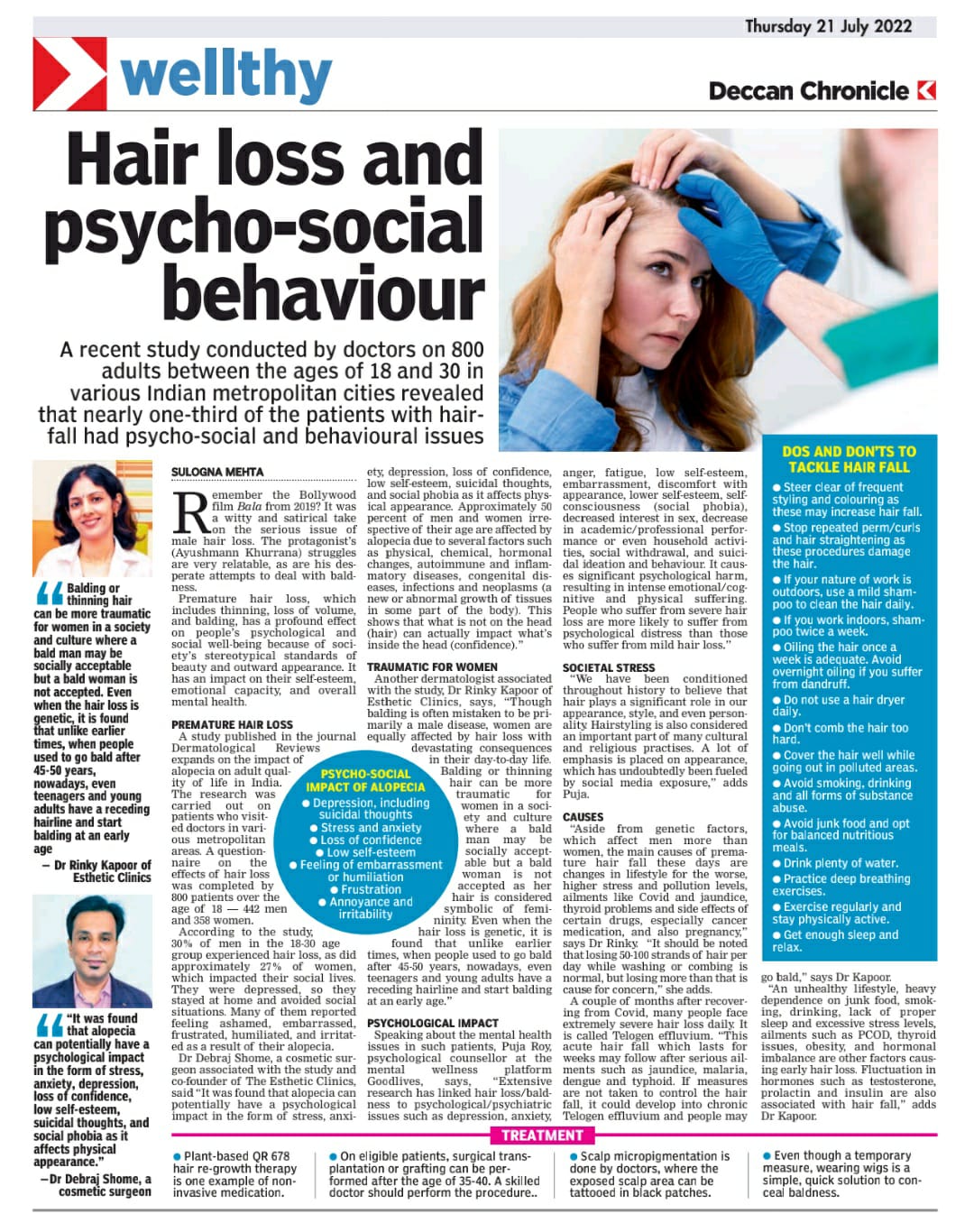
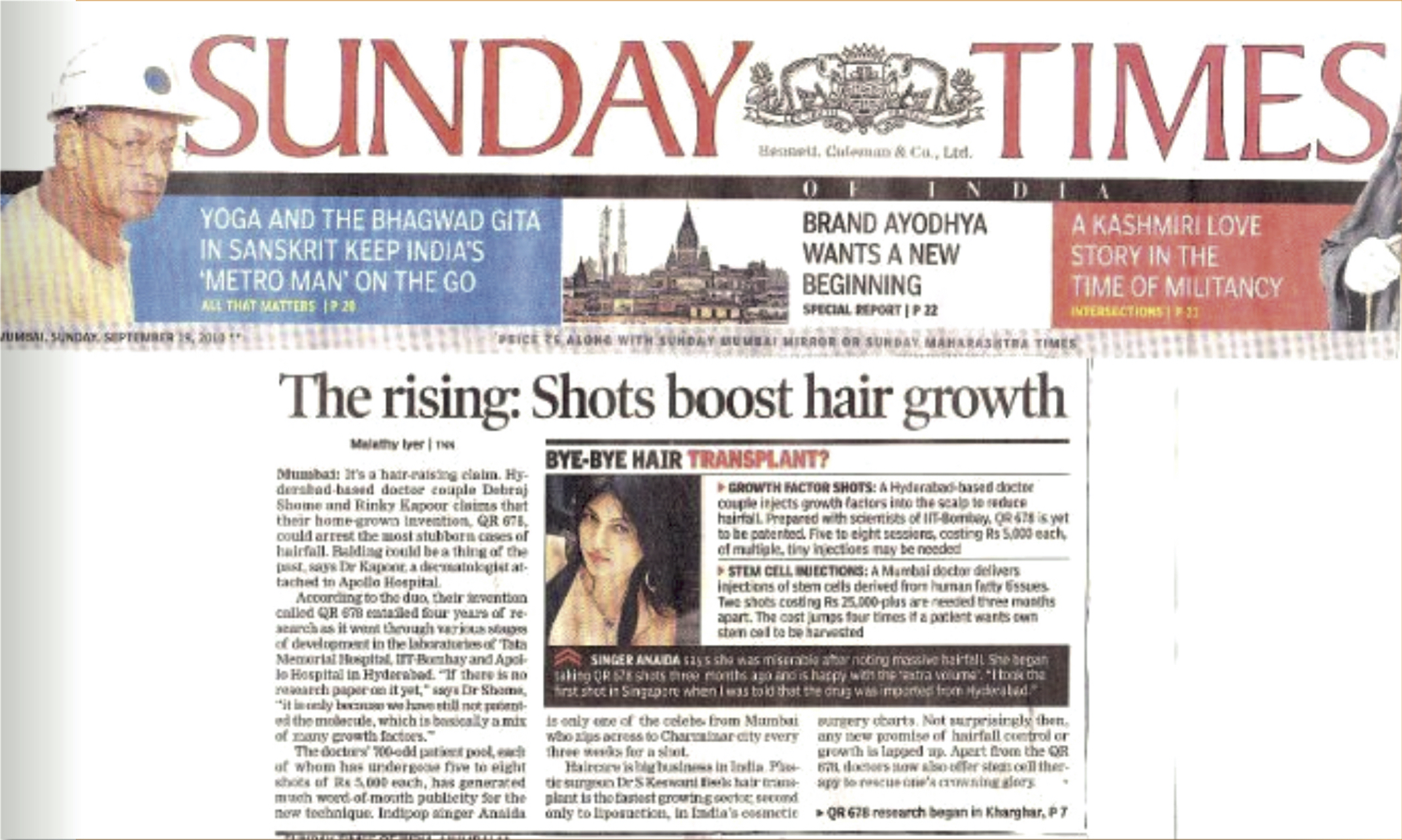
MEDIA INTERVIEWS
TESTIMONIALS
HIGHLIGHTS IN MEDICAL CONFERENCES


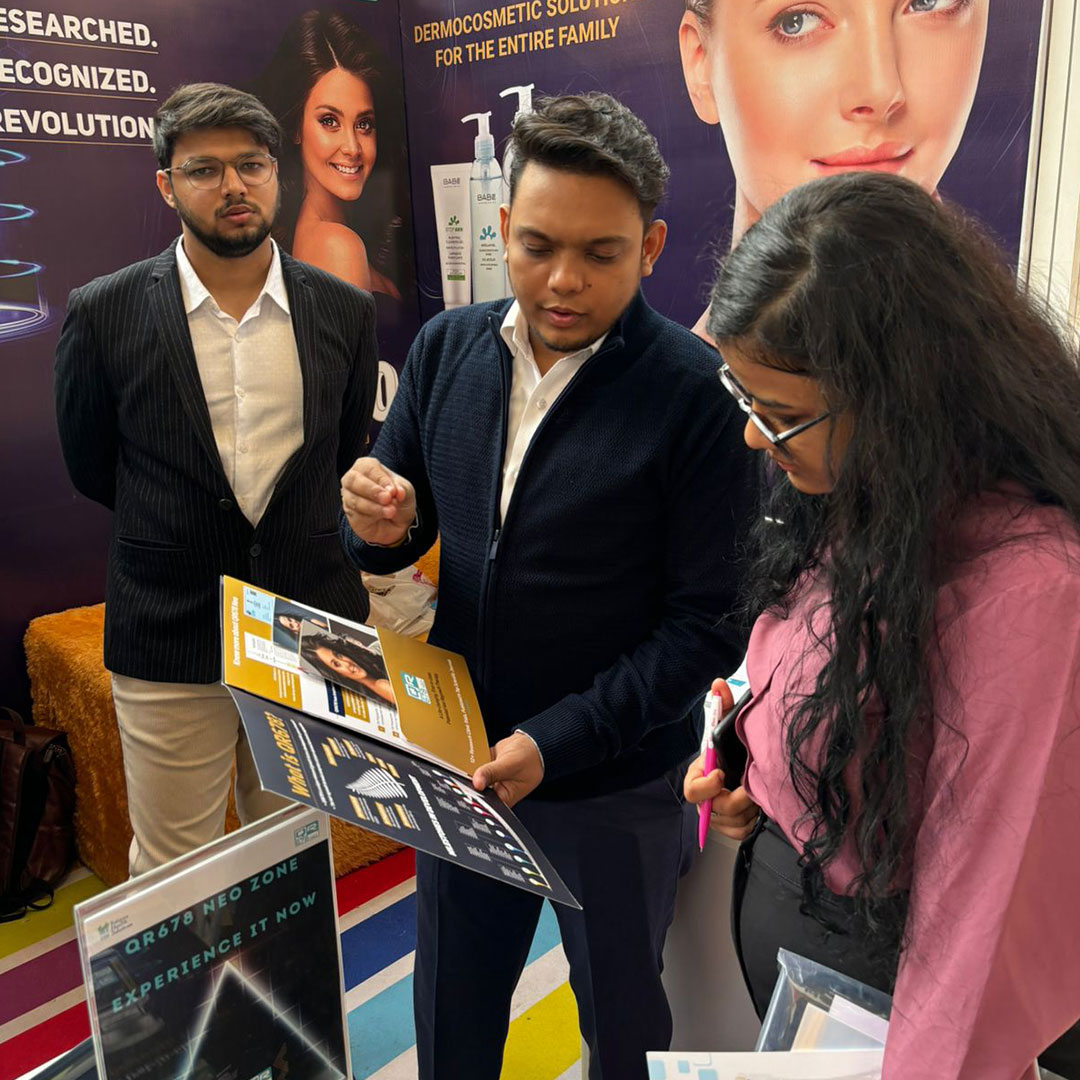
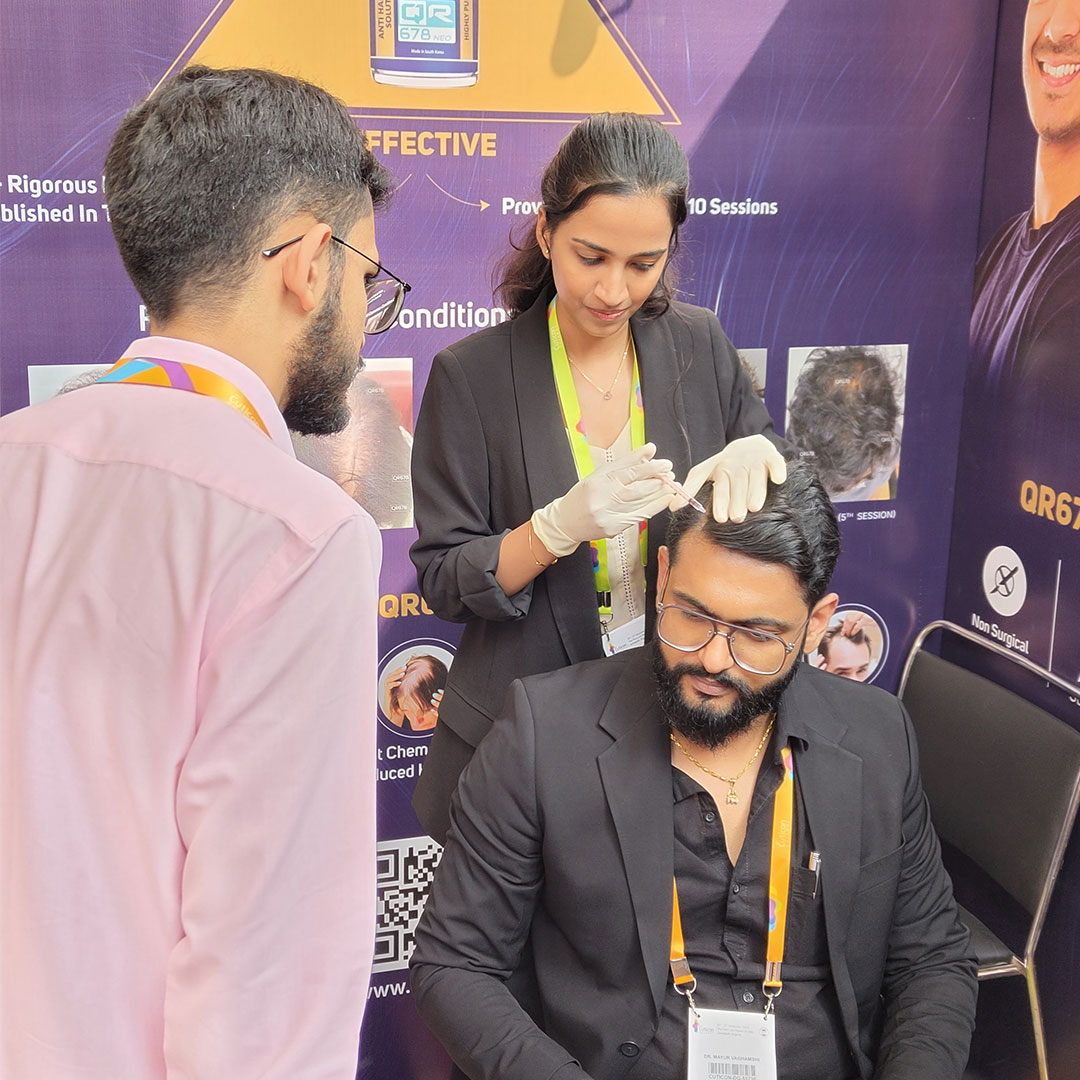
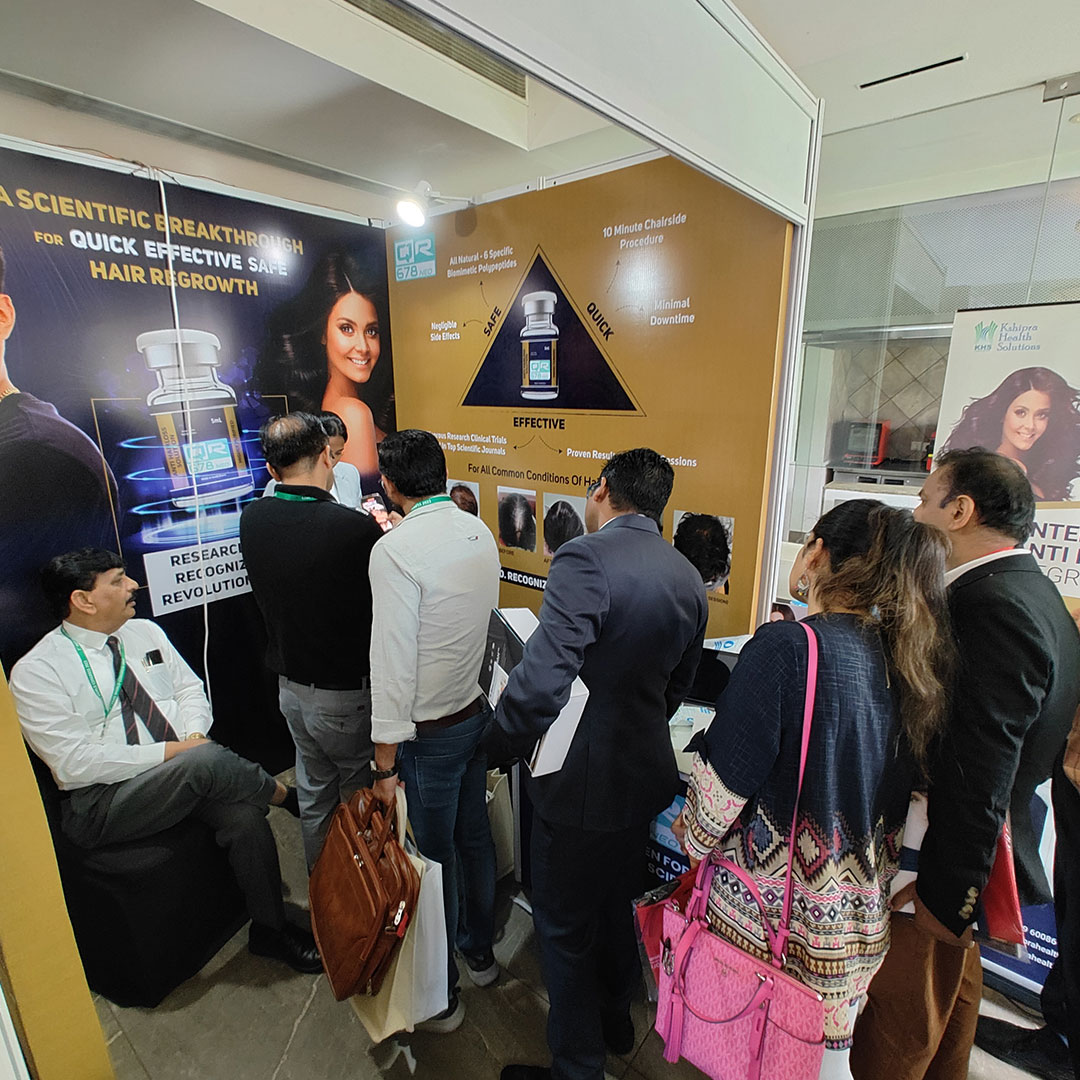
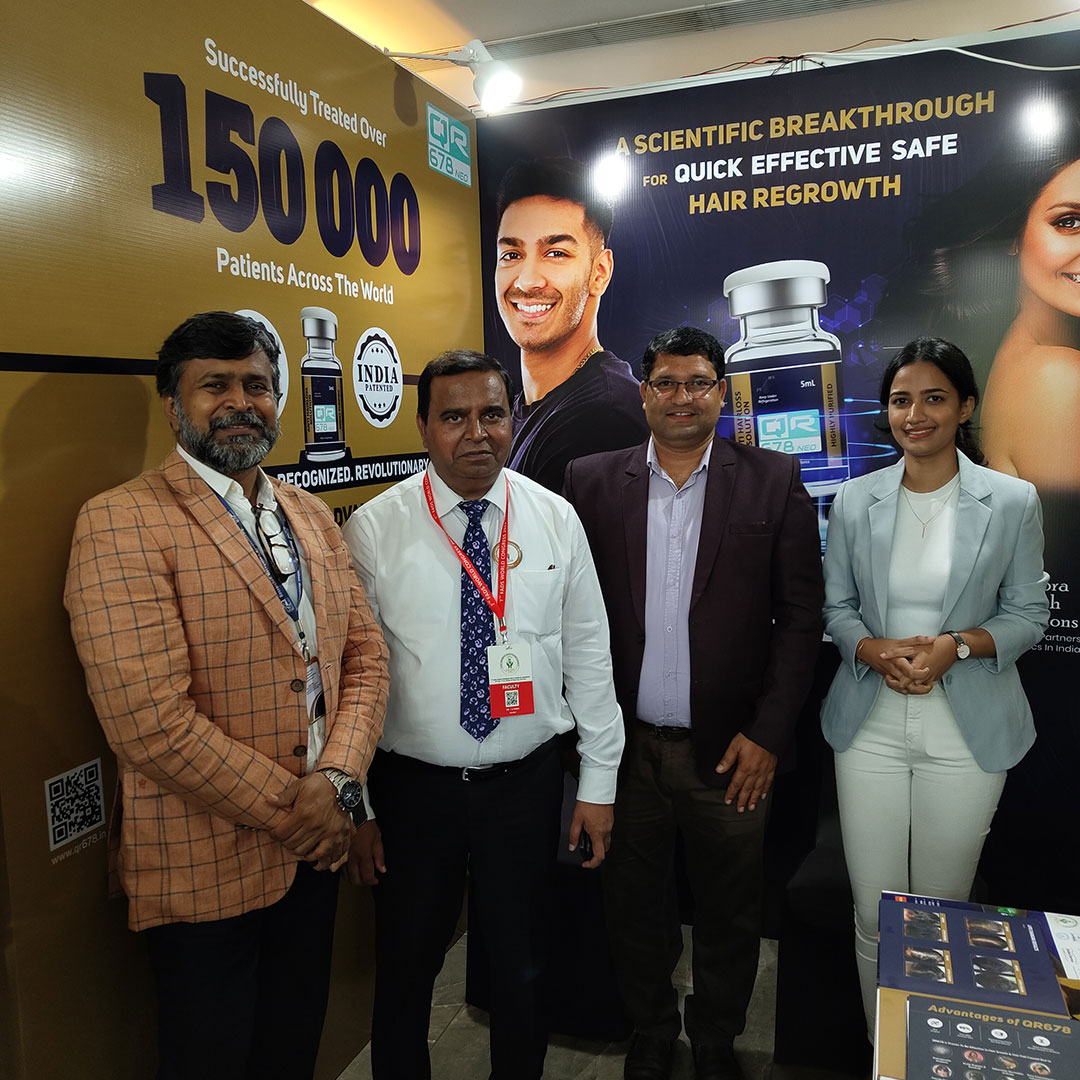
CUTICON – December 2023
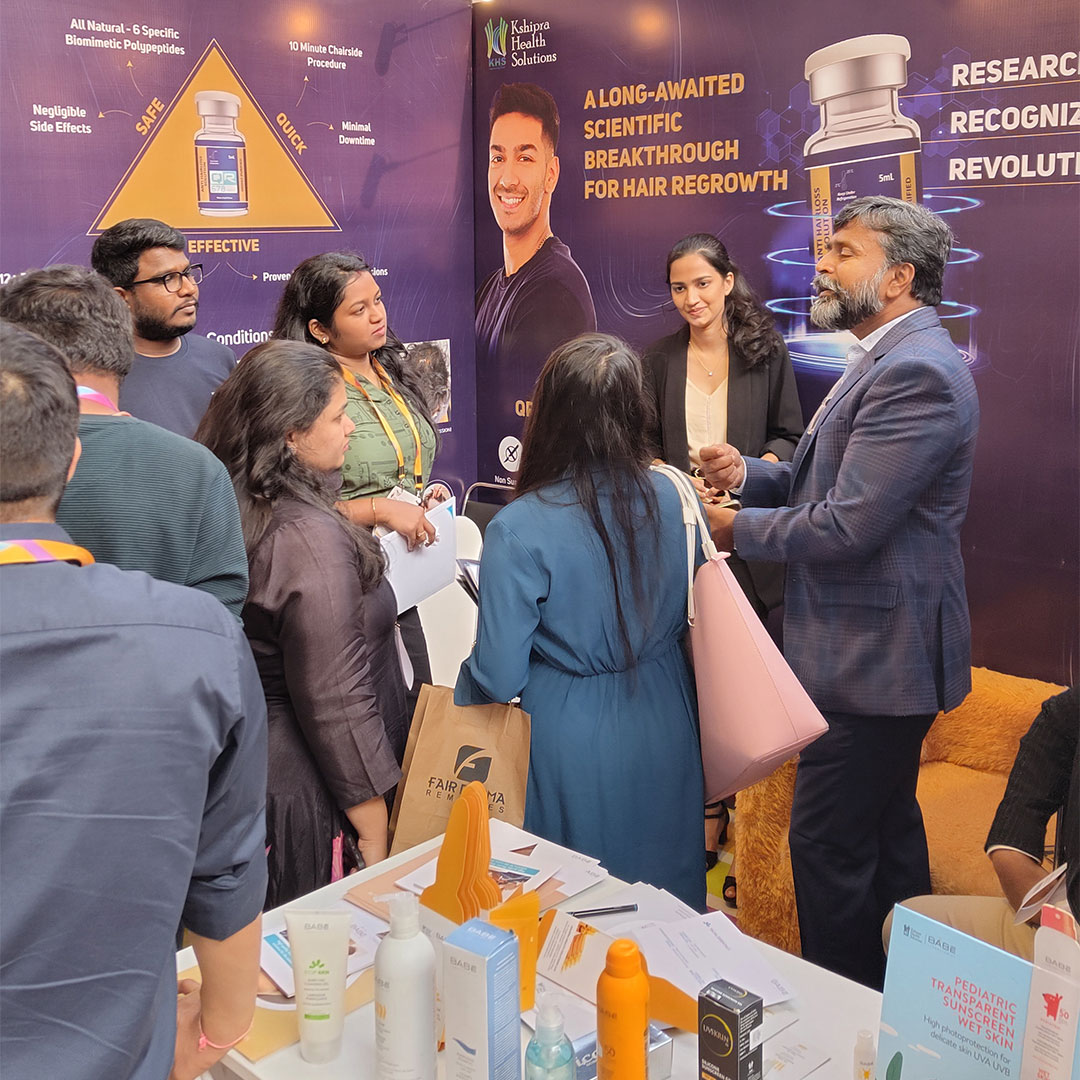
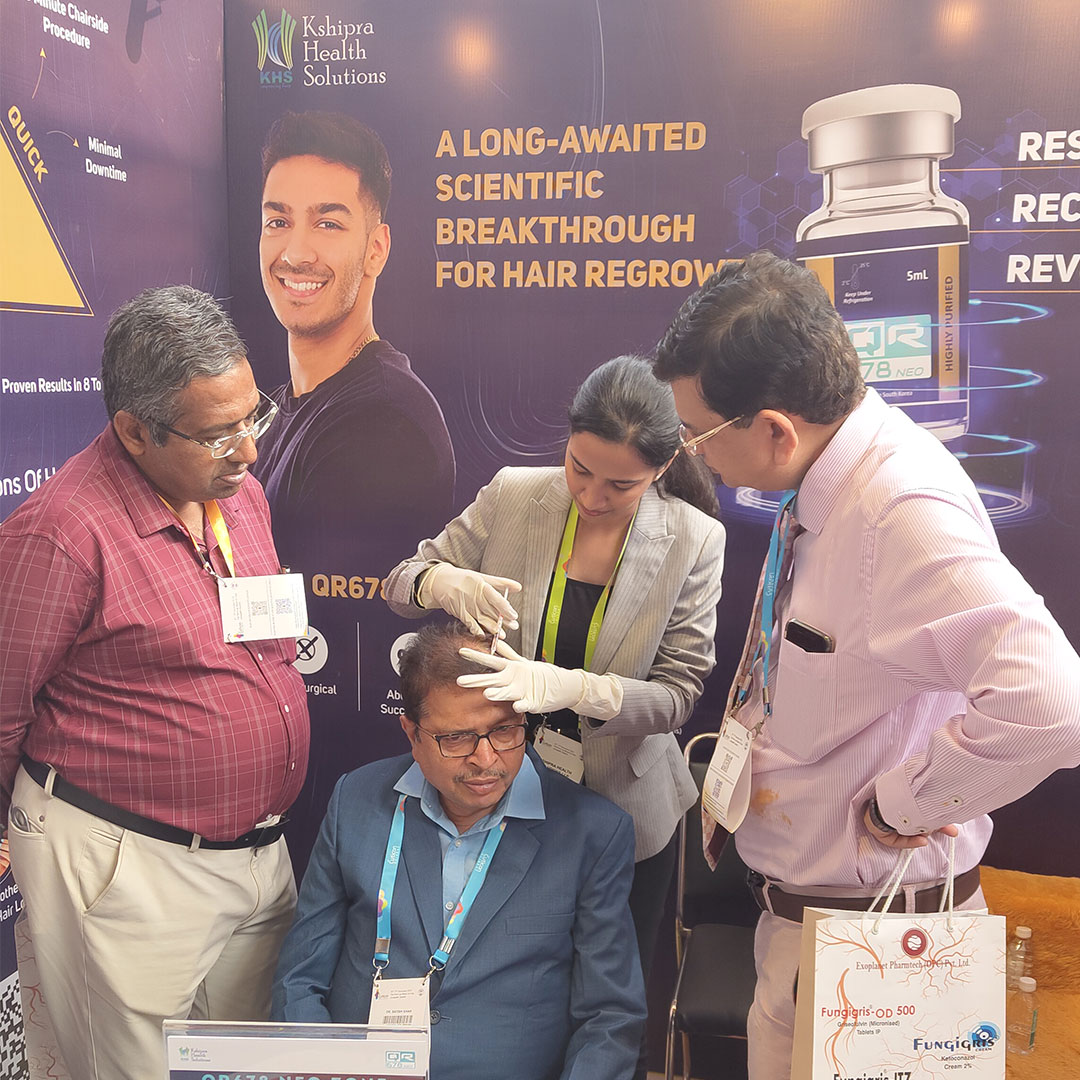
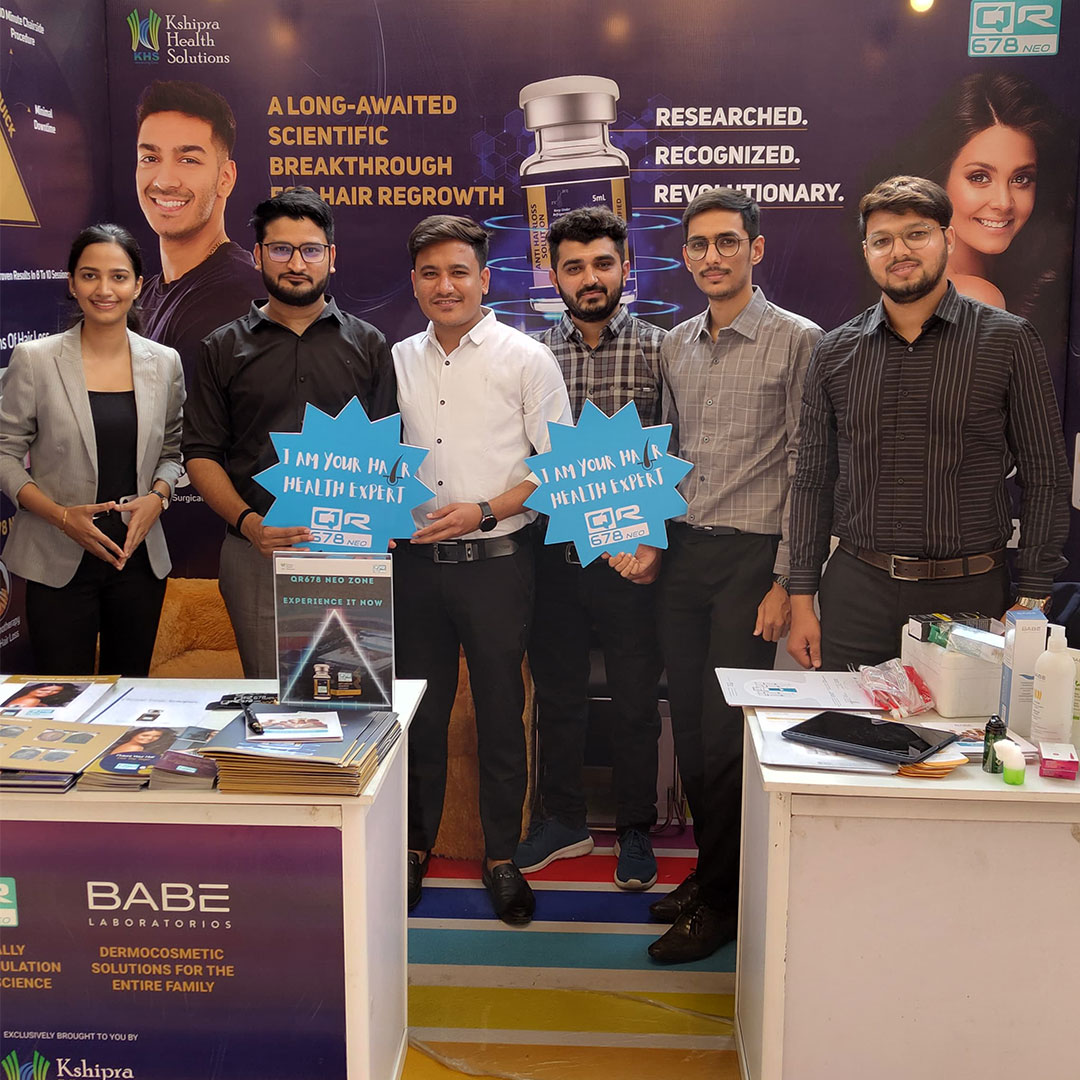
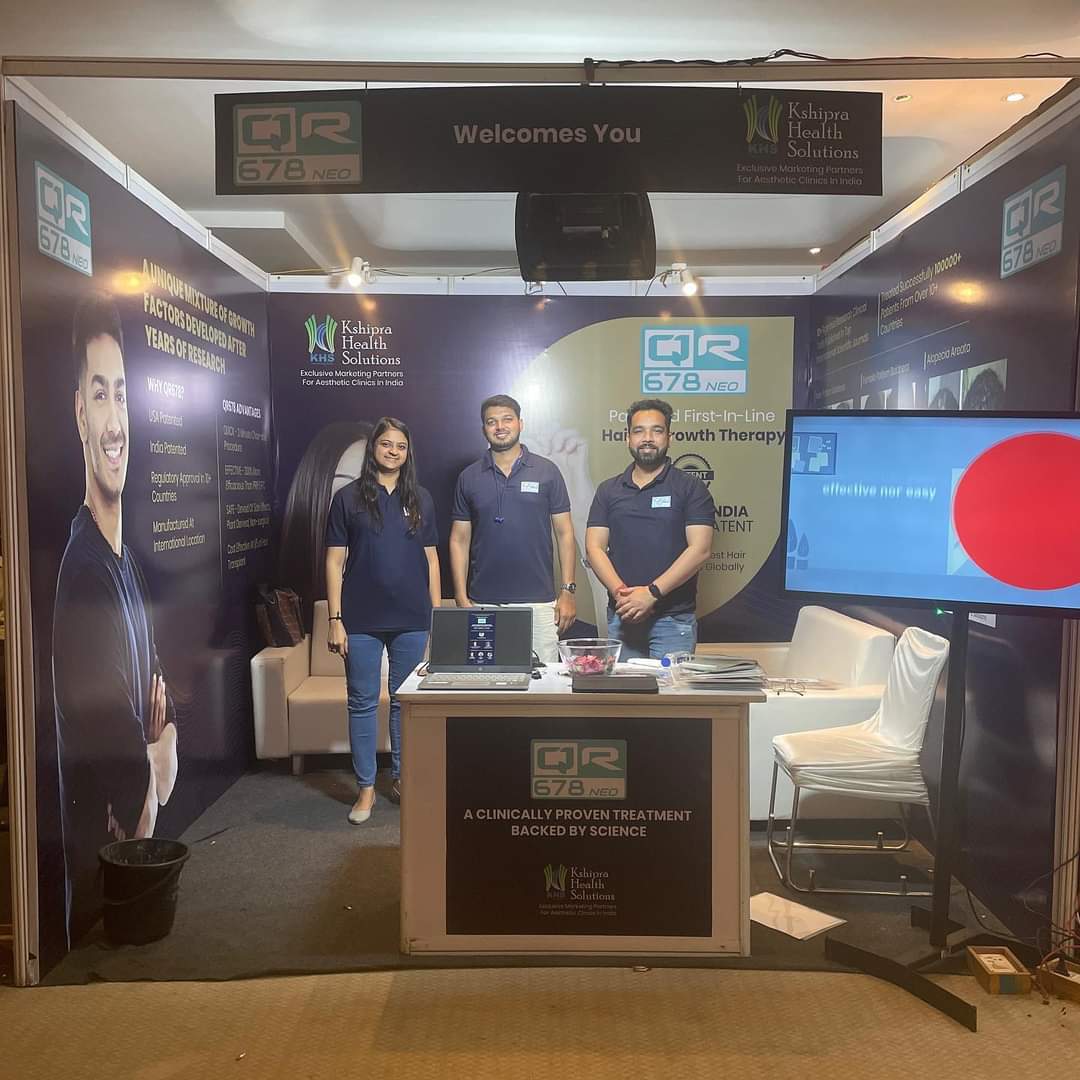
Dazzling moments at Cuticon 2023, Gujarat! QR678 took centre stage, earning accolades from top medical professionals.


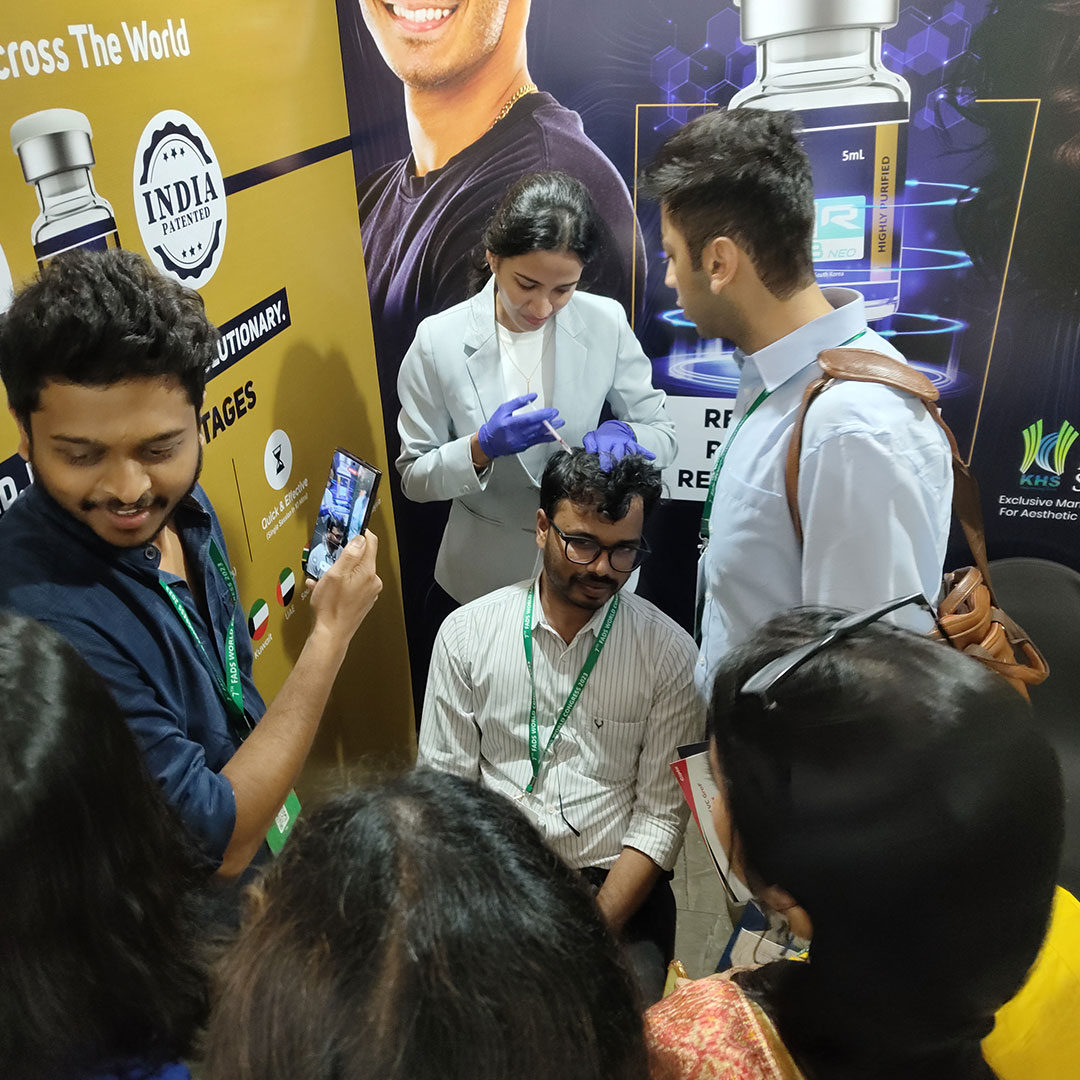
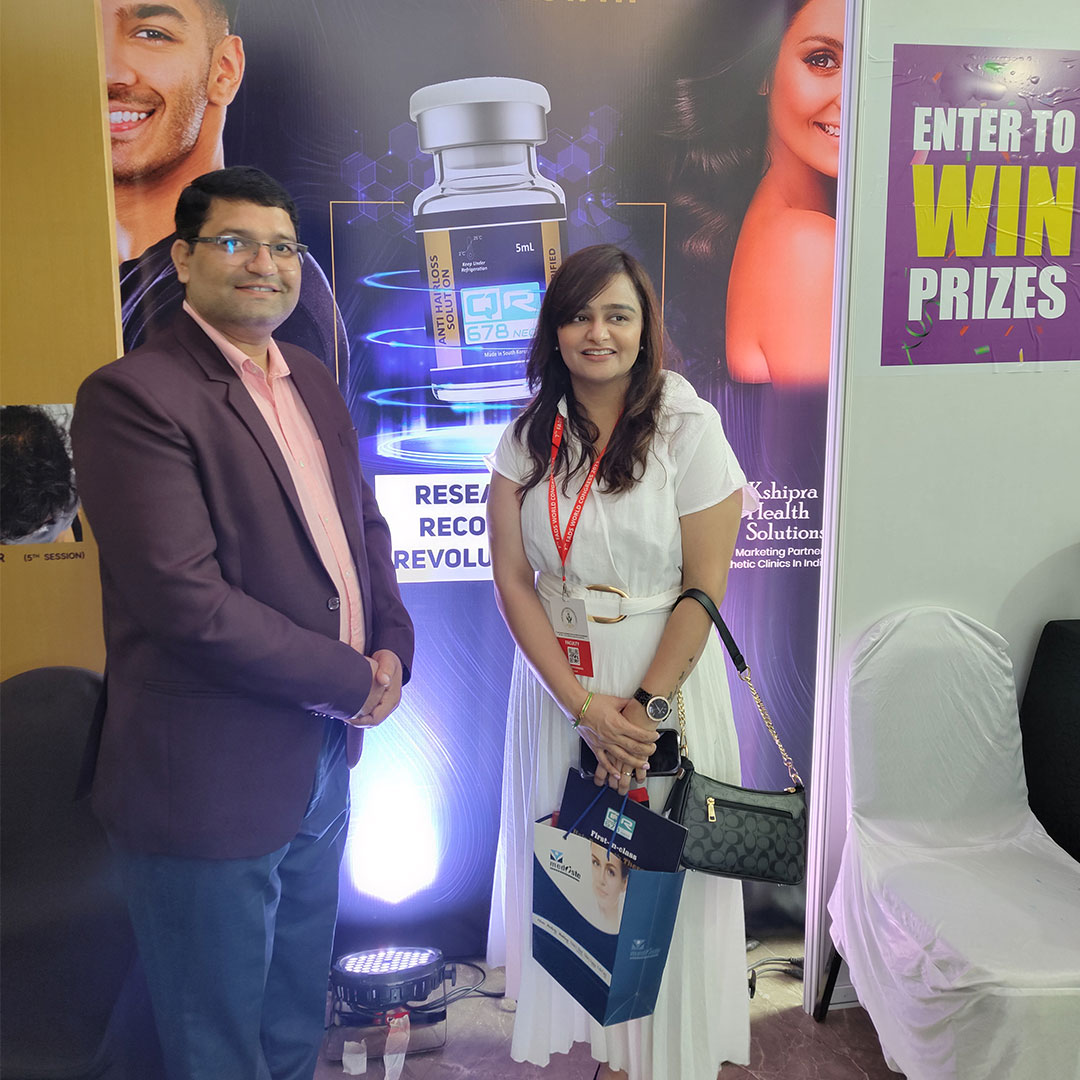
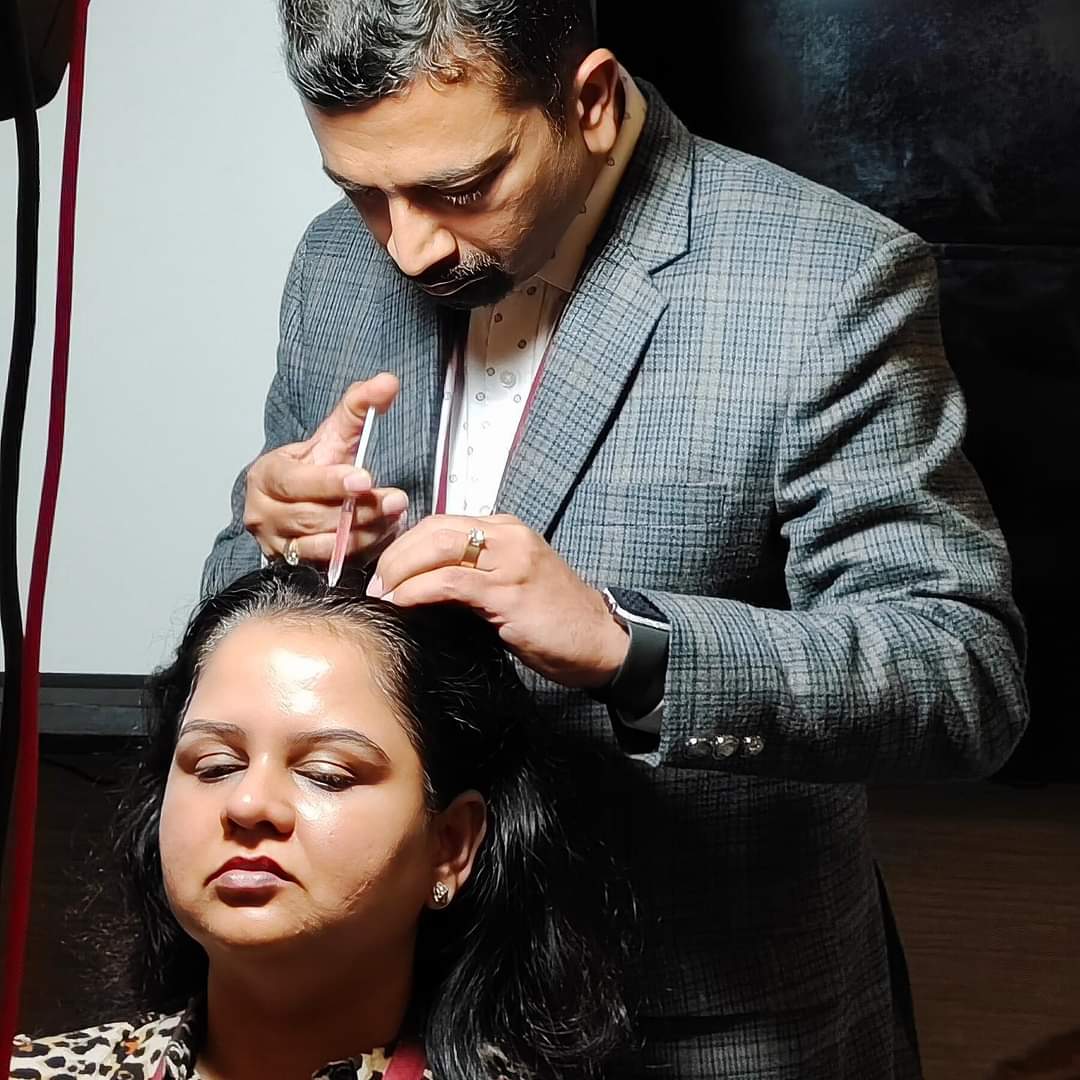
QR678 made it’s presence felt at FADS (Face Aesthetics Dermatologists Society), the 7th International Conference held at Goa. Renowned dermatologists got QR678 Neo administered and shared their positive experience.


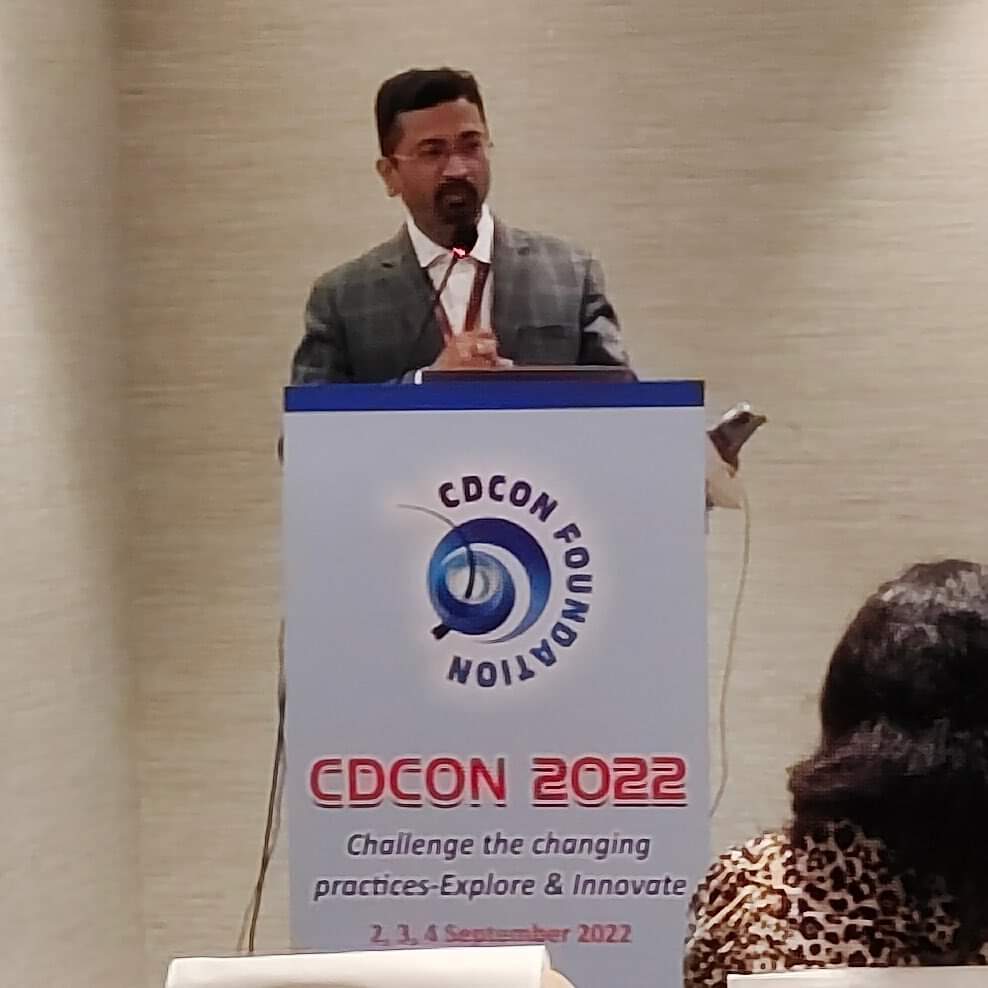
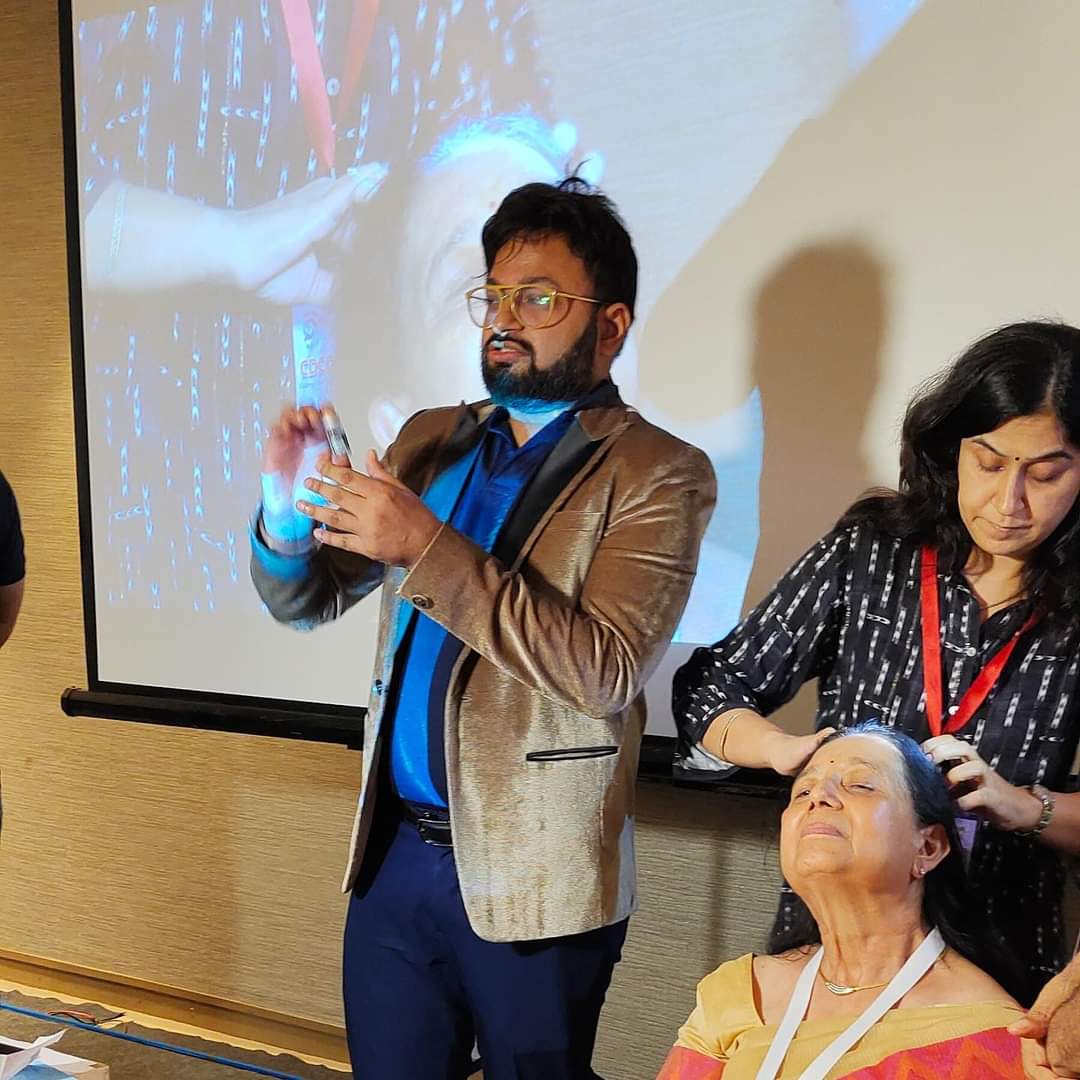
QR678® drew attention with an enlightening session and live demonstration at CDCON 2022 – a platform to challenge changing practices along the lines of Exploration and Innovation.
GLOBAL PRESENCE
OUR PARTNERS
FAQ'S
How is QR678® better than other hair fall treatments?
QR678® is a mixture of natural growth factors that are already present in the scalp and therefore it is completely safe to use on everybody. It has the right concentration of specific hair growth factors and QR678® does not have any side effects, is performed as an outpatient procedure and the results are visible within eight weeks of starting the treatment. You can listen for yourself what the patients say about QR678® hair fall treatment https://www.youtube.com/watch?v=pIvjpQgSsrc
How often do I need to repeat QR678® treatment?
QR678® injections are administered in 8-12 sessions in about 3-4 weeks apart. The results are visible after few weeks. Once you have achieved the desired results the injections need not be repeated unless the hair fall starts again. This is because QR678® make the hair follicles healthy. Get to know more about why QR678® is highly effective in treating hair fall and increasing hair growth. http://www.qr678.in/
What precautions should I take after QR678® treatment?
QR678® is a completely safe treatment without side effects and you can go about your daily routine after the sessions. The only care you need to take is to use a gentle shampoo not before the next day of the treatment and avoid scratching and rubbing the treating area. If you have any other problem then consult your dermatologist. https://www.youtube.com/watch?v=LNm2z3EGLxg
Can QR678® be used after hair transplant?
Yes, using QR678® after hair transplant produces very successful results. QR678® gives faster density and reduces the catagen loss of transplanted hair. The growth factors in QR678® Neo help in faster healing and activate the dormant follicles and thus
- Increase the viability of hair follicles
- Improve healing and repairing of tissue process
- Strengthen the inactive hair follicles and stimulate hair growth
- Improves the health of existing hair and they will become fuller and stronger
QR678® can be given in multiple treatment sessions after three to four weeks after successful hair transplant surgery. QR678® can also be used before the hair transplant surgery to reduce the area of transplant and improve the results.
How is QR678® better than PRP and stem cell hair fall treatment?
QR678® is a relatively new treatment for hair fall and hair regrowth but in the short time of its invention QR678® has proven to be more effective than PRP and stem cell treatment for reducing hair fall. QR678® produces longer lasting and better results and is completely safe and without any side effects. QR678® can help treat and rogenetic alopecia, female pattern hair loss, and hair loss because of chemotherapy, seborrheic dermatitis, and alopecia areata.
PRP and stem cell on the other hand do not have the specific concentration of required growth factors, they lack standardisation in terms of treatment protocols and preparation of the solution injected and lack good quality studies to prove their benefits. produce guaranteed results and can cause tightness and tenderness in scalp,
scar tissue formation, calcification of the injected points, and formation of scar tissues. Both processes are still under investigation and their results are still awaiting confirmation. Dr Rinky Kapoor of The Esthetic Clinics explains the difference between QR678® and stem cell here: https://www.youtube.com/watch?v=wgNihm8ciu4 and
Can genetic hair loss be treated?
Yes genetic hair loss can be treated if the treatment is started in time. Heredity hair loss usually runs in the family and can affect both men and women. If you too have a close elder relative who lost his or hair in a patterned baldness then you should keep a close eye on your hair too. Hereditary hair loss usually happens in a pattern; M or W shaped in men and along the hair part in women. See the doctor immediately if you suffer from hair loss. There are many common and successful treatments available for genetic hair loss which include
- Topical and oral medications: These include Minoxidil topical lotion and Finasteride tablets.
- Hair transplantation using FUT and FUE methods.
- Nutritional supplements: Your physician might also suggest some hair supplements that can help arrest hair fall. Dietary supplements containing Vitamin A, C, and Biotin, zinc, and iron can also help control hair fall caused because of genetics.
Treatment option for Chemotherapy induced Alopecia?
Alopecia post chemotherapy is a very common consequence of cancer treatments and therapies and it is often the most psychologically and socially devastating side effect. Many patients shy away from the treatments because of fear of hair fall and hair loss. However, in most cases, such alopecia is reversible but the recovery takes several months and even up to a year. Some basic latest treatment methods will speed up the healing:
- Scalp Cooling: This is a FDA approved method for patients suffering from breast cancer. Scalp cooling or hypothermia results in constriction of the blood vessels in the scalp, which in turn leads to reduced delivery of chemotherapy to the hair. Scalp cooling devices consist of cooling unit that circulate the coolant on the scalp. This is done about 30 minutes before the start of chemotherapy. Patients can feel some mild discomfort, nausea, and dry skin because of scalp cooling.
- Topical Minoxidil: Minoxidil helps by increasing the blood flow to the hair follicle thereby preventing miniaturization of hair follicle.
- QR678® hair regrowth treatment: QR678® is a FDA approved, completely safe hair regrowth treatment that has no side effects or causes any discomfort to the patient. Clinical trials have proved QR678 to be effective in treatment of chemotherapy induced alopecia in both men and women. The results of QR678® last lifelong.
FOR MORE QUERIES
QR678® 2019-26. Owned by Esthetic Products International LLP, Sofia, Bulgaria.

The QR678® research & development product platform technology is developing a group of patented, proprietary products. Any infringement of any kind will invite legal action.
Geographies Addressed: Bulgaria, European Union, Kuwait, Malaysia, Qatar, Oman, Serbia, India
Registration process underway: Canada, Phillipines, UAE, South Africa, Uganda, Indonesia, Singapore, Srilanka, Maldives, Bangladesh, Pakistan, Nepal
Disclaimer: QR678® is a proprietary research and technology platform focused on scientific innovation in hair and scalp science.
This website is intended solely for the dissemination of scientific, educational, and informational content relating to research and technology development. It does not offer products for sale, nor does it provide medical or therapeutic advice.