Background and Scientific Context
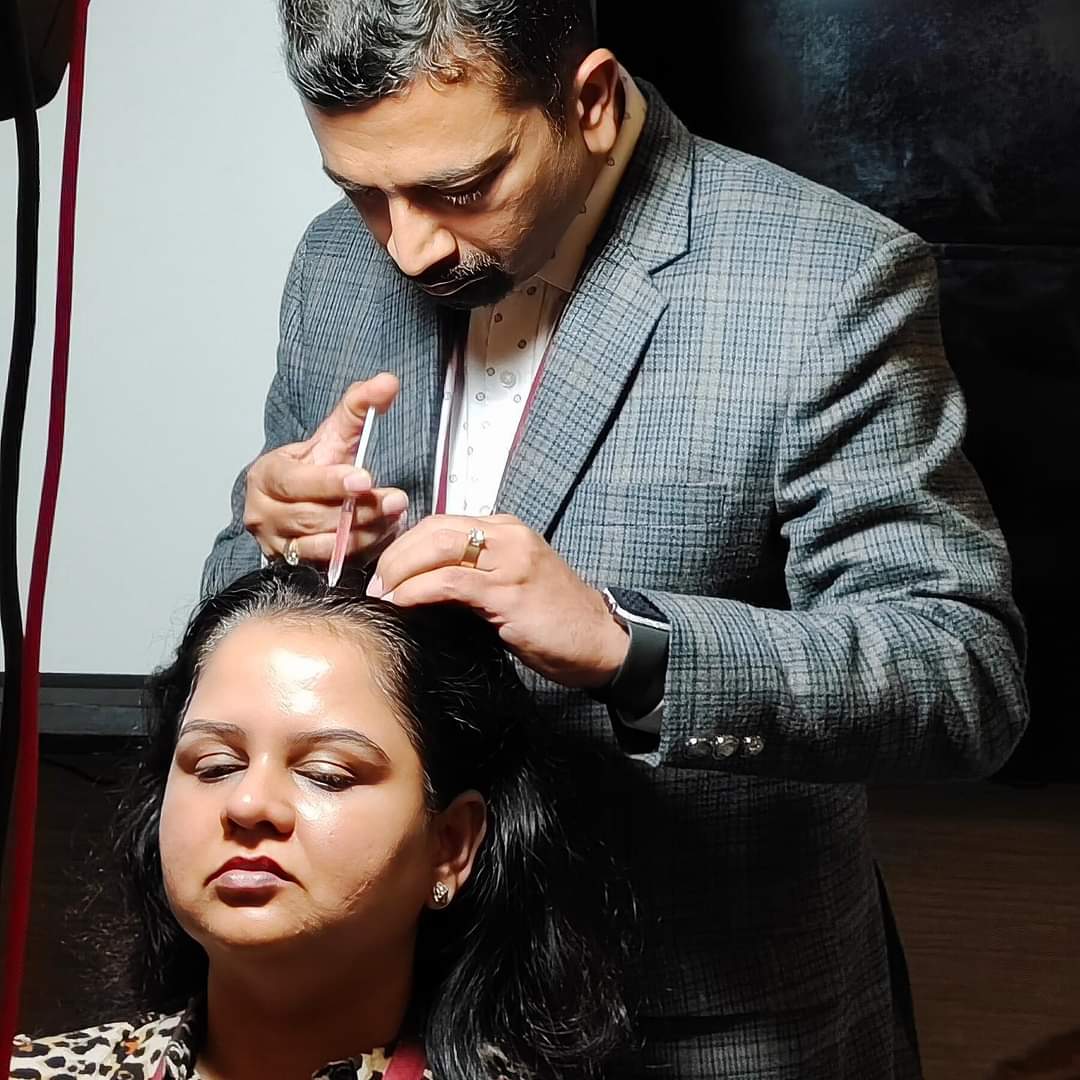
In clinical dermatology practice, multiple delivery methods are used to support scalp-based formulations, particularly in the context of androgenetic alopecia. Topical application remains the most commonly used approach due to ease of use and patient familiarity. Dermaroller-assisted delivery, which involves controlled micro-injury to the scalp, has also been explored as a method to enhance localized scalp exposure and procedural penetration.
Comparative documentation of different delivery techniques provides insight into procedural considerations, tolerability, and observable hair and scalp parameters under routine practice conditions. This study presents descriptive clinical documentation of patients with androgenetic alopecia receiving QR678 through two different delivery approaches—dermaroller-assisted application and topical application—without attributing causality or clinical outcomes to either method.
Study Design and Clinical Framework
The study was conducted as a prospective clinical evaluation involving male and female patients diagnosed with androgenetic alopecia based on established clinical classification systems. Participants were enrolled following predefined inclusion criteria and were allocated into two groups based on the delivery approach used.
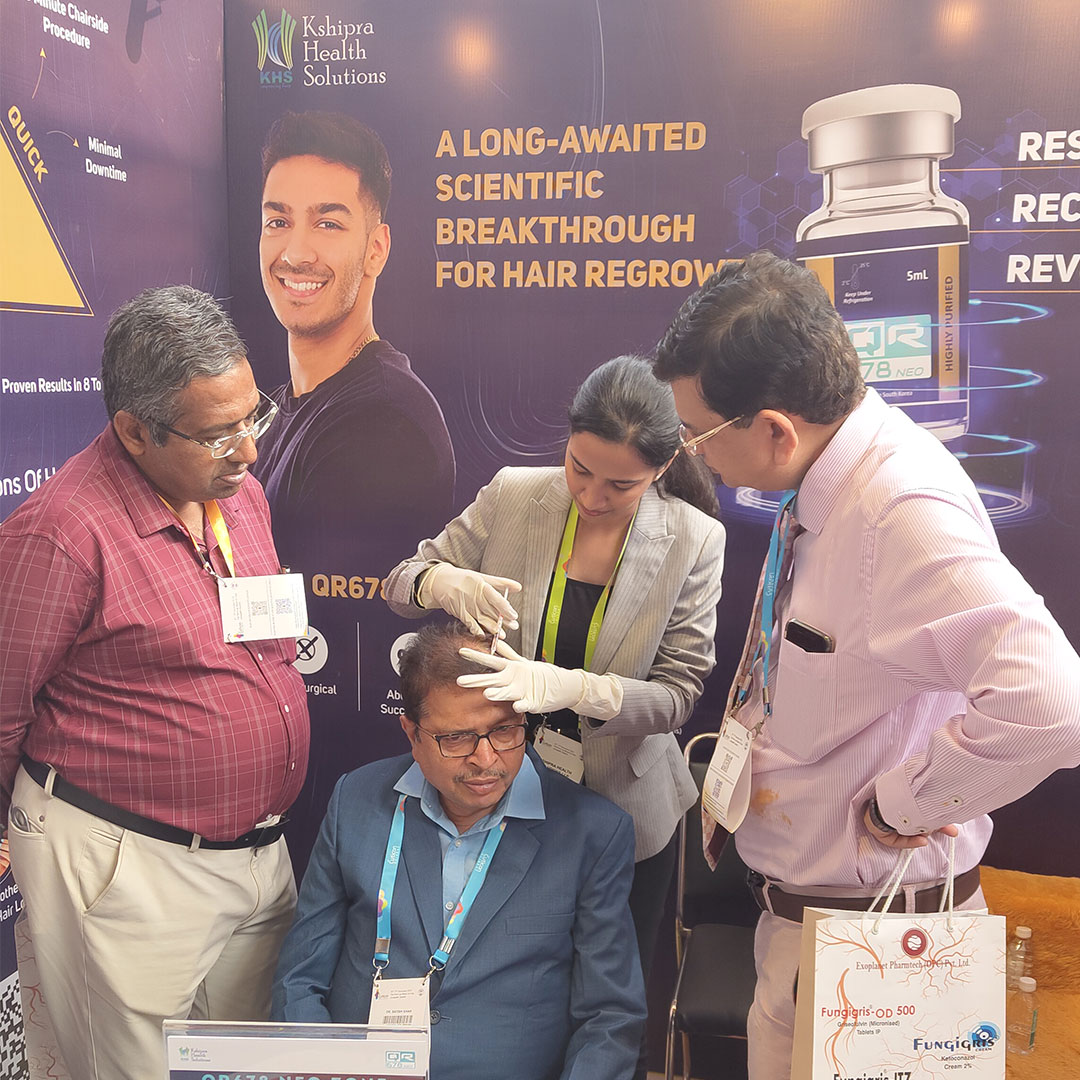
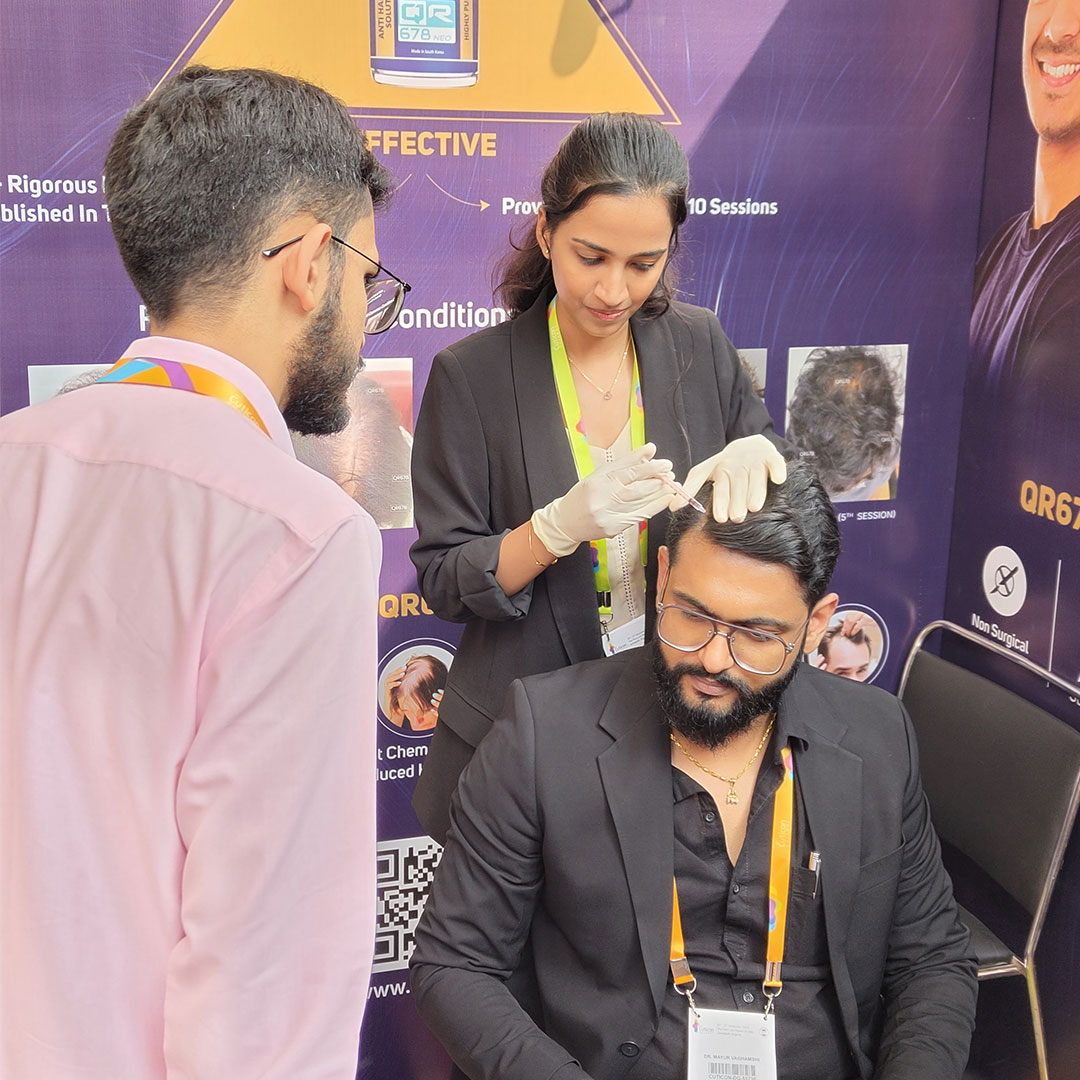
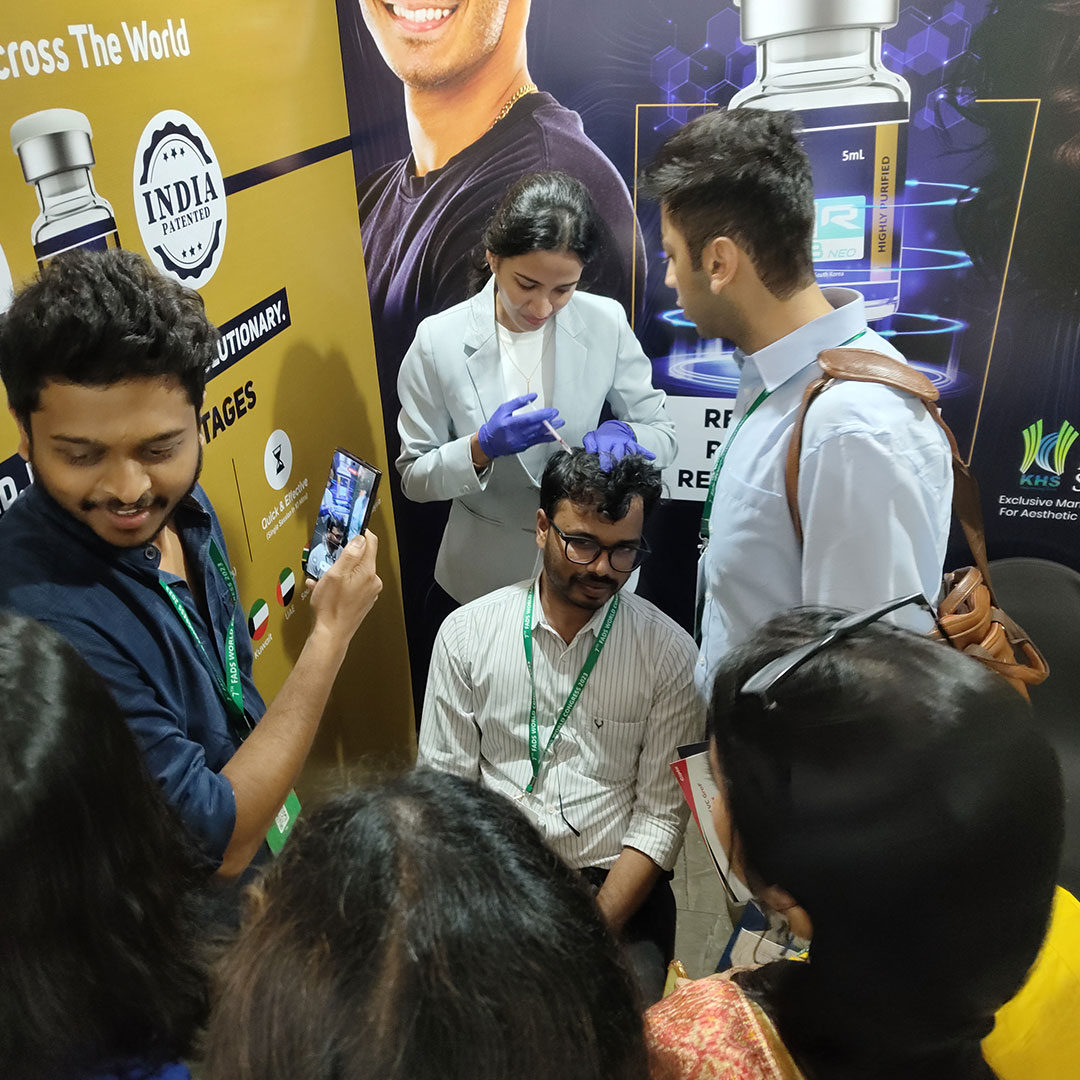
One group received QR678 administered using a dermaroller-assisted technique, involving controlled microneedling of the scalp followed by localized application. The second group received QR678 via topical application according to a standardized protocol. All procedures were performed under dermatological supervision.
The study followed an open-label design without randomization, blinding, or placebo control. Baseline assessments were conducted prior to initiation of either delivery approach, with follow-up evaluations performed at scheduled intervals over the observation period.
The objective of the study was to document hair and scalp parameters observed during use of two different delivery techniques in routine clinical practice.
Assessment Parameters
Clinical documentation was performed using commonly employed dermatological assessment tools, including:
- Hair pull testing to record active hair shedding at the time of examination
- Trichoscopic and videomicroscopic evaluation to document hair density, follicular distribution, and hair shaft characteristics
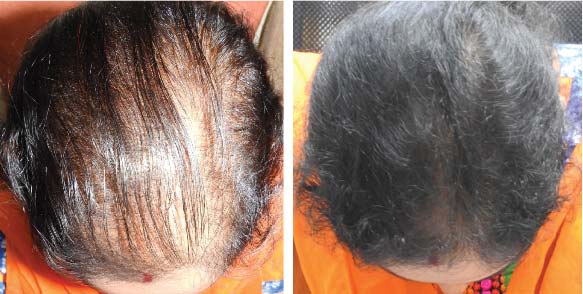
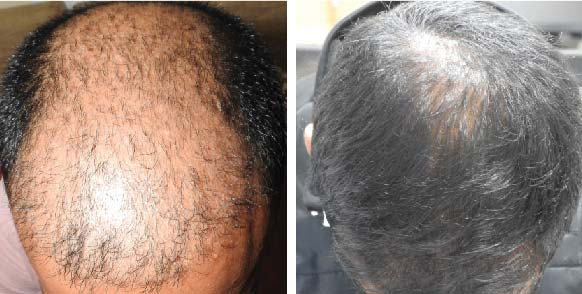
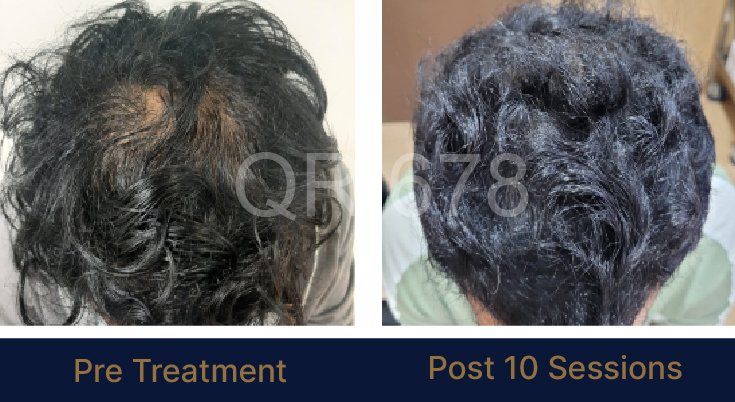
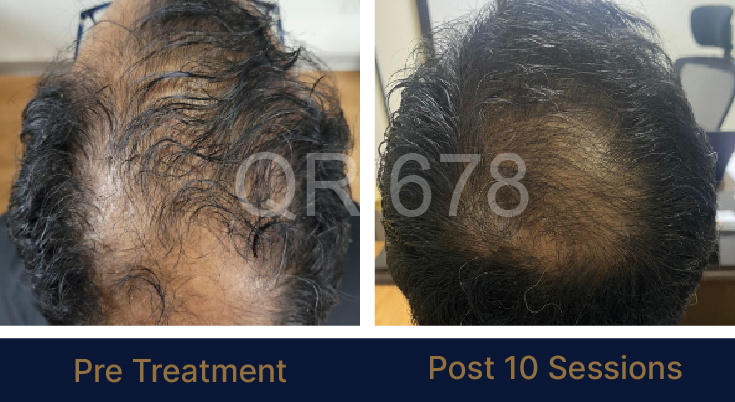
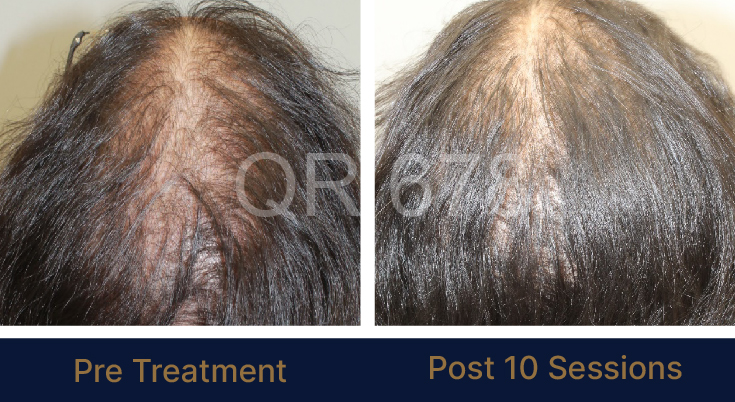
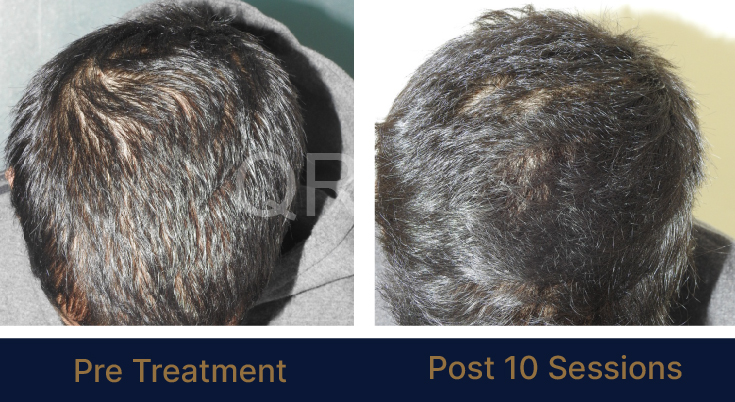
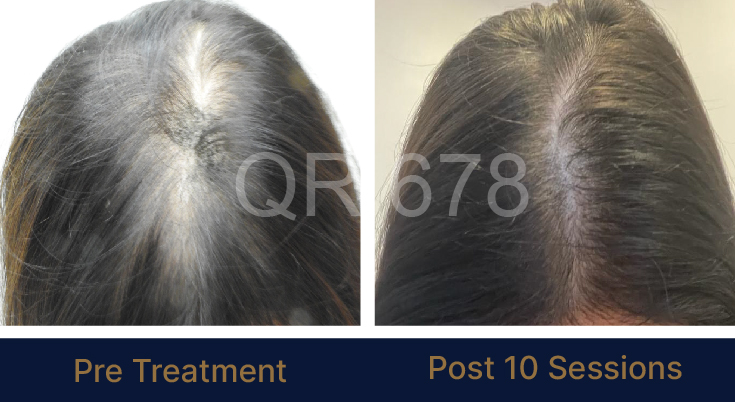
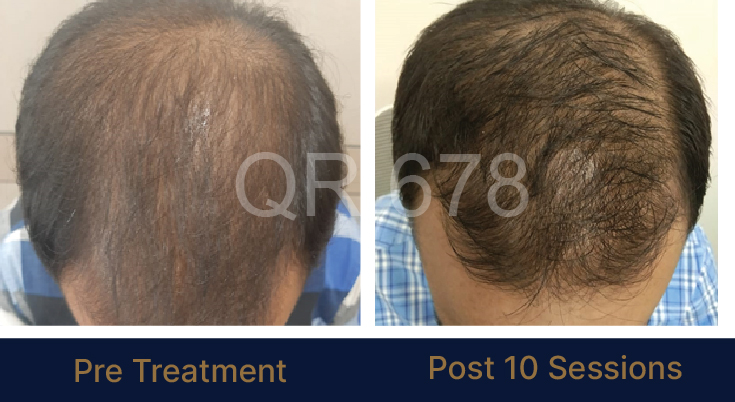
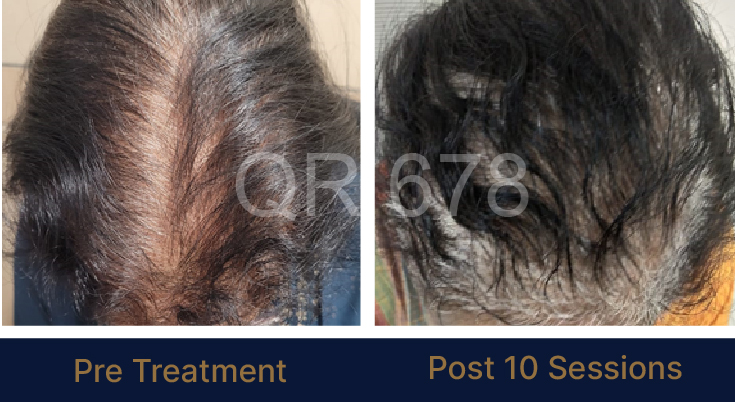
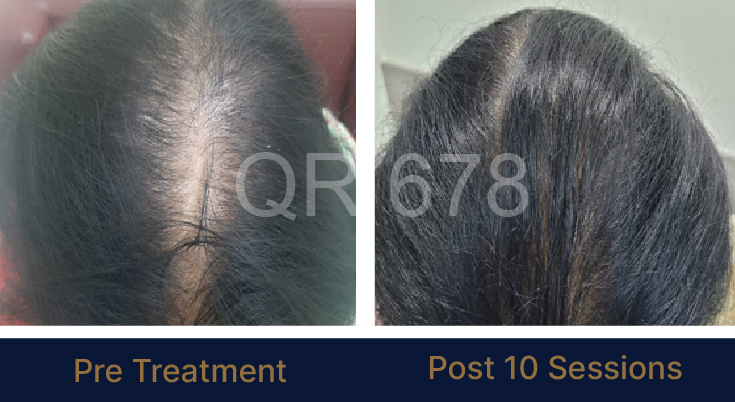
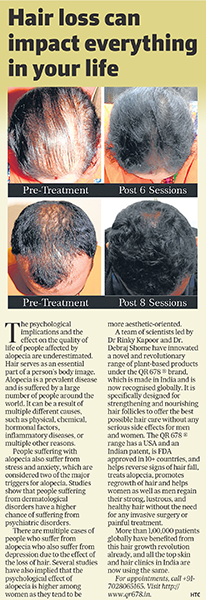
- Global photographic assessment to visually record scalp appearance across defined regions
- Patient-reported observations recorded during structured clinical consultations
These parameters were recorded descriptively and used to support longitudinal documentation within each group across study visits.
Observational Findings
Across successive evaluations, clinicians documented changes noted in hair shedding patterns, scalp appearance, and hair shaft characteristics within each delivery group. Observations were recorded without assigning causality to the delivery technique used and without attributing observed changes to procedural effectiveness.
Trichoscopic and photographic documentation provided visual records of hair and scalp parameters over time within individual patients. Variability in observations was noted across participants, reflecting known differences in hair cycle phases, scalp characteristics, and individual biological response.
Patient-reported observations reflected subjective perceptions related to hair appearance, scalp feel, and procedural experience. These reports were documented descriptively and were not interpreted as indicators of clinical benefit or comparative outcome.
Procedural and Tolerability Observations
Procedural tolerability was monitored throughout the study duration. In the dermaroller-assisted group, observations included transient scalp sensations associated with microneedling. In the topical application group, observations were limited to localized scalp sensations associated with application.
Across both groups, reported observations were mild and temporary. No systemic adverse events were reported during the observation period. No participants discontinued the study due to tolerability-related concerns.
Procedural differences between dermaroller-assisted and topical application were documented as part of routine clinical observation, without interpretation regarding preference, effectiveness, or long-term impact.
Scope, Limitations, and Research Relevance
The study is subject to limitations inherent to observational clinical evaluations, including absence of randomization, lack of blinding, and reliance on descriptive documentation. The study does not establish therapeutic efficacy, comparative advantage, or long-term outcomes associated with either delivery approach.
Within these constraints, the paper contributes structured clinical documentation of hair and scalp parameters observed with two different methods of QR678 administration. The findings may serve as reference material for clinicians reviewing procedural considerations and delivery approaches under routine dermatology practice conditions.