Background and Scientific Context
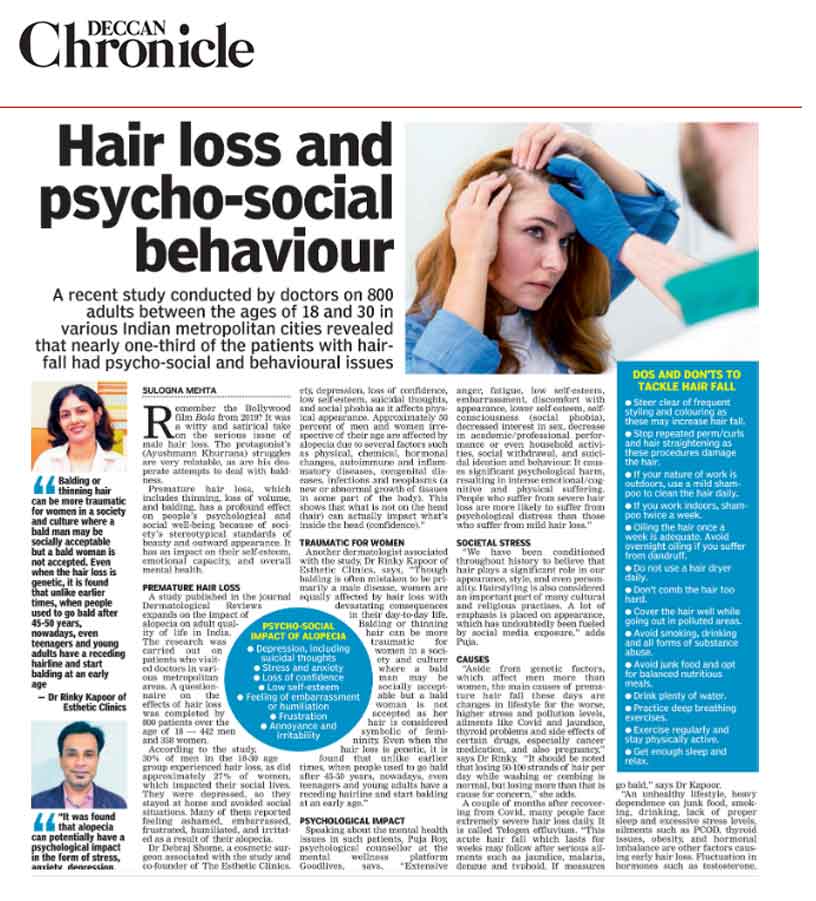
Alopecia is commonly perceived as a cosmetic concern driven primarily by visible hair thinning or hair fall. However, this surface-level presentation often represents only a fraction of the underlying biological, psychological, and systemic processes involved. The “iceberg phenomenon” model of alopecia emphasizes that clinically observable hair loss is frequently the endpoint of multiple contributing factors operating beneath the surface, including hair cycle dysregulation, scalp environment alterations, systemic health influences, and psychosocial stressors.
This paper explores alopecia as a multifactorial condition, framing visible hair loss as a downstream manifestation rather than an isolated event. By examining alopecia through this broader lens, the paper contributes to a more comprehensive understanding of hair biology, hair cycle phases, and the diverse reasons for hair fall observed in clinical practice.
Conceptual Framework: The Iceberg Model
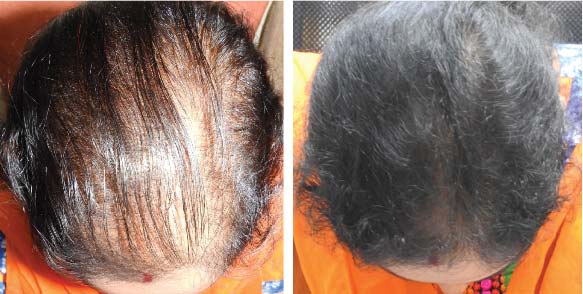
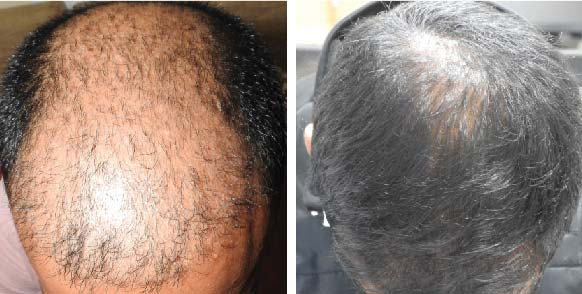
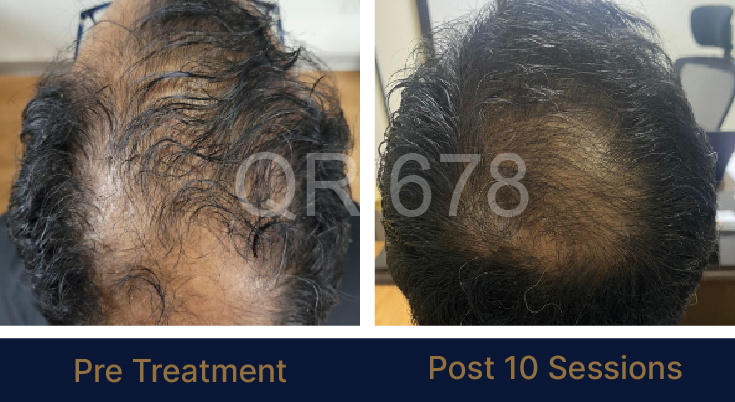
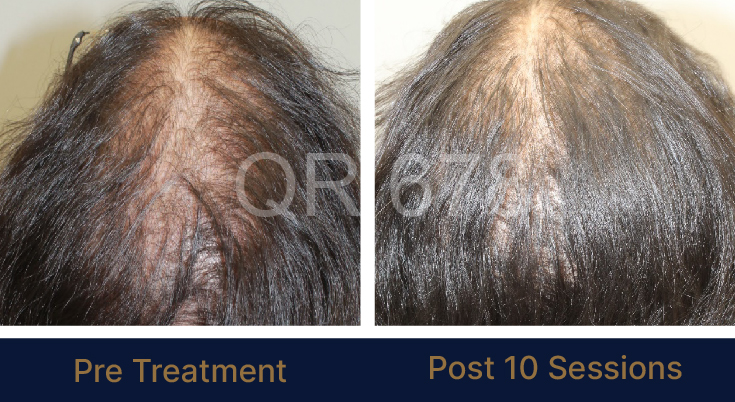
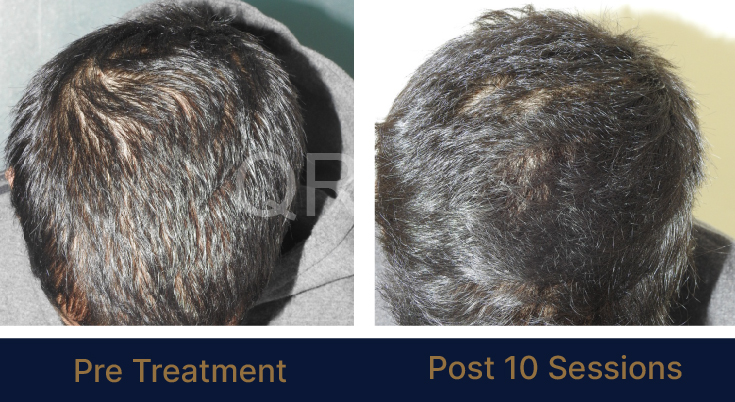
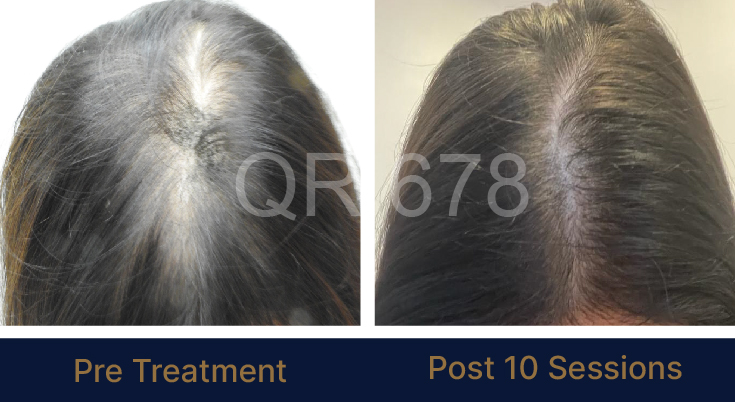
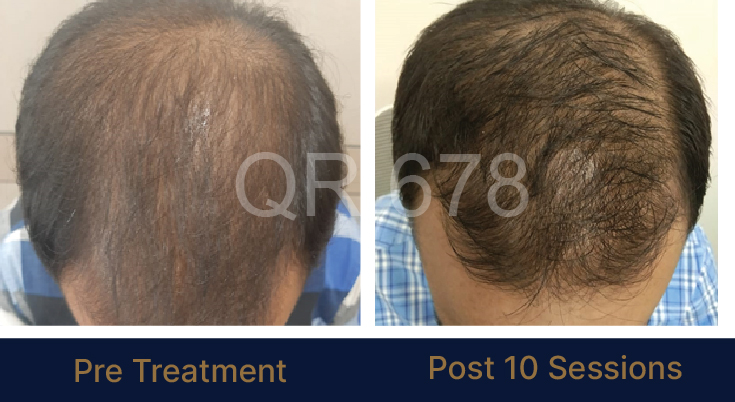
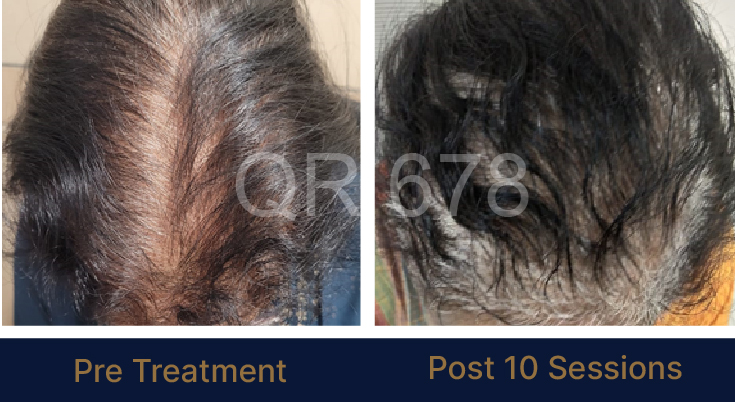
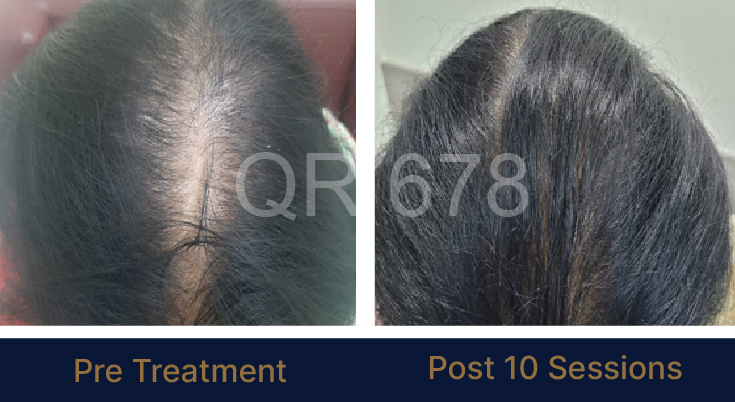
The iceberg model categorizes alopecia into two distinct layers. The visible component includes clinical signs such as hair thinning, patterned hair loss, diffuse shedding, and reduced hair density. These are the features most often prompting patients to seek medical attention.
Beneath the surface lie contributing and perpetuating factors that may not be immediately apparent during routine examination. These include genetic predisposition (commonly referred to as genetic hair loss), hormonal influences, inflammatory scalp conditions, nutritional imbalances, metabolic disturbances, and psychosocial stress. The paper highlights that failure to address these underlying elements may limit the effectiveness of any hair loss management strategy.
Hair Cycle and Biological Considerations
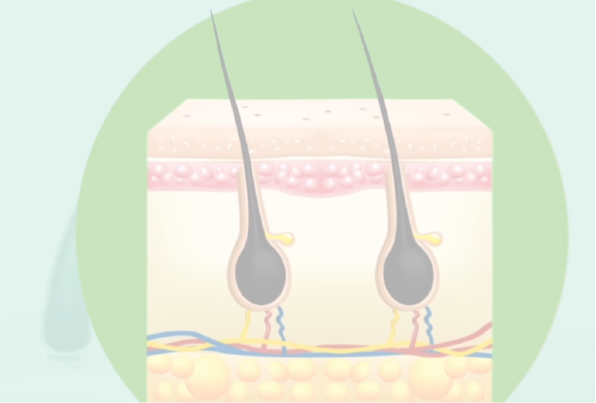
A central theme of the paper is the importance of understanding the hair cycle phases—anagen, catagen, and telogen—and how disruptions in this cycle contribute to alopecia. Alterations in cycle duration, premature transition between phases, and follicular miniaturization are discussed as key biological mechanisms underlying several forms of hair loss.
The paper distinguishes between hair shedding vs hair fall, noting that transient shedding may occur as part of physiological cycling, whereas pathological hair loss reflects deeper dysregulation. This distinction is particularly relevant in conditions such as telogen effluvium, stress-related hair loss, and hormonally mediated alopecia.
Role of Stress and Systemic Factors
Psychological and physiological stress is examined as a significant, often underestimated contributor to hair loss. The paper discusses how hair loss due to stress may result from neuroendocrine signaling changes that influence follicular cycling and scalp microenvironment.
Systemic conditions—including endocrine disorders, autoimmune diseases, and chronic inflammatory states—are also addressed as hidden contributors within the iceberg model. These factors may influence scalp health, follicular resilience, and hair shaft integrity without producing immediate or obvious dermatological signs.
Scalp Environment and Hair Care Practices
The paper emphasizes the role of the scalp environment in maintaining healthy hair growth dynamics. Factors such as sebum balance, microinflammation, barrier function, and local circulation are discussed in relation to follicular performance.
Routine hair care routines and scalp care routines are acknowledged as modifiable external factors that may influence the visible component of alopecia. Improper hair maintenance practices, mechanical stress, and chemical exposure are identified as potential aggravators that may amplify underlying biological vulnerabilities.
Clinical Implications
From a clinical perspective, the iceberg phenomenon reinforces the need for comprehensive evaluation in patients presenting with hair loss. The paper suggests that focusing solely on visible hair thinning may overlook contributory elements such as hormonal imbalance, nutritional deficiencies, stress-related factors, or early-stage scalp pathology.
This framework encourages clinicians to adopt a layered diagnostic approach that integrates clinical examination, patient history, and appropriate investigations. Such an approach supports individualized management strategies rather than reliance on a singular hair loss solution or generalized treatment pathway.
Research and Educational Relevance
The paper positions the iceberg model as a valuable educational tool for clinicians, researchers, and hair health professionals. By conceptualizing alopecia as a multifactorial condition, it provides a foundation for future research into integrated assessment models, preventative strategies, and holistic hair health frameworks.
Importantly, the paper does not propose or evaluate specific interventions, formulations, or procedures. Its contribution lies in reframing alopecia as a complex condition requiring multidisciplinary understanding rather than a purely cosmetic concern.
“Alopecia – The Iceberg Phenomenon” presents a structured conceptual framework that contextualizes visible hair loss within a broader biological and systemic landscape. By highlighting the hidden contributors beneath observable symptoms, the paper underscores the importance of comprehensive evaluation, informed clinical judgment, and ongoing research into the mechanisms underlying hair loss.