Human Trial

Published in

Intradermal injections of QR678®–an anti-hair loss formulation for enhancement of human hair – safety and efficacy evaluation in a first-in-man pilot clinical study

Chemotherapy-induced alopecia (CIA) is a common and distressing adverse effect observed in patients receiving cytotoxic chemotherapy. Hair loss associated with chemotherapy is typically non-scarring and results from the impact of cytotoxic agents on rapidly proliferating hair matrix cells, leading to disruption of normal hair cycle phases. In clinical practice, CIA is documented not only for its physical manifestation but also for its broader impact on patient quality of life.

From a dermatological perspective, evaluation of CIA involves structured assessment of hair shedding patterns, scalp condition, and changes observed over time as patients progress through chemotherapy cycles. This study documents hair and scalp parameters observed in patients experiencing CIA under clinical supervision.

This investigation was conducted as a human clinical study involving adult participants diagnosed with patterned hair loss by qualified dermatologists. Both male and female participants were included, reflecting the demographic diversity commonly encountered in routine clinical practice. Enrollment was based on predefined inclusion and exclusion criteria, and all participants provided informed consent prior to participation.

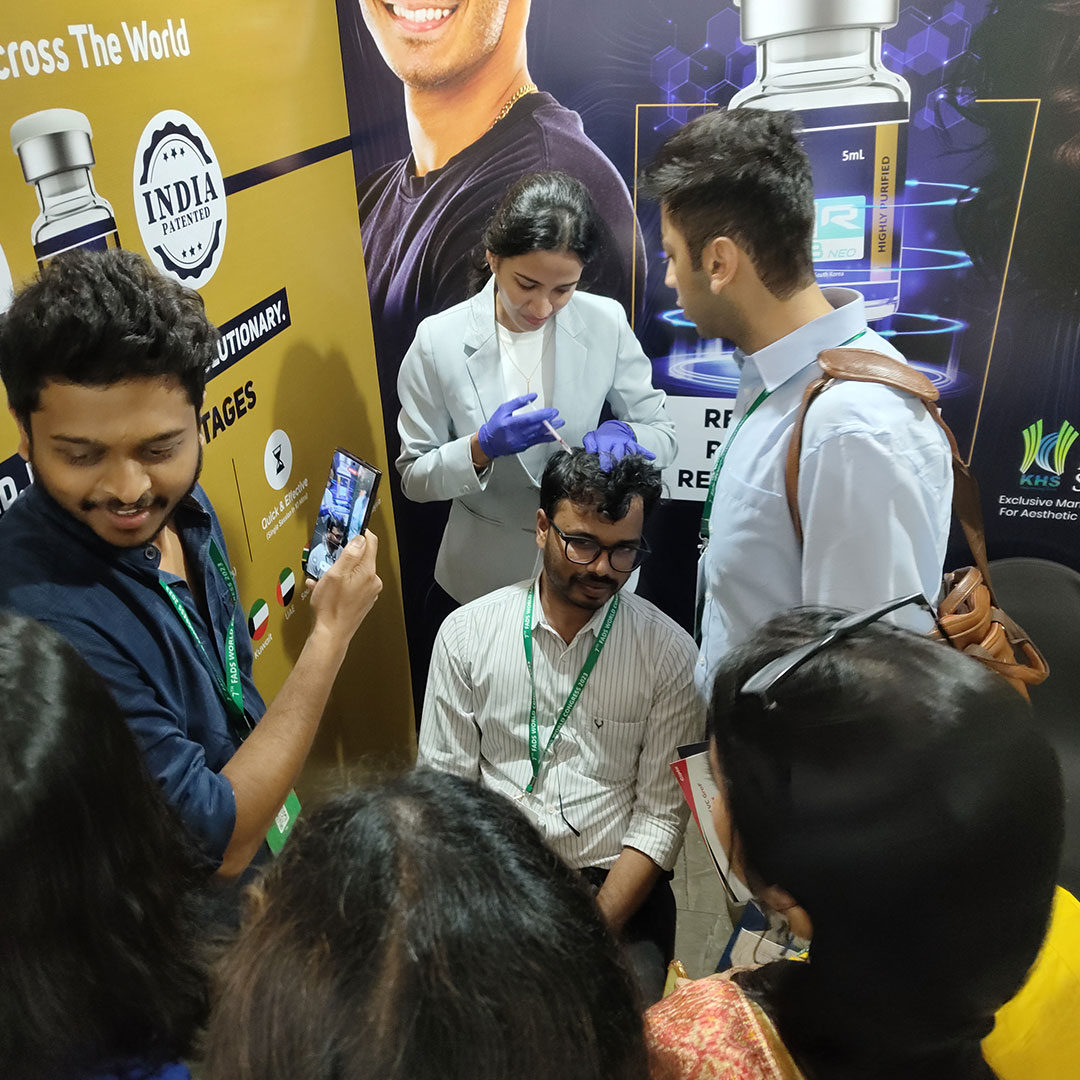
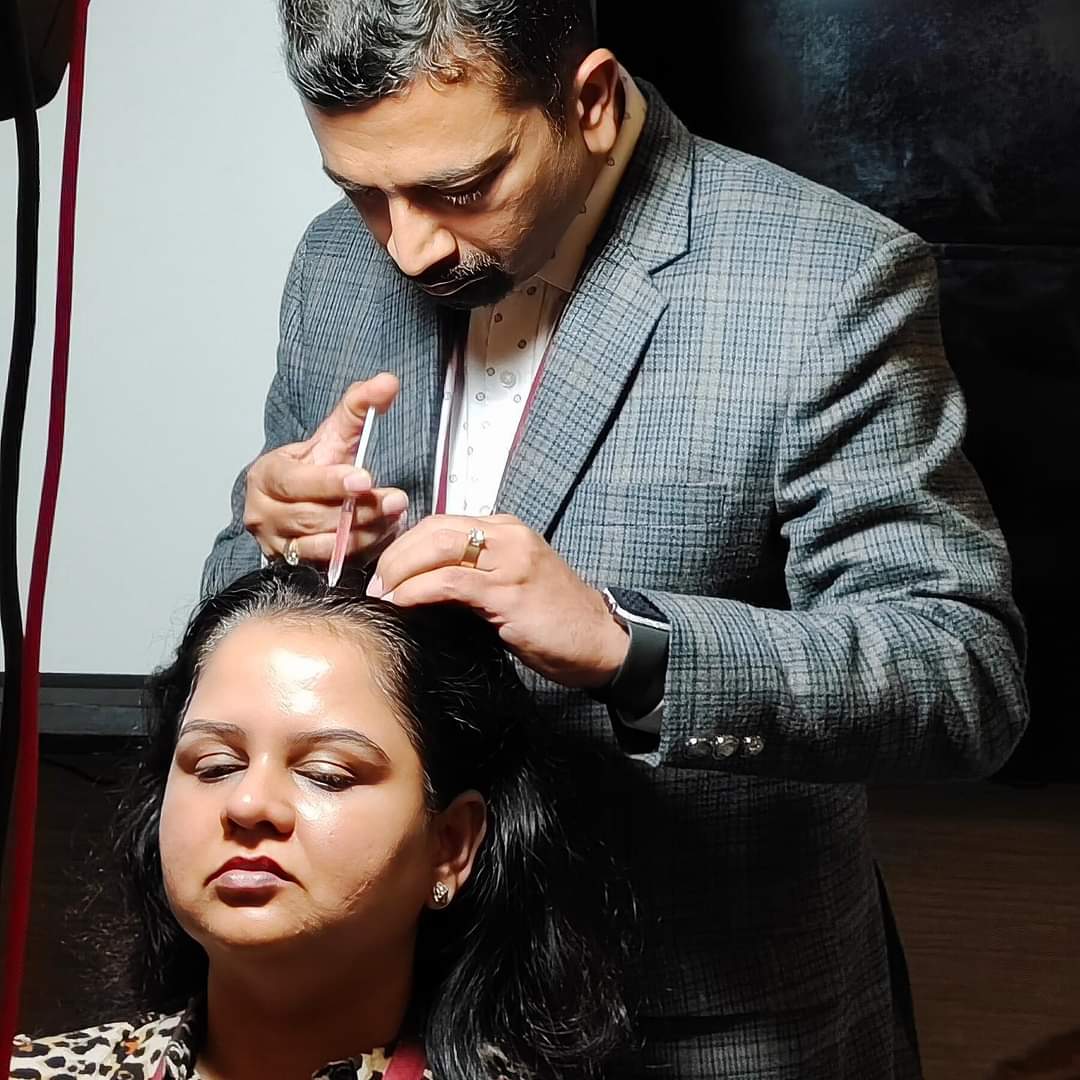
The study followed an open-label, single-arm design without randomization or placebo control. A proprietary formulation, QR678, was administered via localized intradermal scalp application at predefined intervals. The protocol was implemented under medical supervision, and participants were followed across multiple sessions over a defined observation period. The primary objective of the study was to document changes in hair and scalp parameters as observed during routine clinical evaluation, rather than to establish therapeutic efficacy.

Clinical assessments were conducted at baseline and during scheduled follow-up visits using standardized dermatological tools commonly employed in hair disorder evaluation. These included:

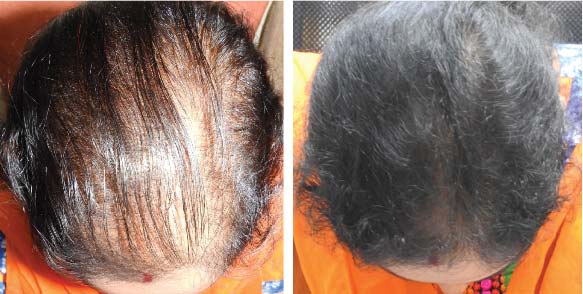
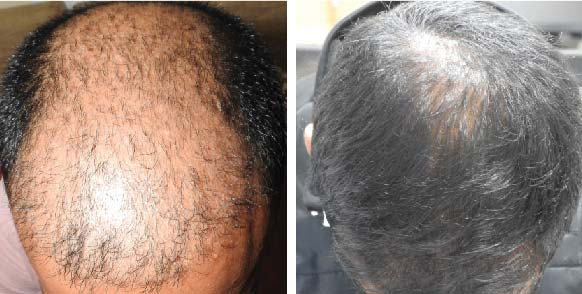
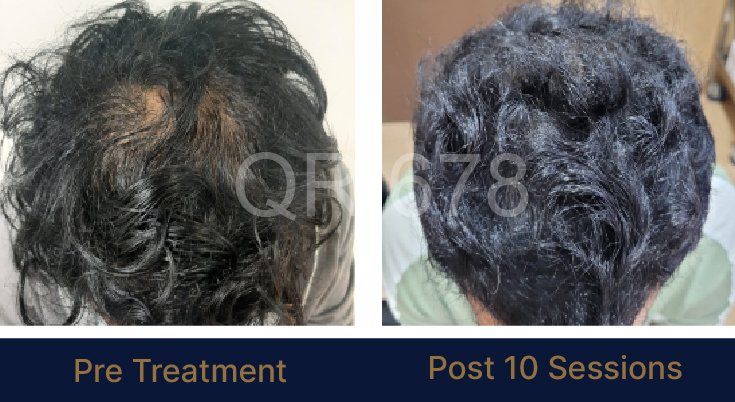
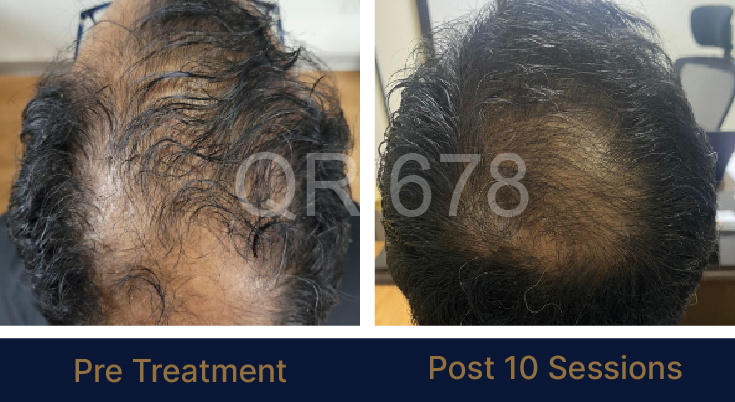
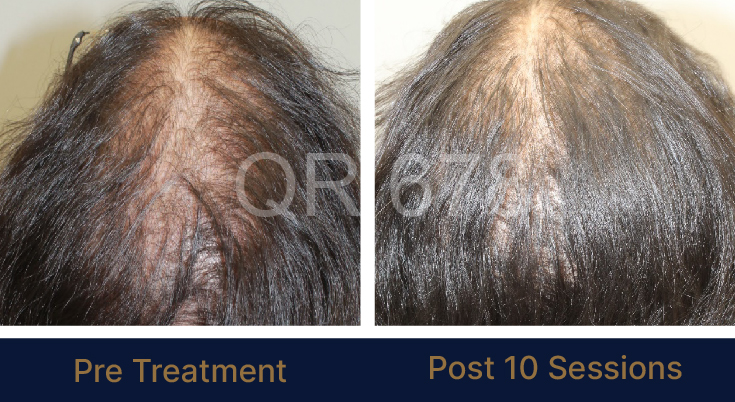
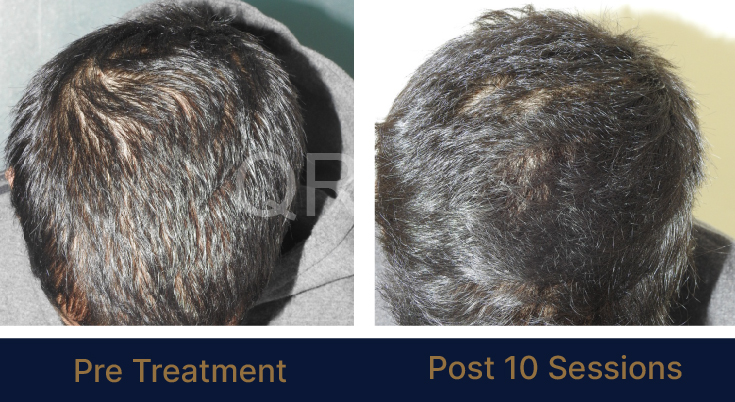
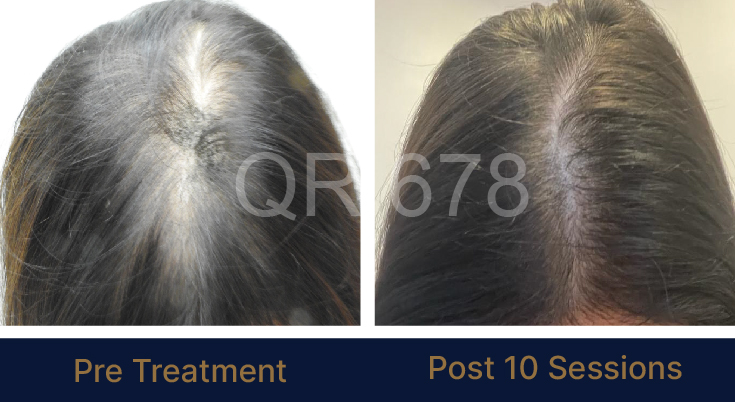
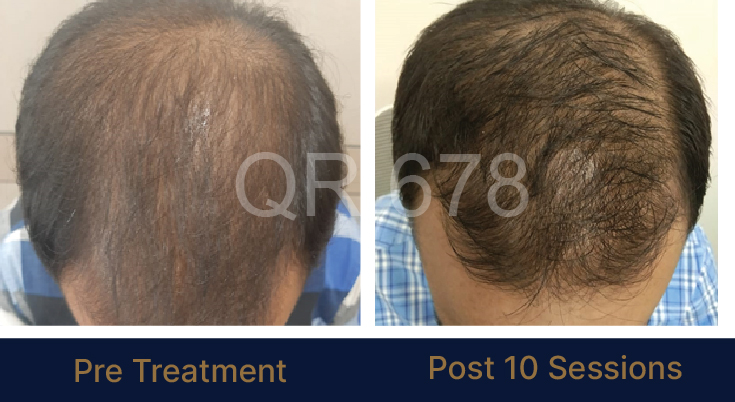
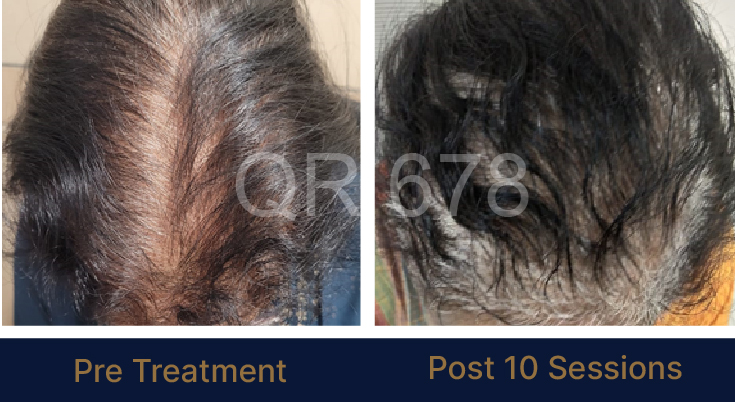
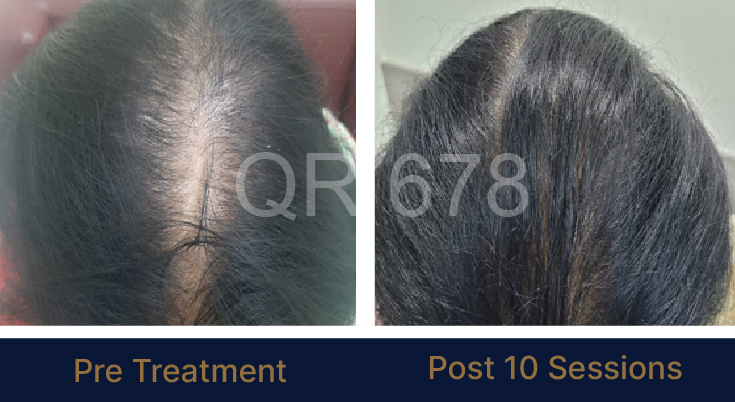
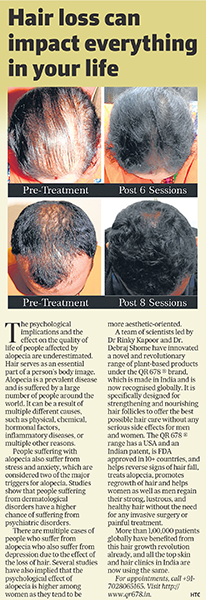
  • Global photographic assessment, allowing visual documentation of hair density patterns across defined scalp regions
  • Hair density and hair count measurements performed within standardized target areas
  • Clinical scalp examination focusing on follicular distribution, scalp condition, and visible hair shaft characteristics

All assessments were performed by trained clinicians using consistent methodology to reduce inter-observer variability. Observations were recorded systematically to allow longitudinal comparison across visits.

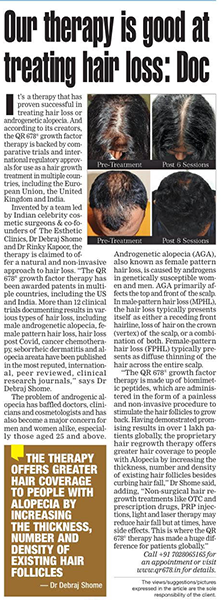
Across the observation period, clinicians documented changes noted in hair density patterns, hair shaft appearance, and scalp condition during successive evaluations. Findings were interpreted within established frameworks of hair biology and hair cycle phases, acknowledging the cyclical and variable nature of follicular activity.

The study did not attempt to distinguish observations using consumer-oriented classifications such as hair shedding versus hair fall. Documentation remained limited to clinically observable parameters without assigning permanence, predictability, or mechanistic interpretation to the observed changes.

Tolerability was monitored throughout the study duration as part of routine clinical oversight. Observed responses were primarily localized and transient, including mild procedural discomfort or temporary scalp sensitivity following intradermal application.

No systemic adverse events were reported during the observation period. Safety-related observations were documented descriptively and did not extend beyond the scope of routine clinical monitoring. No study discontinuations were attributed to safety concerns related to the application protocol.

As an open-label clinical investigation without comparator arms, the study is subject to limitations inherent to observational designs. These include the absence of blinding, lack of placebo control, and reliance on descriptive clinical documentation. The study does not establish causality, long-term outcomes, or comparative performance against other interventions.

Within these limitations, the study contributes structured clinical documentation of hair and scalp parameters observed in individuals with patterned hair loss under routine dermatology practice conditions. The findings may serve as reference material for clinicians and may inform the design of future controlled or comparative investigations.

QR678® is marketed as a cosmetic formulation in many countries and does not claim to diagnose, treat, cure, prevent, restore, or regrow hair. The research papers and clinical articles referenced on this website are peer-reviewed scientific publications authored by qualified medical professionals and represent the observations and conclusions of the respective authors, based on their individual clinical research. 


These clinical references are provided for informational and educational purposes and should not be interpreted as promotional claims or outcome guarantees by or QR678®. Consumers are advised to consult a qualified healthcare professional for medical interpretation or hair- or scalp-related concerns.

Request the Research Paper

FOR MORE QUERIES

    I agree that my submitted data is being collected and stored.