Post COVID Hair Loss

Published in

Efficacy of QR678® formulation for the clinical assessment of hair loss in Covid-19-induced persistent Telogen Effluvium - A prospective, clinical, single-blind study

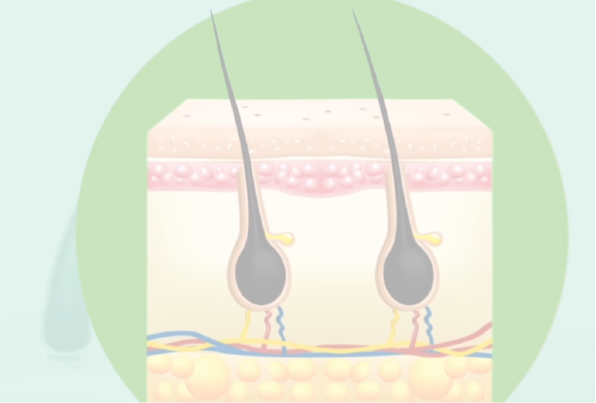
Hair shedding following systemic illness has been widely documented in dermatological literature and is commonly observed after acute physiological or psychological stressors. In the context of COVID-19 infection, a notable number of individuals have reported increased hair shedding in the weeks to months following recovery. These observations are often discussed within the framework of hair cycle phases, particularly shifts in follicular activity that may result in diffuse shedding rather than localized hair loss.

Post-COVID hair changes are generally considered distinct from chronic hair disorders and are frequently described in relation to stress and hair loss, metabolic strain, inflammatory responses, and systemic recovery processes. Understanding these patterns requires careful clinical observation grounded in hair biology rather than assumptions of permanent follicular damage.
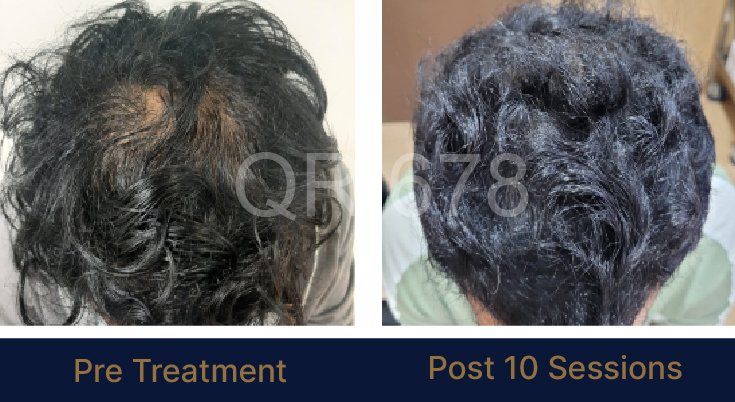
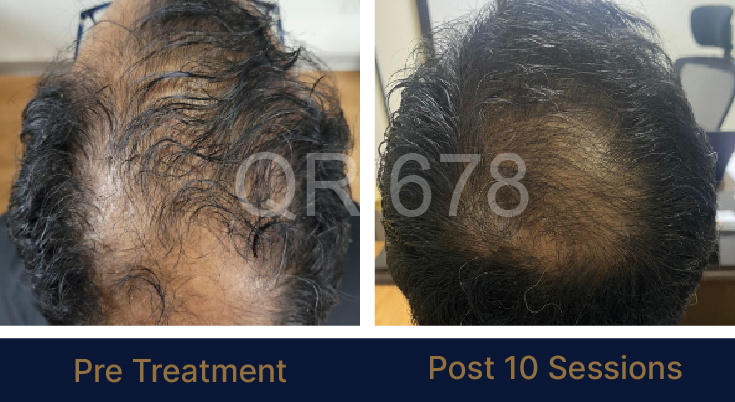
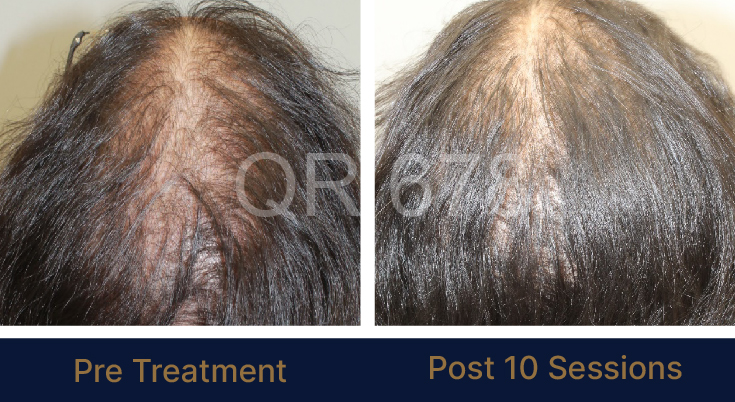
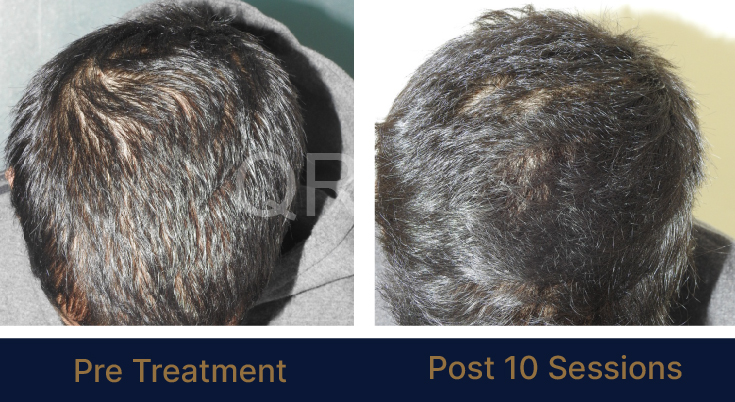
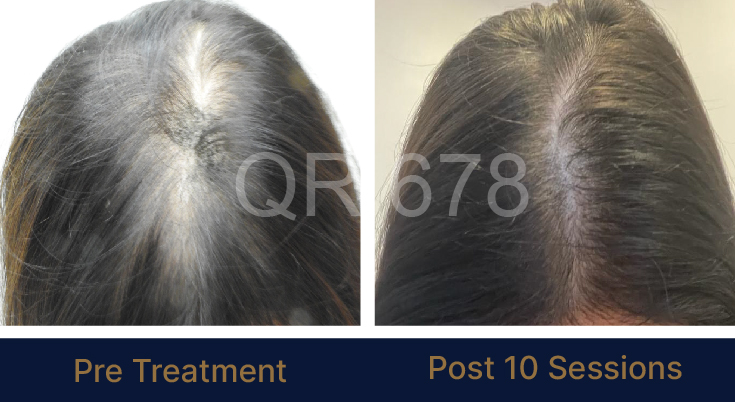
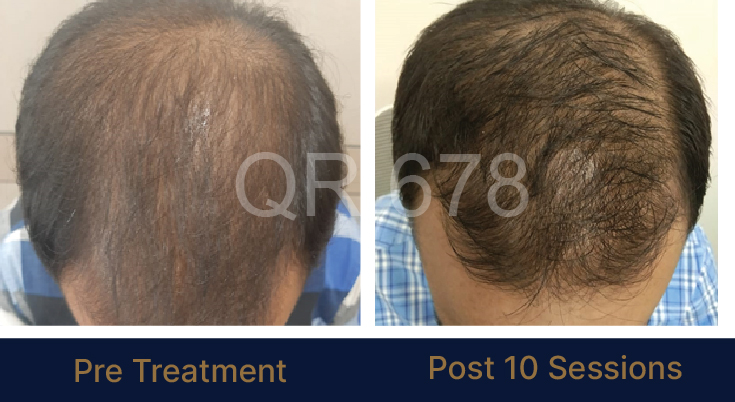
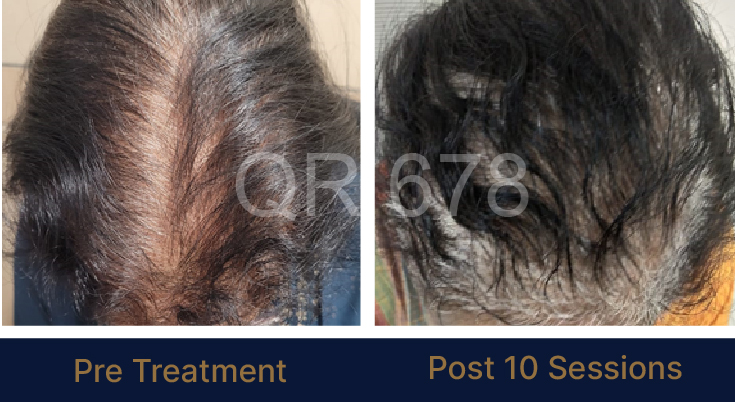
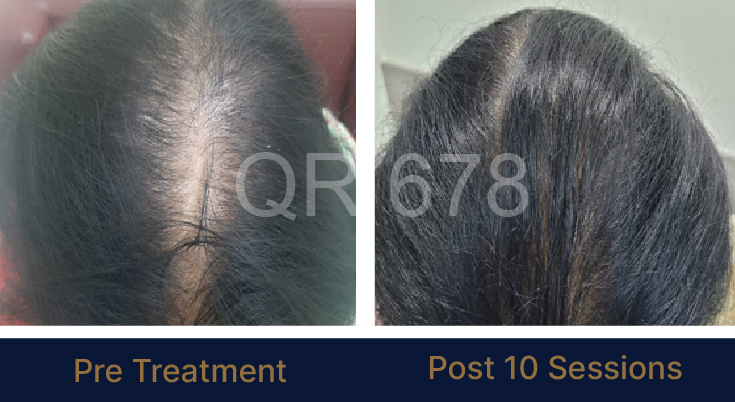
This research paper presents findings from a clinical observational study involving individuals who reported persistent hair shedding following recovery from COVID-19 infection. Participants were enrolled based on predefined criteria, including documented COVID-19 history and subsequent hair-related concerns. The study focused on documenting scalp and hair parameters over a defined observation period.

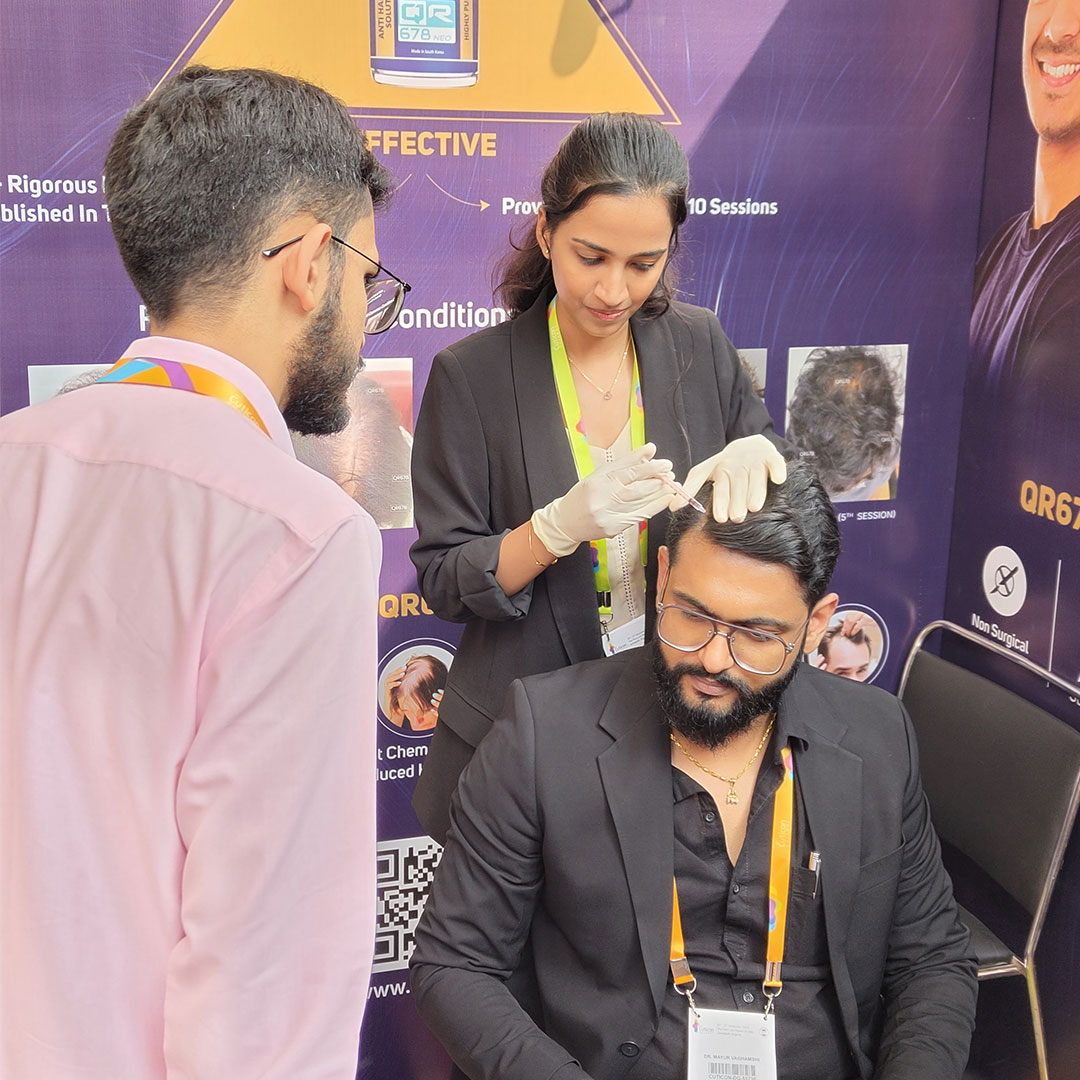
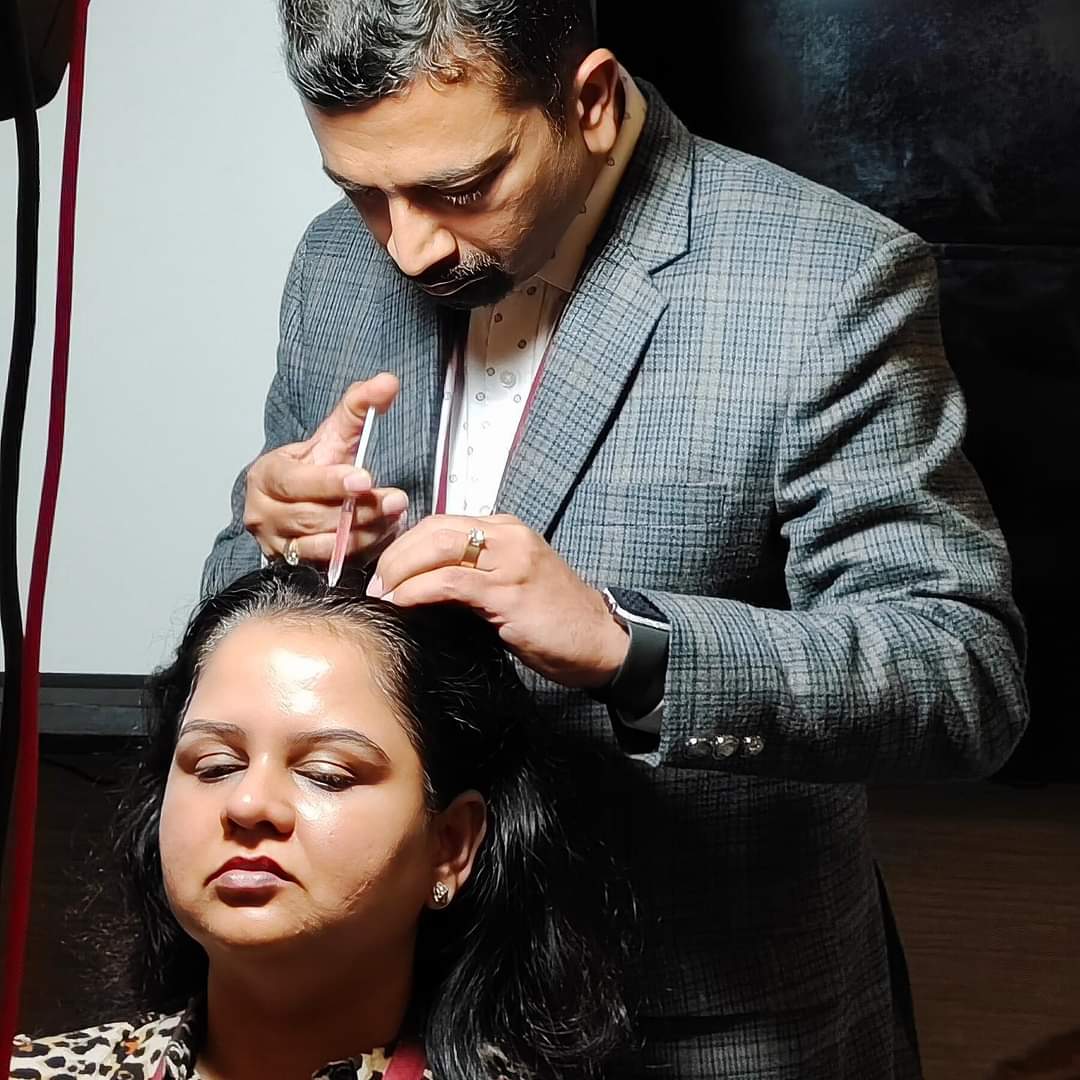
As part of the observational framework, participants underwent localized scalp application of a proprietary formulation, QR678, under standardized clinical conditions. The study did not include systemic interventions, pharmacological comparators, or placebo-controlled arms. All observations were recorded descriptively and within the limits of the study design.
Clinical assessment focused on distinguishing observable hair shedding patterns rather than diagnosing disease-specific hair loss conditions. Particular attention was given to differentiating hair shedding vs hair fall in a descriptive sense, acknowledging that post-COVID hair concerns are frequently associated with telogen-phase predominance rather than follicular miniaturization.

Observations were interpreted within the context of hair cycle phases, recognizing that systemic stressors may influence synchronized follicular transitions. The study did not attempt to establish timelines for recovery or to predict long-term hair outcomes.
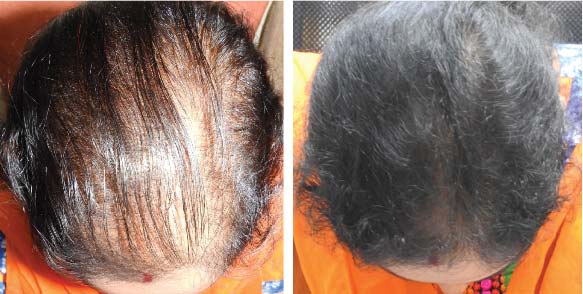
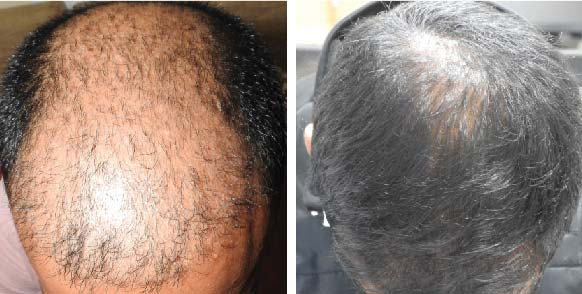
Scalp examination formed a key component of the study protocol. Parameters such as scalp appearance, sensitivity, and overall scalp environment were documented during baseline and follow-up visits. These observations were recorded alongside qualitative assessment of hair density patterns and visible hair shaft distribution.

The study did not include biochemical analysis, trichoscopic quantification, or inflammatory marker assessment. All findings were limited to clinical examination and photographic documentation conducted under routine dermatological practice settings.
Tolerability was monitored throughout the observation period. Reported observations were limited to mild, transient scalp sensations consistent with localized application procedures. No systemic adverse events were recorded, and no increase in hair shedding was documented during the follow-up period within the defined scope of observation.

All safety-related observations were recorded descriptively and without inference beyond the study timeframe.
This study does not establish definitive relationships between COVID-19 infection and long-term hair outcomes. It does not address permanent hair loss, nor does it provide guidance related to hair care routine or scalp care routine practices. As with all observational studies, limitations include sample size, duration of follow-up, and the absence of control groups.

Within these constraints, the research contributes to the growing body of clinical documentation surrounding post-COVID hair shedding patterns. The observations provide contextual insight into hair cycle behavior following systemic stress and support further investigation through structured clinical research.

QR678® is marketed as a cosmetic formulation in many countries and does not claim to diagnose, treat, cure, prevent, restore, or regrow hair. The research papers and clinical articles referenced on this website are peer-reviewed scientific publications authored by qualified medical professionals and represent the observations and conclusions of the respective authors, based on their individual clinical research. 


These clinical references are provided for informational and educational purposes and should not be interpreted as promotional claims or outcome guarantees by or QR678®. Consumers are advised to consult a qualified healthcare professional for medical interpretation or hair- or scalp-related concerns.

Request the Research Paper