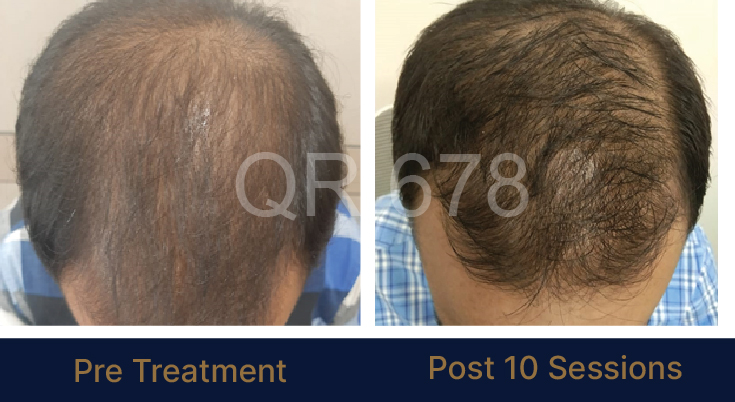
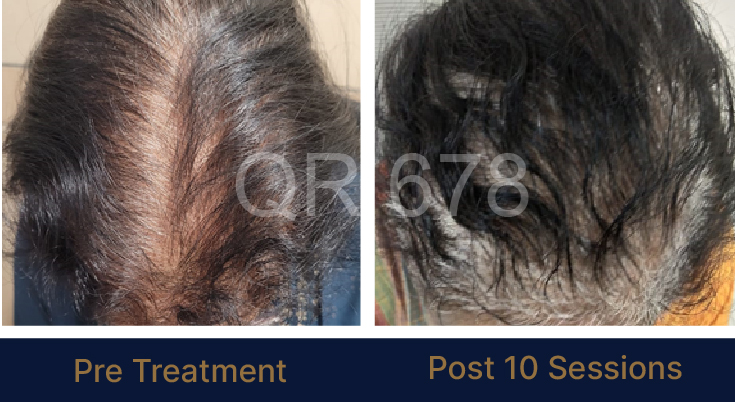
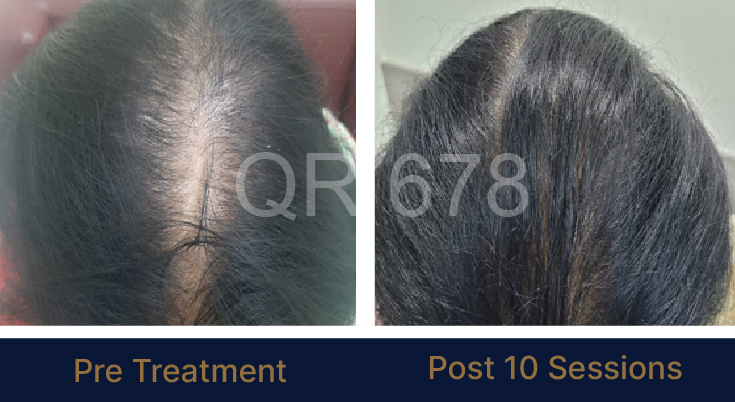
FUE Hair Transplant Treatment

Published in

Evaluation of the efficacy of a biomimetic peptide solution for rejuvenation of donor scalp and as storage media for hair follicle grafts during FUE hair transplantation

Hair transplantation procedures, particularly follicular unit extraction (FUE), involve multiple stages during which follicular grafts are exposed to mechanical manipulation and temporary extra-corporeal conditions. Preservation of follicular integrity during harvesting, handling, and interim storage is considered a critical factor influencing procedural outcomes. Alongside graft handling, donor scalp condition plays an important role in surgical ease, tissue response, and post-procedural recovery.

This paper documents clinical observations related to donor scalp conditioning and follicular graft handling during FUE procedures performed in a hair transplant clinic setting. The focus remains on intraoperative documentation rather than assessment of transplant outcomes or long-term hair characteristics.

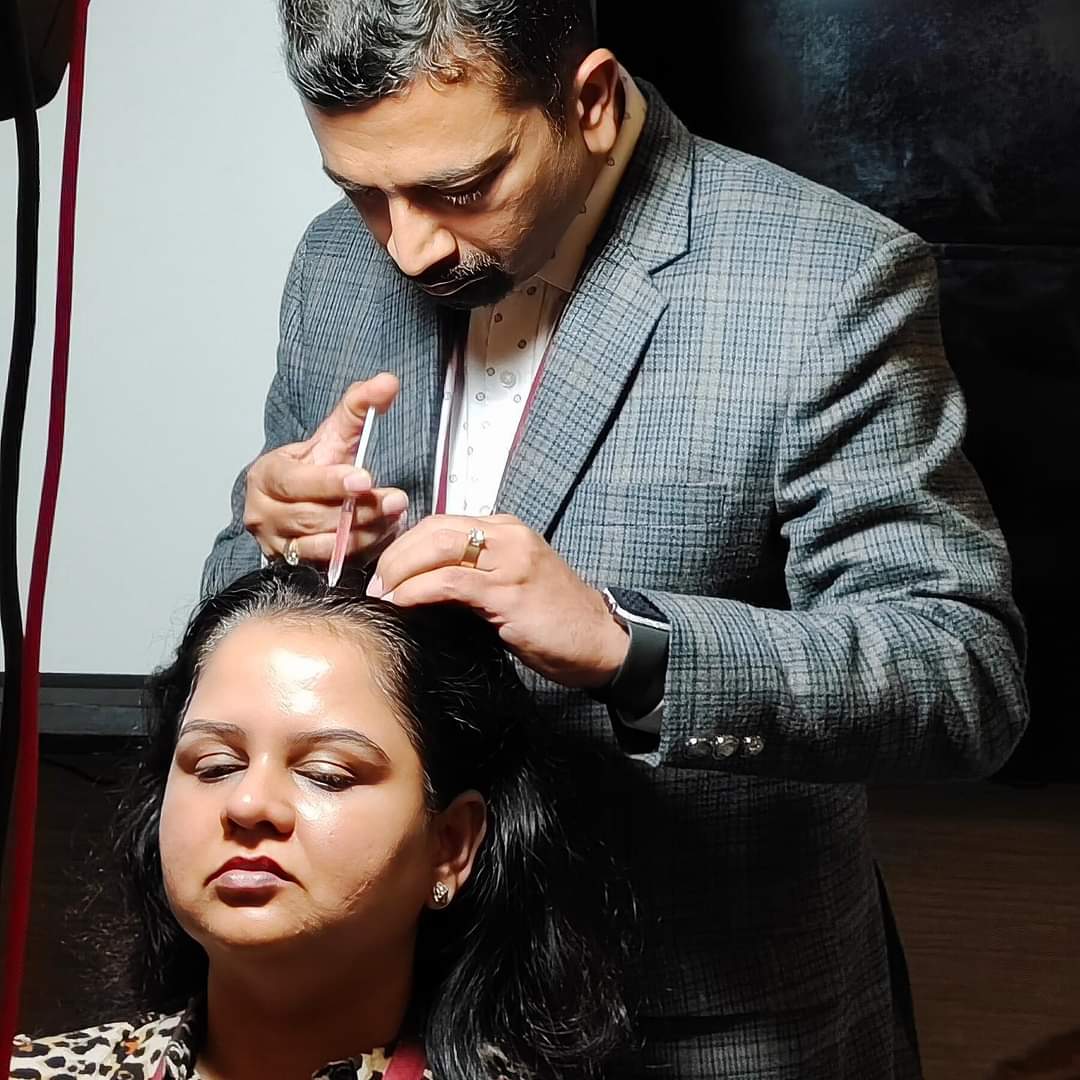
The investigation was conducted as a clinical observational study involving patients undergoing FUE hair replacement surgery. Participants were selected based on standard surgical eligibility criteria, and procedures were performed by experienced clinicians following routine surgical protocols.

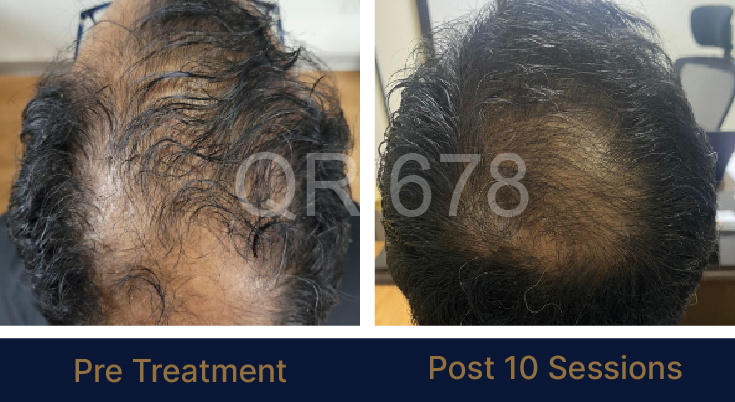
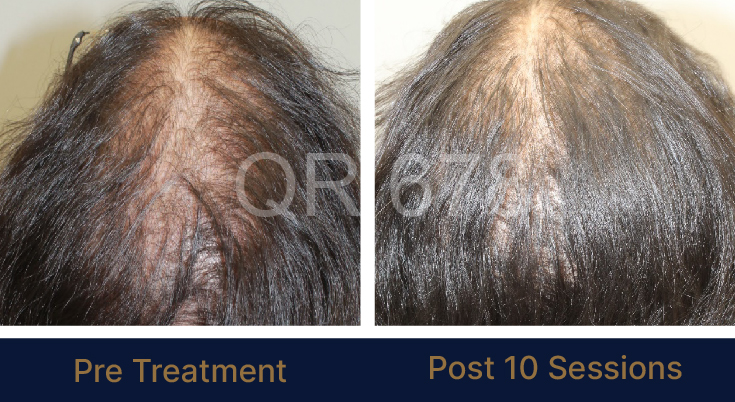
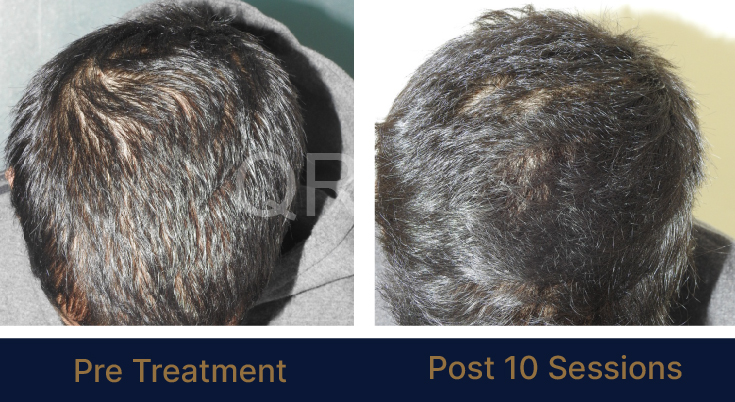
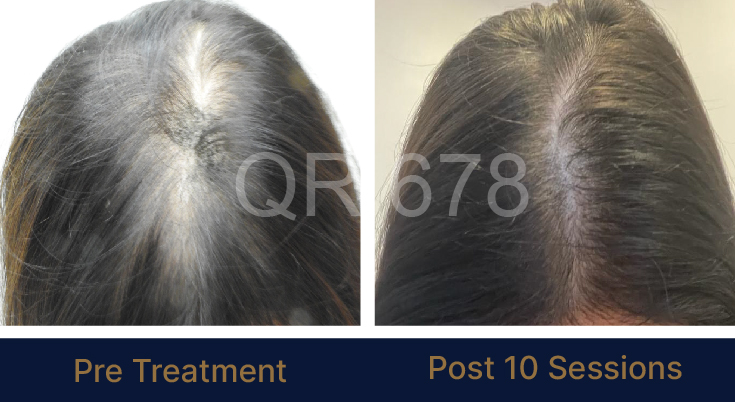
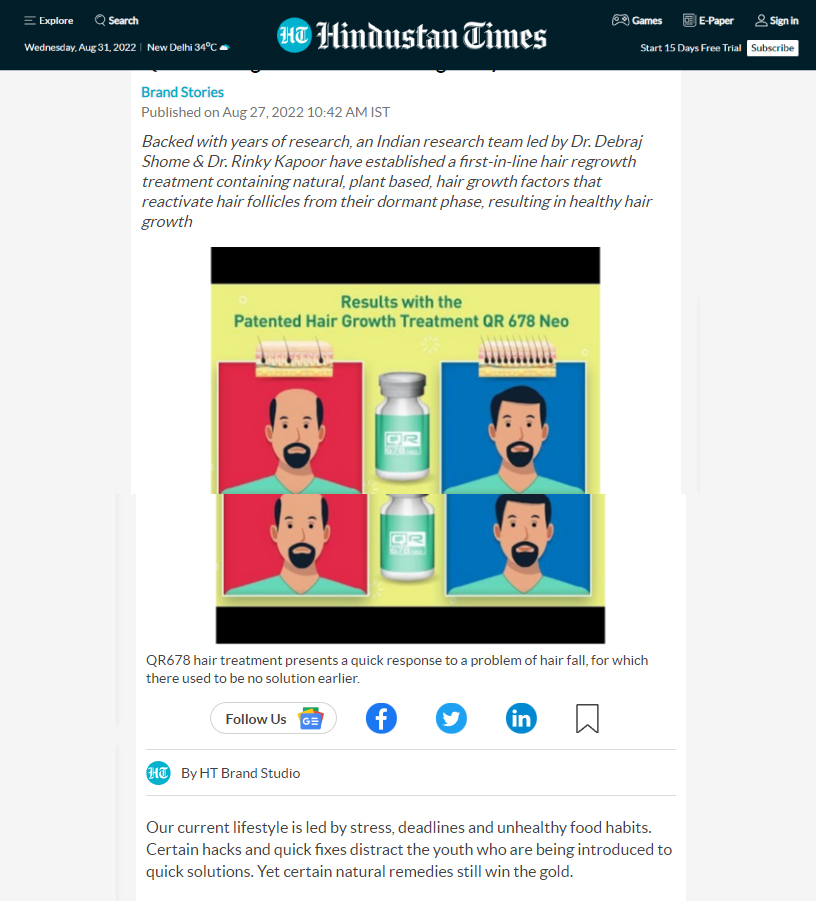
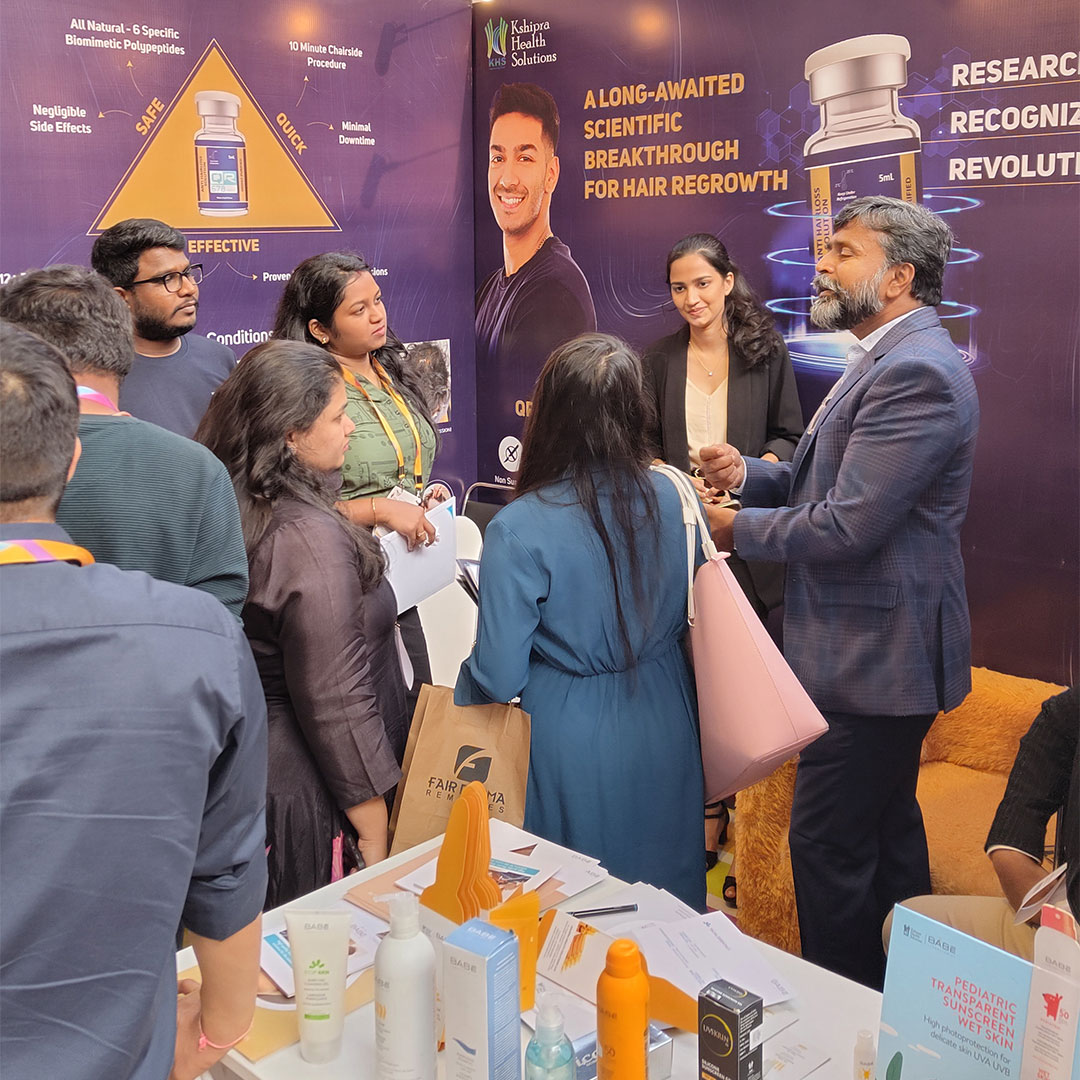
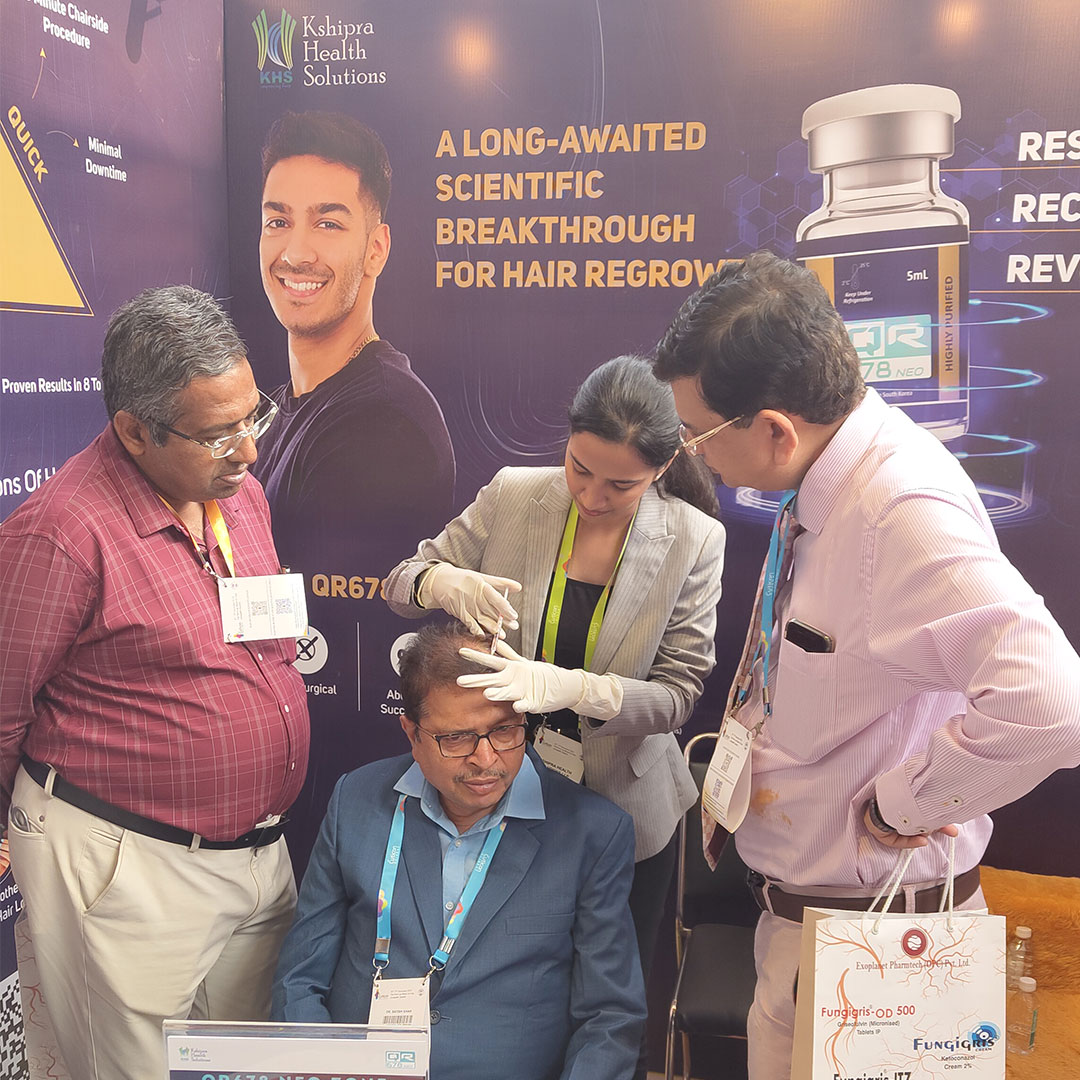
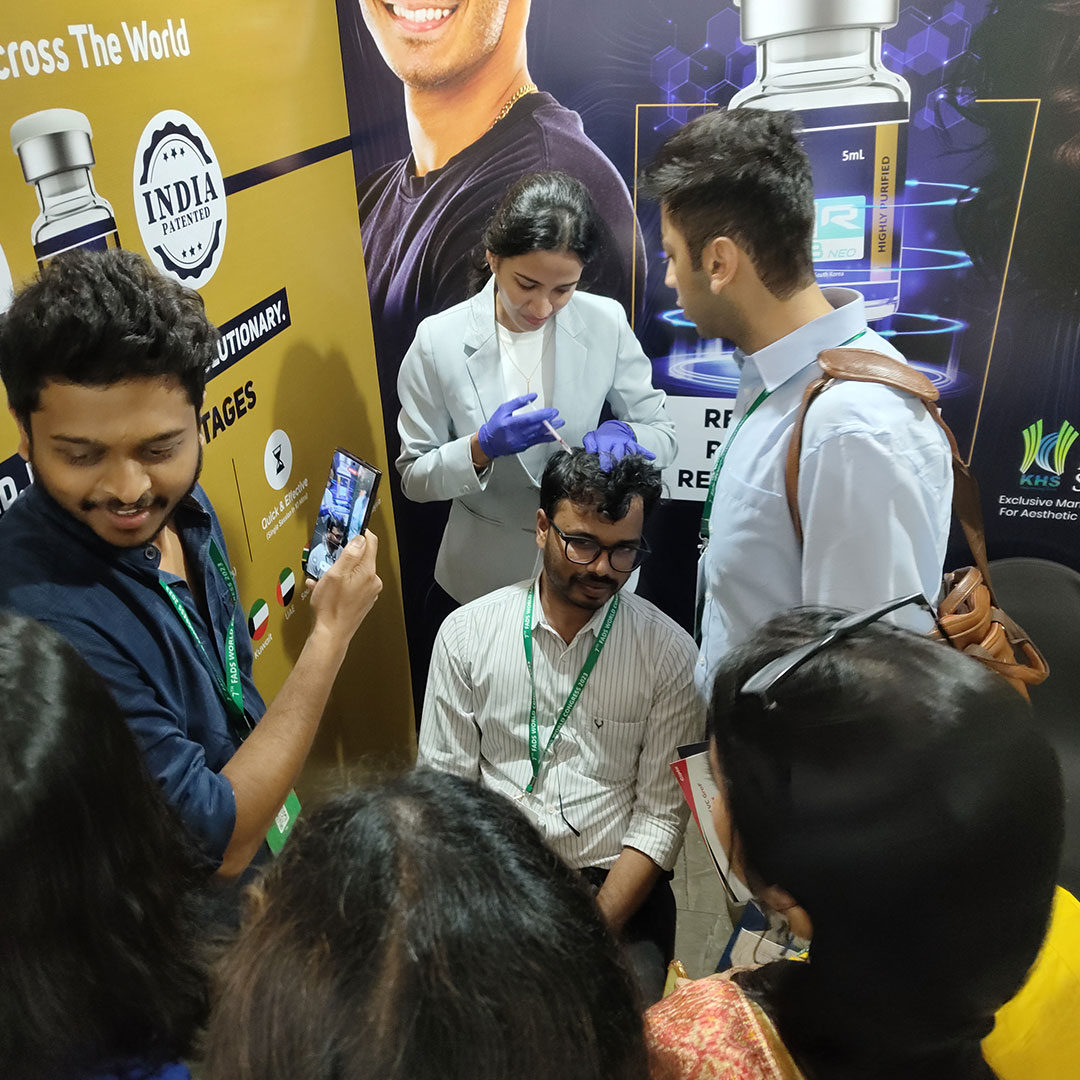
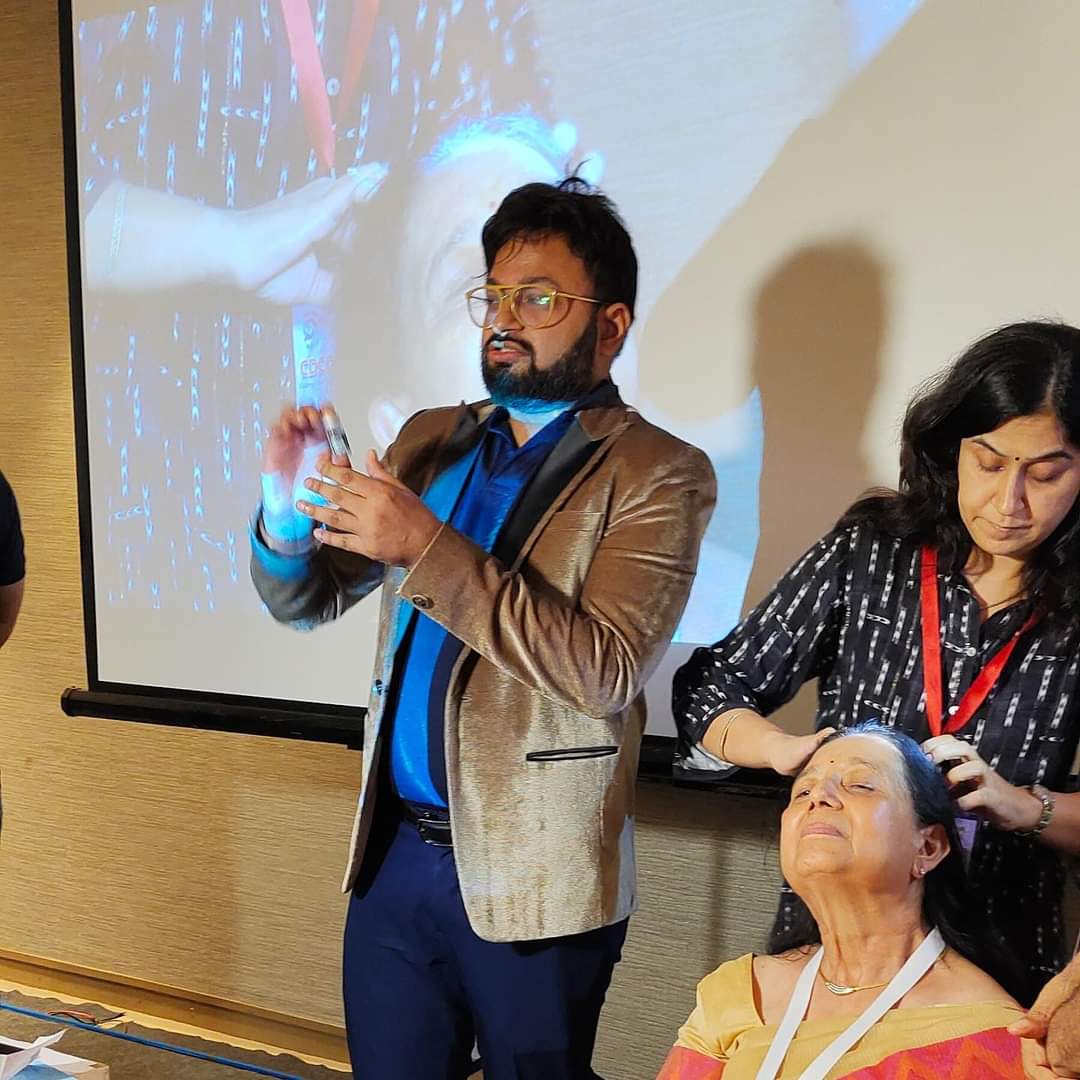
As part of the procedural workflow, a biomimetic peptide-based solution—QR678 was used during donor scalp preparation and as a temporary storage medium for harvested follicular grafts prior to implantation. The study did not involve randomization, comparator storage media, or controlled allocation. Observations were recorded intraoperatively by clinicians involved in the surgical process.

Clinical evaluation of the donor scalp was performed during the preparatory and harvesting phases of the FUE procedure. Observations focused on:

  • Visual appearance of the donor scalp
  • Tissue response during follicular extraction
  • Ease of graft harvesting
  • Overall scalp condition as perceived intraoperatively

These parameters were documented descriptively and were not quantified using scoring systems or comparative benchmarks. The intent was to record procedural observations as encountered in routine hair transplant surgery.

Following extraction, follicular units were temporarily stored prior to implantation. Clinical observations during this phase included:

  • Visual assessment of follicular unit integrity
  • Hydration status of grafts during interim storage
  • Handling characteristics during placement preparation

The paper documents graft appearance and handling properties as observed during the procedural timeline. No assumptions were made regarding graft survival, implantation success, or post-transplant hair outcomes. In some procedural notes, the approach is compared conceptually to non surgical hair replacement practices, acknowledging the spectrum of anti-hair loss techniques.

Intraoperative documentation focused on practical considerations encountered during the surgical workflow. Observations were recorded in real time and reflect clinician experience during donor area management and graft preparation. The study includes procedural context relevant to both traditional FUE techniques and related hair transplant non surgical adjunctive practices.

The study does not propose mechanistic explanations or predictive correlations between intraoperative observations and long-term transplant performance. All findings are presented as procedural observations within the limited scope of the study design.

Safety observations were limited to intraoperative and immediate procedural responses. No unexpected local reactions or procedural complications attributable to donor scalp conditioning or graft storage were reported during the surgical sessions observed.

The study does not extend to post-operative monitoring, long-term donor site evaluation, or recipient site outcomes. Safety documentation remains confined to the procedural timeframe.

This study is subject to limitations inherent to observational procedural documentation, including absence of control groups, lack of quantitative outcome measures, and reliance on subjective intraoperative assessment by operating clinicians.

The paper does not evaluate hair transplant success rates, follicular survival, hair density outcomes, or cosmetic endpoints. Within these limitations, the study contributes procedural insights relevant to clinicians performing hair replacement surgery, particularly in relation to donor scalp

The research papers and clinical articles referenced on this website are peer-reviewed scientific publications authored by qualified medical professionals and represent the observations and conclusions of the respective authors, based on their individual clinical research. 

These clinical references are provided for informational and educational purposes and should not be interpreted as promotional claims or outcome guarantees by QR678®. Consumers are advised to consult a qualified healthcare professional for medical interpretation or hair- or scalp-related concerns.

Request the Research Paper

FOR MORE QUERIES

    I agree that my submitted data is being collected and stored.