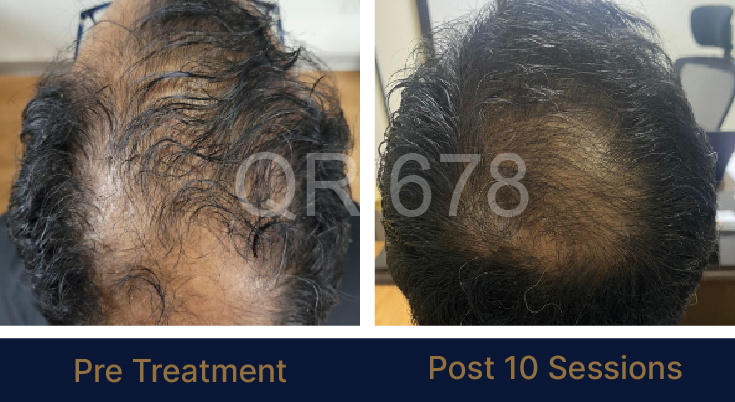
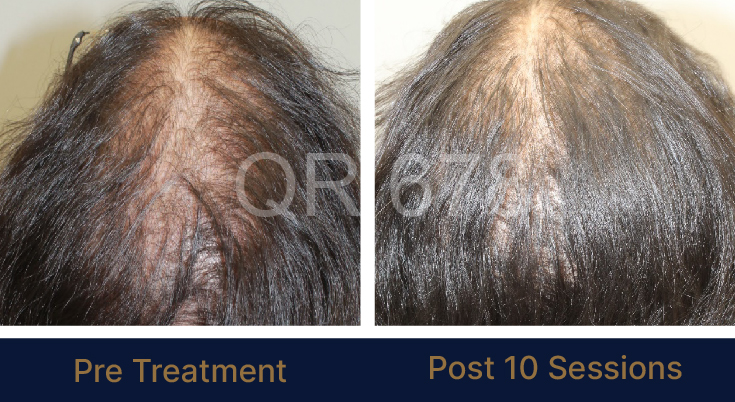
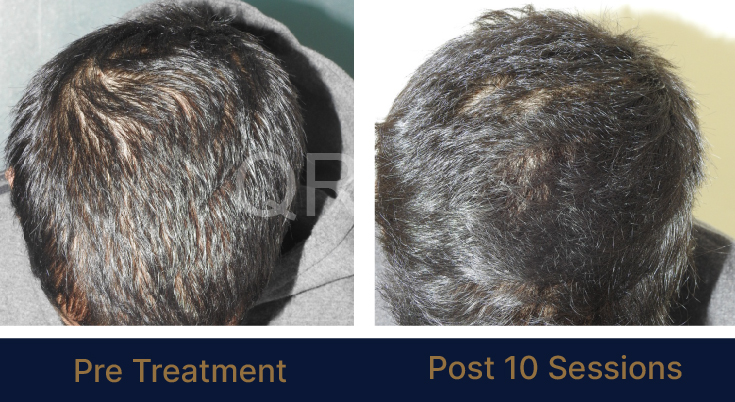
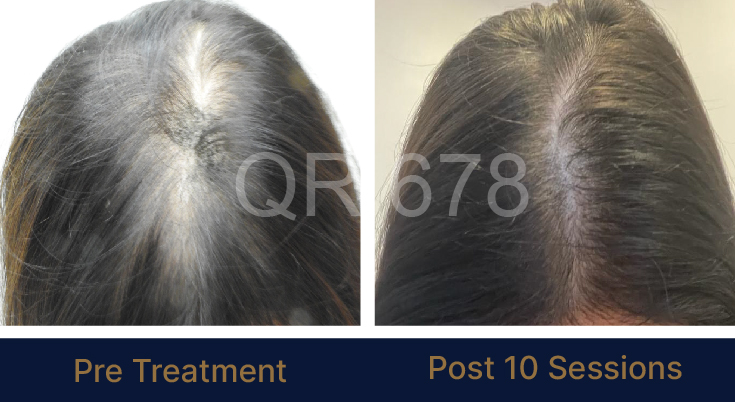
Hair Follicle Regeneration Mechanisms
Published in
Pathophysiological mechanisms of hair follicle regeneration and potential therapeutic strategies
- Background and Scientific Context
Hair follicle activity is governed by a complex interplay of cellular signaling pathways, follicular stem cell dynamics, and interactions within the scalp microenvironment. Alterations in these mechanisms can manifest clinically as changes in hair density, shaft thickness, and overall hair cycle balance. Understanding the biological processes underlying follicular activity is essential for interpreting clinical observations related to hair thinning and altered hair cycling.
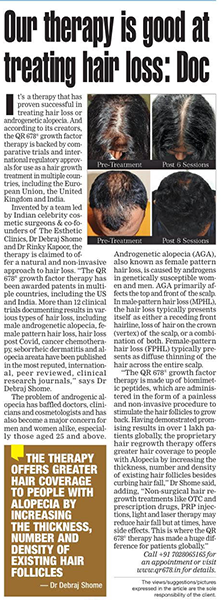
This paper examines established pathophysiological mechanisms involved in hair follicle function and reviews experimental and clinical evidence relevant to follicular behavior under physiological and disrupted conditions. The focus remains on biological processes rather than therapeutic intervention or outcome evaluation.
- Hair Follicle Structure and Cellular Organization
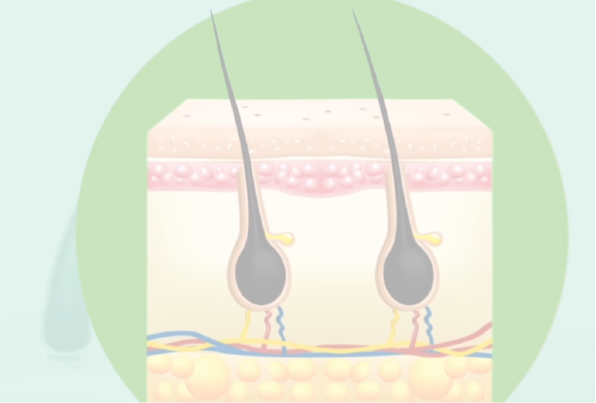
The hair follicle is a highly specialized mini-organ composed of epithelial and mesenchymal components that function in a coordinated manner to support cyclical hair production. Key structural elements include the dermal papilla, outer and inner root sheaths, and the bulge region, which houses follicular stem cells responsible for hair cycle re-entry.
The paper discusses how signaling exchange between dermal papilla cells and follicular epithelial cells regulates follicular size, hair shaft formation, and cycling behavior. Disruption in these interactions may alter follicular responsiveness and contribute to clinically observable hair thinning.
- Hair Cycle Phases and Regulatory Control
Normal hair biology follows a cyclical pattern consisting of anagen (growth), catagen (regression), and telogen (resting) phases. Transition between these phases is tightly regulated by molecular signaling pathways, growth mediators, and local environmental factors.

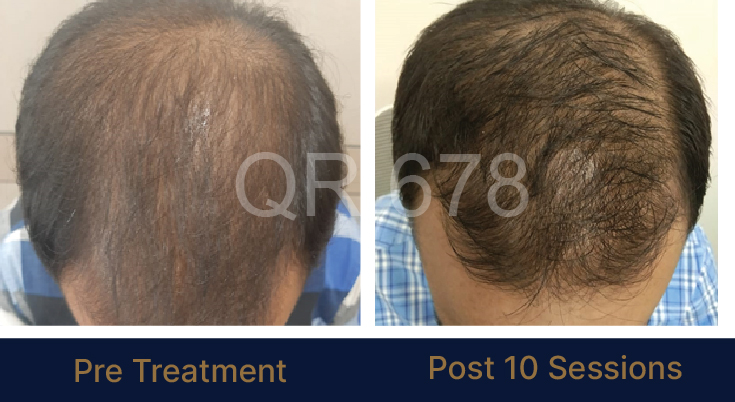
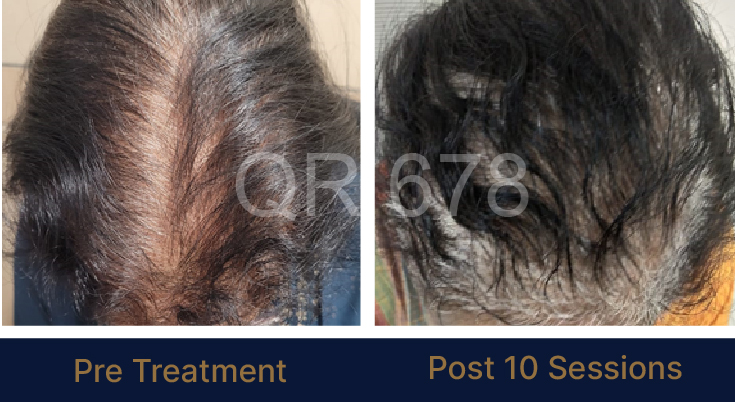
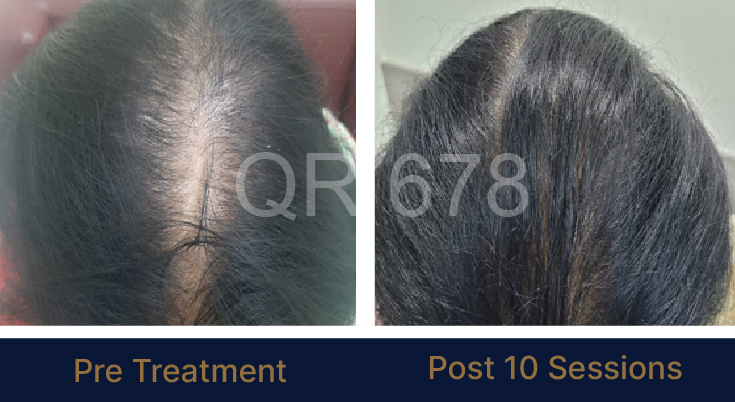
The review outlines how dysregulation at different stages of the hair cycle can lead to shortened growth phases or prolonged resting phases, resulting in reduced hair density over time. These alterations may occur without overt follicular damage, underscoring the importance of cycle regulation in maintaining visible hair coverage.
- Role of the Scalp Microenvironment
The scalp environment plays a critical role in supporting follicular activity. Factors such as vascular supply, extracellular matrix composition, inflammatory signaling, and oxidative stress can influence follicular behavior. The paper highlights how changes in the local scalp milieu may affect nutrient availability and cellular signaling within the follicle.
Chronic alterations in the scalp microenvironment may contribute to gradual changes in hair shaft characteristics and follicular performance, particularly in individuals with underlying genetic or hormonal susceptibility.
- Molecular Signaling and Follicular Sensitivity
Multiple intracellular signaling pathways are involved in regulating follicular activity, including those governing cell proliferation, differentiation, and apoptosis. The paper reviews evidence indicating that imbalance within these signaling networks may affect follicular cycling and structural integrity.
Rather than acting in isolation, these pathways function as interconnected networks, and subtle shifts in signaling balance may have cumulative effects on hair density and follicle size over time.
- Clinical Interpretation of Pathophysiological Findings
From a clinical standpoint, the mechanisms discussed provide a biological framework for interpreting patterns of hair thinning commonly observed in dermatology practice. Importantly, the paper does not attempt to translate mechanistic insights into clinical interventions or outcomes. Instead, it emphasizes the relevance of understanding follicular biology when evaluating hair and scalp changes in patients.
These insights may assist clinicians in contextualizing clinical findings within broader biological processes, particularly when assessing variability in presentation and progression among individuals.
- Scope, Limitations, and Research Relevance
From a clinical standpoint, the mechanisms discussed provide a biological framework for interpreting patterns of hair thinning commonly observed in dermatology practice. Importantly, the paper does not attempt to translate mechanistic insights into clinical interventions or outcomes. Instead, it emphasizes the relevance of understanding follicular biology when evaluating hair and scalp changes in patients.
These insights may assist clinicians in contextualizing clinical findings within broader biological processes, particularly when assessing variability in presentation and progression among individuals.
- Disclaimer
QR678® is marketed as a cosmetic formulation in many countries and does not claim to diagnose, treat, cure, prevent, restore, or regrow hair. The research papers and clinical articles referenced on this website are peer-reviewed scientific publications authored by qualified medical professionals and represent the observations and conclusions of the respective authors, based on their individual clinical research.
These clinical references are provided for informational and educational purposes and should not be interpreted as promotional claims or outcome guarantees by or QR678®. Consumers are advised to consult a qualified healthcare professional for medical interpretation or hair- or scalp-related concerns.