Chemotherapy Induced Hair Loss
Published in
Evaluation of efficacy of QR678® anti-hair loss formulation in the treatment of persistent chemotherapy-induced alopecia caused due to cytotoxic chemotherapy - A prospective pilot study
- Background and Scientific Context
Chemotherapy-induced alopecia (CIA) is a common and distressing adverse effect observed in patients receiving cytotoxic chemotherapy. Hair loss associated with chemotherapy is typically non-scarring and results from the impact of cytotoxic agents on rapidly proliferating hair matrix cells, leading to disruption of normal hair cycle phases. In clinical practice, CIA is documented not only for its physical manifestation but also for its broader impact on patient quality of life.

From a dermatological perspective, evaluation of CIA involves structured assessment of hair shedding patterns, scalp condition, and changes observed over time as patients progress through chemotherapy cycles. This study documents hair and scalp parameters observed in patients experiencing CIA under clinical supervision.
- Study Design and Experimental Framework
- Hair and Scalp Assessment Methodology
Clinical assessments were performed at baseline and during scheduled follow-up visits. Evaluation methods included:
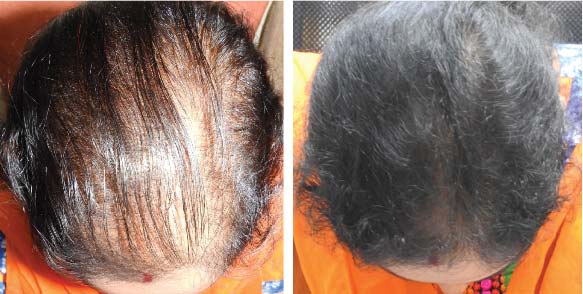
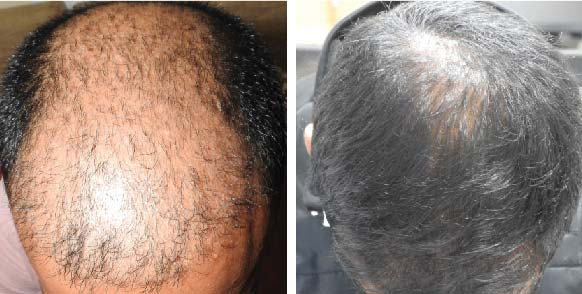
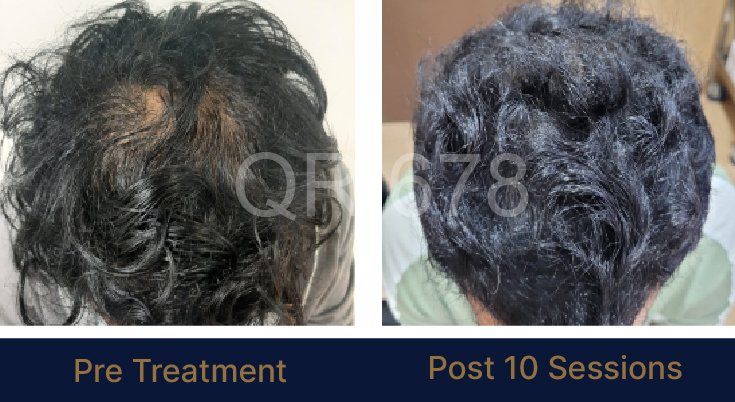
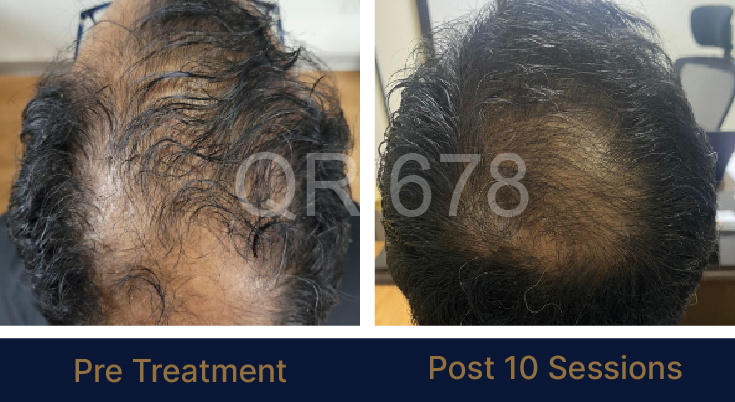
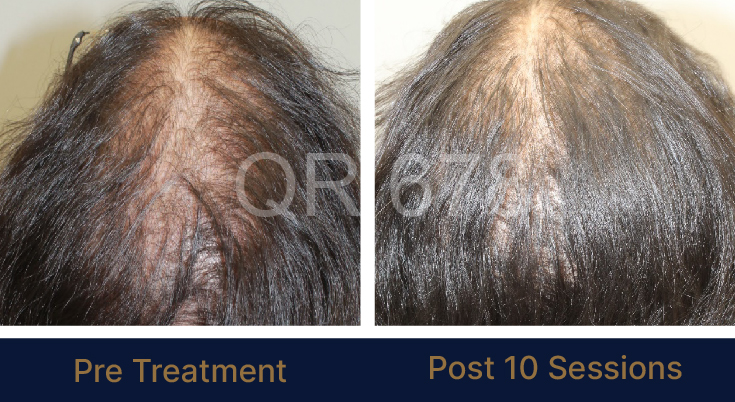
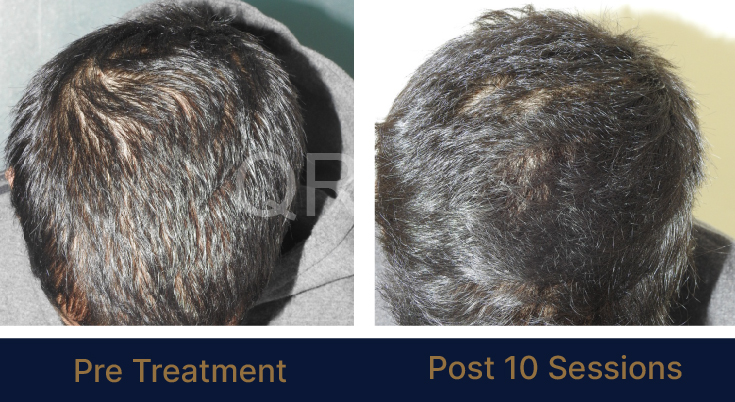
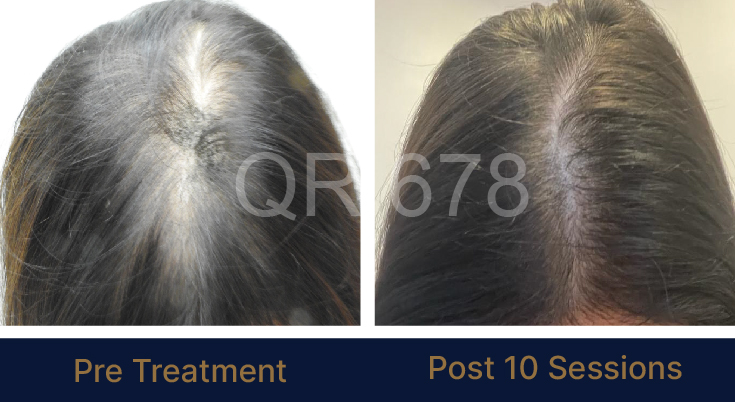
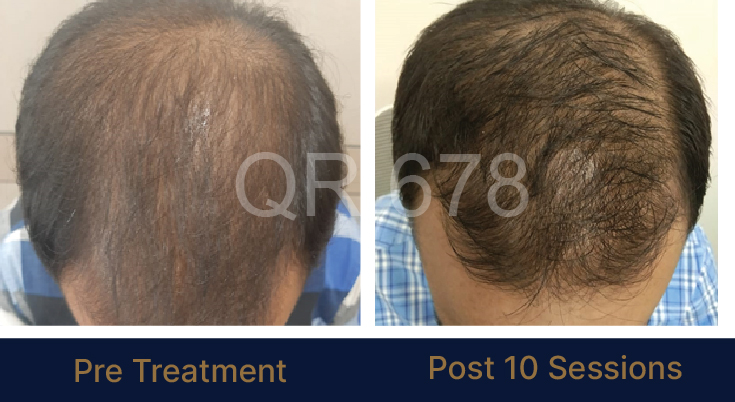
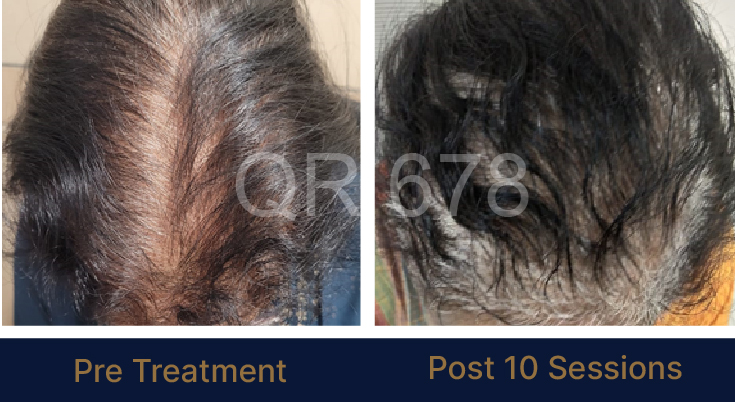
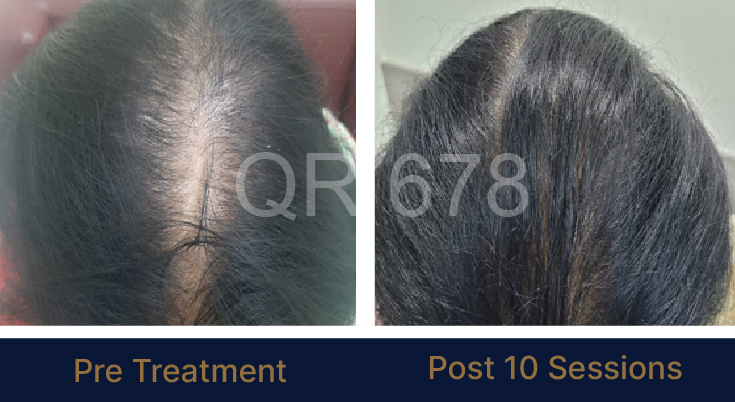
- Global photographic assessment to document visible hair density and coverage
- Hair count measurements within defined scalp areas
- Clinical scalp examination to assess overall scalp condition
These tools reflect standard dermatological approaches used to document hair changes in patients with treatment-related alopecia, including hair loss in women and men undergoing chemotherapy.
- Observational Parameters and Documentation
- Tolerability and Safety Observations
Tolerability was monitored throughout the study duration. Reported observations were primarily localized and transient, including mild procedural discomfort or temporary scalp sensitivity following intradermal application.
No systemic adverse events attributable to the scalp application protocol were documented during the observation period. Safety findings were recorded descriptively and within the scope of routine clinical monitoring in patients undergoing chemotherapy.
- Scope, Limitations, and Research Relevance
This study does not establish causal relationships, protective effects against chemotherapy-induced alopecia, or long-term hair outcomes. Limitations include the absence of control groups, lack of blinding, and the inherent variability associated with chemotherapy regimens and patient responses.
Within these constraints, the study contributes structured clinical documentation of hair and scalp parameters observed in patients with CIA. The findings serve as reference data for clinicians examining hair and scalp changes in the context of chemotherapy and may support the planning of future controlled studies.
- Disclaimer
The research papers and clinical articles referenced on this website are peer-reviewed scientific publications authored by qualified medical professionals and represent the observations and conclusions of the respective authors, based on their individual clinical research.
These clinical references are provided for informational and educational purposes and should not be interpreted as promotional claims or outcome guarantees by QR678®. Consumers are advised to consult a qualified healthcare professional for medical interpretation or hair- or scalp-related concerns.