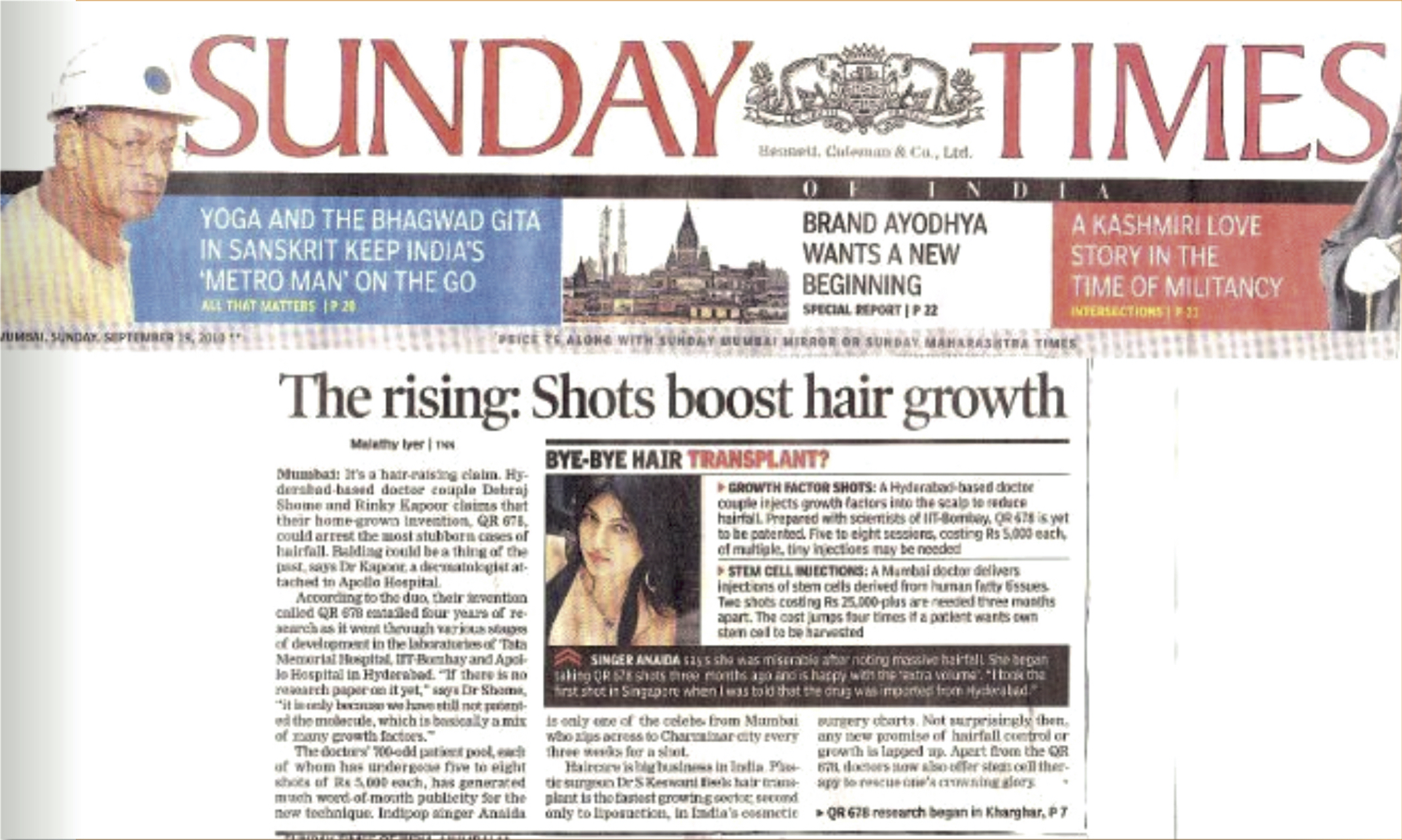
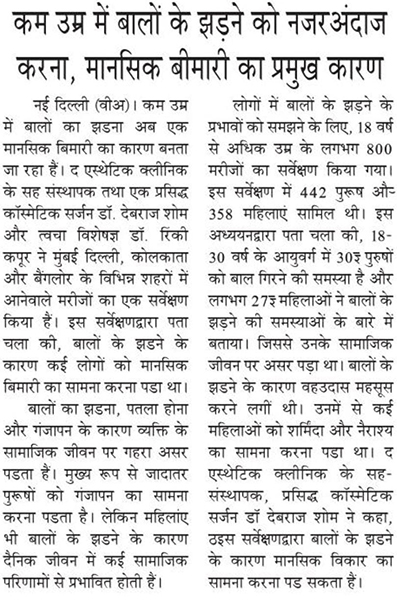
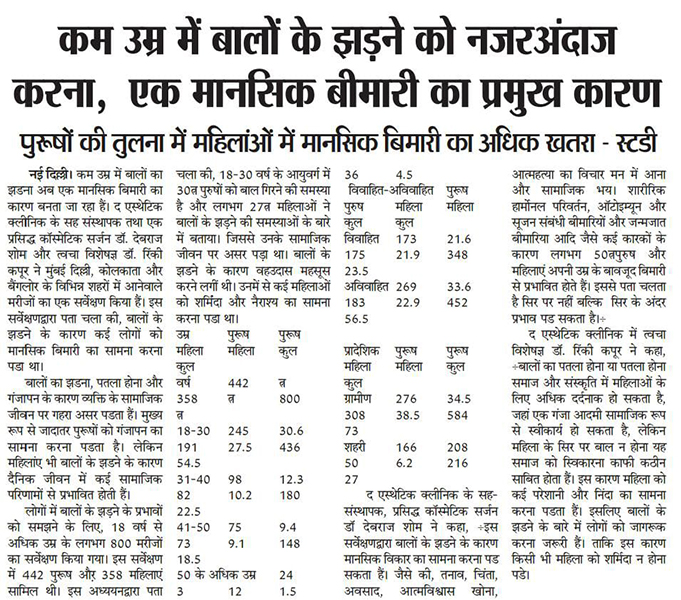
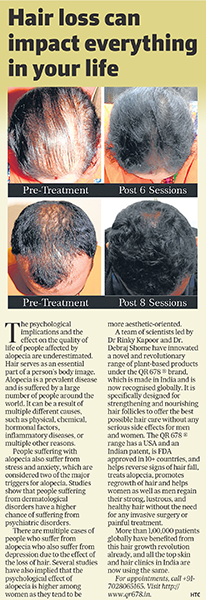
Combination Treatment
Published in
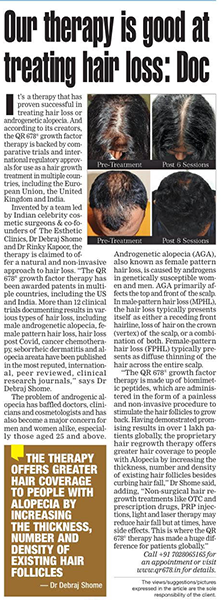
Comparison of QR678® as monotherapy and as combination formula with 5% Minoxidil solution and oral Finasteride in the clinical assessment of male androgenetic alopecia
- Background and Scientific Context
Androgenetic alopecia (AGA) is a commonly encountered form of patterned hair loss, characterized by progressive follicular miniaturization and alterations in hair cycle dynamics. In routine dermatology practice, topical minoxidil and oral finasteride are frequently used as part of long-term management strategies. Despite widespread use, clinical responses to these agents may vary, and a proportion of patients continue to experience ongoing hair thinning or hair shedding over time.
This has led clinicians to explore adjunctive approaches used alongside established therapies. Combination-based clinical evaluations provide an opportunity to document hair and scalp parameters when more than one modality is employed concurrently. This study documents clinical observations recorded in patients with androgenetic alopecia receiving QR678 alongside topical minoxidil, without attributing causality or therapeutic effect to either intervention.
- Study Design and Methodology
The study was conducted as a prospective clinical evaluation involving male and female patients diagnosed with androgenetic alopecia using standard clinical classification systems. Participants were enrolled based on predefined inclusion criteria and were already using topical minoxidil as part of their routine hair care regimen.
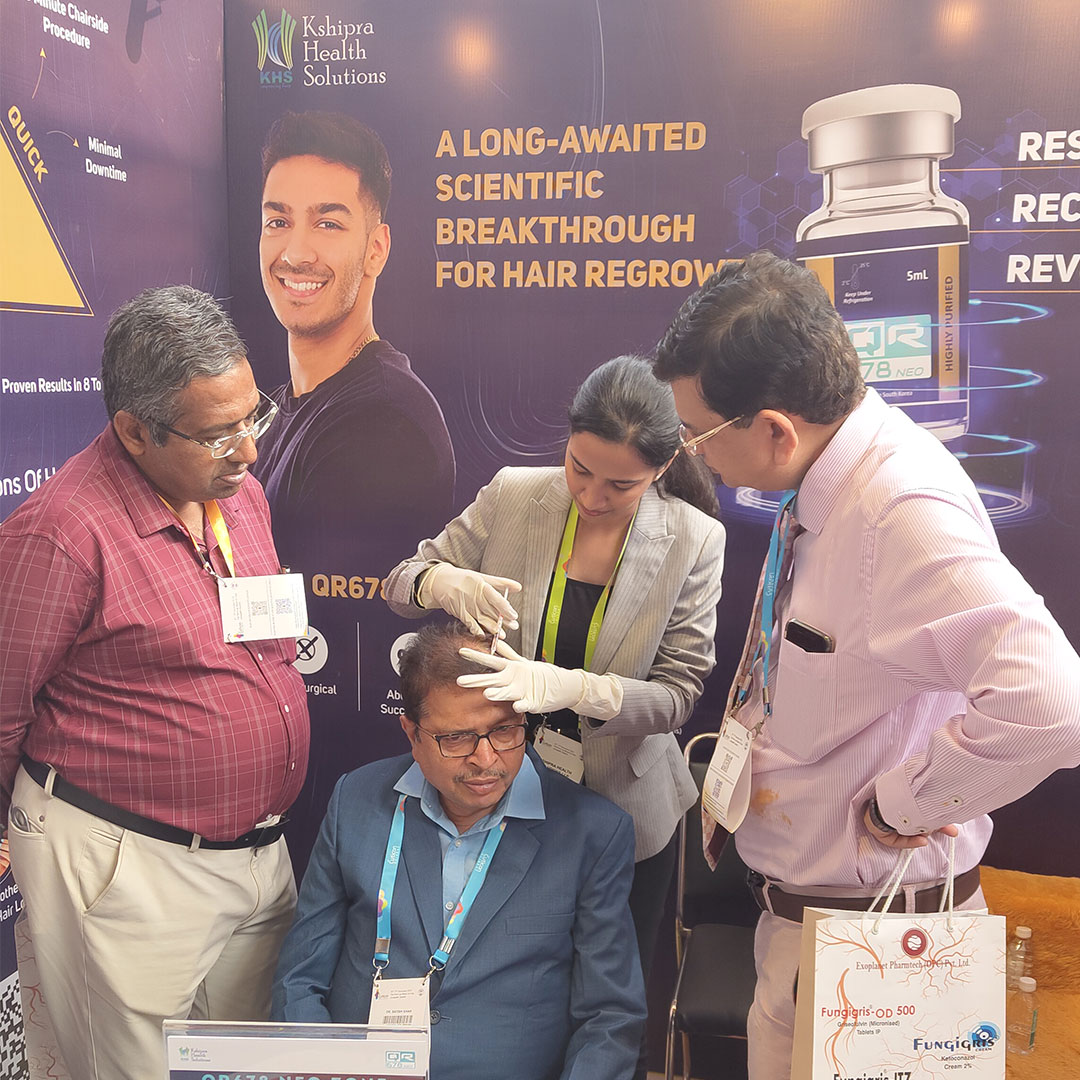
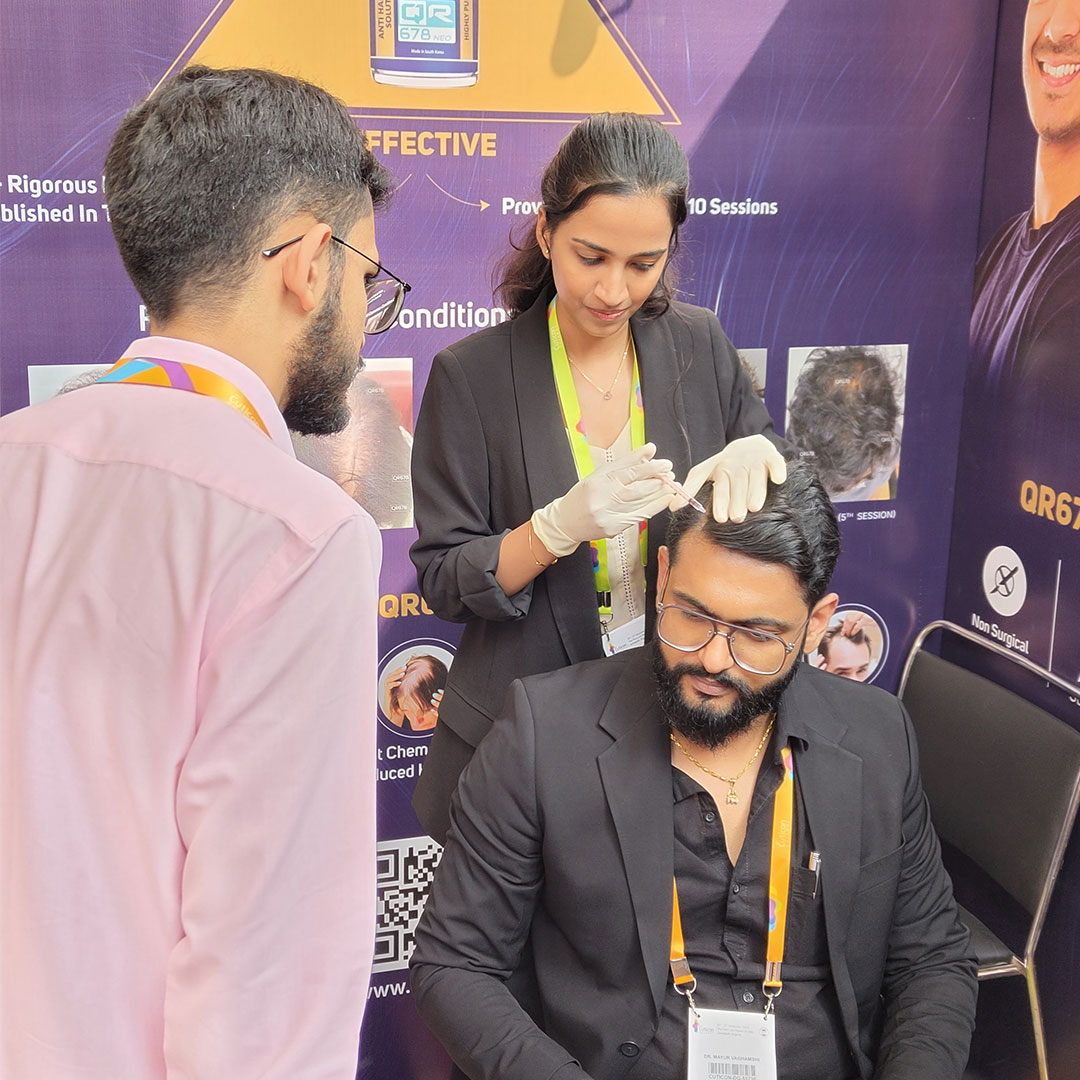
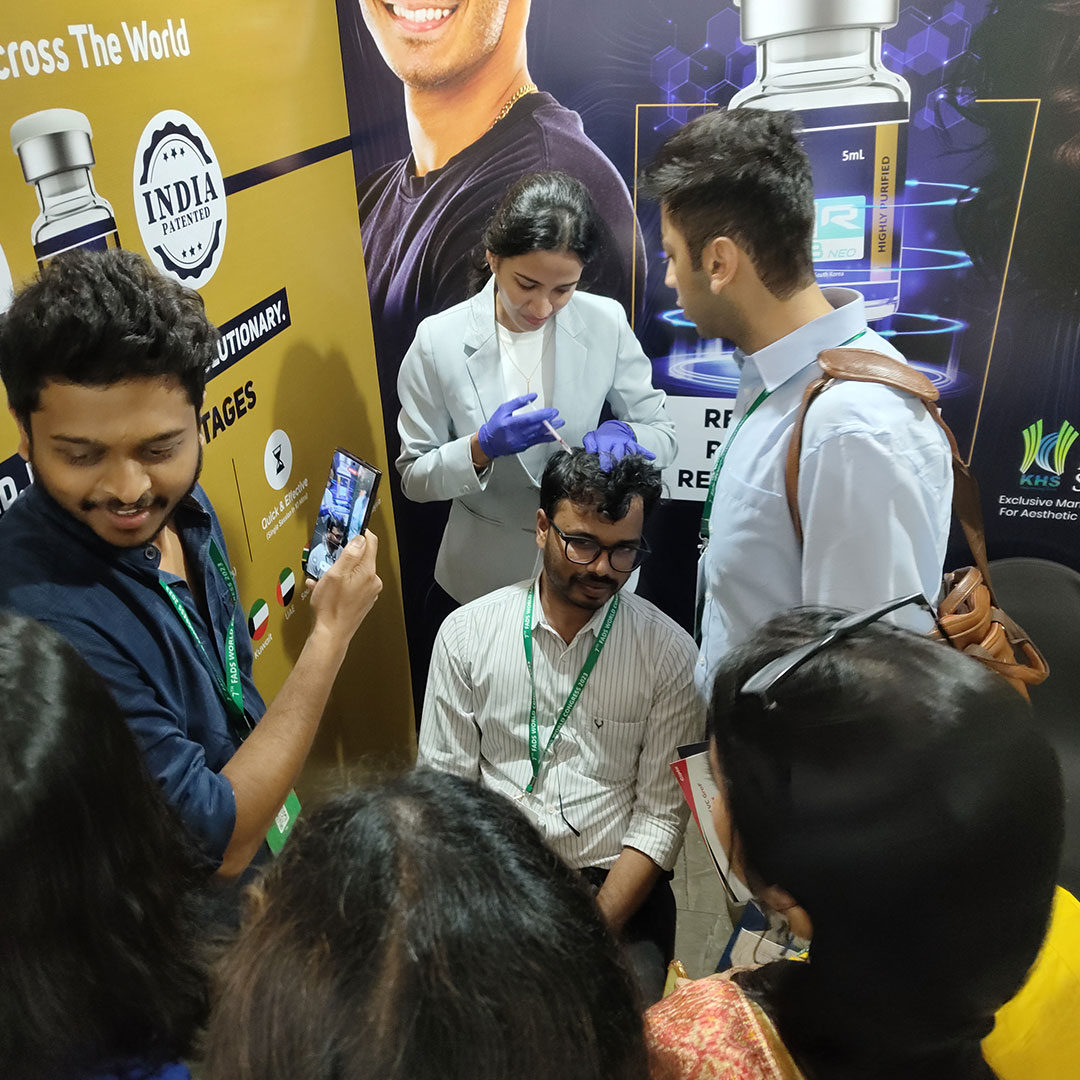
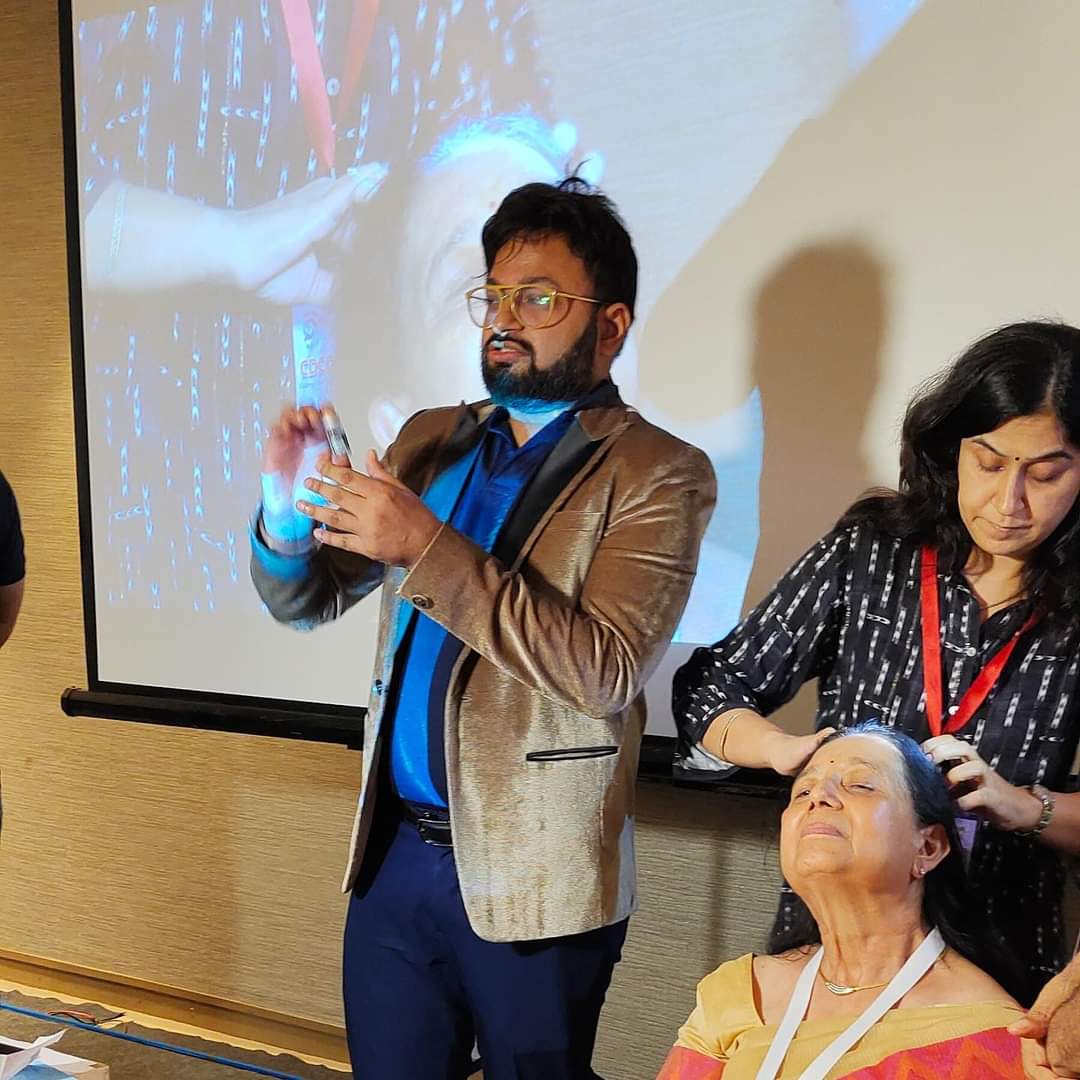
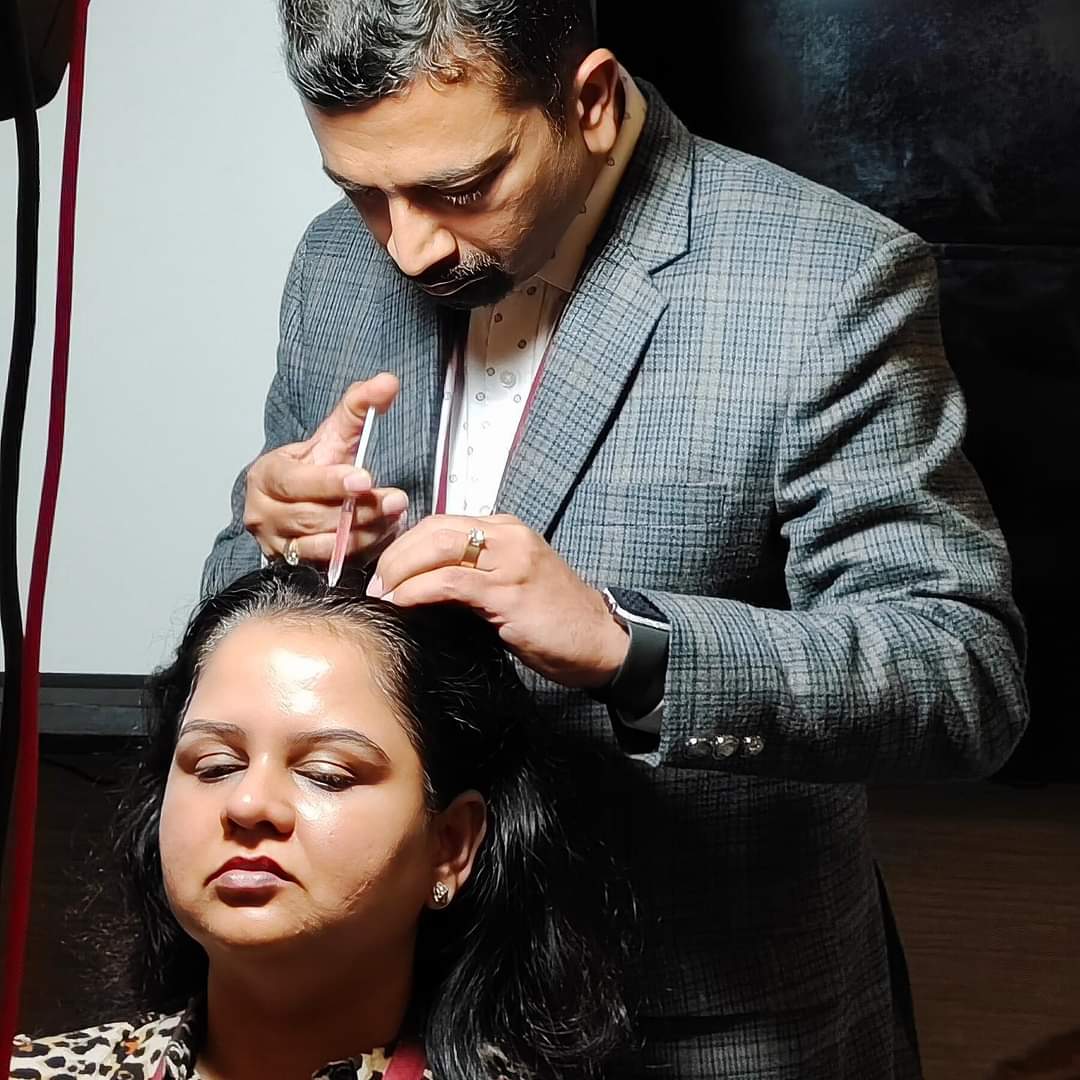
QR678 was administered via localized intradermal scalp application at predefined intervals under dermatological supervision. The study followed an open-label design and did not include randomization, placebo control, or comparator arms. Baseline assessments were performed prior to initiation of combination use, with subsequent evaluations conducted at regular intervals over the observation period.
The primary objective of the study was to document hair and scalp parameters observed during concurrent use of minoxidil and QR678 under routine clinical conditions, rather than to assess therapeutic efficacy or treatment outcomes.
- Assessment Parameters
Clinical documentation was performed using commonly employed dermatological assessment tools, including:
- Hair pull testing to record active hair shedding at the time of examination
- Videomicroscopic evaluation to document hair density, hair shaft characteristics, and follicular distribution
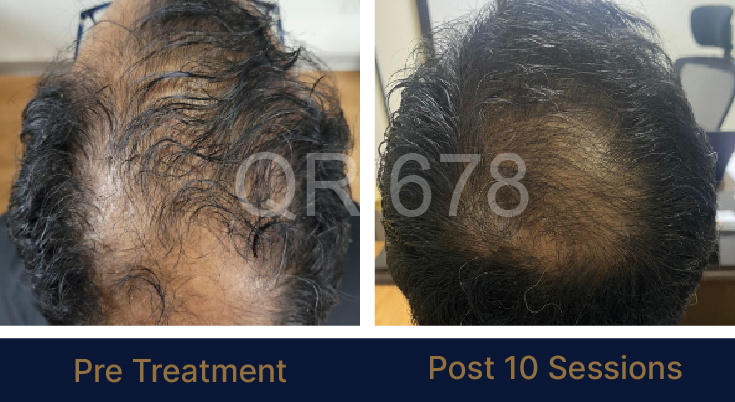
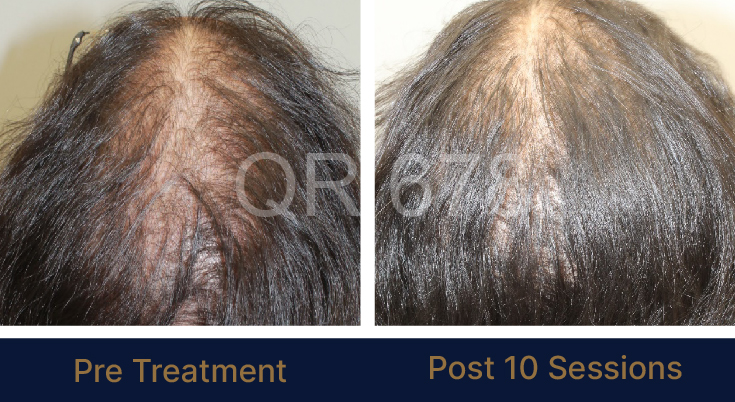
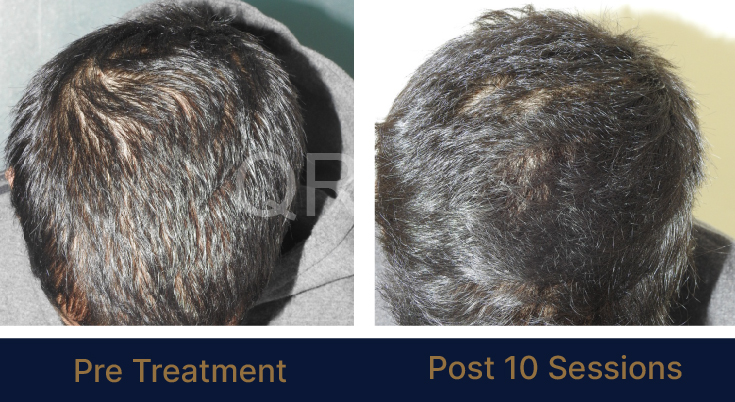
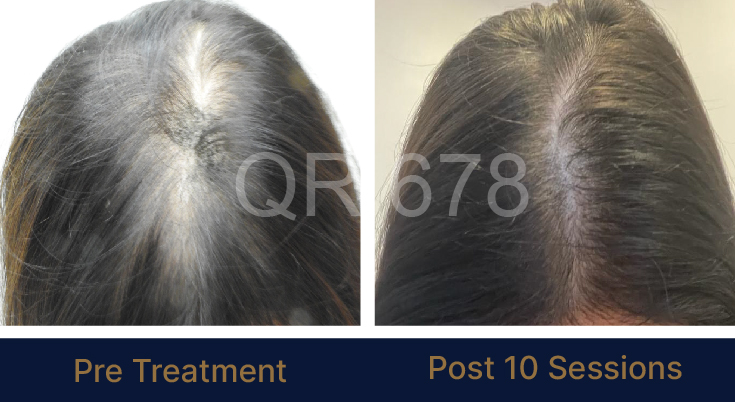
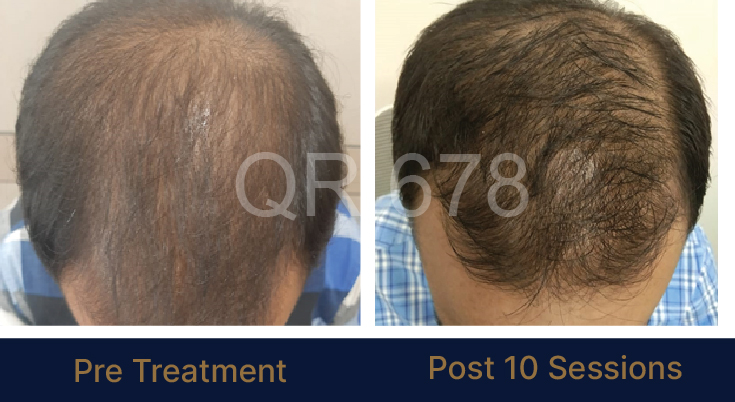
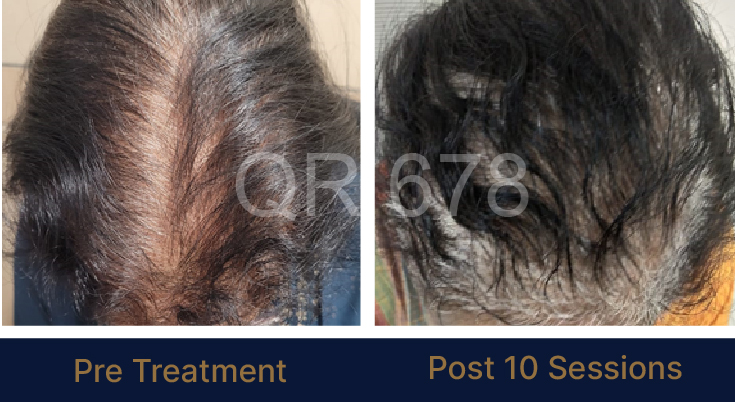
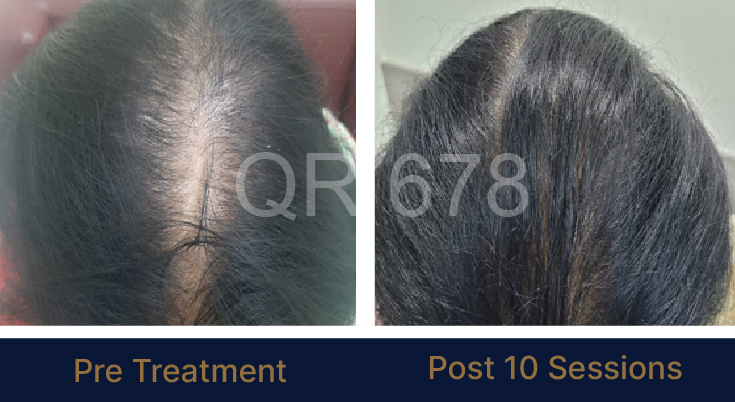
- Global photographic assessment to visually record scalp appearance across defined regions
- Patient-reported observations captured through structured clinical interactions
These parameters were used descriptively to support longitudinal documentation across study visits.
- Observational Findings
Across successive evaluations, clinicians recorded changes noted in hair shedding patterns, hair density distribution, and hair shaft appearance. Observations were documented without assigning causality to any single component of the combination regimen.
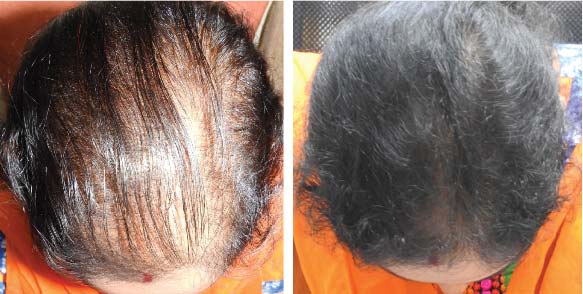
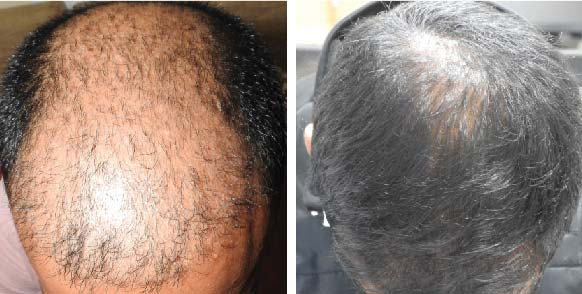
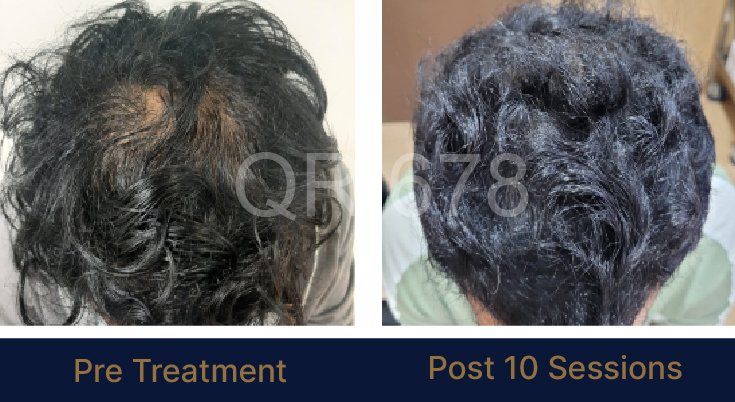
Videomicroscopic and photographic documentation provided visual records of hair and scalp parameters at different time points. These records were used for within-patient comparison over time and were interpreted within the known variability associated with hair cycle phases and individual biological differences.
Patient-reported observations reflected individual perceptions of hair appearance and shedding during the observation period. These reports were recorded descriptively and were not used to draw conclusions regarding effectiveness or comparative benefit.
- Safety and Tolerability Observations
Tolerability was monitored throughout the study duration. Reported observations were limited to mild and transient localized scalp sensations associated with intradermal application. No systemic adverse events were reported during the observation period.
Concurrent use of topical minoxidil did not result in additional tolerability concerns within the scope of clinical documentation. No participants discontinued the study due to safety-related reasons.
- Scope, Limitations, and Research Relevance
The research papers and clinical articles referenced on this website are peer-reviewed scientific publications authored by qualified medical professionals and represent the observations and conclusions of the respective authors, based on their individual clinical research.
These clinical references are provided for informational and educational purposes and should not be interpreted as promotional claims or outcome guarantees by QR678®. Consumers are advised to consult a qualified healthcare professional for medical interpretation or hair- or scalp-related concerns.
- Disclaimer
QR678® is marketed as a cosmetic formulation in many countries and does not claim to diagnose, treat, cure, prevent, restore, or regrow hair. The research papers and clinical articles referenced on this website are peer-reviewed scientific publications authored by qualified medical professionals and represent the observations and conclusions of the respective authors, based on their individual clinical research.
These clinical references are provided for informational and educational purposes and should not be interpreted as promotional claims or outcome guarantees by or QR678®. Consumers are advised to consult a qualified healthcare professional for medical interpretation or hair- or scalp-related concerns.