Seborrheic Dermatitis

Published in

A newer approach in the treatment of seborrheic dermatitis with QR678® — A prospective pilot study

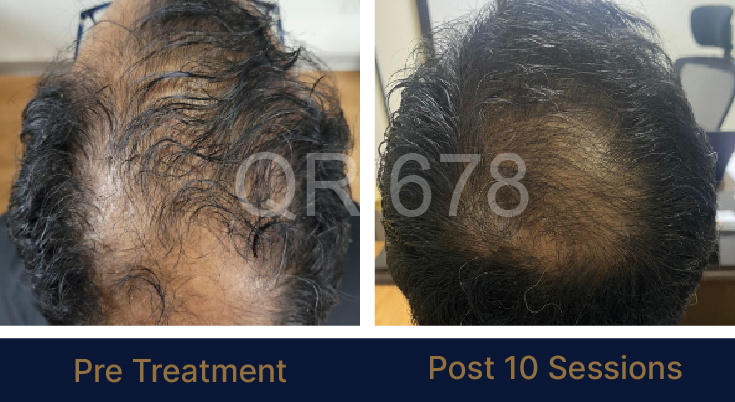
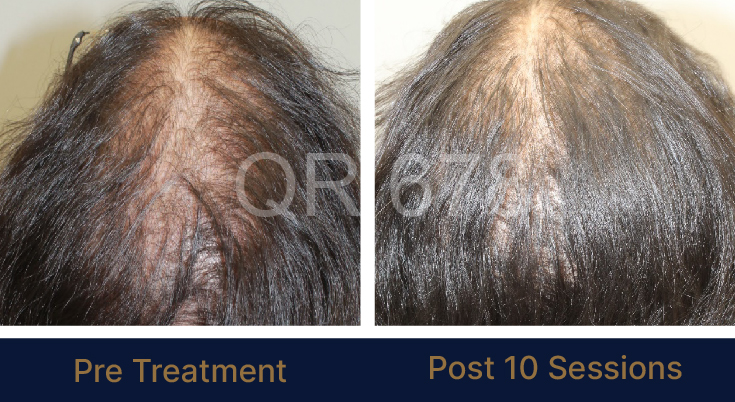
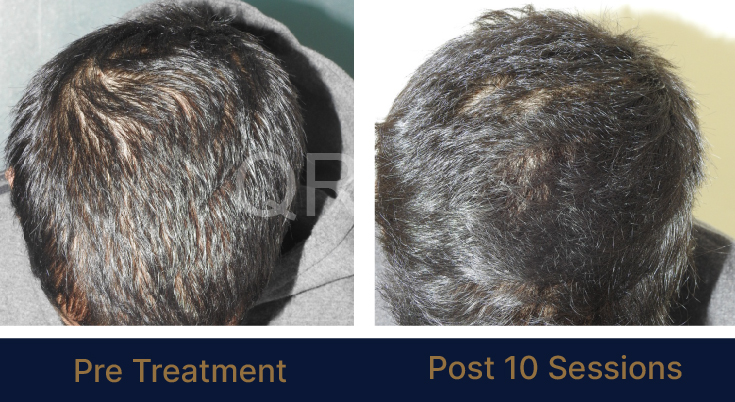
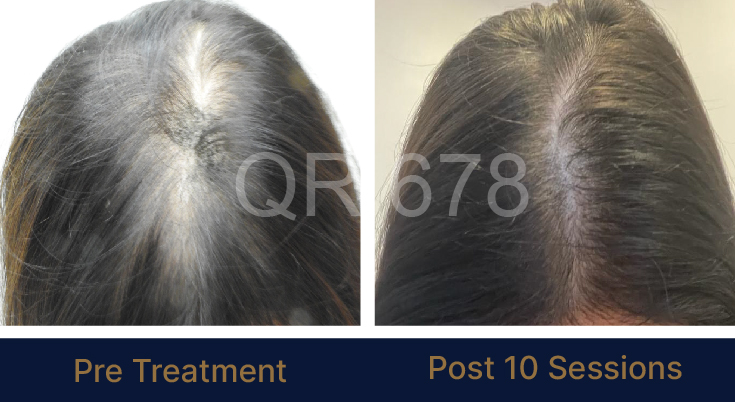
This clinical observational study was undertaken to systematically examine scalp and hair-bearing skin characteristics in individuals with seborrheic dermatitis–associated hair loss over a defined observation period following localized application of the proprietary formulation QR678. The primary focus of the study was to document visible scalp features, hair distribution patterns, and localized tissue responses as observed during routine clinical follow-up, without positioning the evaluation as a therapeutic or disease-modifying investigation.

The study followed a prospective, non-comparative observational design conducted under supervised outpatient clinical conditions. Participants were enrolled based on predefined clinical criteria, including a diagnosis of seborrheic dermatitis with scalp involvement. The investigation did not include randomization, blinding, pharmacological comparators, or systemic intervention and was structured to generate descriptive clinical data rather than efficacy outcomes.
The study concentrated on predefined scalp regions commonly affected by seborrheic dermatitis. Application and observation protocols were standardized to support consistent documentation across participants. Follow-up intervals were established prior to study initiation to enable structured monitoring of scalp condition and hair-bearing skin parameters over time.

Participants underwent baseline and follow-up evaluations conducted by qualified clinicians. Routine clinical care standards were maintained throughout the observation period, and no adjunctive medical therapies were introduced as part of the study protocol.
To maintain consistency and reduce inter-observer variability, clinical assessments followed uniform evaluation criteria across all visits. Scalp examinations were performed using a standardized sequence, and documentation methods remained consistent throughout the study duration. This approach ensured that observed findings reflected study-defined parameters rather than procedural variability.
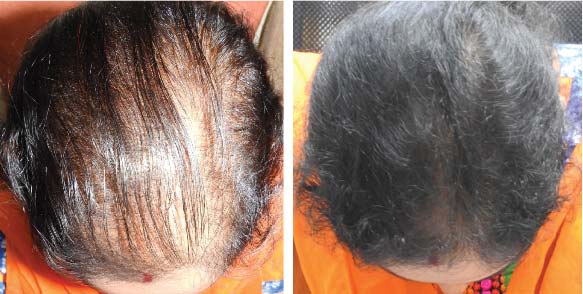
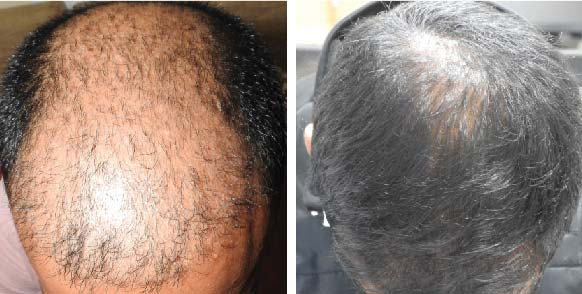
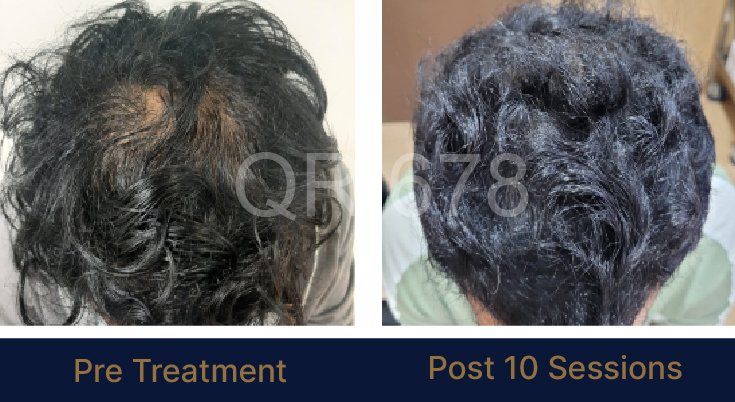
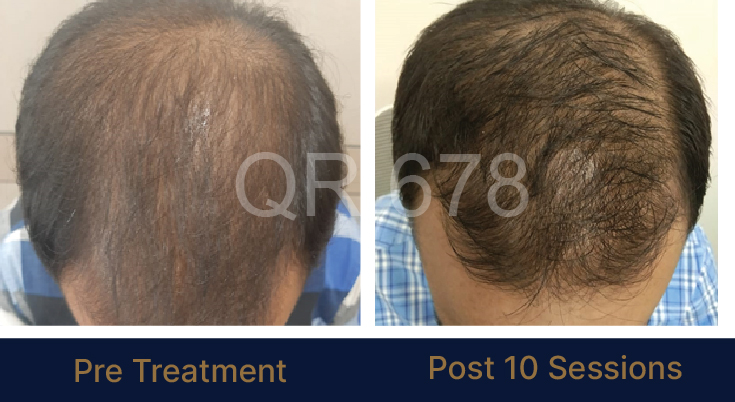
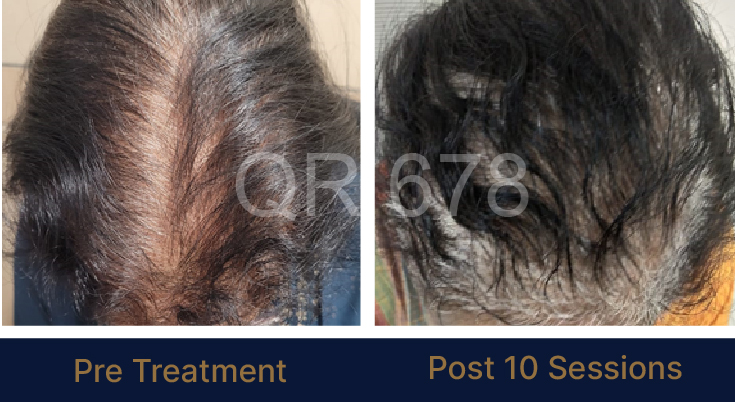
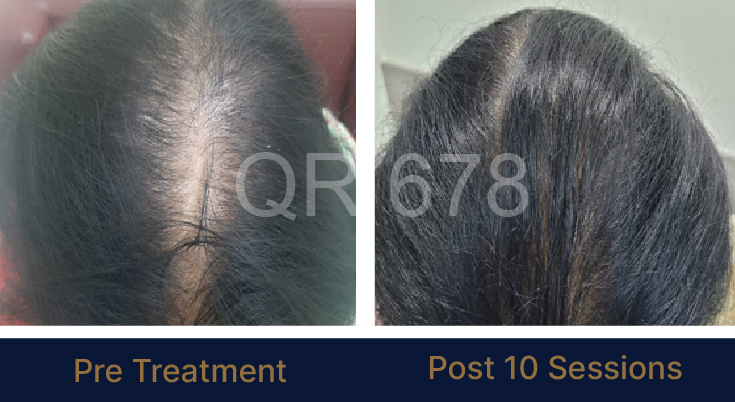
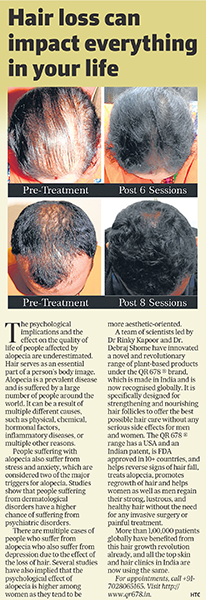
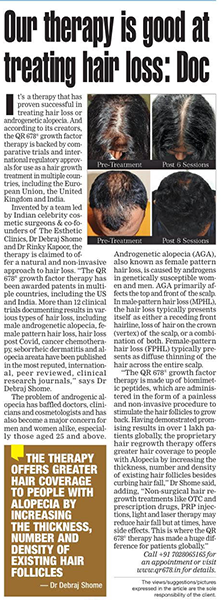
Clinical documentation formed the core dataset for this investigation. Baseline assessments included visual scalp examination and standardized scalp photography to capture initial scalp condition and hair distribution. Follow-up assessments were conducted using the same documentation framework to allow longitudinal observation.

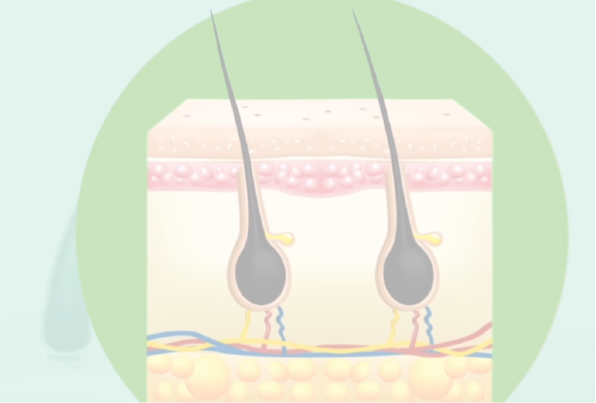
Clinician-recorded observations focused on visible scalp characteristics, including erythema, scaling, and overall hair-bearing skin appearance within observed regions. Documentation remained descriptive and was limited to direct clinical observation without attribution to mechanism or causality.
All observations were reviewed descriptively. The study did not define statistical endpoints, hypothesis testing, or comparative analyses. Variability related to individual scalp condition, baseline severity, and environmental factors was acknowledged as part of routine clinical observation.

The findings are limited to the defined study population and observation period and are not intended to support inference regarding clinical outcomes, disease management, or long-term effects.
This study contributes structured observational data related to scalp conditions characterized by inflammation and scaling, emphasizing clinical documentation within real-world practice settings. The reporting approach adheres to principles of responsible clinical research communication, with clear delineation of scope and limitations.

QR678® is marketed as a cosmetic formulation in many countries and does not claim to diagnose, treat, cure, prevent, restore, or regrow hair. The research papers and clinical articles referenced on this website are peer-reviewed scientific publications authored by qualified medical professionals and represent the observations and conclusions of the respective authors, based on their individual clinical research. 


These clinical references are provided for informational and educational purposes and should not be interpreted as promotional claims or outcome guarantees by or QR678®. Consumers are advised to consult a qualified healthcare professional for medical interpretation or hair- or scalp-related concerns.

Request the Research Paper

FOR MORE QUERIES

    I agree that my submitted data is being collected and stored.