QR678 in PCOS

Published in

Evaluation of efficacy of QR678®–anti-hair loss formulation for the treatment of female pattern alopecia in patients with PCOS - A prospective study

Hair thinning and altered hair density are commonly observed clinical concerns in hair loss in women, particularly among those diagnosed with polycystic ovary syndrome (PCOS). In dermatology practice, these presentations are evaluated in the context of endocrine variability, follicular sensitivity, and disruption of normal hair cycle phases. Documenting hair and scalp parameters in female hair thinning through structured clinical assessment provides insight into patterns observed under routine practice conditions.

This study presents clinical observations recorded in women with PCOS presenting with hair loss in women, with assessments conducted over multiple sessions using standardized dermatological evaluation tools.
The study was conducted as a prospective clinical investigation involving women diagnosed with PCOS based on established diagnostic criteria. Participants presenting with patterned hair thinning, a frequent presentation of hair loss in women, were enrolled and followed over a defined treatment and observation period.

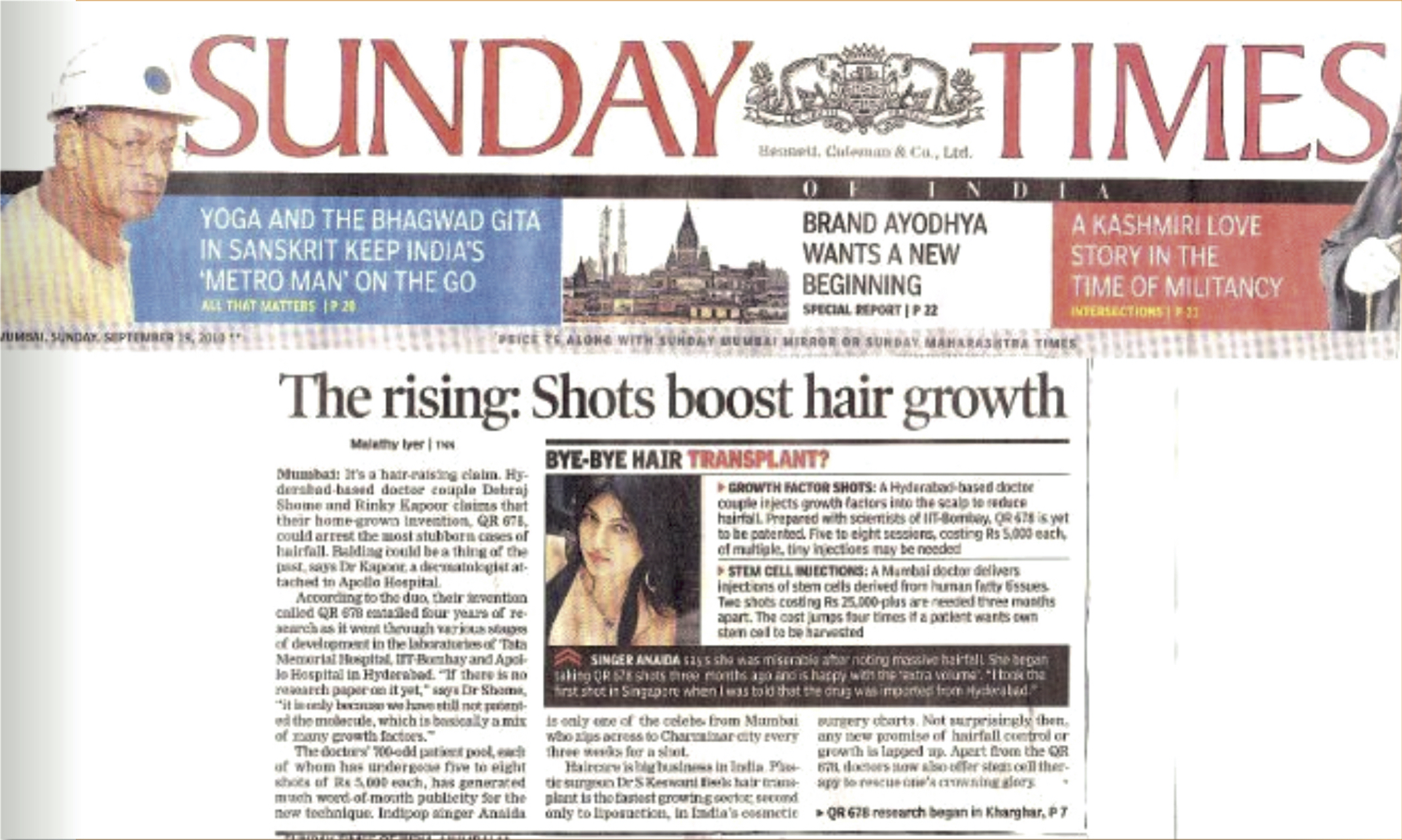
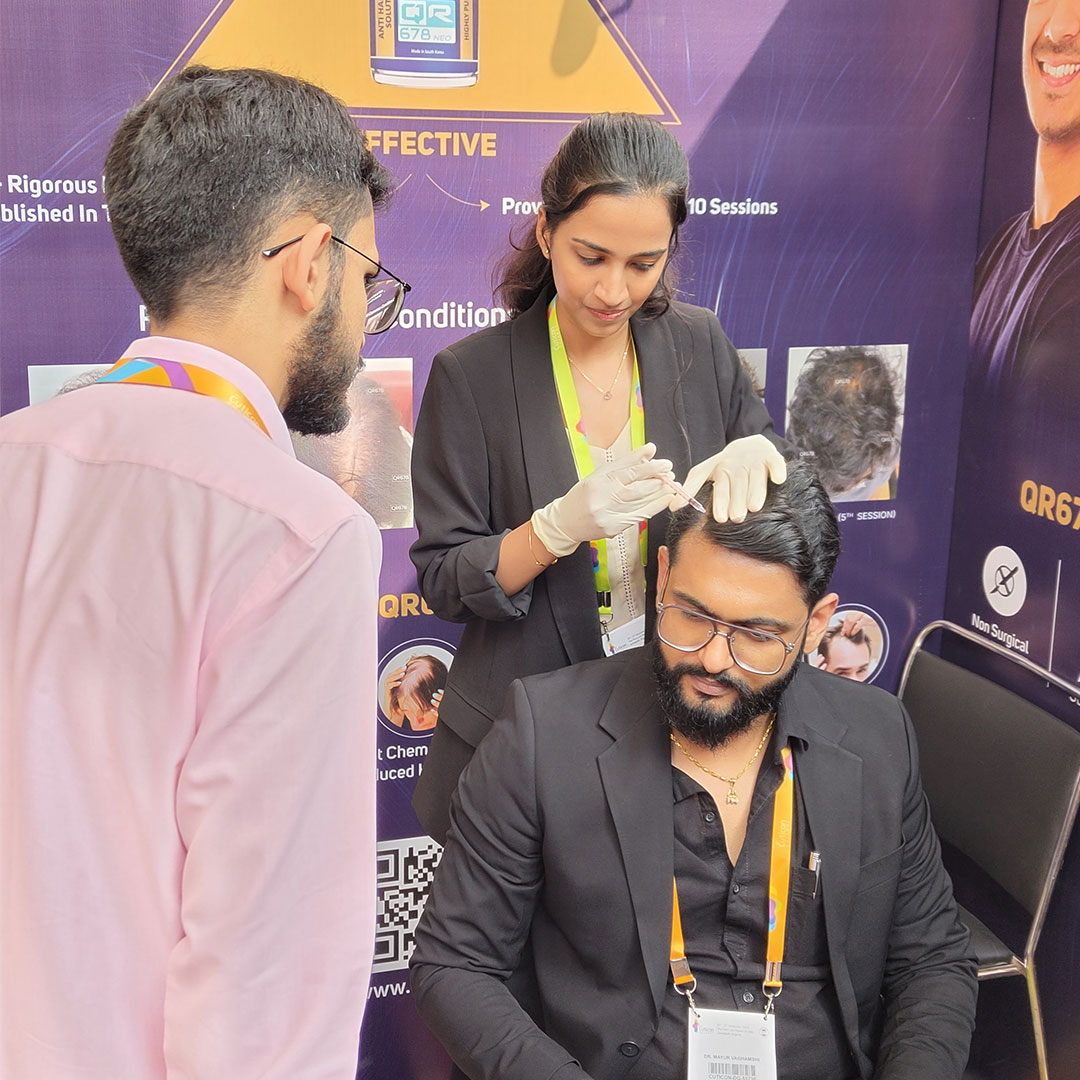
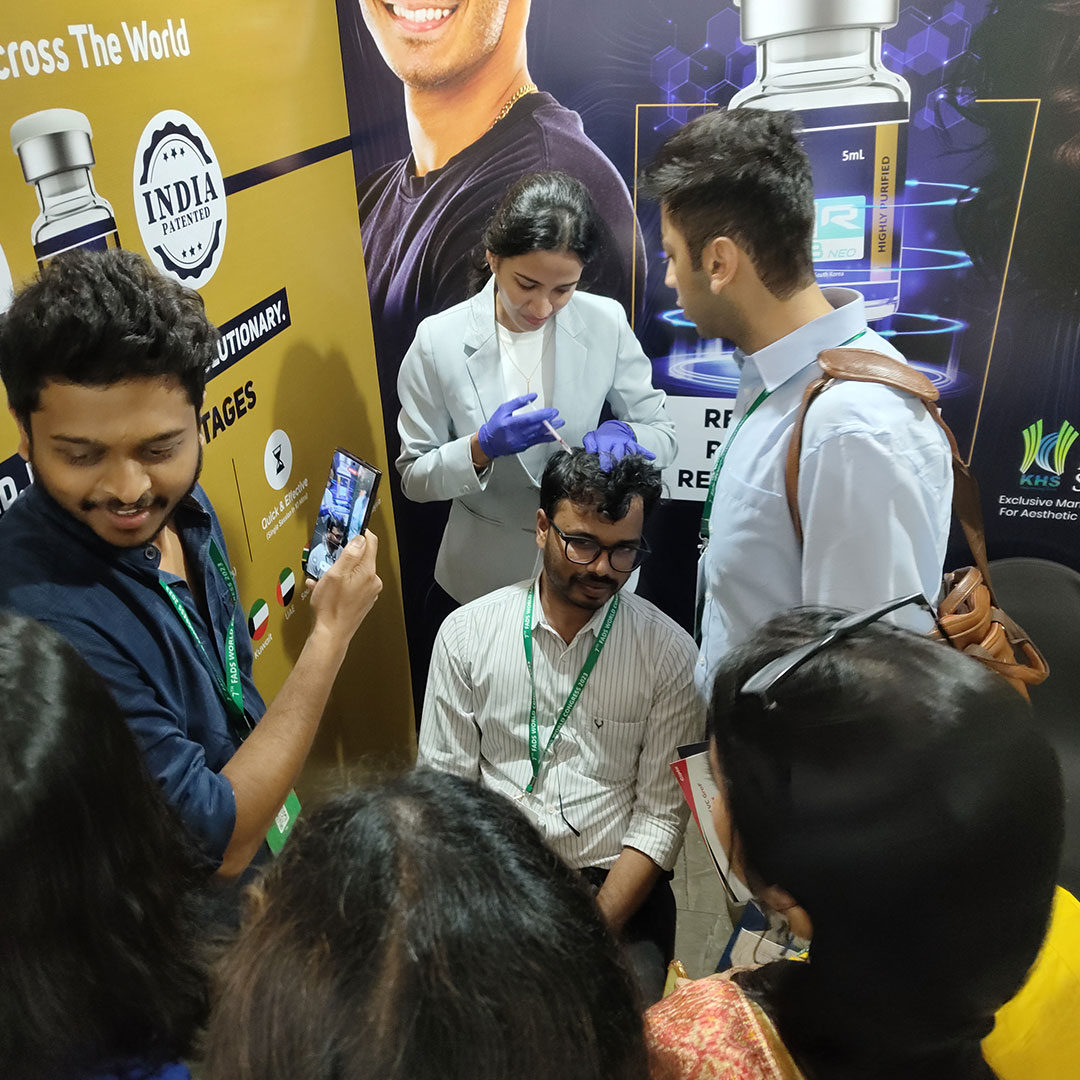
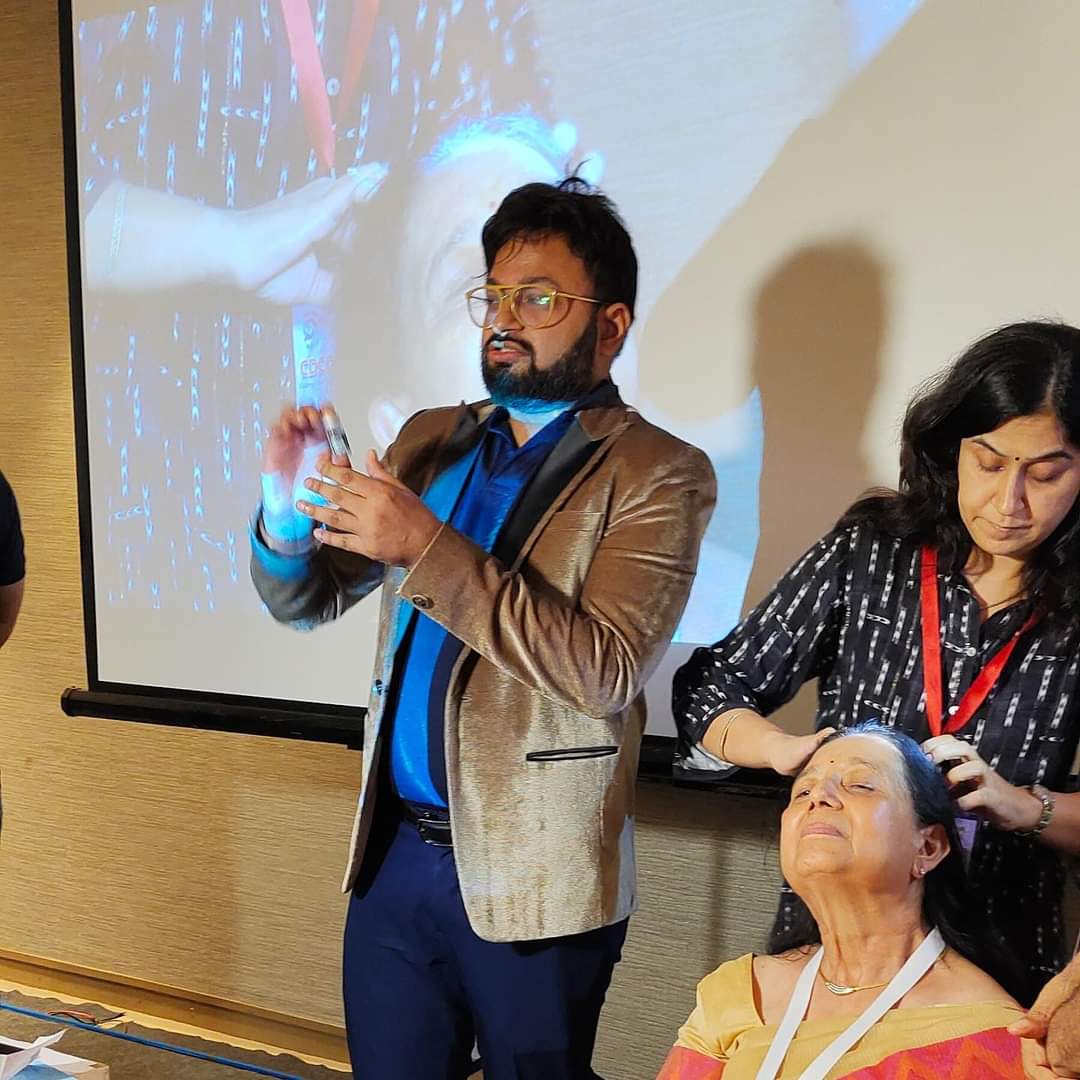
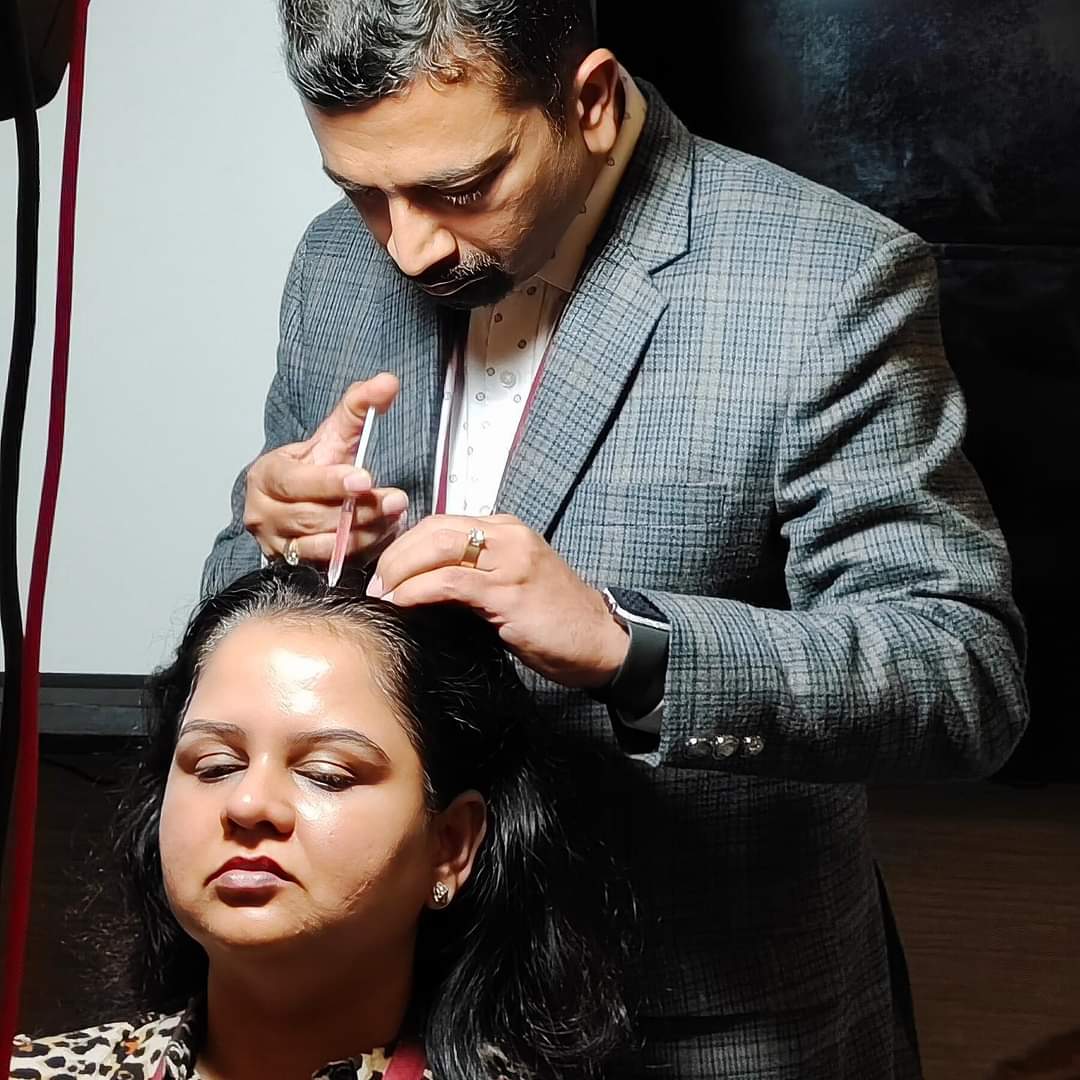
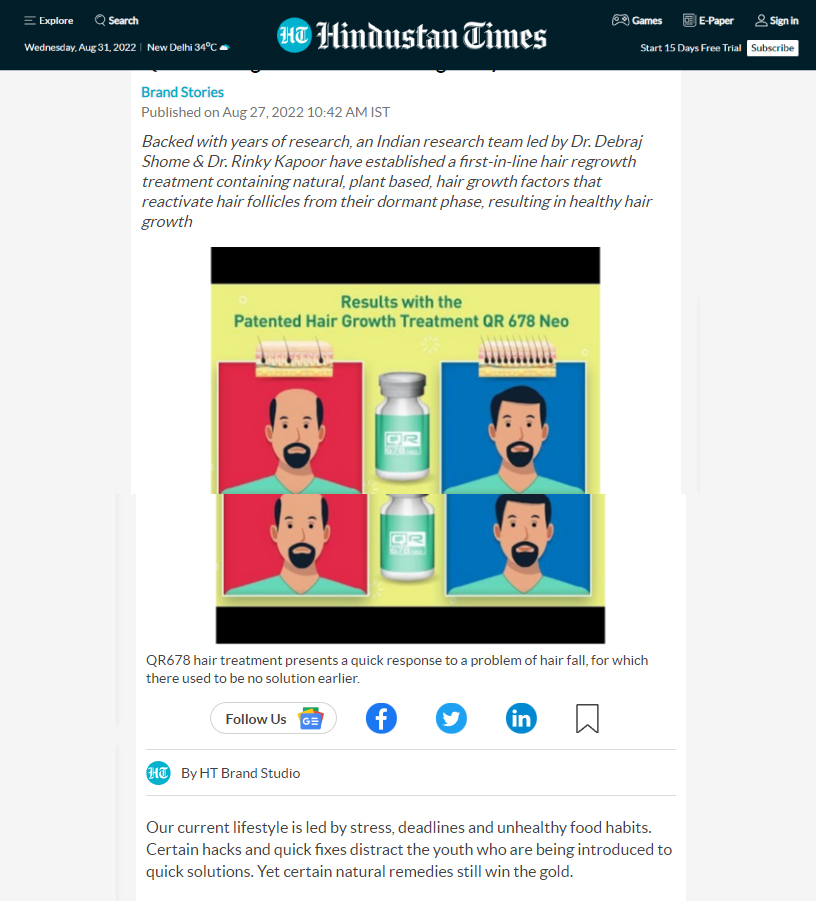
The protocol involved localized intradermal scalp application of a proprietary formulation, QR678, administered at regular intervals under dermatological supervision. The study did not include placebo or comparator arms. Clinical documentation was performed at baseline and at scheduled follow-up visits.

Hair and scalp evaluation was conducted using multiple standardized assessment tools, including:


  • Hair pull testing to document active hair shedding
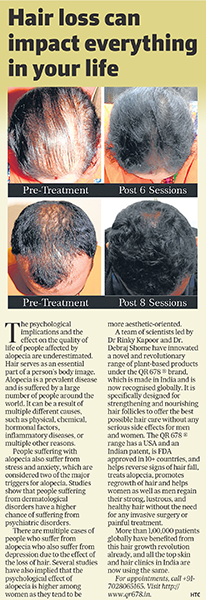
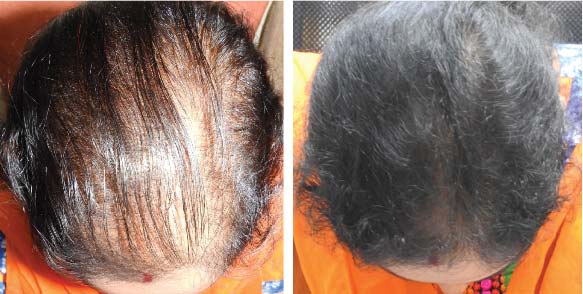
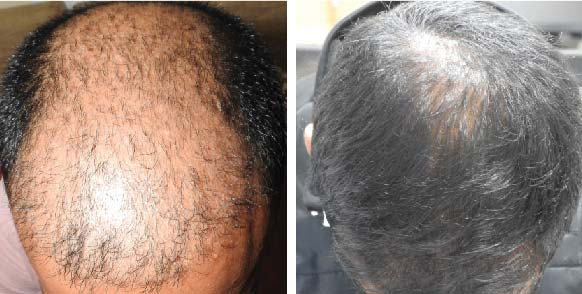
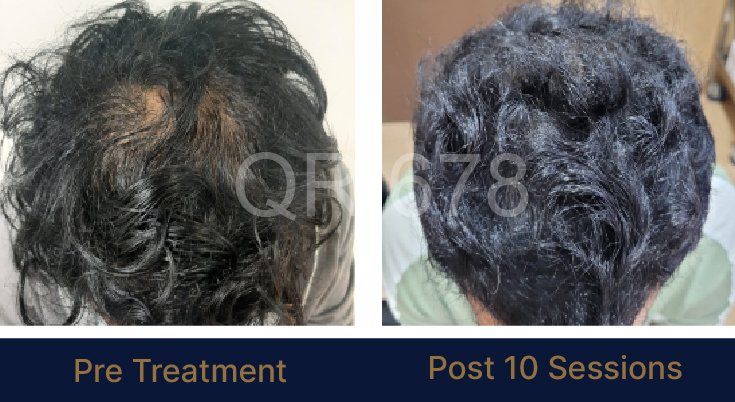
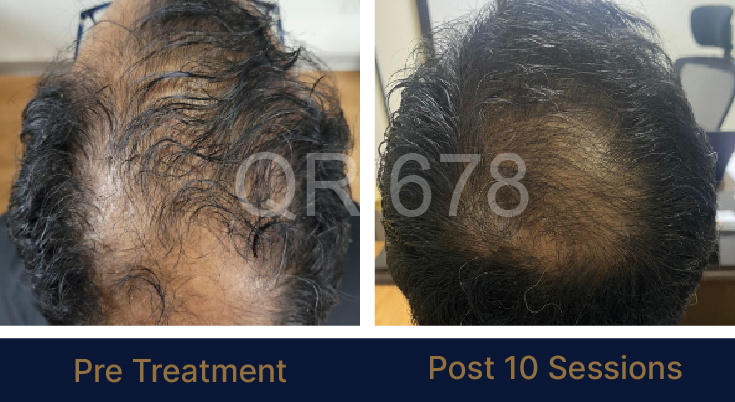
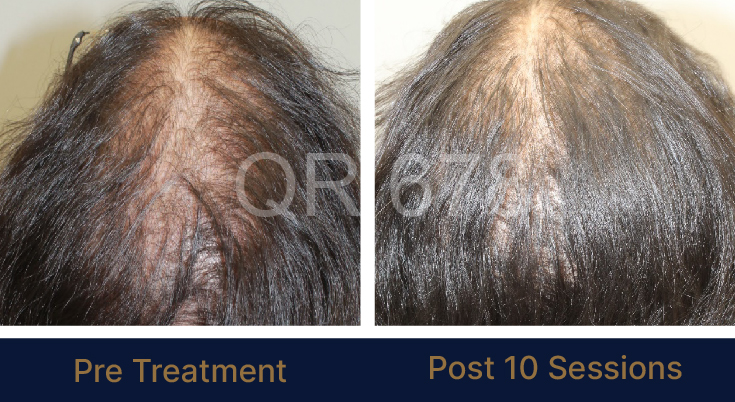
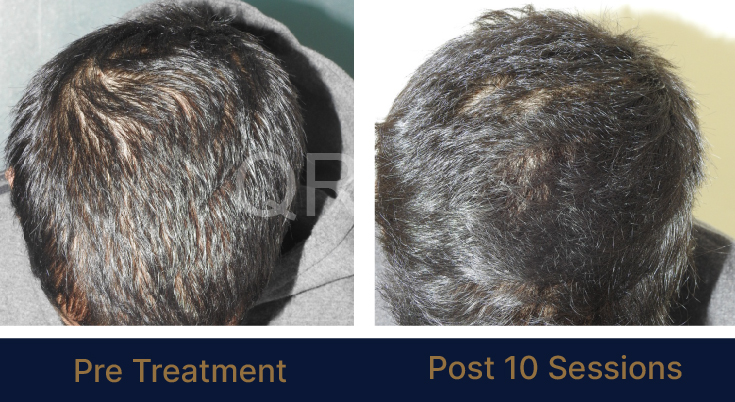
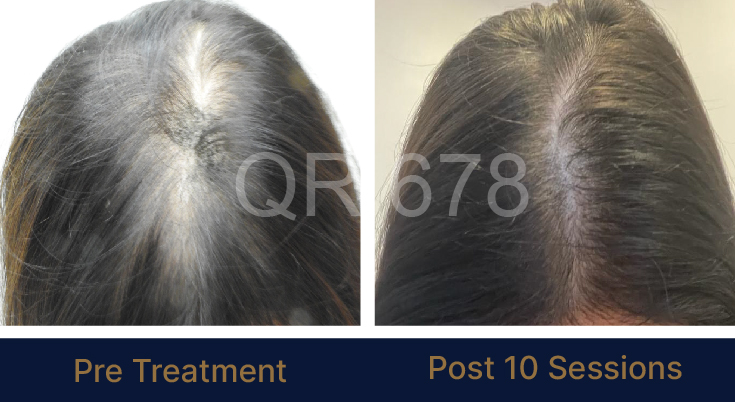
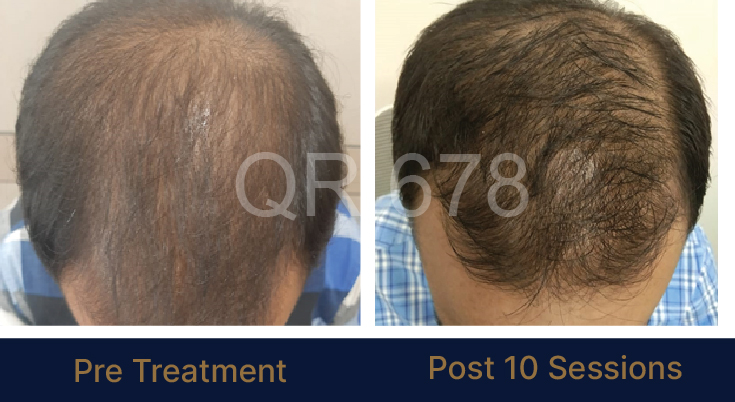
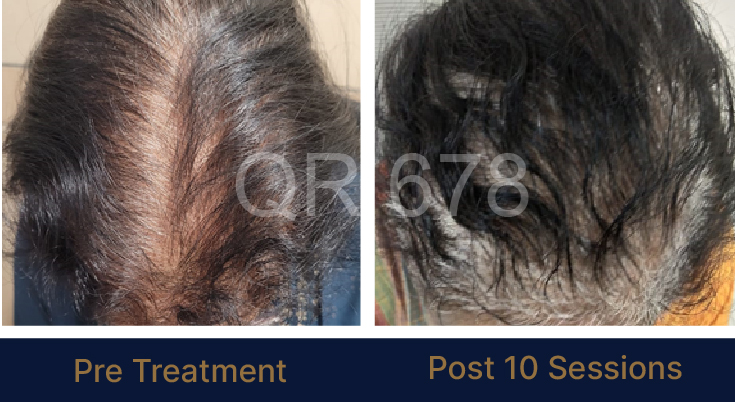
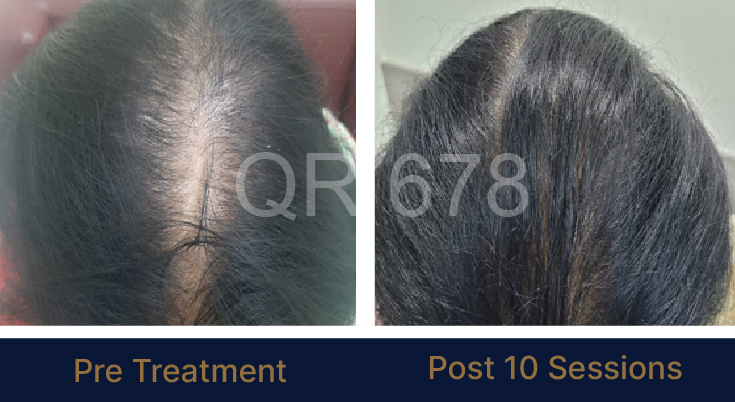
  • Global photographic assessment to record visible hair density patterns commonly evaluated in female hair thinning
  • Clinical scalp examination focusing on follicular distribution and overall scalp condition

These methods reflect commonly used dermatological practices for documenting hair loss in women associated with endocrine-related clinical contexts.

Clinical observations were documented across successive visits, with attention to changes noted in hair density patterns, hair shaft characteristics, and scalp appearance. Findings were interpreted within established frameworks of hair biology and known variability in hair cycle phases relevant to hair loss in women with endocrine associations.

The study did not seek to differentiate mechanistic pathways or establish causal relationships. Observations were recorded descriptively and without categorization into consumer-oriented distinctions such as hair shedding vs hair fall.
Procedural tolerability was assessed throughout the study duration. Reported observations were primarily limited to localized and transient scalp sensations, including mild discomfort or short-term sensitivity associated with intradermal application.

No systemic adverse events were reported during the observation period. Safety-related findings were documented descriptively and within the scope of routine clinical monitoring.
This study does not establish causal associations, endocrine modulation, or therapeutic benefit in hair loss in women with PCOS. Limitations include absence of control groups, lack of blinding, and reliance on descriptive clinical documentation.
Within these boundaries, the study contributes structured clinical data on hair and scalp parameters observed in women presenting with female hair thinning under dermatological supervision. The documentation may serve as reference material for clinicians and inform future controlled investigations.
The research papers and clinical articles referenced on this website are peer-reviewed scientific publications authored by qualified medical professionals and represent the observations and conclusions of the respective authors, based on their individual clinical research.

These clinical references are provided for informational and educational purposes and should not be interpreted as promotional claims or outcome guarantees by QR678®. Consumers are advised to consult a qualified healthcare professional for medical interpretation or hair- or scalp-related concerns.

Request the Research Paper