Reactive Oxygen Species and Hair Follicle Stem Cell Dysfunction

Background and Scientific Context

Hair follicle stem cells (HFSCs) sit at the center of the hair growth cycle, quietly sustaining the follicle’s ability to regenerate throughout life. Nestled within the bulge region, these cells shift between inactivity and proliferation in response to signals from their surrounding microenvironment. When this delicate equilibrium is disturbed, the effects often surface gradually — reduced density, slower regrowth, or follicles that struggle to maintain their normal cycle.

Among the many biological influences under investigation, oxidative stress has emerged as a significant factor in follicular aging. Reactive oxygen species (ROS), generated as natural byproducts of cellular metabolism, play a necessary role in intracellular signaling. At controlled levels, they help regulate pathways involved in stem cell activation and differentiation. Problems arise when ROS production exceeds the antioxidant capacity of the tissue. What once functioned as a signaling mechanism begins to behave more like a cellular stressor, capable of altering stem cell behavior and weakening regenerative potential.

This evolving understanding has informed research into regenerative approaches, including scientific exploration of stem cell therapy for hair regrowth, where preserving stem cell health is viewed as critical to sustaining long-term follicular activity.


Oxidative Stress and the Aging Follicle

The relationship between oxidative stress and aging has long been described through the free radical hypothesis, which proposes that cumulative molecular damage gradually erodes cellular function. Within HFSC populations, oxidative injury can interfere with genomic stability, disrupt metabolic efficiency, and compromise protein integrity — all factors closely tied to stem cell longevity.

Over time, affected stem cells may show a reduced ability to activate or transition into progenitor cells capable of producing new hair fibers. Clinically, this decline aligns with familiar patterns: finer shafts, lower follicular density, and increased shedding. These biological observations continue to shape scientific discussions around hair regrowth stem cell treatment, particularly strategies aimed not merely at stimulating follicles but at preserving their regenerative reserves.


DNA Damage and the Onset of Cellular Senescence

One of the more serious consequences of excessive ROS is direct damage to DNA. Oxidative lesions and strand breaks trigger cellular repair pathways designed to maintain genomic integrity. In the short term, these responses can pause the cell cycle long enough for repair to occur. When the damage persists, however, stem cells may enter senescence or undergo programmed cell death.

Senescent cells rarely remain silent. Many develop a secretory profile that releases inflammatory mediators into the surrounding tissue, subtly degrading the stem cell niche. The resulting environment becomes less supportive of renewal and more prone to further oxidative stress — a cycle that may accelerate follicular decline. For this reason, improving DNA repair mechanisms and limiting oxidative injury remain areas of active interest within hair growth stem cells treatment research.


Protein Stability and Signaling Integrity

DNA is not the only cellular structure vulnerable to oxidation. Proteins, particularly those involved in signaling pathways that regulate stemness, can undergo structural modifications that alter their function. Networks such as Wnt/β-catenin, Notch, and Hedgehog rely on precise molecular interactions; oxidative changes can destabilize these systems and interfere with the transcriptional programs necessary for regeneration.

As damaged proteins accumulate, the cellular machinery responsible for maintaining proteostasis becomes strained. Misfolded proteins linger longer than they should, placing additional stress on stem cells already navigating a hostile environment.


Lipid Damage and Mitochondrial Decline

Cell membranes — particularly those rich in polyunsaturated fatty acids — are highly susceptible to oxidative attack. Lipid peroxidation produces reactive byproducts that can further damage DNA and proteins while compromising mitochondrial membranes. Once mitochondrial function begins to falter, energy production drops, apoptotic signals rise, and stem cells may lose the metabolic support required for proper differentiation.

A troubling feedback loop can follow: impaired mitochondria generate more ROS, reinforcing the oxidative burden. Because mitochondrial dysfunction is frequently observed in age-related thinning and androgenetic alopecia, maintaining mitochondrial resilience has become an important consideration in research surrounding hair regrowth stem cell treatment.


Inflammation and Niche Instability

Oxidative stress rarely operates in isolation. Persistent ROS exposure activates transcription factors that elevate pro-inflammatory cytokine levels, gradually reshaping the follicular environment. What begins as low-grade inflammation can alter self-renewal cues and encourage premature differentiation or cell loss.

Inflammatory signaling, in turn, stimulates further ROS production, tightening the cycle. Over time, this interplay may contribute to follicular miniaturization — a hallmark of several common hair loss conditions.


Shared Vulnerability Within the Pigmentary Unit

The impact of oxidative stress extends beyond HFSCs to melanocyte stem cells responsible for hair pigmentation. Damage within this population can reduce melanin synthesis, impair pigment transfer, and ultimately manifest as premature graying. Because melanocyte and follicular stem cells share elements of the same niche, deterioration in one compartment can influence the stability of the other.

This overlap reinforces the importance of maintaining a balanced microenvironment when considering comprehensive hair regeneration strategies.


Intrinsic Defense Systems

Cells are not without protection. Transcription factors such as NRF2, FOXO, and p53 function as internal gatekeepers, coordinating antioxidant responses, supporting DNA repair, and guiding cell fate decisions during periods of stress. When these regulators operate effectively, they enhance stem cell resilience. When their activity declines, susceptibility to oxidative injury rises.

Strengthening these intrinsic defenses is increasingly viewed as a promising direction for stem cell therapy for hair regrowth.


Therapeutic Perspectives

A range of antioxidant compounds — including vitamin C, vitamin E, coenzyme Q10, and N-acetylcysteine — has been investigated for their capacity to restore redox balance. More targeted approaches focus on stabilizing mitochondrial function, reducing enzymatic sources of ROS, and encouraging the removal of dysfunctional organelles.

Alongside these strategies, biologically informed formulations such as QR678 Neo treatment have shown clinical observations of improved hair density, thicker shafts, and reduced shedding within a matter of months. Proposed mechanisms include enhanced angiogenesis, modulation of local inflammation, and reactivation of dormant stem cell populations — processes aligned with broader goals of hair regrowth stem cell treatment.


Conclusion

Reactive oxygen species occupy a paradoxical position in follicular biology. Necessary for signaling yet harmful in excess, they influence nearly every layer of stem cell function — from DNA stability and protein structure to mitochondrial health and inflammatory tone. When oxidative balance tilts too far, the cumulative effect may exhaust the stem cell pool and weaken the follicle’s regenerative capacity.

Clarifying these pathways has strengthened the scientific foundation for therapies designed to protect stem cells, restore redox equilibrium, and support sustained hair growth. As research continues to evolve, interventions that combine antioxidant support with stem cell–focused strategies may help reshape future approaches to alopecia management.

File name : QR678-Neo-Effectiveness-in-Alopecia-Areata.pdf

Disclaimer:
The research papers and clinical articles referenced on this website are peer-reviewed scientific publications authored by qualified medical professionals and represent the observations and conclusions of the respective authors, based on their individual clinical research. 

These clinical references are provided for informational and educational purposes and should not be interpreted as promotional claims or outcome guarantees by QR678®. Consumers are advised to consult a qualified healthcare professional for medical interpretation or hair- or scalp-related concerns.

QR678®: SCIENCE Backed Research & Development Proprietary Product Technology

The QR678® research & development platform technology is a proprietary first-in-class technology. This science backed technology is giving rise to multiple products that arrest hair fall and address the thickness, density of hair follicles leading to greater coverage in hair loss. This R&D technology deals with multiple human hair growth related growth factors that are naturally present in our scalp making products derived from these completely natural. Research on this platform technology has resulted in this being awarded USA & Indian patents and has led to over 16+ clinical research papers being published with products derived from this unique technology. The hair growth factors penetrate deep into the scalp and provide nourishment to the scale. Unlike other treatments that contains harmful medication, products derived from QR678® are almost completely devoid of side effects.

HOW DOES IT WORK?

Play Video

Benefits of choosing QR678®

QR678® ADVANTAGES

QR678 Advantages 04-min
No side Effects
(Derived From Plants)
QR678 Advantages 06-min

Quick & Effective (Single
Session in 10 Minutes)

QR678 ADVANTAGES ICON (6)
Patented and Regulatory Approved in Multiple Geographies
QR678_Website_Feb25
QR678 Advantages 05-min

Non Surgical

QR678 Advantages 07-min
About 90%
Success Rate
QR678 ADVANTAGES ICON (3)

13+ Published Researched Clinical Trials Demonstrating Efficacy

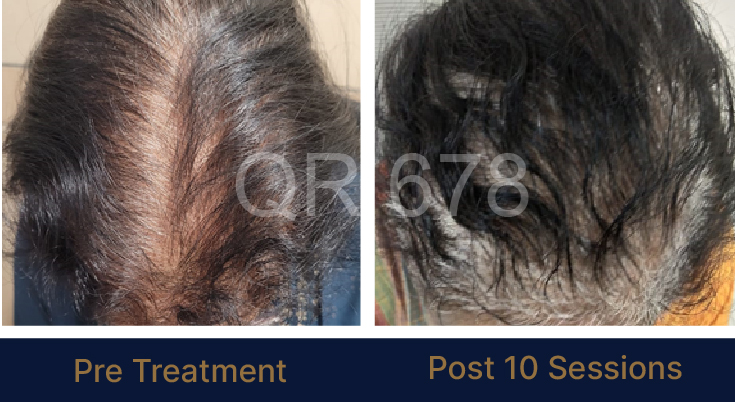
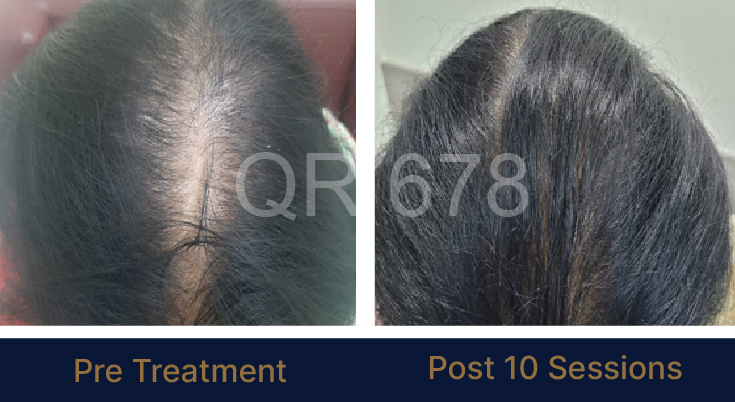
LIFE CHANGING RESULTS

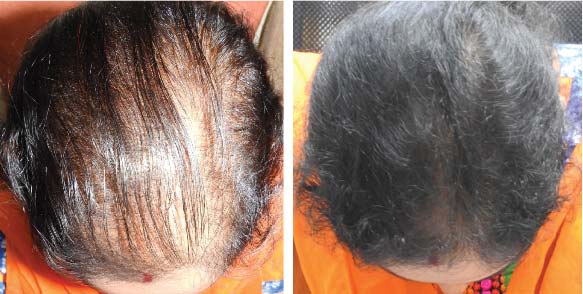
PRE TREATMENT

POST 6 SESSIONS

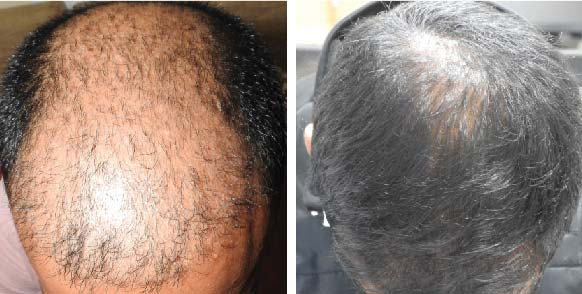
PRE TREATMENT

POST 6 SESSIONS

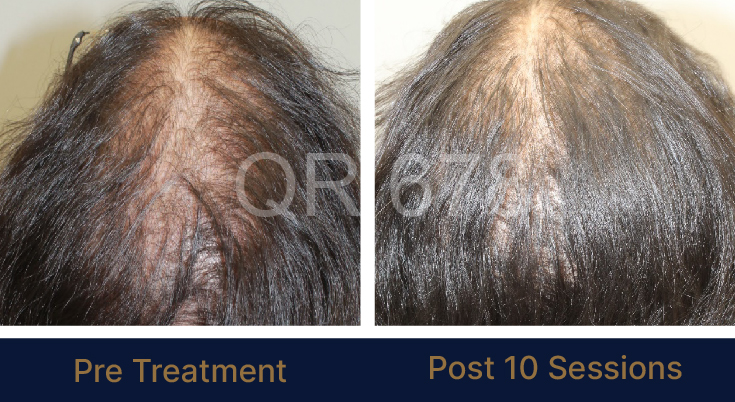
49 year old female was suffering from post chemotherapy induced hair loss. She achieved impressive results with QR678®, a completely plant derived formulation.

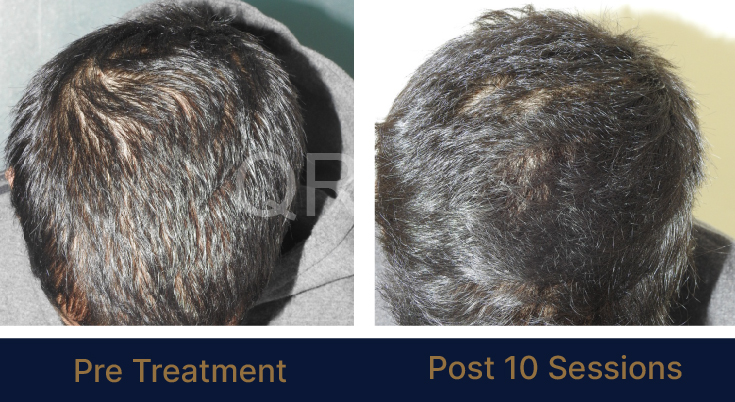
39 year old male suffering from male pattern hair loss for 15 years gained a significant amount of hair with QR678®

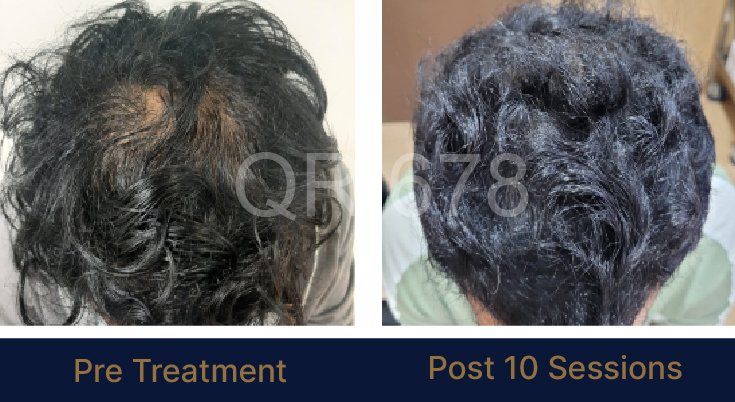
PRE TREATMENT

POST 6 SESSIONS

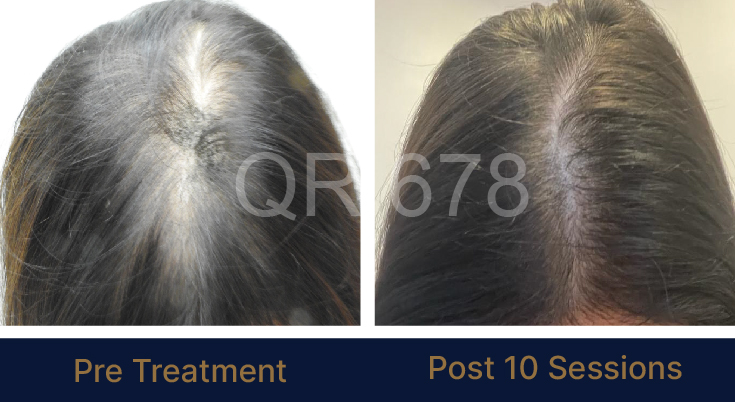
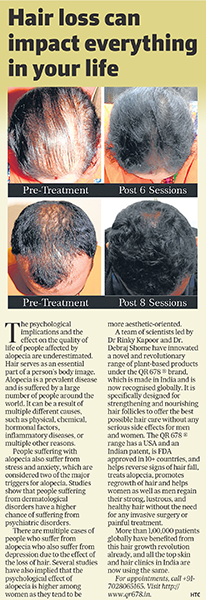
25 year old female from alopecia areata, was also diagnosed with hypothyroid. She achieved impressive results with QR678, a completely steroid-off treatment.
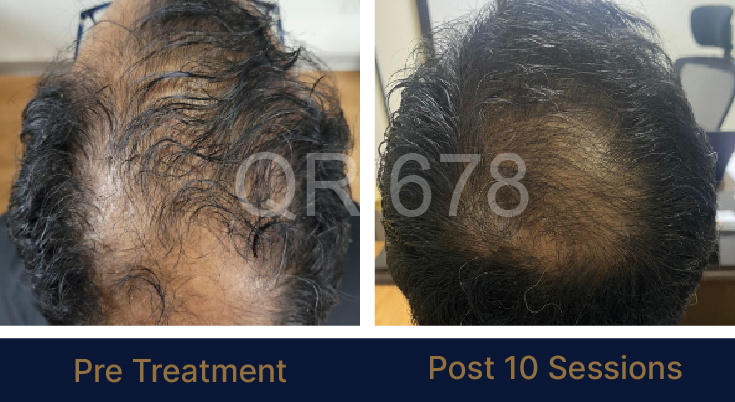
PRE TREATMENT

POST 6 SESSIONS

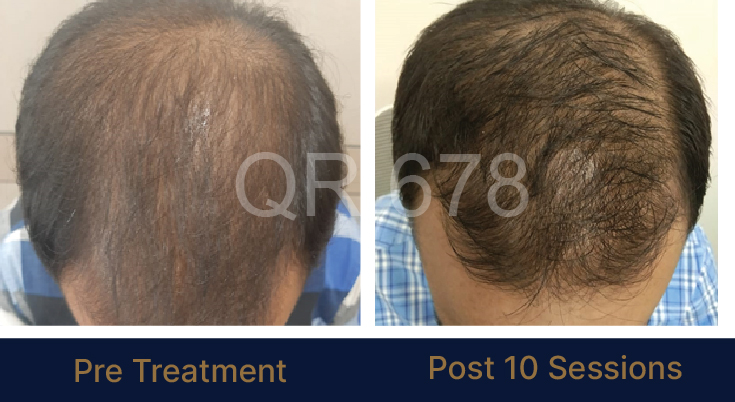
39 year old male suffering from male pattern hair loss for 15 years gained a significant amount of hair with QR678

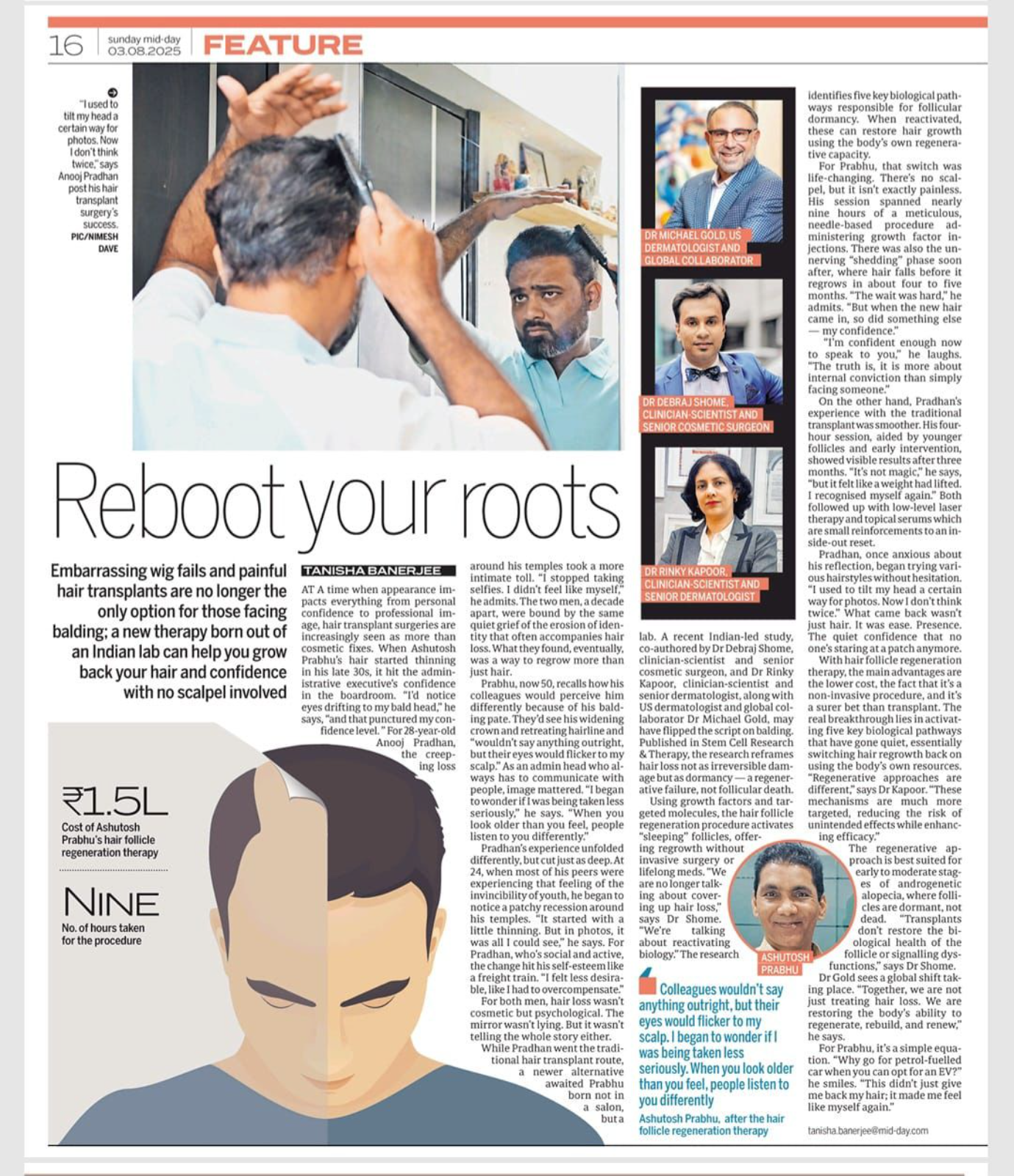
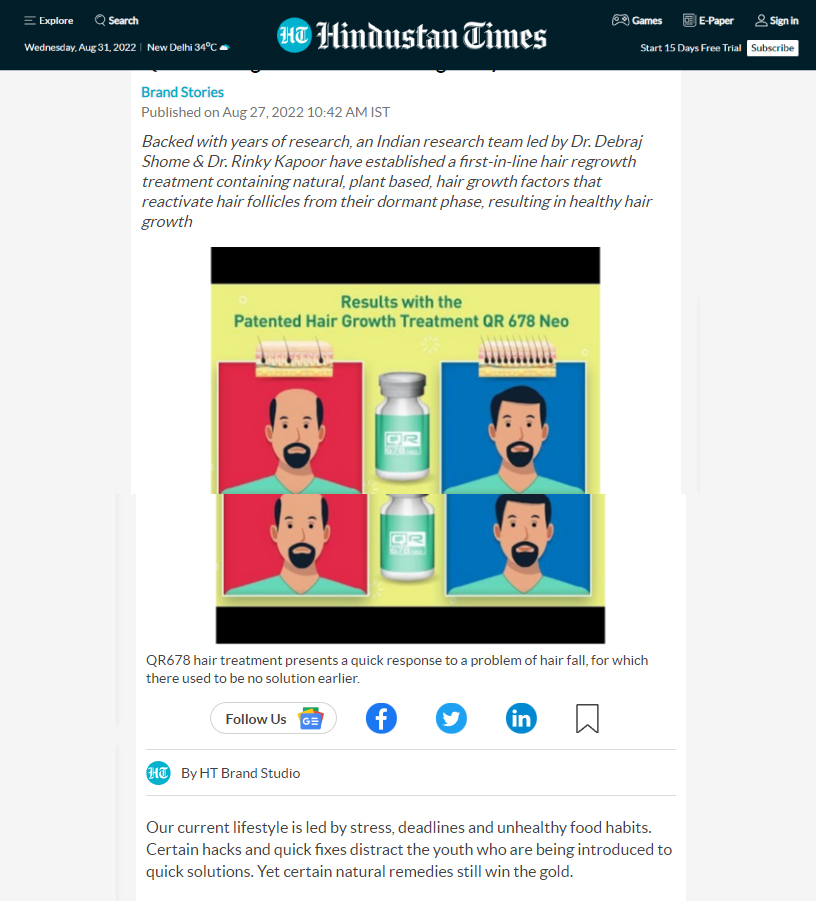
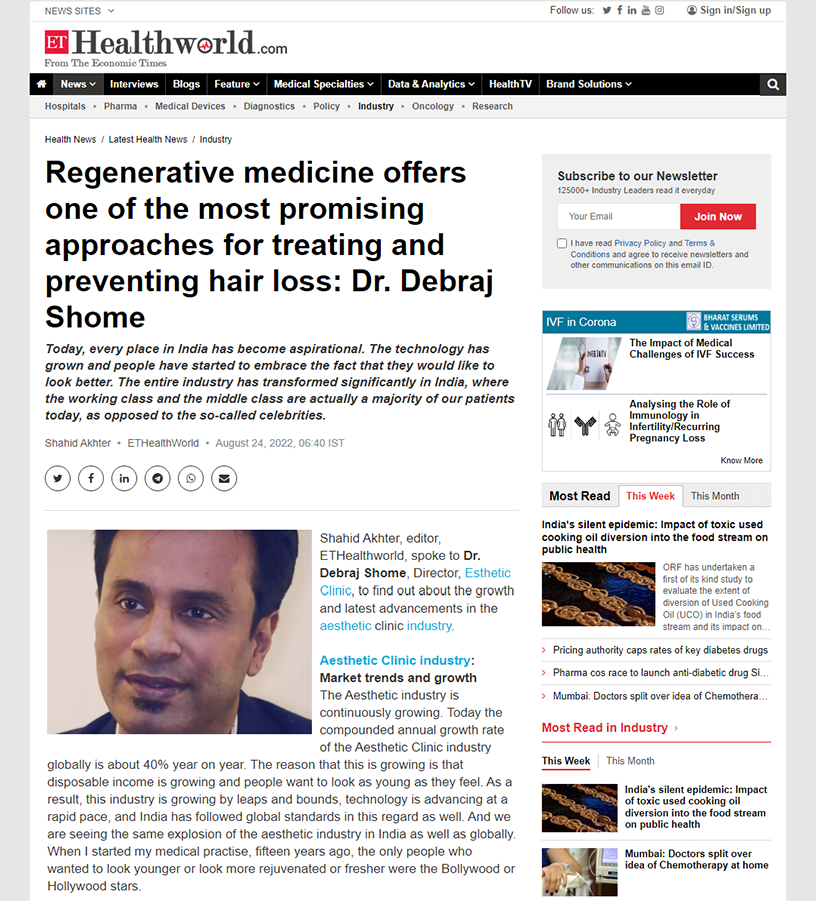
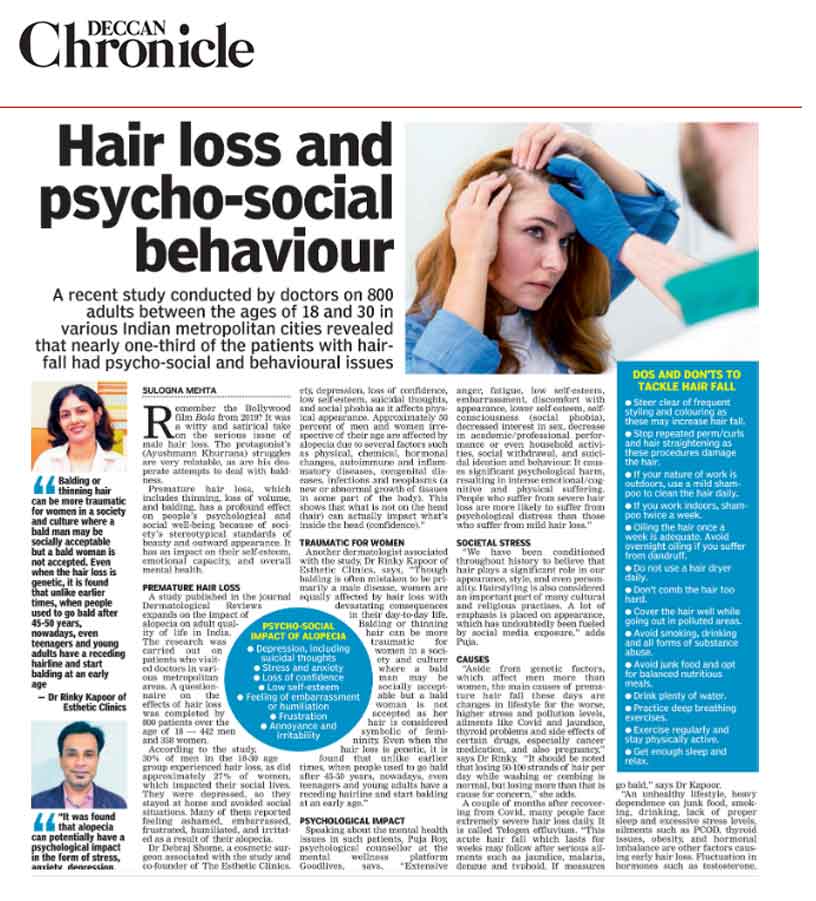
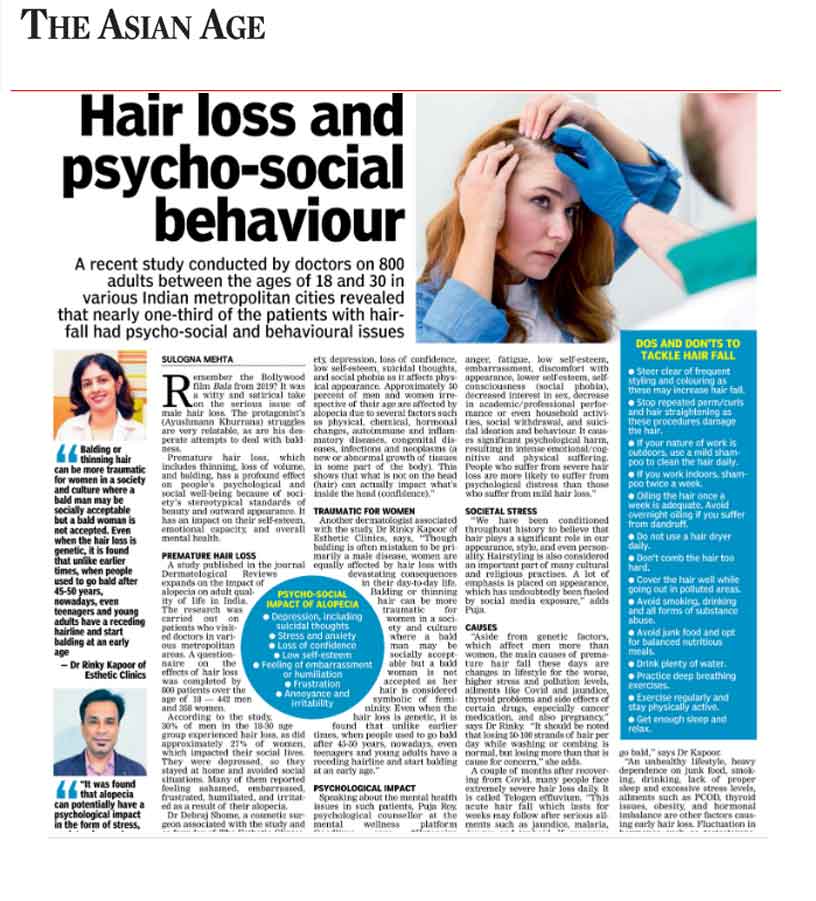
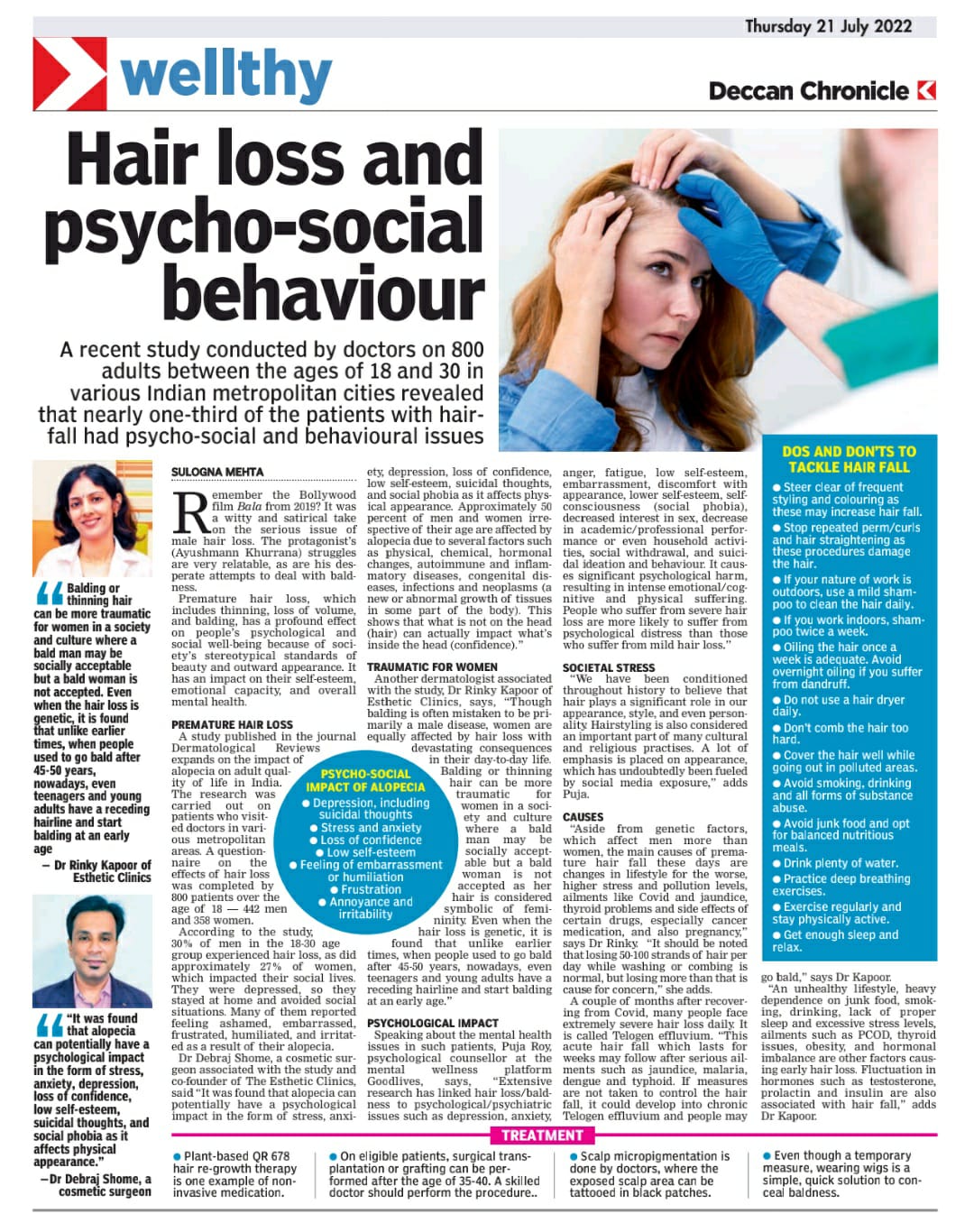
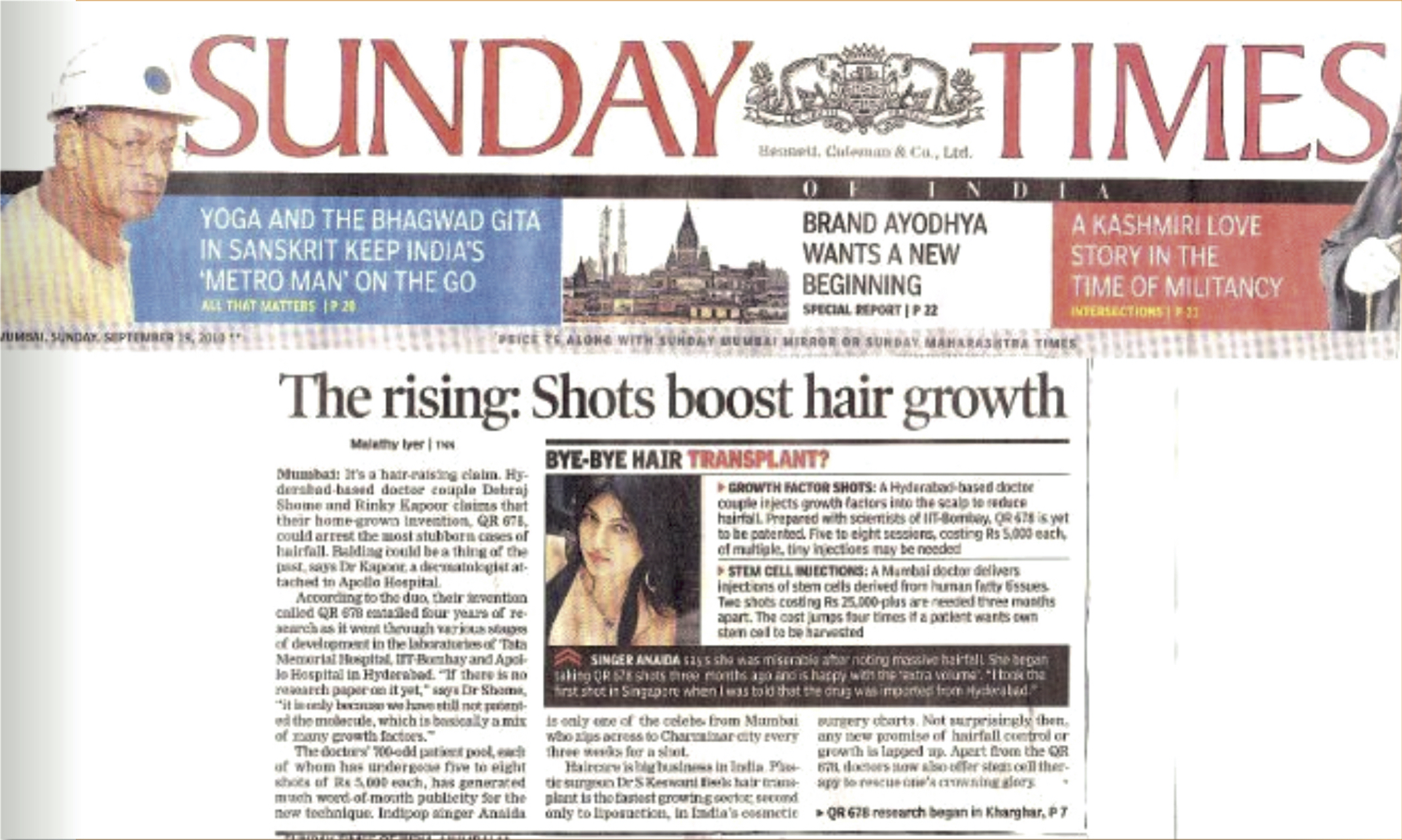
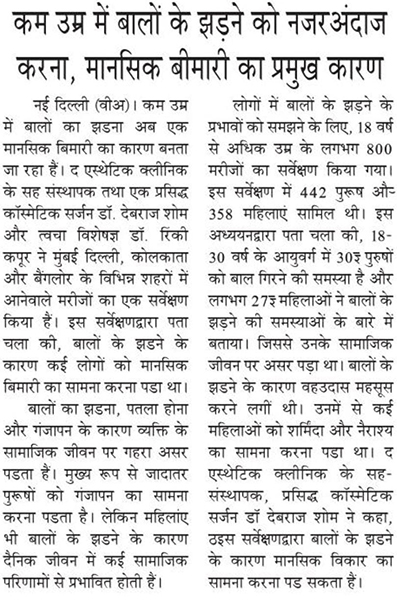
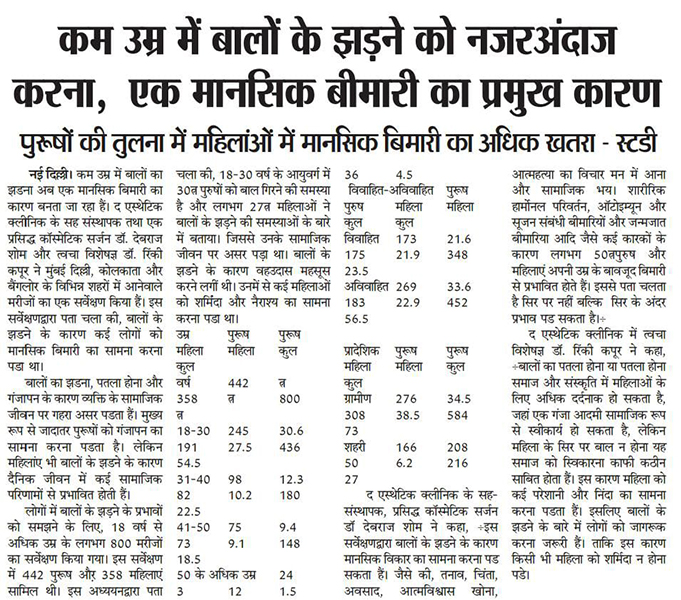
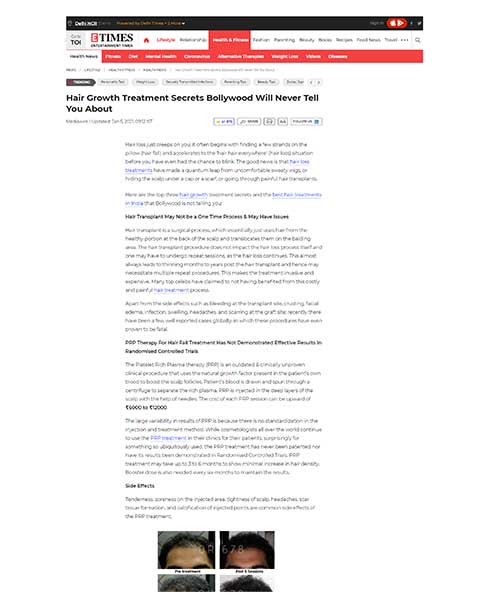
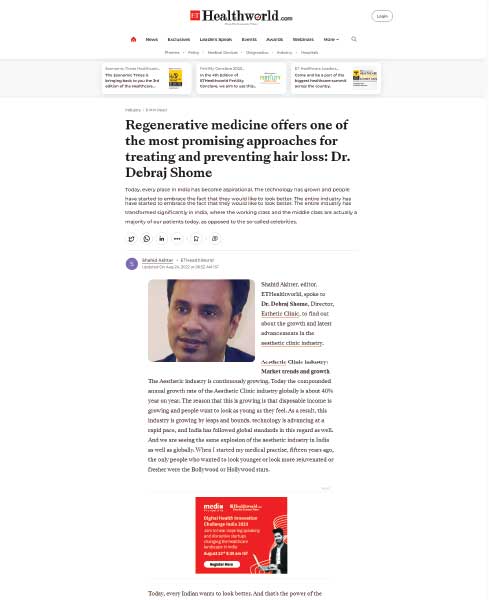
MEDIA INTERVIEWS

TESTIMONIALS

Testimonial #1 Designation

Lorem ipsum dolor sit amet, consectetur adipiscing elit. Ut elit tellus, luctus nec ullamcorper mattis, pulvinar dapibus leo.

Testimonial #1 Designation

Lorem ipsum dolor sit amet, consectetur adipiscing elit. Ut elit tellus, luctus nec ullamcorper mattis, pulvinar dapibus leo.

Testimonial #1 Designation

Lorem ipsum dolor sit amet, consectetur adipiscing elit. Ut elit tellus, luctus nec ullamcorper mattis, pulvinar dapibus leo.

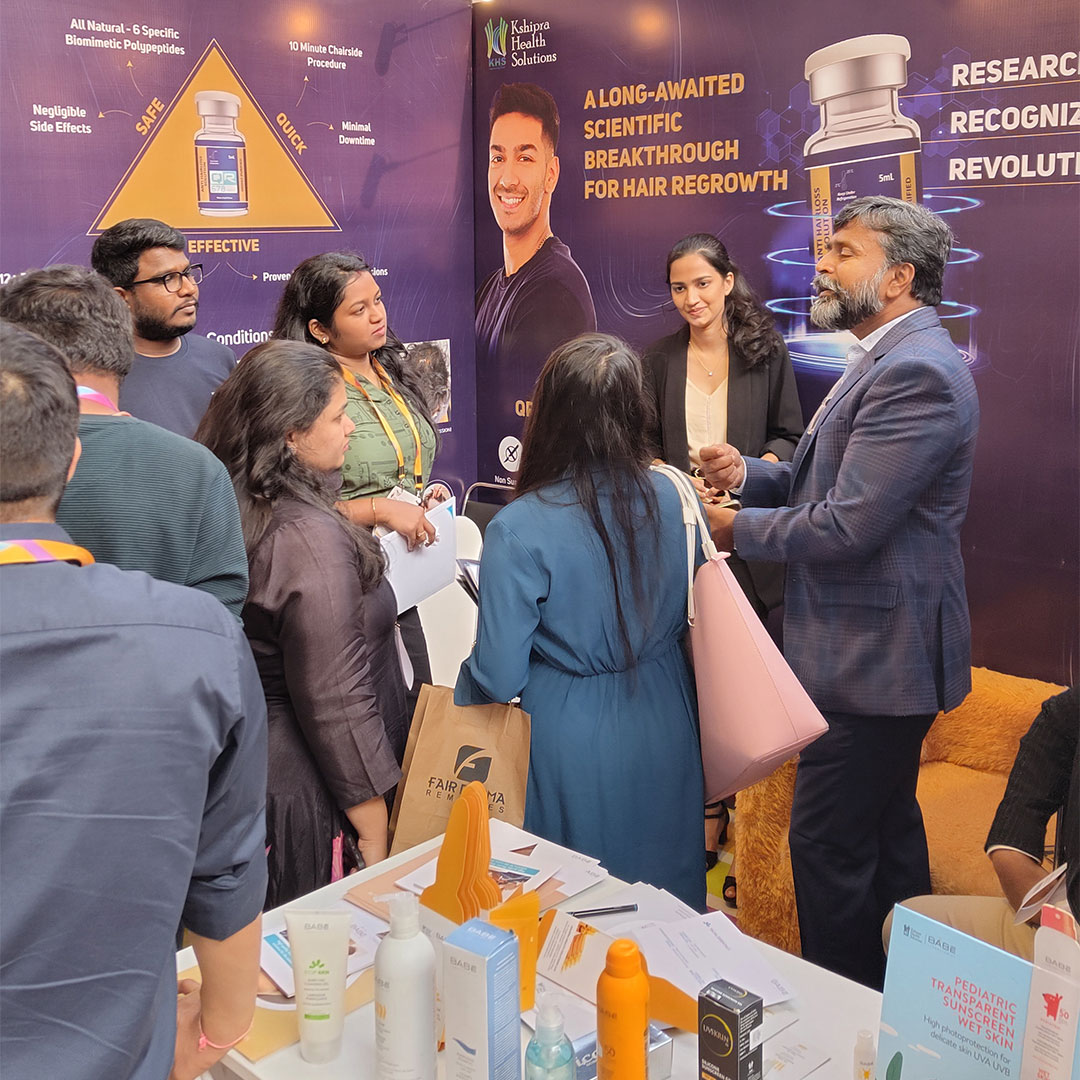
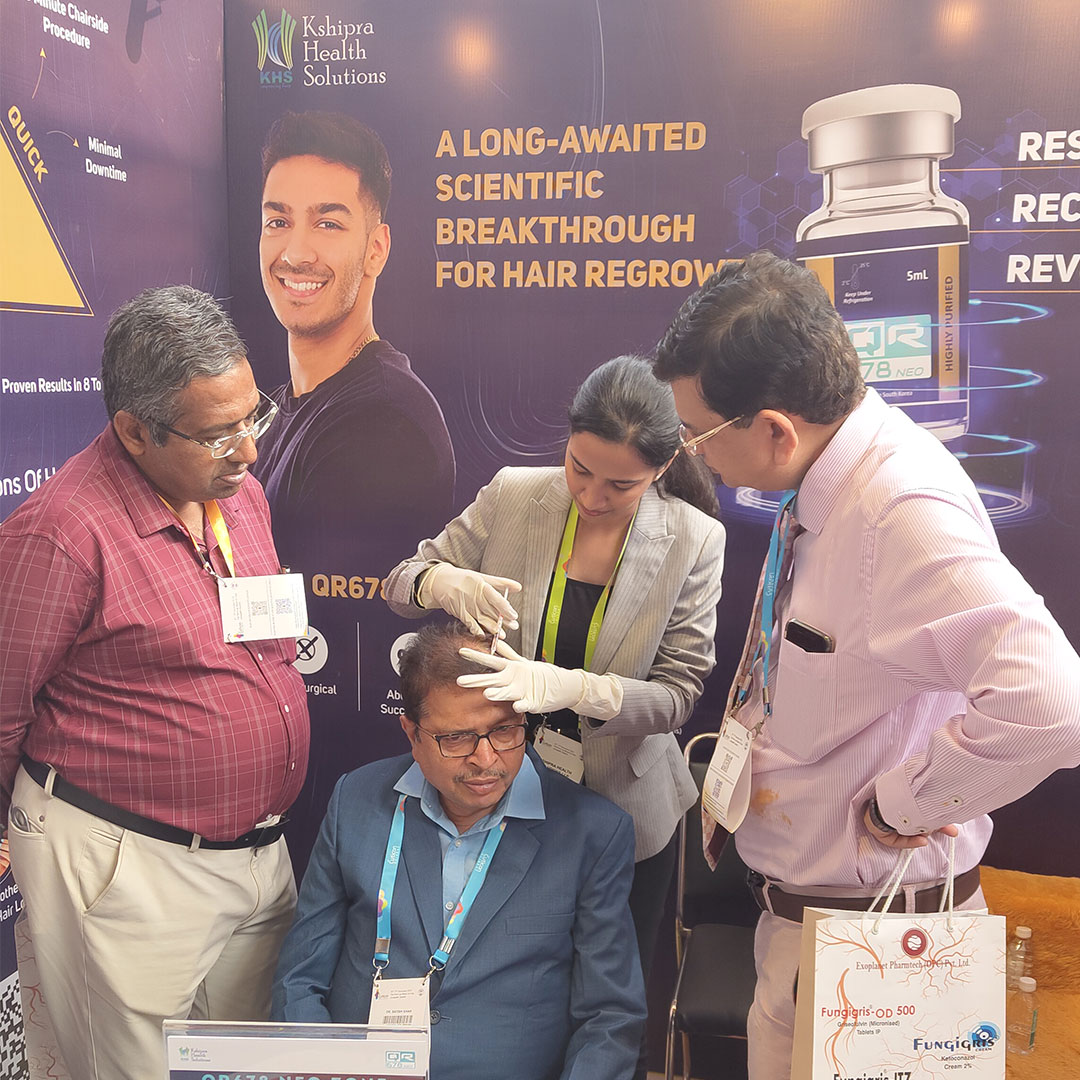
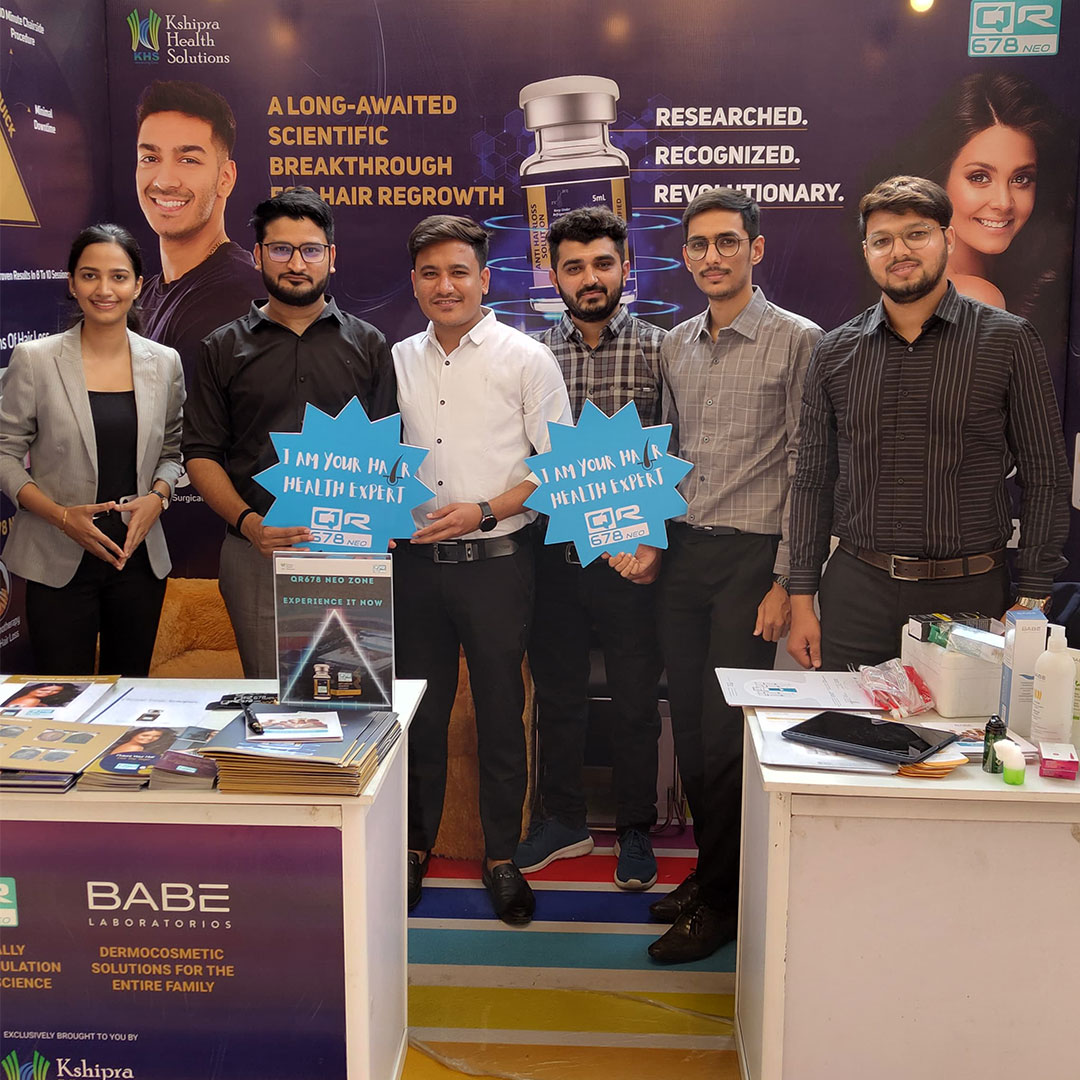
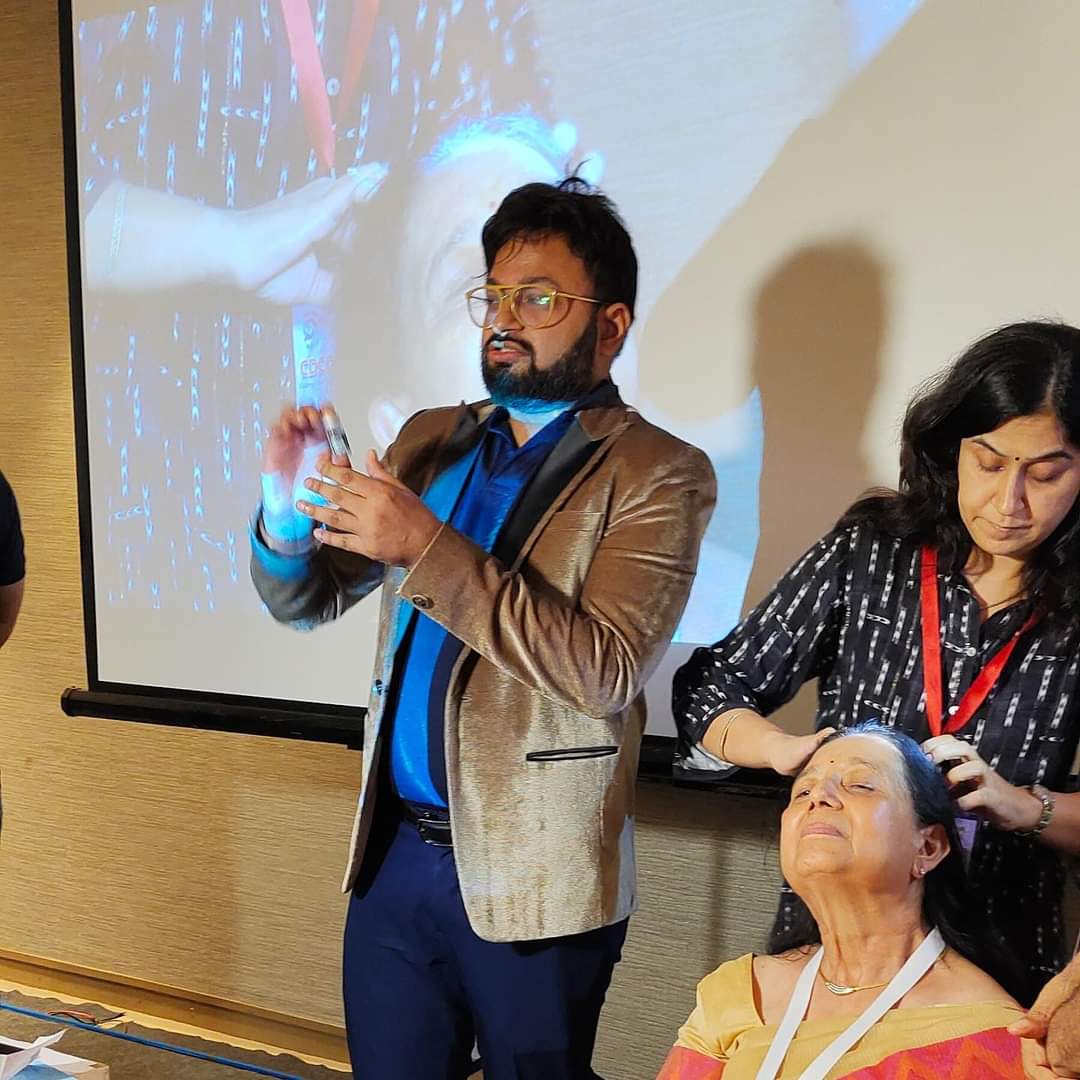
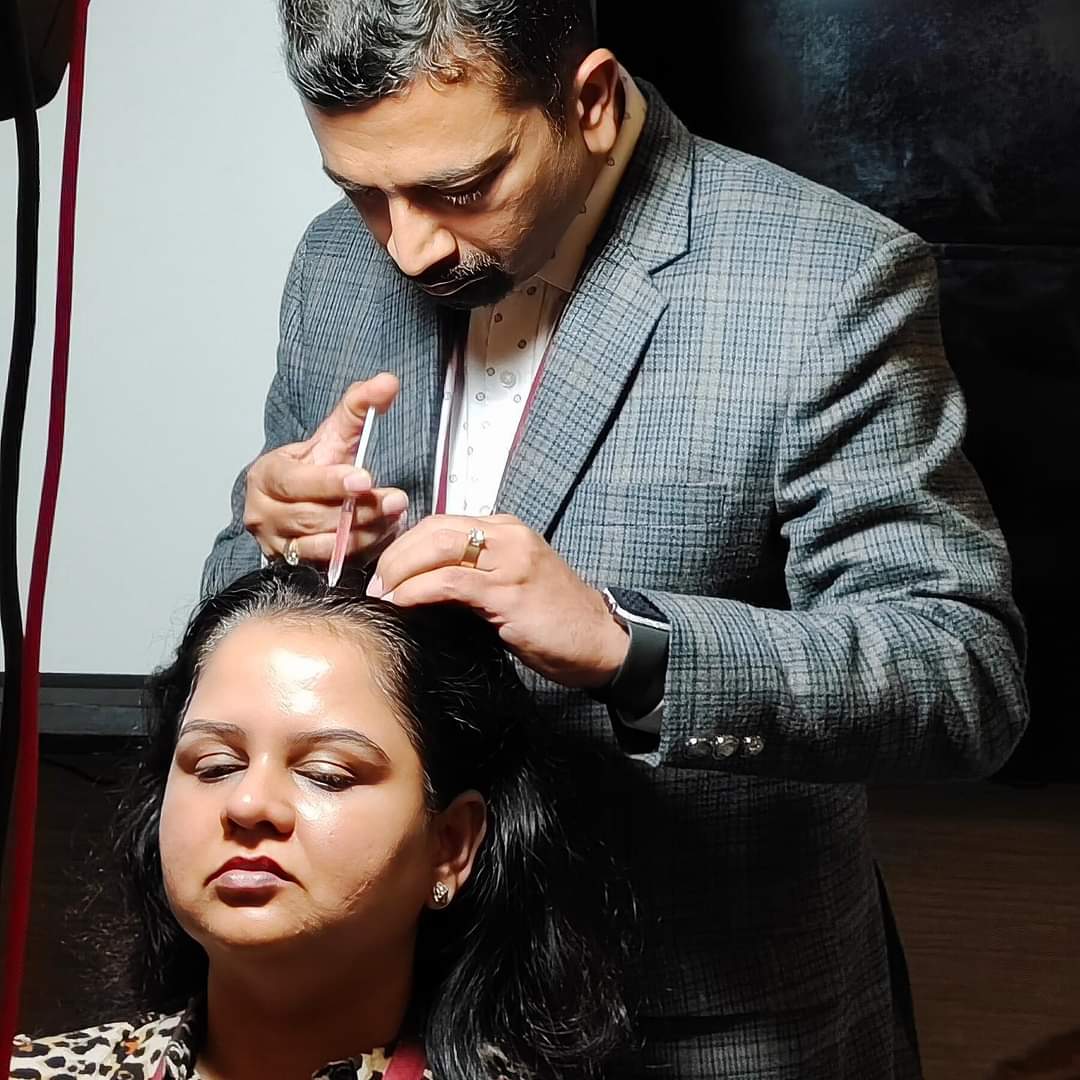
HIGHLIGHTS IN MEDICAL CONFERENCES

CUTICON – December 2023

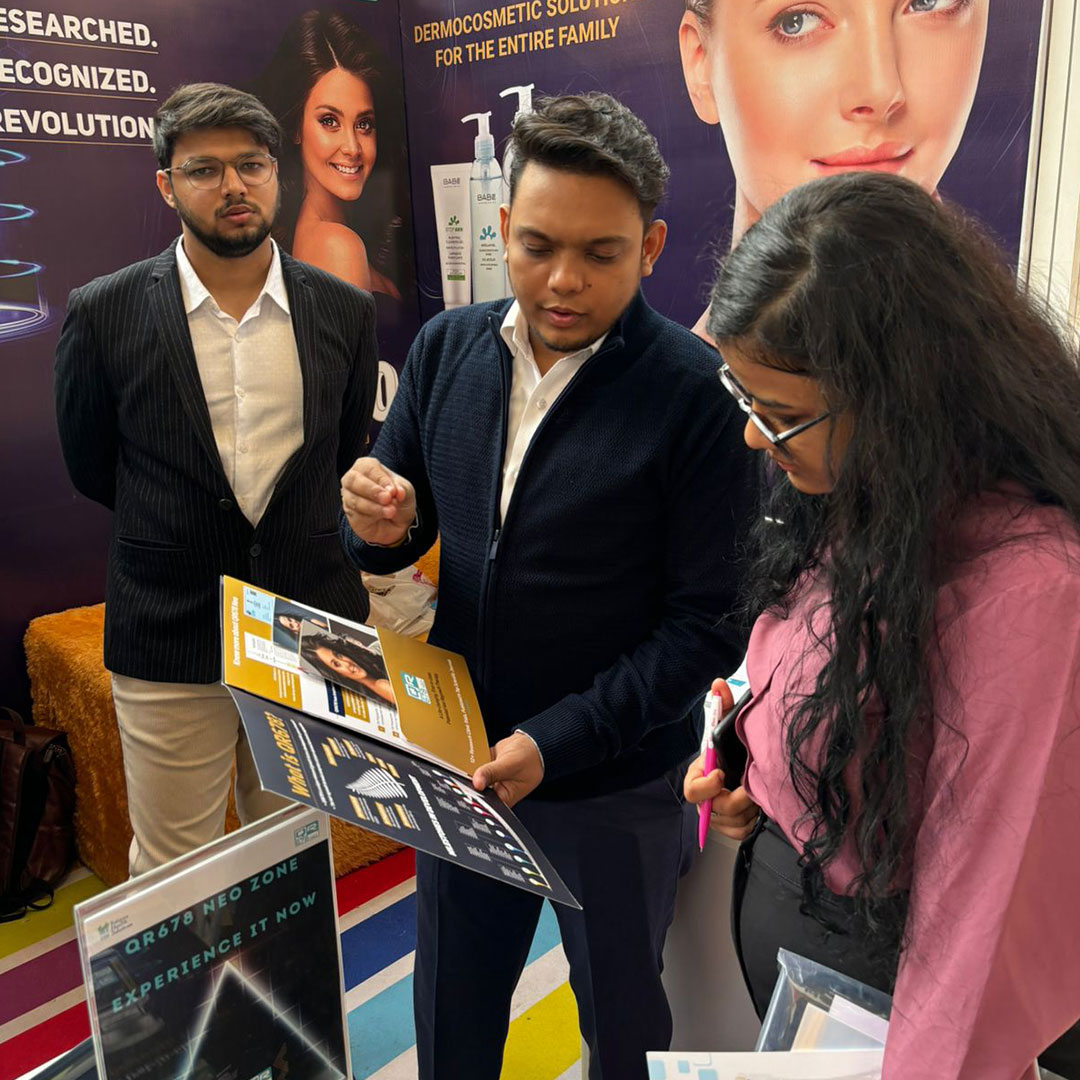
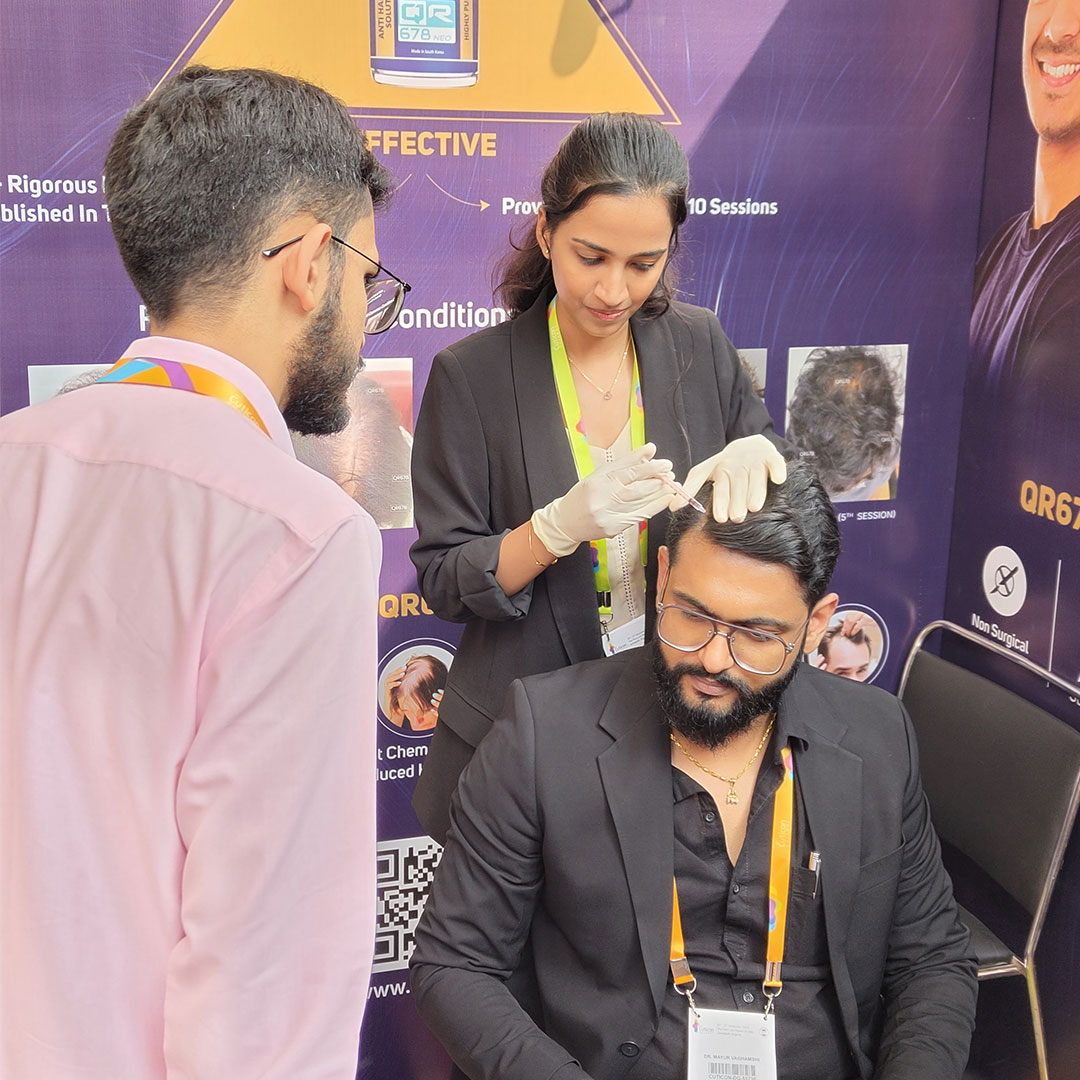
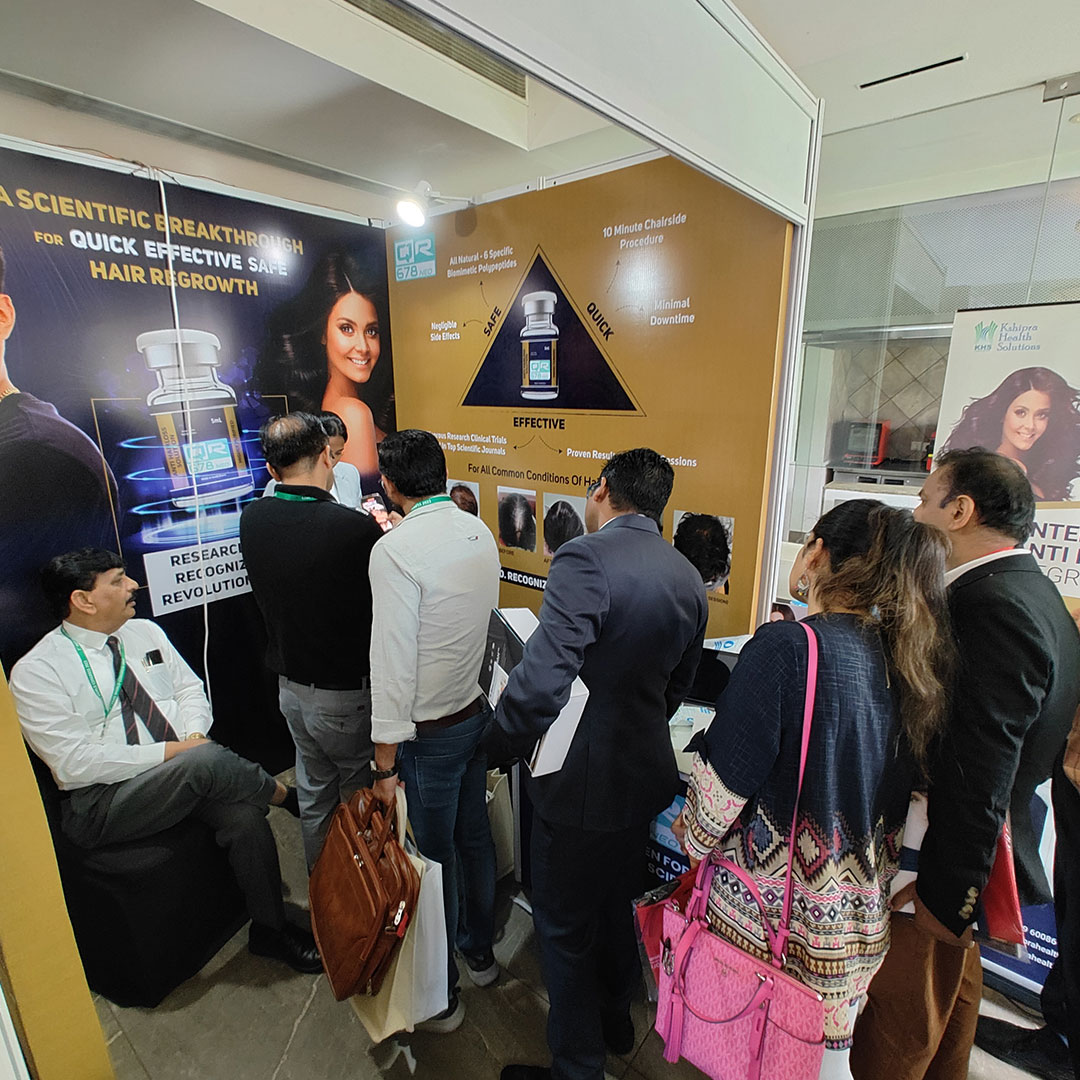
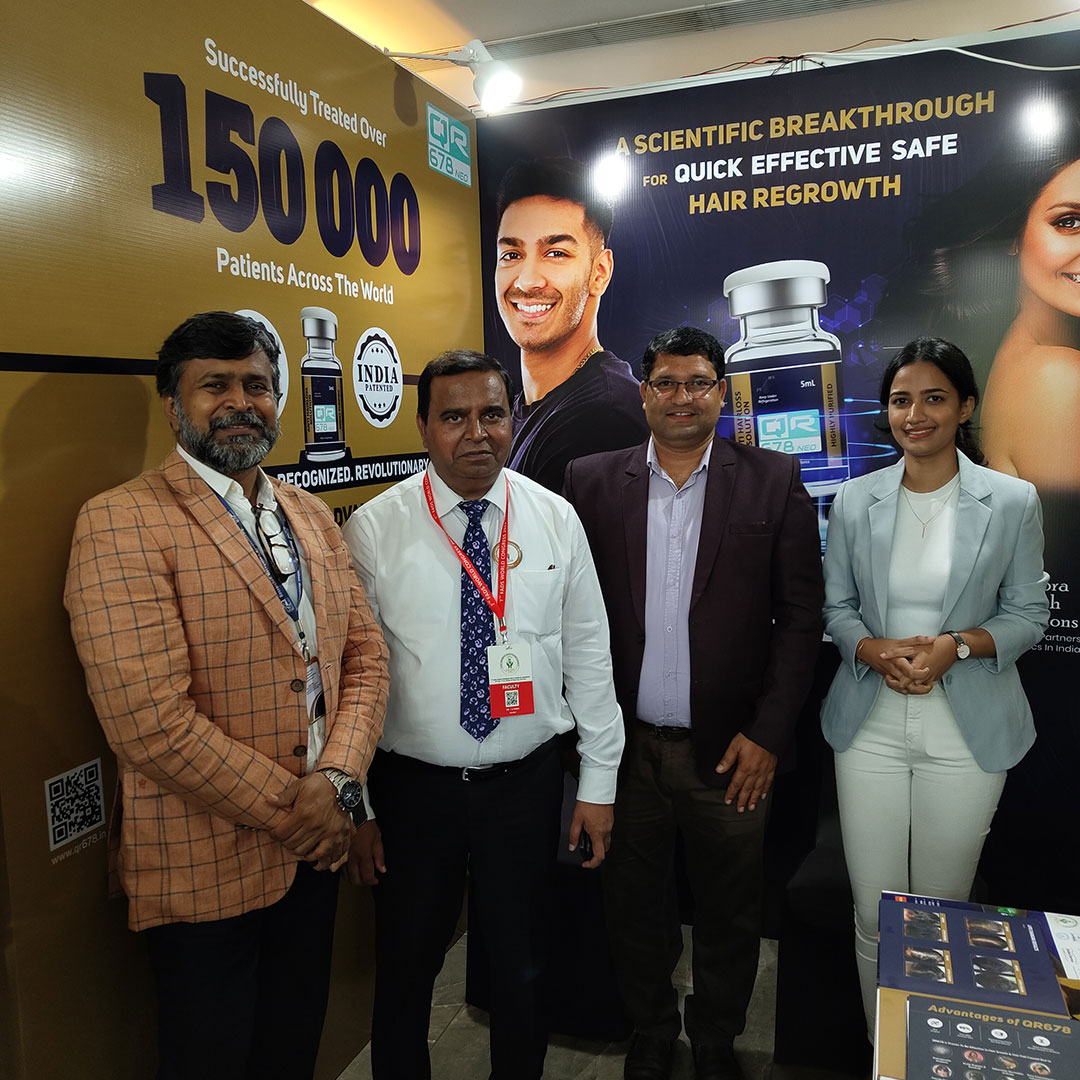
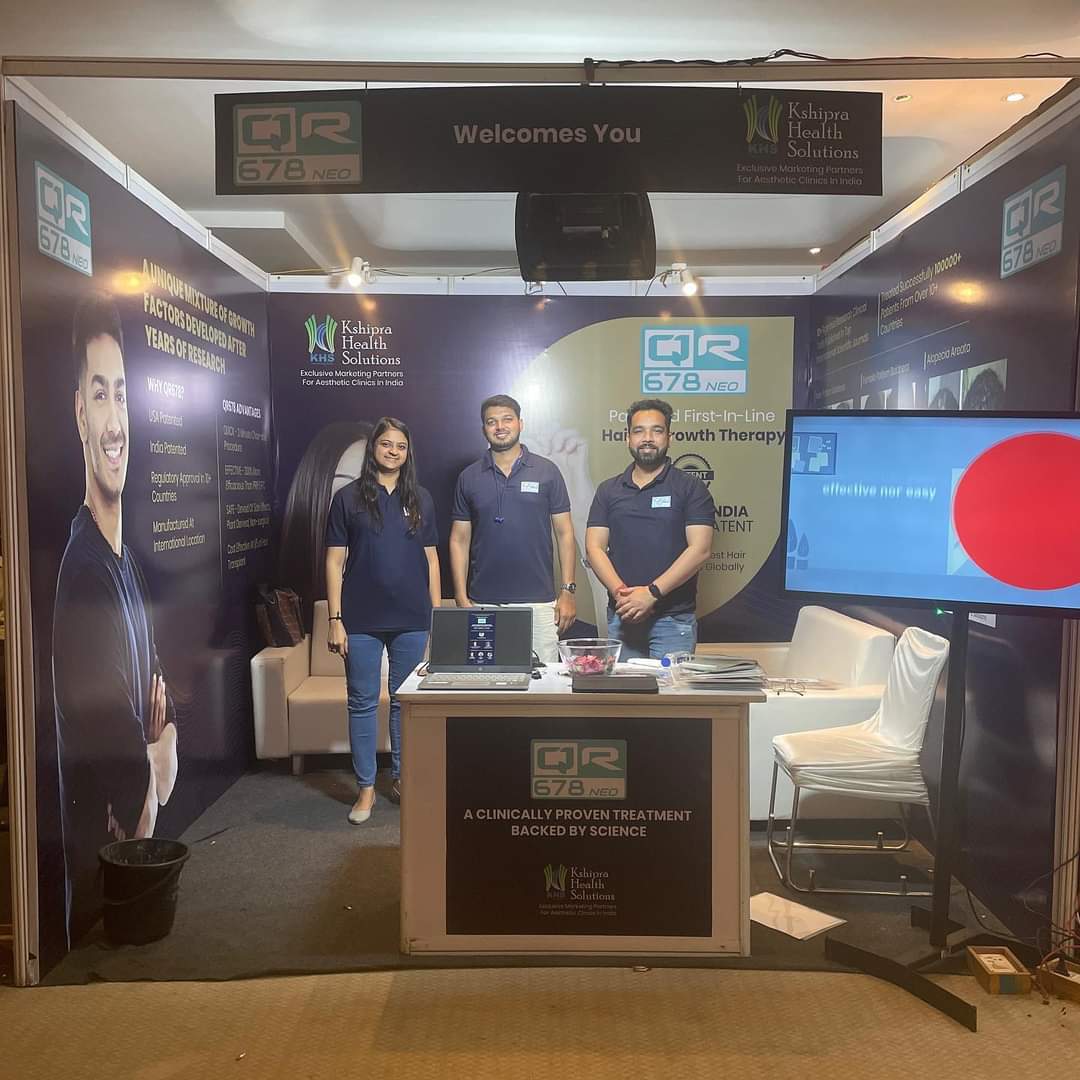
Dazzling moments at Cuticon 2023, Gujarat! QR678 took centre stage, earning accolades from top medical professionals.

FADS – October 2023

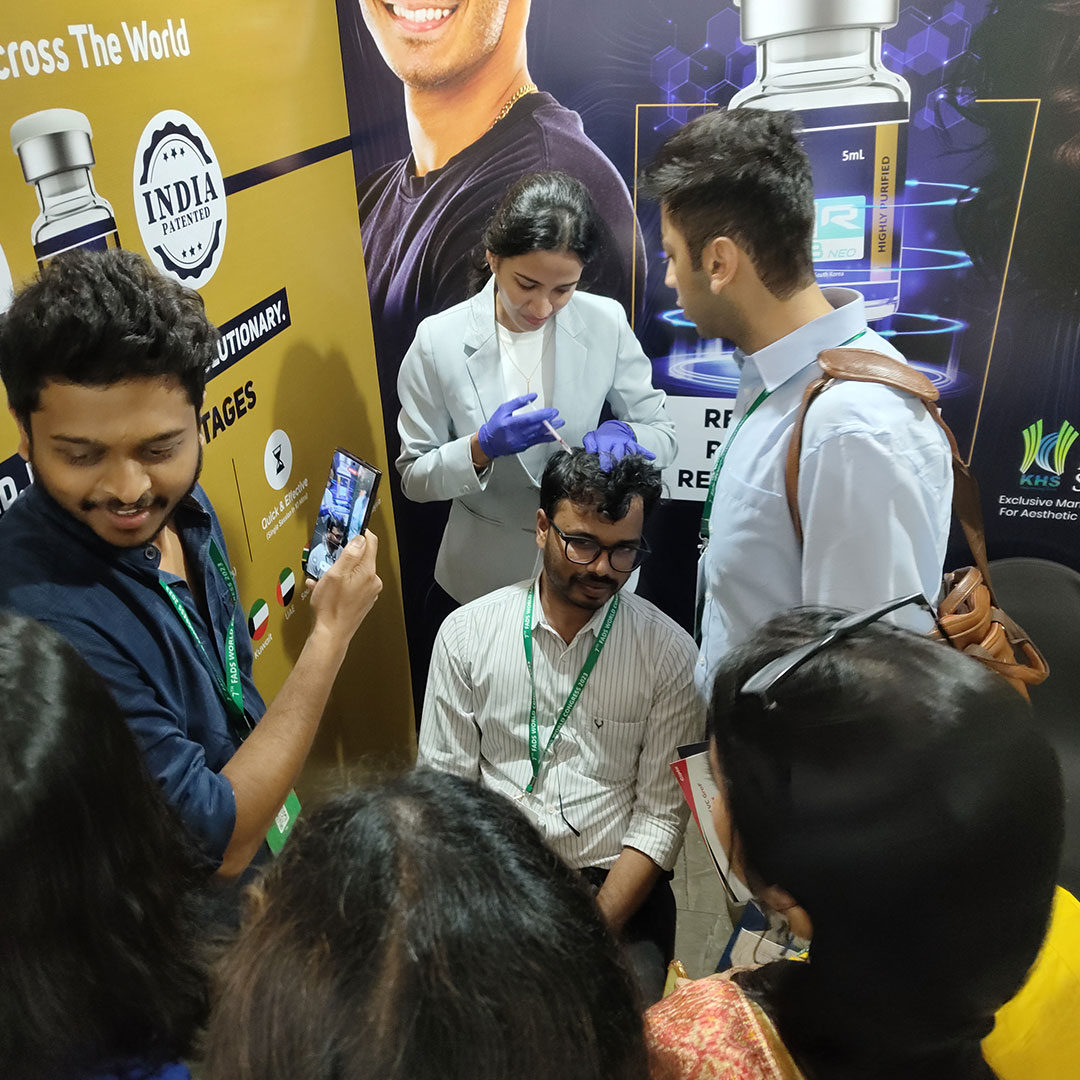
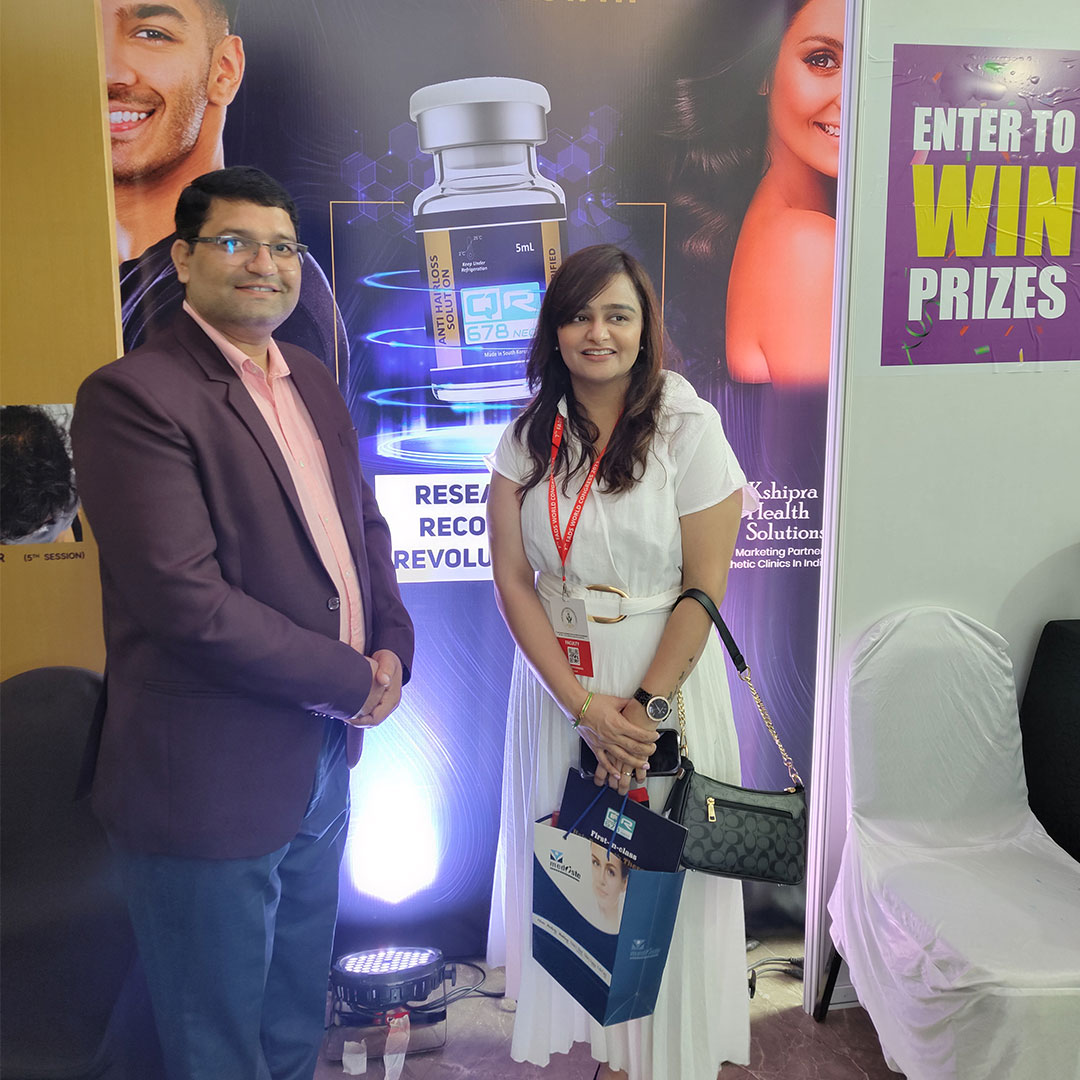
QR678 made it’s presence felt at FADS (Face Aesthetics Dermatologists Society), the 7th International Conference held at Goa. Renowned dermatologists got QR678 Neo administered and shared their positive experience.

CDCON – September 2022

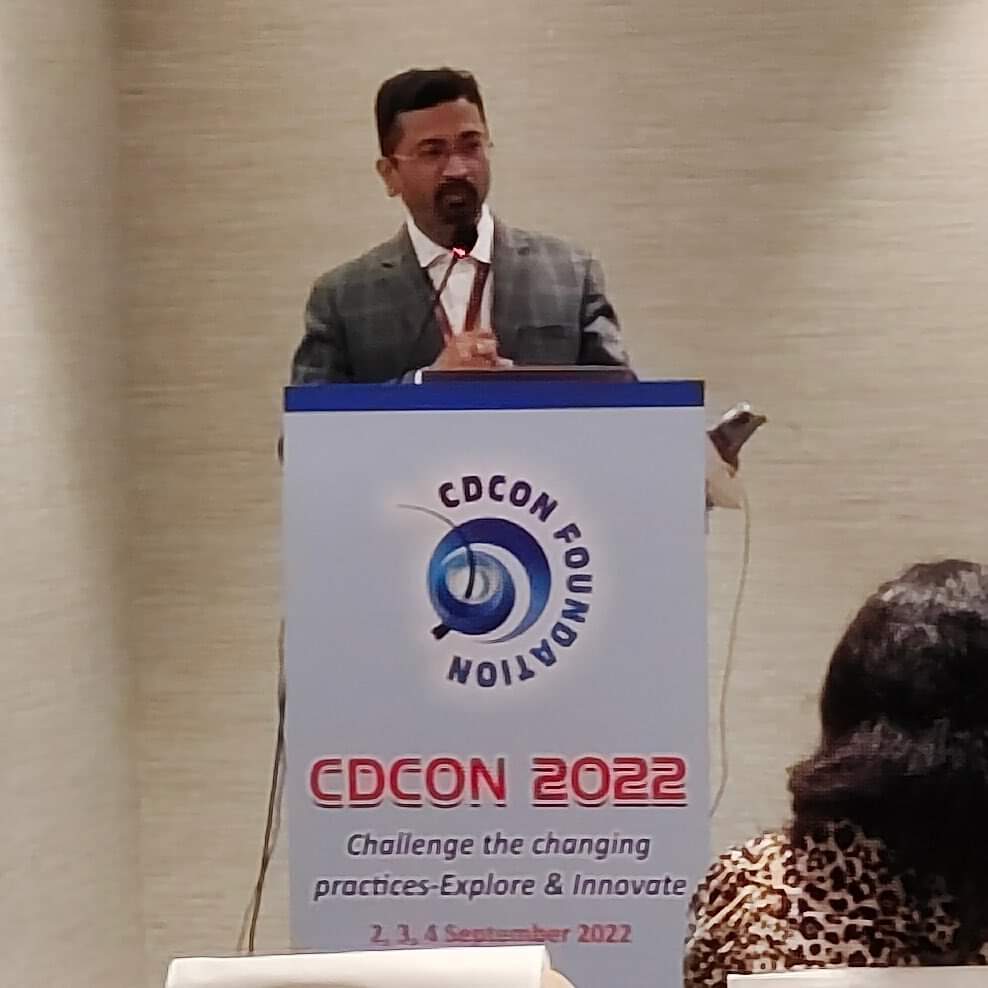
QR678®  drew attention with an enlightening session and live demonstration at CDCON 2022 – a platform to challenge changing practices along the lines of Exploration and Innovation.

GLOBAL PRESENCE

OUR PARTNERS

FAQ'S

QR678® is a mixture of natural growth factors that are already present in the scalp and therefore it is completely safe to use on everybody. It has the right concentration of specific hair growth factors and QR678® does not have any side effects, is performed as an outpatient procedure and the results are visible within eight weeks of starting the treatment. You can listen for yourself what the patients say about QR678® hair fall treatment https://www.youtube.com/watch?v=pIvjpQgSsrc

QR678® injections are administered in 8-12 sessions in about 3-4 weeks apart. The results are visible after few weeks. Once you have achieved the desired results the injections need not be repeated unless the hair fall starts again. This is because QR678® make the hair follicles healthy. Get to know more about why QR678® is highly effective in treating hair fall and increasing hair growth. http://www.qr678.in/

QR678® is a completely safe treatment without side effects and you can go about your daily routine after the sessions. The only care you need to take is to use a gentle shampoo not before the next day of the treatment and avoid scratching and rubbing the treating area. If you have any other problem then consult your dermatologist. https://www.youtube.com/watch?v=LNm2z3EGLxg

Yes, using QR678® after hair transplant produces very successful results. QR678® gives faster density and reduces the catagen loss of transplanted hair. The growth factors in QR678® Neo help in faster healing and activate the dormant follicles and thus

- Increase the viability of hair follicles

- Improve healing and repairing of tissue process

- Strengthen the inactive hair follicles and stimulate hair growth

- Improves the health of existing hair and they will become fuller and stronger

QR678® can be given in multiple treatment sessions after three to four weeks after successful hair transplant surgery. QR678® can also be used before the hair transplant surgery to reduce the area of transplant and  improve the results.

QR678® is a relatively new treatment for hair fall and hair regrowth but in the short time of its invention QR678® has proven to be more effective than PRP and stem cell treatment for reducing hair fall. QR678® produces longer lasting and better results and is completely safe and without any side effects. QR678® can help treat and rogenetic alopecia, female pattern hair loss, and hair loss because of chemotherapy, seborrheic dermatitis, and alopecia areata.

PRP and stem cell on the other hand do not have the specific concentration of required growth factors, they lack standardisation in terms of treatment protocols and preparation of the solution injected and lack good quality studies to prove their benefits. produce guaranteed results and can cause tightness and tenderness in scalp,

scar tissue formation, calcification of the injected points, and formation of scar tissues. Both processes are still under investigation and their results are still awaiting confirmation. Dr Rinky Kapoor of The Esthetic Clinics explains the difference between QR678® and stem cell here: https://www.youtube.com/watch?v=wgNihm8ciu4 and

https://www.youtube.com/watch?v=ZUWXKzVh0PM

Yes genetic hair loss can be treated if the treatment is started in time. Heredity hair loss usually runs in the family and can affect both men and women. If you too have a close elder relative who lost his or hair in a patterned baldness then you should keep a close eye on your hair too. Hereditary hair loss usually happens in a pattern; M or W shaped in men and along the hair part in women. See the doctor immediately if you suffer from hair loss. There are many common and successful treatments available for genetic hair loss which include

- Topical and oral medications: These include Minoxidil topical lotion and Finasteride tablets.

- Hair transplantation using FUT and FUE methods.

- Nutritional supplements: Your physician might also suggest some hair supplements that can help arrest hair fall. Dietary supplements containing Vitamin A, C, and Biotin, zinc, and iron can also help control hair fall caused because of genetics.

Alopecia post chemotherapy is a very common consequence of cancer treatments and therapies and it is often the most psychologically and socially devastating side effect. Many patients shy away from the treatments because of fear of hair fall and hair loss. However, in most cases, such alopecia is reversible but the recovery takes several months and even up to a year. Some basic latest treatment methods will speed up the healing:

- Scalp Cooling: This is a FDA approved method for patients suffering from breast cancer. Scalp cooling or hypothermia results in constriction of the blood vessels in the scalp, which in turn leads to reduced delivery of chemotherapy to the hair. Scalp cooling devices consist of cooling unit that circulate the coolant on the scalp. This is done about 30 minutes before the start of chemotherapy. Patients can feel some mild discomfort, nausea, and dry skin because of scalp cooling.

- Topical Minoxidil: Minoxidil helps by increasing the blood flow to the hair follicle thereby preventing miniaturization of hair follicle.

- QR678® hair regrowth treatment: QR678® is a FDA approved, completely safe hair regrowth treatment that has no side effects or causes any discomfort to the patient. Clinical trials have proved QR678 to be effective in treatment of chemotherapy induced alopecia in both men and women. The results of QR678® last lifelong.

FOR MORE QUERIES

    I agree that my submitted data is being collected and stored.