
Blogs

Share on:

Key Takeaways:

  • Hair loss involves multiple biological mechanisms, including genetic, hormonal, cellular and environmental factors.
  • Current research is examining follicular biology, cellular signalling and hair-cycle regulation to understand how follicles behave.
  • Growth factors and extracellular vesicles are being studied for their roles in cellular communication and follicular activity.
  • An approach should not be called “proven” based on a single study; study quality, objective measurements, follow-up and reproducibility matter.
  • Emerging research is moving towards a more individualised understanding of hair loss, but new findings still need appropriate clinical validation.

Hair fall is not a single disease with one underlying mechanism. The follicle can be affected by genetic susceptibility, hormonal signalling, inflammatory activity, changes in the scalp microenvironment and disruption of the normal hair-growth cycle. This has shifted research beyond simply looking at visible hair shedding. Current studies are examining how follicular cells communicate, how signalling pathways regulate growth, and how the surrounding scalp environment influences follicular behaviour.


This article looks at what recent research is investigating in hair loss, including growth factors and extracellular vesicles, while distinguishing scientific observations from established clinical evidence. 

What Is New in Hair Fall Research?

Recent hair-loss research is looking beyond visible shedding to understand what changes inside the follicle and its surrounding environment. This includes the signals that control follicular activity, genetic and hormonal influences, and changes in the hair-growth cycle. The follicle contains specialised cells such as stem cells and dermal papilla cells that contribute to hair production and regeneration. Researchers are studying how these cells communicate and how pathways such as Wnt/β-catenin and TGF-β influence follicular activity.


Another area of interest is the scalp microenvironment. Factors around the follicle, including blood supply, inflammatory activity and extracellular components, may influence how follicles function. Research is also examining how genetic & hormonal factors affect follicular sensitivity & hair-cycle behaviour. 


Emerging Areas of Hair Fall Research

Research into hair loss is expanding beyond conventional treatment approaches, with scientists examining the cellular and molecular processes that influence follicular function.


Growth Factors and Cellular Signalling

Growth factors are signalling molecules involved in communication between cells. Hair research is examining how these signals interact with follicular cells and signalling pathways involved in tissue repair, cell activity and different phases of the hair cycle. Their biological role is being investigated to better understand changes in follicular function.


Extracellular Vesicles

Extracellular vesicles are small membrane-bound particles released by cells that carry biological molecules, including proteins and other signalling components. Researchers are studying their role in cell-to-cell communication within the follicular environment and their potential relevance to hair biology.


Scalp Microenvironment

The follicle functions within a local biological environment that includes blood vessels, inflammatory mediators, extracellular matrix and neighbouring cells. Research is examining how changes in this microenvironment may influence follicular activity and the maintenance of normal hair growth.


Hair-Cycle Regulation

Hair follicles continuously move through three main phases: anagen (growth), catagen (regression) & telogen (rest). Researchers study shows how changes in the timing or duration of these phases may contribute to excessive shedding, shortened growth periods or reduced follicular activity.


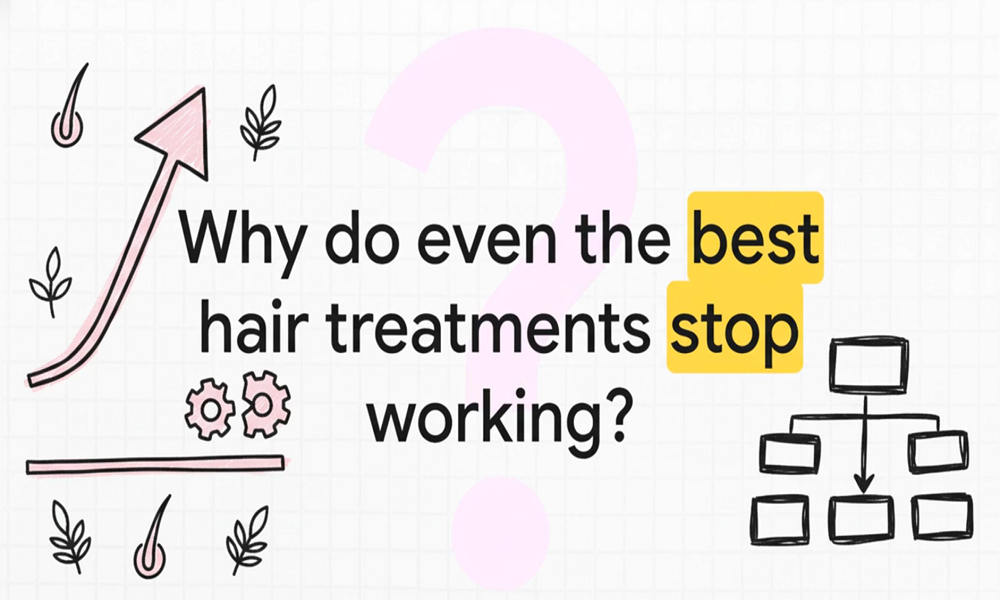
What Makes an Approach “Proven” in Hair Fall Research?

In hair-loss research, the strength of evidence depends on the quality of the study and consistency of its findings, rather than on a single positive result.

  • Study design and sample size: Well-designed studies with an appropriate number of participants provide more reliable evidence. Control groups also help determine whether an observed change is actually associated with the intervention.
  • Follow-up and outcome measurement: Hair growth takes time, so adequate follow-up is important. Researchers may use objective measures such as hair density, hair diameter and standardized photographic assessment.
  • Peer review and reproducibility: Findings gain greater scientific weight when they undergo peer review and are reproduced in independent studies.

A study observation is what researchers measure, such as a change in hair density. Statistical analysis shows whether that finding is likely to be meaningful rather than due to chance. Scientific interpretation then considers what the result means alongside the study’s limitations and other available research.


Where Is Hair Fall Research Heading?

Hair-loss research is moving towards more personalised approaches, with scientists looking at why follicles respond differently between individuals. This includes research into genetic and molecular characteristics that may help explain variations in hair-loss patterns and follicular behaviour.


Other active areas include follicular signalling, growth-factor biology and extracellular vesicles, particularly their roles in cellular communication and follicular activity. Researchers are also studying the scalp microenvironment and investigating biomarkers and molecular profiling that could provide a more detailed picture of follicular health.


These developments may help researchers understand hair loss at a more individual biological level. However, emerging research should not be treated as established treatment evidence until findings are supported by appropriate clinical studies.

Conclusion

Research into hair loss is increasingly focused on how follicles function, communicate and respond to their surrounding environment. Advances in follicular biology, cellular signalling, growth factors, extracellular vesicles and molecular profiling are opening new areas of investigation.


However, promising research findings are not the same as established clinical evidence. When evaluating any hair fall treatment, the quality of the research, consistency of findings and clinical relevance matter as much as the results reported in an individual study.


FAQs

What is the latest hair fall treatment research focusing on?

Current research is looking at follicular biology, cellular signalling, hair-cycle regulation and the scalp microenvironment. Growth factors, extracellular vesicles and molecular pathways involved in follicular activity are also being investigated.


What does research say about genetic hair fall?

Genetic hair loss is influenced by inherited susceptibility and the way hair follicles respond to hormonal signals. Research is examining the molecular mechanisms behind this follicular sensitivity to better understand why certain patterns of hair loss develop.


What is considered a proven hair fall treatment?

A treatment shouldn’t be considered “proven” based on a single positive study. Stronger evidence comes from well-designed research, appropriate controls, adequate follow-up, objective outcome measures, peer review and consistent findings across independent studies.


How is hair fall research evaluated?

Researchers consider the study design, participant characteristics, sample size, control groups, follow-up period and methods used to measure hair-related outcomes. The findings are then interpreted alongside existing research and the study’s limitations.


Why are growth factors studied in hair research?

Growth factors are biological signalling molecules involved in cell communication, tissue activity and follicular processes. Researchers are studying how these signals may influence follicular behaviour and different stages of the hair-growth cycle.


What role does the scalp microenvironment play in hair research?

The scalp microenvironment includes the blood supply, inflammatory mediators, extracellular matrix and cells surrounding the follicle. Research is examining how these components interact with the follicle and may influence its ability to maintain normal hair growth.

Share on:

Key Takeaways:

  • Hair loss involves changes within the hair follicle, growth cycle, and surrounding scalp environment, not just the visible hair shaft.
  • Research into growth factors, stem cells, and the follicular microenvironment is shaping newer approaches to hair-loss management.
  • QR678® is associated with research into growth-factor-based approaches to hair and follicular biology.
  • Hair-growth outcomes depend on the underlying cause of hair loss, follicular health, and an individual’s response to treatment.
  • Advanced therapies should be evaluated through clinical evidence and professional assessment, rather than claims alone.


Hair loss is often treated as if the visible strand is the problem. But by the time thinning becomes noticeable in the mirror, changes may already be taking place within the scalp and hair-growth cycle. That has changed the way doctors approach persistent hair loss. Instead of relying only on products that improve the appearance of existing hair, newer
advanced hair treatment approaches focus on the follicle, its surrounding environment, and the biological signals involved in growth. This shift is opening up new possibilities for people looking for a more targeted hair loss treatment.


Where Hair Loss Really Begins

Hair thinning does not begin on the surface. It starts deep in the scalp. The roots stop receiving support, the growth cycle slows, and hair becomes weak. Oils, creams, and pills can give a better look, but they do not fix what’s broken underneath. That is why many people continue to see their hair fall, even after months of use.


Doctors now understand this better. Instead of treating what’s visible, they look at the health of the scalp. When the base is cared for properly, the hair responds over time.


Growth Factors Guide the Change

Inside the scalp, small signals control hair growth. In people with strong hair, these signals stay active. But when thinning begins, the signals weaken or stop. That is when roots shut down.


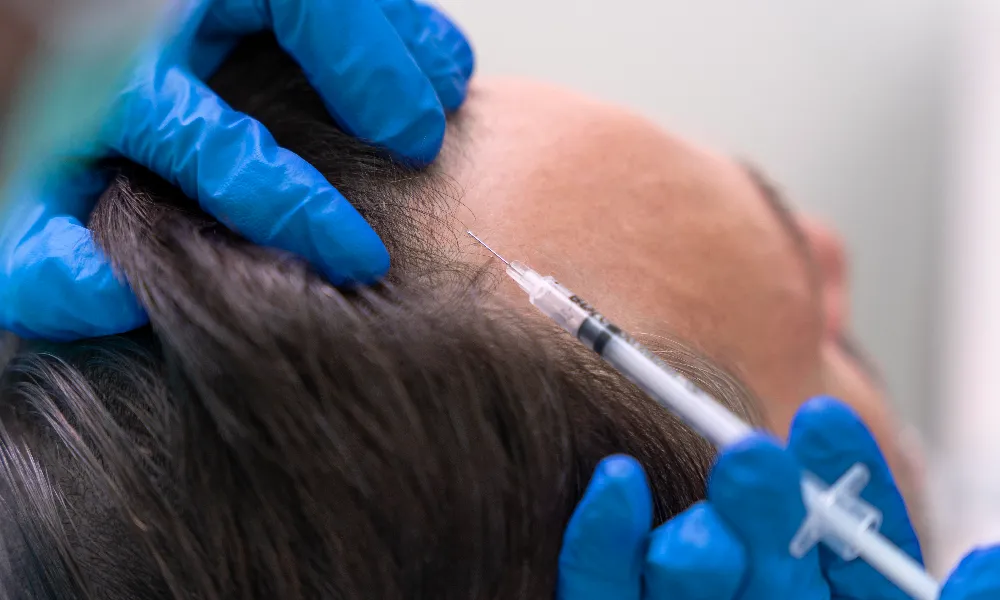
Now, clinics are using growth factors to fix this. These are tiny proteins that guide repair. They are injected into the scalp in small doses, right where the help is needed. They bring those quiet roots back to life. With time, the hair starts to grow again; thicker, stronger, and more stable.


How Growth-Factor Therapy Supports Hair Follicles

Hair follicles rely on a network of signalling molecules to regulate growth, repair, and the hair-growth cycle. Growth factors are part of this signalling system. They help cells communicate and can influence processes involved in tissue repair and follicular activity.


In hair biology, researchers are particularly interested in how these signals interact with the
follicular microenvironment, the cells, blood vessels, and surrounding tissue that support the follicle. When follicular activity declines, supporting these biological signals may help create a more favourable environment for hair growth.


This is where growth-factor-based therapies have gained attention. They focus on the scalp & the biological environment around the follicle. The response depends on the condition of the follicles & the underlying cause of hair loss.


Restoring Dormant Stem Cells

Next to every hair root are stem cells. These control how hair grows and repairs. In cases of heavy shedding or long-term thinning, these cells stop working. But they do not disappear. They are still there, waiting for the right push.


New methods now reactivate these cells gently. They help the body rebuild on its own. When this happens, the scalp shows real signs of recovery. The strands become fuller. The gaps begin to fade.


No More Hormone-Based Side Effects

In the past, many people were given hormone-based pills or strong treatments. Some worked. But others caused issues like weight gain, mood swings, or skin problems. For many, these side effects were worse than the hair loss itself.


That is why the newer options avoid those risks. These treatments do not involve hormones. They do not disturb how your body works. This makes them safer, even for those with other medical conditions. They are also easier to follow. There is no rest needed after each session. Most people go back to their routine the same day. This makes the process more comfortable & practical for anyone.


Progress That Can Be Measured

Each case is tracked closely. Doctors use photos, scalp checks, and strand counts to see what is working. The results are clear, & each person sees the change for themselves. This tracking helps guide the next steps. It shows which roots are active again and where to focus more care.


Exploring Hair Research Through QR678®

Research into hair follicle biology is expanding rapidly, particularly around growth factors, cellular signalling, stem-cell activity, and the follicular microenvironment. QR678® brings these areas of research together to explore how emerging scientific findings may contribute to a better understanding of hair growth and regeneration.


The research focuses on the biological processes involved in follicular activity rather than looking at hair loss only from a cosmetic perspective. This includes examining how signalling molecules interact with follicular cells and how changes within the follicular environment may influence the hair-growth cycle.


A More Natural Way to Grow Again

These new therapies are about trust and time. They do not rely on quick-fix tricks. They support the body’s real way of growing hair. The changes do not happen overnight, but they last longer & feel more natural. That makes a big difference for people who have tried everything before.


Looking Ahead with New Confidence

Hair loss can make people feel stuck. But these new treatments are changing that. With the right hair loss treatment, it is possible to grow hair again and feel good about it. Each advanced hair treatment offers more than hope. It provides a plan that works with your body, at your pace, with real support every step of the way.


Conclusion

The science of hair loss is moving towards a deeper understanding of what happens inside the follicle and the biological signals that influence its activity. Research into growth factors, stem cells, & follicular microenvironment is helping shape this newer approach to hair restoration.


QR678® forms part of this evolving area of hair research, with its work centred around growth-factor-based approaches and follicular biology. However, research and treatment outcomes should always be considered in context, as no single approach is suitable for every type or cause of hair loss. As research continues, the focus is likely to move further towards treatments that are more targeted, evidence-led, & aligned with the biology of the hair follicle.


FAQs

What makes an advanced hair treatment different from conventional hair care?

Conventional hair products mainly focus on cleansing, conditioning, or improving the appearance of the hair. Advanced treatments may target the hair follicle, scalp environment, or biological pathways involved in hair growth.


What are growth factors in hair treatment?

Growth factors are signalling proteins involved in processes such as cell communication, tissue repair, and regeneration. In hair therapies, they are studied for their potential to support follicular activity and the surrounding scalp environment.


What is the connection between QR678® and growth-factor research?

QR678® is associated with research and clinical approaches involving growth factors and hair follicle biology. Its development reflects the broader shift towards studying biological signalling as part of hair-loss management.


What happens to the hair-growth cycle during hair loss?

Hair normally moves through growth, transition, and resting phases. Certain forms of hair loss can shift more follicles into the resting or shedding phase, resulting in increased hair fall or reduced density.


What role do stem cells play in hair growth?

Hair follicles contain specialised stem-cell populations that contribute to follicular regeneration. Changes in their activity can affect the follicle’s ability to maintain normal hair production.


Are non-hormonal hair treatments available?

Yes. Some advanced approaches do not rely on systemic hormonal treatment. However, whether a non-hormonal option is appropriate depends on the underlying cause of hair loss.


Where does QR678® fit into the development of advanced hair therapies?

QR678® represents one example of the broader move towards growth-factor and regenerative approaches in hair research. Its significance should be considered alongside the wider scientific literature and evolving clinical evidence.

Share on:

Key Takeaways:

  • Hair loss can have several causes, so identifying the underlying issue is important before choosing a treatment.
  • A dermatologist can assess your scalp, hair density, thinning pattern, and medical history to understand what may be contributing to hair loss.
  • Professional hair treatment can include medical products, nutritional support, non-surgical therapies, and lifestyle changes, depending on the diagnosis.
  • Treatment needs to be personalised because the same approach may not work for every type of hair loss.
  • Regular follow-ups allow the dermatologist to track changes and adjust the treatment when needed.
  • Professional guidance can help you avoid unsuitable products and treatments that may delay effective care.


Hair loss can feel confusing when it keeps getting worse without a reason. For many people, it starts with light shedding and then leads to visible thinning or bald spots. At this point, expert help is needed. Dermatologists know how to check hair problems and guide people toward the right care. A professional hair treatment begins with a full check and a clear plan based on the person’s condition.


These doctors do not make guesses. They look at the scalp, check the roots, and ask about health, habits, and past issues. Their job is to find out what is wrong and how it can be fixed in a safe and proper way.


Why Expert Care Changes the Outcome

Hair loss may begin due to stress, illness, poor nutrition, or skin conditions. Sometimes it appears suddenly, while in other cases, it builds slowly. What many people do not realize is that surface-level fixes do not address the real cause. An effective hair loss treatment must be based on what is happening inside the scalp, often requiring more advanced hair treatment approaches.


Dermatologists are trained to read these signs. They ask direct questions, perform scalp tests, and may suggest blood work to rule out internal factors. Their role is to connect visible symptoms with underlying issues, which leads to better choices in care.


First Steps in the Diagnosis

Before a treatment begins, dermatologists begin with checks that help them see the scalp condition clearly. This includes:

  • Looking for inflammation, flaking, or blocked follicles
  • Checking hair density and strand strength
  • Studying patterns of thinning across the scalp
  • Reviewing how long the issue has continued
  • Asking about diet, hormones, and recent life changes

These steps help separate common problems from more complex cases. Once the source of the issue is known, the plan is created.


How Professional Hair Treatment Is Structured

Each person has a different scalp condition, hair type, and medical history. This is why one method does not work for everyone. A professional hair treatment is customized based on the findings of the dermatologist, and often includes advanced hair treatment techniques to address complex or stubborn cases.

Some common elements include:

  • Medical shampoos to clean and calm the scalp
  • Creams or drops that help roots grow again
  • Tablets that correct vitamin or iron shortages
  • Non-surgical sessions that boost scalp activity
  • Lifestyle changes to reduce hair stress

The plan is shared in simple steps. Each item is explained so the person understands how and when to use it.


The Importance of Follow-Up

Hair recovery is a slow process. Some people see new hair in two months, others take longer. The follow-up visits help track progress. Doctors check if the scalp is healing, if new hair is growing, and if the plan needs changes.


If the first step does not bring results, they may adjust the method. Because of this constant review, the care stays effective and safe. People are also able to ask questions, report issues, and feel supported throughout.


What Makes Dermatologist Support So Valuable

People who try products on their own may waste time or damage their scalp. Some use strong formulas without knowing the side effects. Others follow advice that works for someone else but not for them. These choices delay healing.


With a trained expert, things change. Dermatologists do not promote random fixes. They focus on what works for each case and remove confusion from the process. They also help people stay motivated and patient through the journey. This level of attention brings better results. It gives people real tools and steady progress they can see.


Conclusion

Hair loss cannot be fixed by surface-level solutions. It needs a plan that starts with finding the real cause. Dermatologists assist with this by using their skills and knowledge, often utilizing advanced hair treatment strategies. They give clear advice based on science and guide each step. With the right care, people can improve their hair health, avoid mistakes like eating from the List of Foods That Cause Hair Loss and feel confident with a trusted hair loss treatment.


FAQs

Why should I see a dermatologist for hair loss?

Persistent hair loss can have many different causes, from stress and nutritional deficiencies to hormonal changes and scalp conditions. A dermatologist can examine your scalp and hair, identify possible contributing factors, and guide you towards an appropriate treatment plan.


What does a dermatologist check during a hair-loss consultation?

The assessment may include scalp condition, hair density, strand strength, areas of thinning, duration of hair loss, medical history, diet, hormones, and recent lifestyle changes.


Can a dermatologist identify the cause of hair thinning?

Yes. By combining the scalp examination with the patient’s history and, when needed, blood tests, a dermatologist can help identify factors contributing to hair thinning or shedding.


What treatments can a dermatologist recommend for hair loss?

Depending on the cause, treatment may include medicated shampoos, topical treatments, nutritional supplementation, non-surgical hair therapies, and lifestyle changes.


Why can’t the same hair-loss treatment work for everyone?

Hair loss can result from different conditions and may affect people differently. A treatment that suits one person may not address the underlying cause in another, which is why dermatologists tailor the treatment plan.


When should I consider advanced hair treatment?

Advanced hair treatment may be considered when hair loss persists, progresses, or does not improve with basic care. A dermatologist can first determine whether such treatment is appropriate.

Share on:

Key Takeaways:

  • Hair loss can have different causes, including genetics, hormonal changes, stress, nutrition, and scalp problems.
  • A professional assessment helps identify what is actually causing the hair loss before treatment begins.
  • Hair treatments can target different parts of the problem, from scalp health to the condition of the hair follicles.
  • Growth-factor therapies aim to support the follicles and their surrounding scalp environment.
  • Microneedling can help deliver selected treatments more effectively to the scalp.
  • Regular follow-ups help doctors see how the hair is responding and adjust the treatment when needed.

Hair loss is a widespread concern that impacts personal confidence worldwide. The demand for global hair treatment solutions is increasing as people look for reliable ways to combat hair loss, especially causes like stress induced hair loss. While many individuals turn to oils, shampoos, or home remedies, these approaches typically do not deliver lasting results. That’s where a professional hair treatment stands apart.


What is the Problem with DIY Hair Treatment Methods?

When faced with hair loss, particularly stress induced hair loss, most people first attempt to find solutions at home. This might involve switching products, looking up tips online, or even trying kitchen remedies. These methods, however, rarely address the deeper issues, especially those common in global hair treatment approaches.


Hair loss can result from stress, hormonal changes, or poor scalp health, all needing specific treatment. Without understanding the root cause, home care offers limited success for stress induced hair loss and for cases that require clinical-grade solutions.


What Makes Professional Hair Treatment Different

There are many reasons why a professional hair treatment gives better results. Here are a few:

  • Accurate scalp check: Professionals use tools to scan your scalp. This shows how healthy your roots are and what stage your hair is in.
  • Custom solutions: Clinics do not use the same method for everyone. They create a plan based on your scalp and hair type.
  • Trained care: Experts are trained to handle different levels of hair loss. They know how to avoid mistakes that can cause more harm.
  • Better products: The treatments use higher-quality products that reach deeper layers of the scalp. These are stronger than regular oils or creams.
  • Support over time: Clinics track your progress. They change your plan if needed. This helps improve the outcome.

These steps are hard to follow at home. You may use the wrong product, treat the wrong cause


What Does a Clinic Usually Offer?

Clinics use many tested methods to treat hair loss. Some of the common ones include:

  • Growth factor therapy: This uses proteins that your scalp needs to grow new hair.
  • Light therapy: It improves blood flow to the roots, making them stronger.
  • Scalp clean-up: Some people have blocked roots due to dirt or oil. Clinics remove this to let hair grow again.
  • Micro-needling: Tiny needles are used to open the top layer of skin. This helps the scalp absorb treatment better.

All these methods are done by trained staff. Most of them are quick and do not cause pain.


Why Results Last Longer

Professional care looks at the full picture. It does not try to fix the hair alone. It works on the root cause. This is why the results last longer. When the roots are healthy, the hair stays strong. The shedding stops, and new strands begin to grow. Also, when people see early results, they are more likely to continue the full plan. Clinics guide you through this journey. That kind of support is hard to get when you treat it alone.


When to Seek Help

You should not wait until the hair loss gets worse. If you notice more strands in the comb or on your pillow, it is time to act. A hair loss treatment works better when started early. Once the roots are fully damaged, it takes longer to bring them back. Getting a check-up from a clinic can help you understand your scalp health. Even if the loss is mild, early care can stop it from becoming worse.


Final Thought

A professional hair treatment is more than a fancy salon visit. It is a planned approach made by people who understand hair and scalp health. These treatments go deeper than home methods & show better results. A good hair loss treatment can help people feel confident again. It works by fixing the problem at its source. For those who want real change should go for expert care.


FAQs

Why does diagnosing the cause of hair loss matter before treatment?

Hair loss can result from different mechanisms, including androgenetic alopecia, telogen effluvium, hormonal changes, nutritional deficiencies, & inflammatory scalp conditions. Identifying the underlying cause helps determine the appropriate treatment approach.


What does a professional scalp assessment evaluate?

A clinical assessment can examine scalp condition, hair density, follicular activity, shedding pattern, and the stage or pattern of hair loss. These findings help guide treatment decisions.


How can professional treatment support hair follicle function?

Depending on the diagnosis, treatment may target the follicular environment through approaches such as growth-factor therapy or controlled microneedling. The objective is to support follicular activity and healthier hair growth.


What are growth factors in hair treatment?

Growth factors are signalling proteins involved in cellular communication, tissue repair, and regeneration. In hair-focused therapies, they are studied for their potential role in supporting follicular activity and the scalp microenvironment.


What role does microneedling play in professional hair treatment?

Microneedling uses controlled microscopic punctures to create temporary microchannels in the scalp. This can facilitate the delivery of selected topical formulations and may also stimulate local wound-healing responses.

Share on:

Key Takeaways:

  • Non-surgical hair restoration includes treatment approaches that target hair follicle function without surgical follicular transplantation.
  • QR678® uses a growth-factor-based formulation intended to support hair follicle activity and the scalp microenvironment.
  • Treatment involves scalp assessment and targeted administration by a trained medical professional.
  • QR678® may be considered for different patterns of hair loss, including stress-associated shedding, depending on the underlying cause.
  • Other non-surgical approaches include low-level light therapy and microneedling-based treatments, which may be used as part of a broader hair-loss management plan.
  • Early evaluation can help identify the underlying cause of hair loss and determine an appropriate treatment approach. 

Hair loss can affect how a person feels about themselves. It changes how they look, and that can lower their confidence. In the past, people had few ways to fix it. Now, in 2026, hair loss can be treated without surgery. Many people are choosing non-surgical hair restoration. It is gentle and easy to follow. QR678® stands out as a professional hair treatment that helps the scalp grow hair again.


Why People Want Non-Surgical Choices

Surgical hair transplants used to be the main option. But they involve pain, long breaks from work, and high costs. Many people do not want that. They want something simple that still works.


Non-surgical treatments offer that path. They do not require sharp tools. There is no need to take a break from daily life. People go in, get treated, and leave the same day. It saves time and feels safer. This is why more people are now choosing non-surgical care for hair loss.


How QR678® Works in Simple Steps

QR678® is made from growth proteins that the body already knows. These proteins help hair roots grow and stay strong. In people with hair fall, these natural signals slow down. QR678® helps restart them. It brings energy back to weak roots.


Here is what happens:

  • A trained doctor looks at your scalp and finds the problem areas
  • A mix of proteins is made for your scalp condition
  • These proteins reach the roots and help them work again
  • New hair starts growing, and shedding becomes less
  • People return to work or home right after the session

There is no bandage. There is no pain that stops daily life. Over time, hair becomes stronger and more balanced.


Why QR678® Is Trusted in 2026

People trust QR678® because it works with the body. It does not force anything. It supports natural growth. This makes the results last longer. It is also helpful for both men and women.


Doctors now use QR678® across the world. It is safe and does not need strong drugs. In early hair loss cases, it shows great results. It also works in more serious cases when used early. Since it works under the skin, the effects are deeper and longer-lasting.


QR678® has also shown positive results in cases of stress induced hair loss, a common condition where emotional or physical stress causes sudden hair fall. This makes it a versatile option in both general and specific hair loss cases.


Other Non-Surgical Options Being Used

There are also other non-surgical methods that help hair regrow. These are used along with QR678® in some clinics:

  • Laser light treatments to improve blood flow
  • Oxygen therapy to clean the scalp and roots
  • Rolling tools to open the top layer for better serum entry
  • Plant-based oils that soothe dry or red patches

All of these options do not require surgery. They are done in small sessions, and most people feel no pain.


What People Are Saying After Treatment

People who use QR678® say their hair feels fuller. They notice less hair in their hands or comb. Some say small new strands are growing again. Others say they feel happy looking in the mirror.


Doctors also report fewer complaints and steady improvement. QR678® does not use hormones or harsh chemicals. This makes it safer. It is seen as a step forward in caring for the scalp in a natural way.


What May Come Next

Experts are still studying QR678®. They want to make it better. Work is being done to make each session quicker and simpler. In the future, fewer visits may give the same good results.


As more people learn about non-surgical care, demand will grow. QR678® is one of the strongest options today. It brings hope to those who want their hair back without pain or cuts.


Final Thought

Hair problems do not have to stay unsolved. Non-surgical hair restoration is showing what is possible. With new choices like QR678®, people can take back control. These treatments are gentle, safe, and based on real science. The future of hair care is here, and it does not need a knife to make a difference.


FAQs

What is non-surgical hair restoration?

Non-surgical hair restoration refers to treatment approaches that aim to support hair follicle function and hair growth without surgically extracting or transplanting follicles.


How does QR678® work?

QR678® uses a growth-factor-based formulation that is administered to the scalp with the aim of supporting hair follicle activity and promoting healthier hair growth.


What role do growth factors play in hair growth?

Growth factors are signalling proteins involved in cellular communication, tissue repair, and regeneration. In hair biology, they can influence processes associated with follicular activity and the hair-growth cycle.


How is QR678® administered?

The formulation is delivered to targeted areas of the scalp using a minimally invasive administration technique. The treatment is performed following an assessment of the patient’s scalp and hair-loss pattern.


Can QR678® be used for stress-induced hair loss?

QR678® may be considered in cases of stress-associated hair shedding, but the underlying cause and severity of hair loss should first be assessed by a qualified medical professional.


Is QR678® suitable for both men and women?

Yes. QR678® can be considered for both men and women experiencing hair thinning or hair loss, provided the treatment is clinically appropriate for their individual condition.

Share on:

Hair restoration has long been described in the language of stimulation. More growth factors. More peptides. More biological activity. Yet hair follicles do not live as isolated targets waiting to be switched on. They sit inside a connected ecosystem where cells, matrix, vessels, and immune signals are constantly talking to each other.


Biology is not random stimulation. It is organized communication.


That simple shift in perspective changes everything. The question is no longer only “What can we add?” It becomes: “How is the scalp’s biology actually communicating, and how can that communication be designed more intelligently?”


This is the philosophy behind Cross‑Pathway Regulated Organization – a framework that treats hair‑restoration biology as an interconnected signalling system rather than a list of ingredients.


Why organization became necessary

Clinical practice and real‑world follow‑up make one thing clear: hair biology does not behave like a linear input–output system. Two patients can receive similar categories of interventions and yet show very different patterns of change over time. Even on the same scalp, some regions may progress visibly while others shift more slowly.


In other words, outcomes do not depend only on what the scalp receives. They depend on how those signals are organized and processed across the network.


Hair follicles cycle through anagen, catagen, and telogen, guided by a combination of growth‑supportive and regression‑leaning cues. Survival pathways, proliferation pathways, angiogenic support, inflammatory tone, and matrix signals interact continuously rather than in isolation. No single pathway is new. What is often missing is a deliberate way of structuring how these familiar pathways talk to each other in space and time.


Hair follicles behave less like isolated targets and more like connected biological ecosystems.


Once that is acknowledged, stimulation alone begins to feel incomplete as a philosophy. Regenerative medicine starts to look less like “how loud can we make the signal?” and more like “how coherent can we make the conversation?”


The future of regenerative aesthetics may depend less on stronger stimulation and more on structured communication.


What Cross‑Pathway Regulated Organization means

Cross‑Pathway Regulated Organization is a way of understanding the scalp as a signalling environment in which multiple biological pathways continuously influence one another. Instead of viewing each follicle as a point that independently receives an intervention, the framework assumes that every follicle is influenced by:


  • Its immediate microenvironment
  • Neighboring follicles and dermal structures
  • Vascular and immune context
  • The balance between activating and inhibitory cues 

Cross‑Pathway Regulated Organization rests on three principles:

Cross‑pathway – Hair biology is governed by interacting signals rather than isolated pathways. Growth, regression, inflammation, vascular support and matrix remodelling influence one another continuously.

Regulated – The aim is not indiscriminate activation. It is to support a more favourable balance between activating, inhibitory and maintenance-associated signals across the follicular environment.

Organization – Biological output depends on how signals are sequenced, distributed and sustained over time, rather than only on how many actives are delivered.


Cross‑Pathway Regulated Organization is the layer where biology stops being a list of actives and becomes a deliberately regulated pattern of communication.


This positioning is deliberate. The framework does not claim to orchestrate every pathway or to exert system‑wide command. It does not present itself as simple nourishment, maintenance, or generic support. It occupies a specific scientific space: structured biological signaling.


Cross‑Pathway Regulated Organization is ultimately a framework for improving biological coordination across the scalp environment. It may represent the missing layer between reproducible biological inputs and more coherent regenerative outcomes.

How protocols become a continuous conversation

When you look at hair biology as a communication network, it becomes natural to see in‑clinic treatments and home care as different parts of the same conversation. In‑clinic interventions delivered via injections, provide high‑intensity, tightly structured inputs at specific points in time. They act as activation events for the network.


Daily shampoos, scalp serums and nutraceuticals delivered orally, are not just cosmetic add‑ons sitting around that core. They are the lower‑intensity, higher‑frequency signals that maintain the communication pattern between visits. In Cross‑Pathway Regulated Organization, clinic and home care together determine whether the scalp receives disconnected episodes of stimulation or a sustained, regulated signalling environment. The protocol becomes coherent only when both layers are designed to reinforce compatible biological directions.


How the framework reads hair biology

Within this framework, familiar aspects of hair biology are re‑read through a communication lens.


Hair follicles transition through growth, regression, and rest under the influence of multiple overlapping signals. Growth‑supportive cues often intersect with pathways such as PI3K–AKT, MAPK–ERK, and angiogenic cascades. Counterbalancing influences can arise from regression‑leaning mediators, anti‑growth tones, and inflammatory noise within the tissue.


The innovation here is not the discovery of new pathways. It is the decision to treat their arrangement in space and time as a primary design parameter.


Cross‑Pathway Regulated Organization asks:

  • Which cross‑pathway relationships are likely to support or oppose a regenerative direction?
  • Where might inflammatory, regression-associated or otherwise conflicting signals weaken that direction?
  • How can signalling across scalp regions be made more coordinated over time?

In simple terms, the framework asks whether hair biology responds better to isolated stimulation or to organized signaling environments.

In this sense, Cross‑Pathway Regulated Organization treats the scalp as a biologically coupled system. What matters is not only which signals are present, but how their relationships are regulated into a pattern the tissue can interpret consistently.

How inputs can align with Cross‑Pathway Regulated Organization

Once Cross‑Pathway Regulated Organization becomes the guiding philosophy, biological inputs must be considered in relation to the pathways and signalling contexts they may influence. Inputs needed to be:

  • Biologically relevant to hair‑supportive signaling
  • Sufficiently defined to be reproducible
  • Suitable for influencing communication at the level of the network, not just a single point

This is where biomimetic peptide logic became a natural fit.


Biomimetic peptides are designed to echo elements of the body’s own signaling language. When such peptides are selected for their relevance to hair biology and used in carefully considered combinations, they offer a way to speak to the scalp in a structured, interpretable manner.


Plant‑derived and plant‑inspired sources often add another layer of comfort; many clinicians and patients perceive them as safer and more physiologically acceptable, provided they are well‑characterized and supported by data.


Within Cross‑Pathway Regulated Organization, these inputs are not selected as a shopping list of actives. They are selected for how they may contribute to a more coherent balance of regenerative, inhibitory and maintenance-associated signalling.


In practice, this architecture expresses itself at two levels. The in‑clinic formulation concentrates signals to reshape the network at key time points. The shampoo, serum and nutraceutical layer then carries the same communication logic into everyday life, so the scalp keeps receiving compatible messages instead of a series of disconnected instructions. The same Cross‑Pathway Regulated Organization logic guides both: what changes is the intensity and rhythm, while the intended biological direction remains aligned.


It is not louder biology. It is more deliberately structured biology.

Why Cross‑Pathway Regulated Organization must sit above products

A framework gains value when it can outlive any single formulation.


Cross‑Pathway Regulated Organization was not conceived as a label for one protocol. It was distilled from years of observing real‑world behavior in hair biology and recognizing that outcomes reflected communication patterns, not just ingredient lists.


Products can emerge from this framework. Formulations can be built to embody its principles. Protocols can be refined to better align with organized signaling behavior.


But the framework itself must remain larger than any individual regimen.


That separation is strategically important:

  • Frameworks can be discussed in scientific forums
  • Frameworks can evolve as biology is better understood
  • Frameworks can extend into future categories
  • Frameworks can anchor an ecosystem without being bound to one commercial expression

This is also why Cross‑Pathway Regulated Organization is described as sitting above any single in-clinic session, shampoo, serum, or nutraceutical. The framework does not exist to promote one product; it exists to insist that every component of a hair‑care ecosystem – from the in‑clinic therapy to the daily wash, leave‑on serum and oral nutritional support – should be designed as part of one regulated signalling map for the scalp. When that map is coherent, maintenance and home care stop being “supporting actors” and become the continuity layer that allows network‑level biology to stay organised over months and years.


A useful way to remember the philosophy

Many people find it helpful to think about music.


Before any performance, instruments must be tuned. But tuning alone does not create music. For music to exist, there must also be a structure – a score, a sequence, a logic that tells each instrument how and when to contribute.


Cross‑Pathway Regulated Organization is that regulatory layer in biology. It is not the act of playing louder, and it is not the full performance. It is the decision that there will be a score at all: that signals will not appear randomly, but in patterns that can be understood, repeated, and refined.


The future of advanced hair‑restoration biology will likely belong to frameworks that think this way. Not just in terms of what is delivered, but in terms of how biological communication is organized.


That is what Cross‑Pathway Regulated Organization stands for: a commitment to recognising the interplay between biological pathways and shaping that interplay toward clearer, more coherent communication rather than chance.

FOR MORE QUERIES

    I agree that my submitted data is being collected and stored.