Understanding the Role of EGR2 in Hair Follicle Stem Cell Activation
Hair follicles are among the few structures in the human body capable of continuous self-renewal. This regenerative ability depends largely on hair follicle stem cells (HFSCs), which remain dormant for periods before activating to initiate new hair growth. When this balance between rest and activation is disturbed, visible changes in hair density and cycling may occur. For this reason, modern regenerative research has increasingly focused on the molecular regulators that influence stem cell behavior.
One such regulator is Early Growth Response 2 (EGR2), also referred to as KROX20. Traditionally studied for its role in nervous system development, EGR2 is now gaining attention within follicular biology. Scientists recognize it as a transcription factor that helps cells respond to external signals by switching specific genes on or off. This ability to coordinate cellular responses has positioned EGR2 as an important molecule in ongoing research related to stem cell therapy for hair loss and emerging approaches to hair follicle regeneration therapy.
Hair Follicle Stem Cells and Their Microenvironment
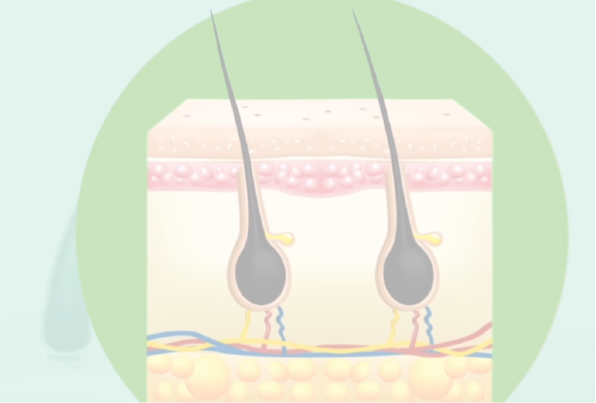
HFSCs are located primarily in the bulge region of the follicle, where they serve as a reserve population for regeneration and repair. Their behavior is shaped by a complex network of signaling pathways—including WNT, BMP, Hedgehog, Notch, and TGF-β—that guide decisions related to proliferation, differentiation, and dormancy. Even subtle disruptions within these pathways can influence how effectively follicles re-enter the growth phase.
Current research suggests that EGR2 acts as a link between signals from the surrounding niche and the internal machinery that governs stem cell activation. Its presence alongside recognized bulge markers supports the idea that it helps preserve the “stemness” of these cells while still allowing them to activate when conditions require it. Baseline activity appears to stabilize the niche, whereas controlled increases in expression encourage regenerative entry into the hair cycle.
This capacity to balance rest and renewal is central to scientific exploration involving stem cells for hair loss, where long-term follicular function depends not only on activation but also on the preservation of the stem cell pool.
Structural Design and Molecular Partnerships
The EGR2 gene resides on chromosome 10 and encodes a zinc-finger protein capable of functioning either as a transcriptional activator or repressor depending on cellular context. Its structure allows it to bind DNA with high specificity while interacting with several cofactors that shape transcriptional outcomes.
Among its known partners are NAB1 and NAB2, proteins that help regulate transcriptional intensity, as well as epigenetic co-activators involved in chromatin remodeling. Through these interactions, EGR2 effectively translates environmental cues into gene expression changes. Single-cell RNA sequencing has even identified transient EGR2 expression in activated HFSC populations, hinting at its involvement during critical regenerative transitions.
Such findings are particularly relevant when considering scientific pathways that may inform stem cell treatment for hair loss, where intracellular signaling often determines whether follicles remain inactive or return to productive growth.
A Carefully Controlled Transcriptional Response
One of the defining characteristics of EGR2 is how quickly it responds to growth factors, cytokines, and cellular stress. Once activated, it influences processes ranging from cell-cycle progression to inflammatory signaling. Within hair follicles, this responsiveness is moderated by an autoregulatory loop involving NAB proteins. EGR2 stimulates NAB production, and these proteins in turn temper its transcriptional activity by modifying histones or limiting co-activator access.
This feedback mechanism is thought to prevent excessive differentiation while maintaining regenerative readiness. Similar regulatory patterns are observed in immune function and nerve cell development, suggesting that EGR2 participates in deeply conserved biological systems.
Epigenetic Timing in the Stem Cell Niche
HFSC activation is not driven by transcription factors alone; it also relies on epigenetic timing. EGR2 expression rises during the transition from the resting (telogen) phase to the growth (anagen) phase, aligning with the moment stem cells prepare to proliferate.
Histone acetylation increases accessibility at the EGR2 promoter, encouraging transcription, while histone deacetylation suppresses it when dormancy is required. Activating methylation marks tend to accumulate during growth phases, whereas repressive marks help maintain quiescence. Chromatin-remodeling complexes further refine this balance by either opening or restricting access to DNA.
MicroRNAs add another layer of precision. Some help preserve dormancy by suppressing EGR2, while others fine-tune its expression during activation. Together, these mechanisms create a flexible regulatory environment capable of adapting to changing biological signals. This adaptability is one reason epigenetic regulation continues to attract interest in research on hair follicle regeneration therapy.
Regeneration, Repair, and Niche Stability
Beyond transcriptional control, EGR2 appears to support broader regenerative processes. It has been associated with keratinocyte migration during wound healing and with extracellular matrix production in fibroblasts—both essential components of tissue repair. In mesenchymal stem cells, it may also promote anti-inflammatory signaling, helping cultivate an environment more conducive to regeneration.
Within the follicle itself, EGR2 regulates growth factor expression and facilitates the shift of HFSCs from quiescence into controlled proliferation through pathways such as MAPK/ERK and PI3K/AKT. Studies showing impaired hair growth following genetic loss of Krox20 further emphasize its biological relevance.
Since chronic inflammation is known to contribute to follicular miniaturization, the protective influence of EGR2 within the stem cell niche may hold significance for future regenerative investigations.
Looking Ahead
EGR2 can be understood as a context-dependent transcriptional switch operating at the intersection of signaling pathways, immune modulation, and epigenetic control. Although further research is necessary to clarify its exact role within bulge stem cells, its central position in follicular biology makes it an increasingly compelling subject of study.
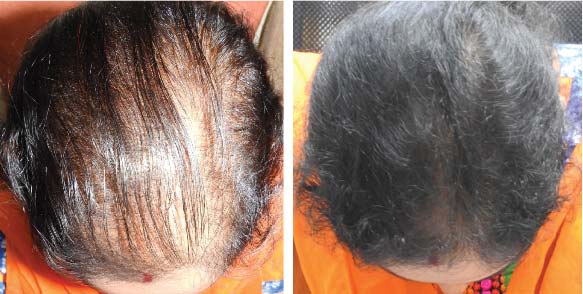
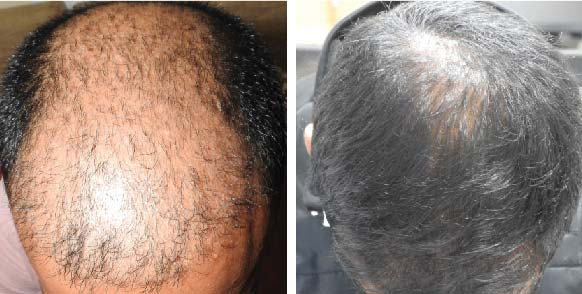
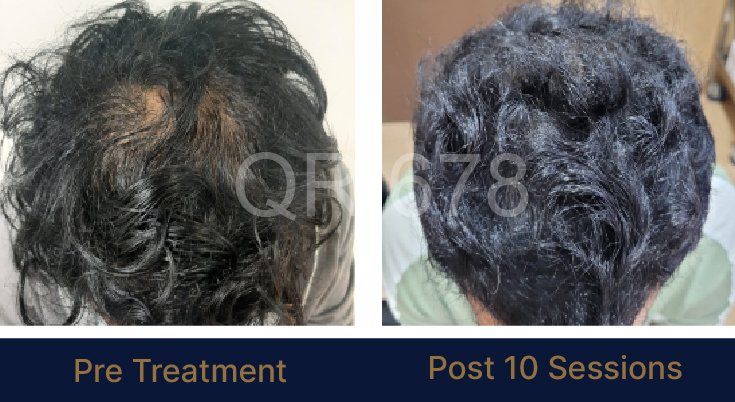
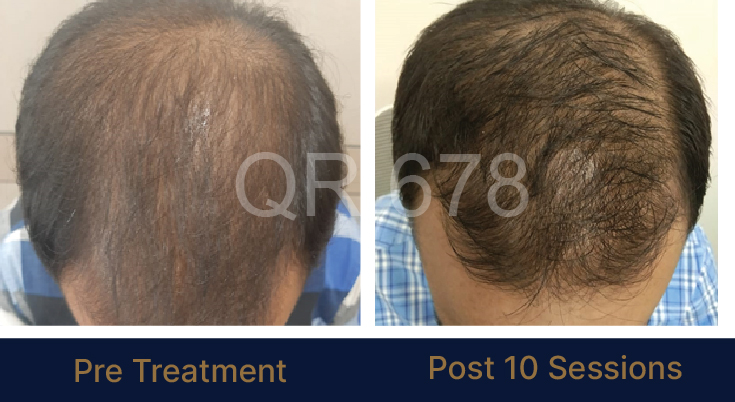
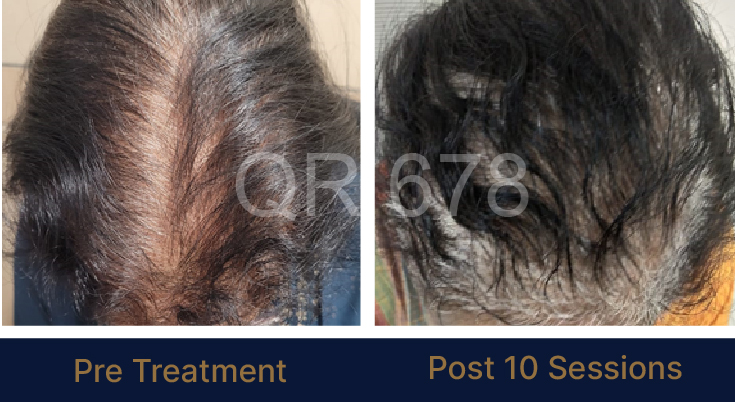
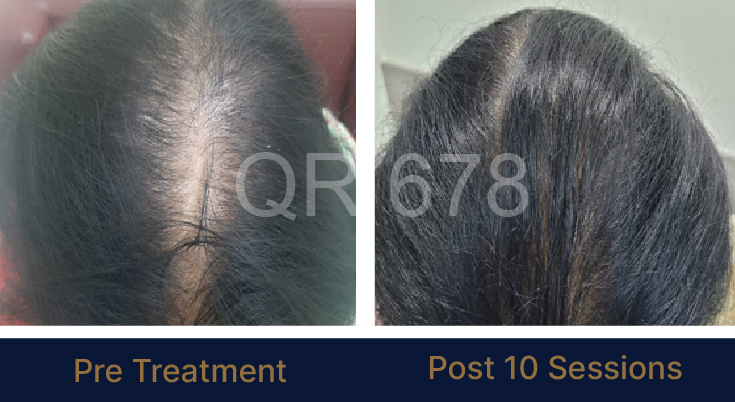
As genomic and translational research continue to advance, regulators like EGR2 may help shape next-generation thinking around stem cell therapy for hair loss. Early observations involving bioactive agents that influence EGR2-linked pathways suggest growing scientific momentum toward strategies aimed at supporting sustained hair regeneration while preserving the integrity of the stem cell niche.