
What clinics usually skip when talking about hair transplant side effects.
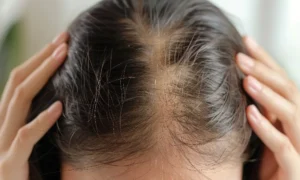
Hair transplantation has become a huge part of the cosmetic industry. Everyone wants that smooth look on top of their head. And it’s being pushed hard by clinics. If you’ve been on the internet at all, doing any type of research, then you know that acronyms such as FUE and FUT are plastered all over the internet. It’s easy to get caught up in all that glamourized celebrity photos. But there is a flip side that is never talked about. You really need to know hair transplant side effects before sitting in that chair. Let’s get past all that marketing jargon and really take a look at what hair transplant side effects long term are.
Let’s get to the basics. What is a Hair transplant?
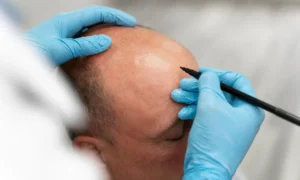
A transplant is basically just moving hair from one place to another. A surgeon takes follicles from a “donor area”—usually the back of your own head—and puts them where you’re balding. People get this done for pattern baldness, stress-related shedding, or scarring. There seems to be a surgical pitch for almost every hair problem now. But the surgery itself is just the beginning of the story.
What is the difference between FUT and FUE?
You’ll hear about FUT and FUE a lot. The main difference is just how the surgeon gets the hair out. With FUT (Follicular Unit Transplantation) , they cut a strip of skin from your scalp, chop it into tiny pieces, and implant those. FUE(Follicular Unit Extraction) is different. They punch out individual hair follicles one by one. On paper, both sound pretty straightforward. In practice, they both carry baggage that shows up long after the initial healing is done.
Right after the procedure, you’re going to feel rough. That’s just how surgery works. Your scalp will be tight, red, and swollen. Most people get scabbing and some pain when the numbing wears off. That usually clears up in a few weeks. What most people don’t talk about is what happens months or years later.
When the initial dust settles, things can get complicated. Plenty of people get good results. But ignoring what can go wrong down the line is a mistake. Here is what you actually need to watch out for.
Every time you cut skin, it scars. Period
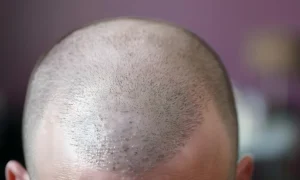
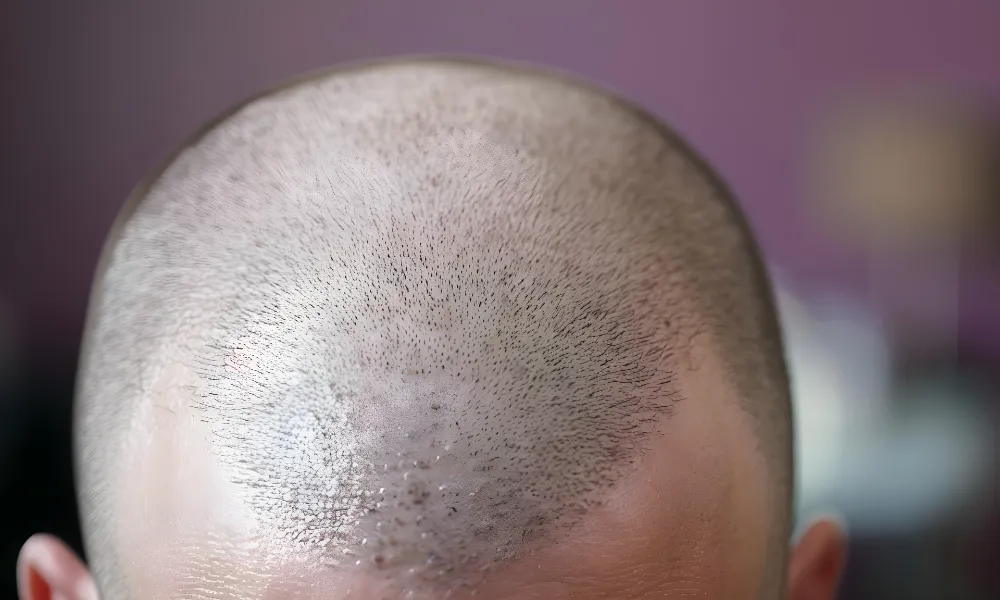
FUT leaves a straight line across the back of your head. Buzz your hair short, and everyone will see it. FUE leaves tiny dot scars. They are harder to spot, but if a surgeon takes too much hair over a few sessions, the back of your head can end up looking thin and patchy over the years.
The dreaded “Island” Effect
This one is incredibly frustrating. A transplant doesn’t cure hair loss. If you get a solid new hairline at 30, but your natural hair keeps receding behind it for the next ten years, you end up with a weird patch of transplanted hair sitting all by itself at the front. It looks completely unnatural. Fixing it usually means more surgery and spending a lot more money.
Imagine paying for more hair, and then your old hair falls out. This is called shock loss. The trauma of the surgery can force your existing hair follicles to just shut down and shed. Sometimes it grows back. But if those native hairs were already weak, they might be gone for good.
Heard of Folliculitis?
Sometimes your scalp just rejects the whole situation. Folliculitis, as it’s called, is when the hair follicles get infected or inflamed. It tends to show up early, but some people experience chronic problems with it for years. You get these red, itchy, pimple-like bumps, and if you just leave it alone, it can even damage the hair around it.
The mental side of this gets ignored a lot. Losing your hair is already tough on your confidence. But a botched transplant is worse. Waiting a year or more to see the final result is stressful. If you end up with bad scars or a pluggy hairline, the anxiety can be heavier than it was before you ever walked into the clinic. You basically just trade one problem for another.
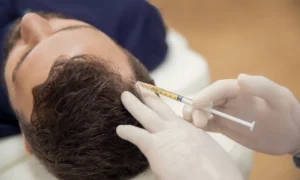
Surgery shouldn’t be your first move. If you want to avoid these long-term issues—or if you just want to protect the hair you still have—you need to look at medical therapies first.
That is where hair wellness brands like QR678 come in. It’s an FDA-approved, non-surgical option. Instead of cutting, it uses specific bio-mimetic growth factors to revitalize hair and scalp.
Deciding to fix your hair is a big deal. The tech is better than it used to be, and some results are great. But walking in without knowing the risks just sets you up for a risky output. Take it slow, do the reading, and don’t rush into the chair just because you saw a good ad.