
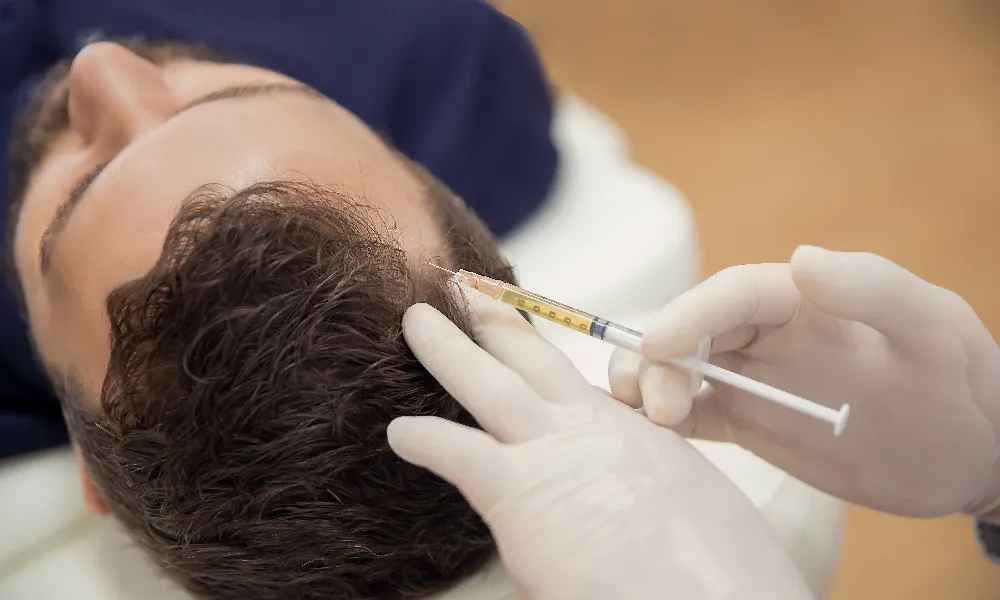
If you’ve spent any time looking into ways to fix thinning, you’ve probably seen PRP treatment for hair mentioned everywhere. It’s one of those things that sounds almost too simple—using your own blood to fix your scalp. In actuality, PRP therapy for hair loss is a bit more involved than that, but it has definitely become a very effective non-surgical solution for those of us who are not ready to take the plunge with a transplant. When you really think about it, you start to realize that this is not a quick fix; it’s a long game.
The Real Story Behind PRP Treatment for Hair
Most people feel bombarded by “miracle” shampoos and want something that works on a deeper level. That’s when they usually bring up Platelet-Rich Plasma (PRP).
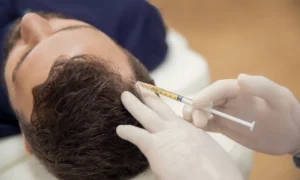
When you come in to receive the treatment, they’ll give you a routine blood test. This is no different than going in to receive your yearly checkup. That is then put in a centrifuge, which is basically a spinning device that spins at high speeds in order to separate different parts of your blood. In this way, they can extract the plasma that contains platelets.
Platelets are what help to heal and regrow. By injecting these into the parts of your scalp that are losing the most hair, you’re giving those lazy hair follicles a “wake-up call.” You’re simply giving yourself a boost in the parts that need it the most.
Why People are Choosing the Biological Route
It’s as natural as it gets. This is probably the biggest selling point. Since the serum comes from your own blood, you do not have to worry about any allergic reactions or rejection by the body. You’re not introducing chemicals into your system, which is a big thing these days.
No surgery, no scars. For anyone who has looked at hair transplant photos and felt a bit squeamish about the “strip” method or the tiny dots of a transplant, this is a breath of fresh air. There are no scalpels and no stitches.
You can go right back to work. In practice, this is a “lunch-break” procedure. Even if you have a bit of a tender scalp, you won’t be walking around with bandages or visible scabs.
It works for almost everyone. Whether you’re a man with a receding hairline or a woman noticing a wider parting due to stress or hormones, the biology works the same way. It’s versatile.
What this really means is that you’re strengthening what you already have. It improves the “caliber” of the hair—meaning the individual strands often grow back thicker and stronger, which reduces that daily shedding we all dread seeing in the brush.
The Reality Check: The Downsides
Of course, it isn’t all perfect. If it were a magic wand, nobody would be bald. There are some very real disadvantages that you need to be aware of before you spend your hard-earned money.
One thing people often miss is the commitment factor. This is not a “one and done” situation. Usually, you’re looking at an initial round of three to four sessions just to see the baseline results. After that, you need maintenance. If you stop going entirely, the growth factors eventually “wear off,” and your hair will likely return to its natural thinning pattern. It’s more like a gym membership for your hair than a permanent fix.
Then there’s the discomfort. While most places use numbing creams, you are still getting multiple micro-injections into your scalp. The scalp is sensitive. You might feel a “tight” sensation or some mild swelling for a day or two. It isn’t unbearable, but it isn’t a spa massage either.
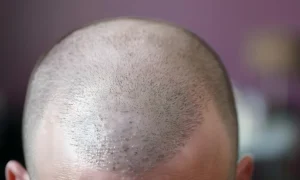
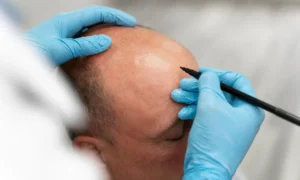
The most important caveat, though, is the “Window of Opportunity.” PRP requires a living hair follicle to work. If an area of your scalp is completely smooth and “shiny”—meaning the follicles have died and been replaced by scar tissue—PRP won’t do anything. It can’t grow hair where there isn’t a follicle to stimulate. That’s why early intervention is so critical.
Beyond the Blood Draw: Considerations with QR678
If you’ve done your homework reading on things like PRP injections, then you’ve probably already heard of QR678.
When it comes to hair revitalization, QR678 is very similar to PRP in many regards. In both cases, we’re discussing a form of hair restoration where we’re attempting to revive hair growth without needing to undergo surgery. However, in both cases, we’re discussing a somewhat different experience. In this case, we’re discussing an experience where we’re more likely to be drawn to it because we don’t need to undergo a blood draw to utilize it.
What Does the Value Look Like?
When you start looking at the cost, things get tricky. Since this is a cosmetic procedure, insurance isn’t going to cover it. If you add up the initial sessions plus the yearly maintenance, the price can eventually climb to meet the cost of a small surgical transplant.
However, you have to weigh that against the value of your time. Surgery requires weeks of healing and careful washing. PRP (and similar therapies like QR678) requires an hour of your afternoon. For many, that trade-off is worth it.
Is It the Right Move for You?
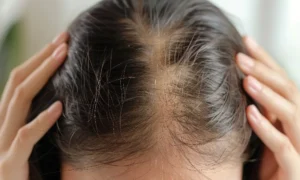
Who should consider this option? Well, typically it’s someone who’s just starting to realize their ponytail is getting thinner. Maybe they’re seeing a little too much scalp when they stand in front of the bathroom light. It’s a great preventative tool.
If you have a medical condition that affects your blood—like chronic liver disease or a low platelet count—PRP definitely isn’t the right path for you. Your blood needs to be healthy for the plasma to be effective.
In the end, the world of hair restoration is moving away from “one size fits all” and toward these personalized, biological approaches. Whether you go with a plasma-based therapy or explore other advanced systems, the most important thing is not to wait until the follicles are gone for good.