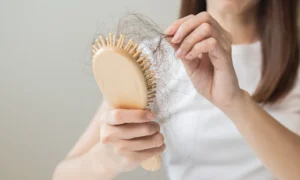

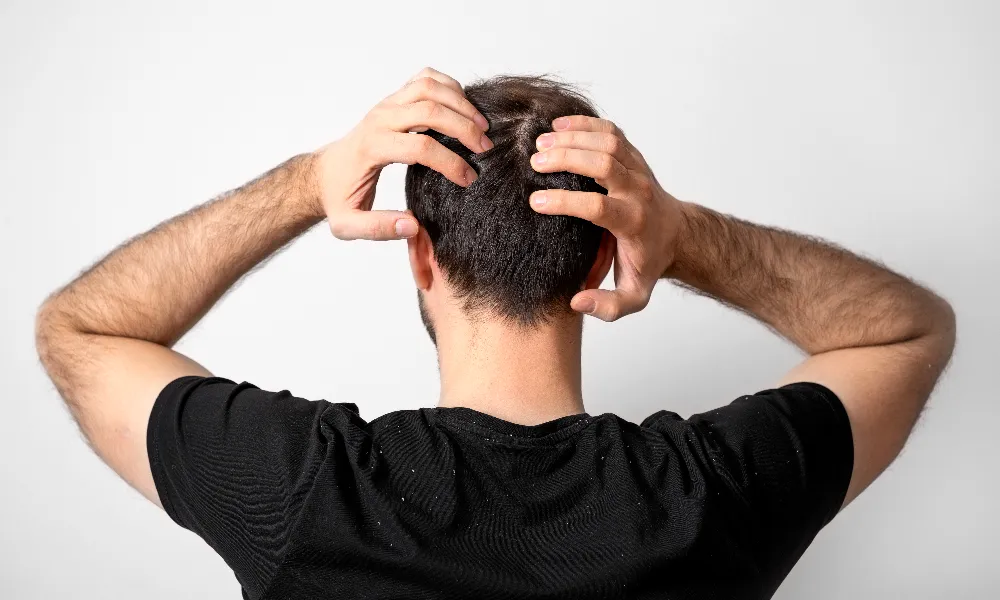
Scalp issues are frustrating, because they directly affect your hair. Other scalp-related issues are flakes, itchy scalp, and tremendous hair shedding. This also makes one question the connection between hair loss and seborrheic dermatitis. Seborrheic dermatitis is said to be associated with dandruff-related issues. It also impacts scalp health that can cause hair fall. This is why it becomes important to know its cause and management, in order to prevent greater damage.
What exactly is seborrheic dermatitis? It is a common skin condition that affects areas such as the scalp that are rich in oil glands. These signs are commonly visible as-
- White or yellowish flakes
- Red or inflamed skin
- Persistent itching
- Greasy or oily patches
Though there is some resemblance to dandruff, seborrheic dermatitis requires more target-approach care.
Relation Of Hair Loss And Seborrheic Dermatitis
Hair loss, seborrheic dermatitis are usually inversely proportional. The condition does not directly damage hair follicles. Although there are some factors of seborrheic dermatitis that left unattended can lead to tremendous hair loss:
-
Scalp Inflammation
If the inflamed scalp is ignored for a long time, the hair starts shedding excessively.
-
Itching and Scratching
Itching is one of the most common symptoms. Though excessive itching can weaken hair roots.
-
Oil and Flakes Build-up
Seborrheic dermatitis causes an accumulation of oil, dead skin cells, and flakes on the scalp. This affects the scalp and also interferes with healthy hair growth.
-
Stress
An unhealthy scalp can create stress around the follicles. This makes hair more prone to falling out even.
When Does Hair Loss Become Permanent?
Even if there is shedding, hair growth can go back to normal. Though one should adopt practices that help in managing scalp condition and reduce inflammation.
However, if these conditions are ignored for a long time, they can lead to persistent hair shedding. This is also why one must vouch to address these symptoms early.
The symptoms of seborrheic dermatitis must never be underestimated. The condition can increase owing to many factors, including:
- Emotional stress
- Lack of sleep
- Hormonal issues
- Use of harsh hair products
These are some of the triggers if identified on time can help in reducing flare-ups. The timely maintenance and treatment can also help maintain a better scalp health.
Ways To Manage- Hair Loss And Seborrheic Dermatitis
Dealing with hair loss, seborrheic dermatitis is a task. Though if one starts taking care of it immediately after facing scalp issues and hair loss, then the scalp balance can be restored.
-
Medicated Shampoos
These shampoos, if used regularly, help in controlling flakes.
-
Hair Care Routine
One should be gentle when it comes to scalp care. One must avoid rough brushing, tight hairstyles, or even harsh hair treatments that lead to hair fall or scalp irritation.
-
Clean Scalp
Hair washing on a regular basis helps maintain a healthy scalp.
-
Avoid Overusing Styling Products
Hair gels, sprays, or oils can worsen the scalp condition.
-
Consistency
Seborrheic dermatitis requires maintaining a routine.
Preventive Tips To Prevent Hair Loss, Seborrheic Dermatitis
There are instances when seborrheic dermatitis is not avoidable. Though there are certain habits that can help reduce the impact.
- Maintain a regular hair washing schedule
- Choose products suited for your scalp type
- Avoid scratching at all times
- Manage stress
- Follow a balanced diet
Always remember that to get a healthier scalp environment requires maintenance. Consistency should also be there when the only aim is to work on the betterment of the scalp.
Seeking Professional Advice
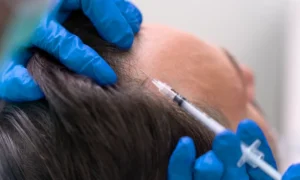
If despite taking care and maintaining a scalp care routine for hair loss and seborrheic dermatitis, the symptoms may persist. This is why one must seek professional advice when it deems necessary.
- Continuous or worsening hair shedding
- Severe itching or discomfort
- Red patches spreading beyond the scalp
- No improvement with the O.T.C. products
The expert through a proper evaluation can help you identify the issue. You come to know whether the issue is basically seborrheic dermatitis or if any other scalp conditions are involved.
Issues such as hair loss and seborrheic dermatitis are manageable. It is not just about focussing on the underlying scalp condition. It is also about maintaining and preventing hair fall with the right approach.
A consistent hair care routine must be followed in case of seborrheic dermatitis. One must know and make a checklist of the triggers, and work towards a better scalp health. These help in reducing symptoms and also help in creating a better environment for hair growth.