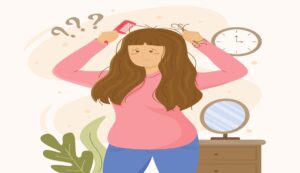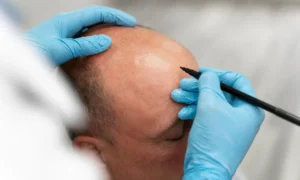

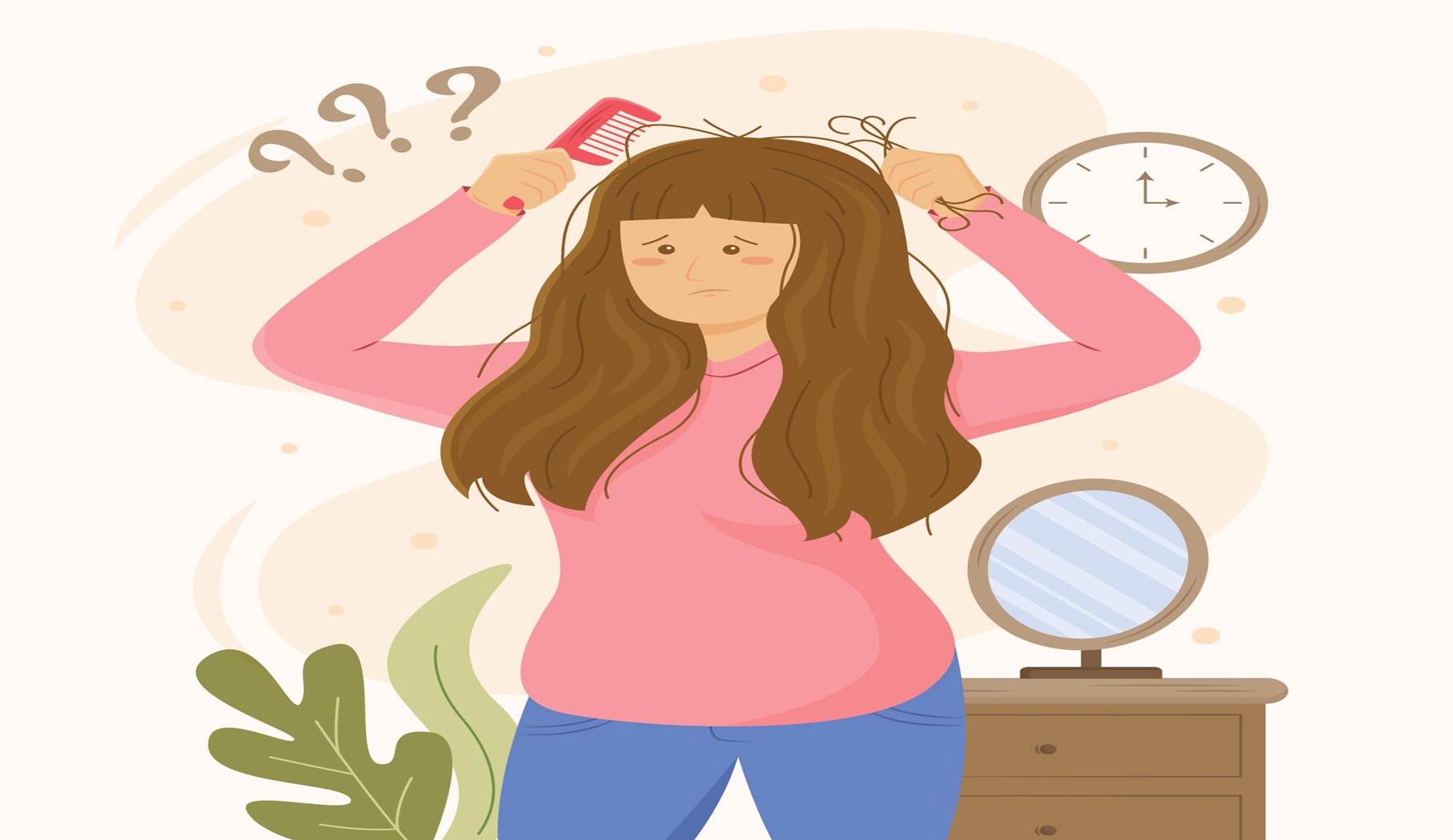
Hair loss is often considered a male problem, but millions of women experience it too. In many cases, the root cause is hormonal imbalance. Changes in hormones can disrupt the natural hair growth cycle, leading to thinning hair, widening part lines, or noticeable hair fall. For women searching online for hormonal hair loss treatment for women or even typing female hair loss treatment near me, understanding the real causes and solutions is the first step toward recovery.
Why hormonal hair loss happens and which treatments are actually effective.
Understanding Hormonal Hair Loss in Women
Hormones play a major role in regulating the hair growth cycle. Hair follicles go through three phases: growth (anagen), transition (catagen), and resting (telogen). When hormones fluctuate, this cycle can get disrupted, causing more hair to enter the shedding phase.
Hormonal hair loss in women commonly occurs due to:
1. Polycystic Ovary Syndrome (PCOS)
PCOS can increase androgen levels, which may shrink hair follicles and lead to thinning hair on the scalp.
2. Pregnancy and Postpartum Changes
Many women experience significant hair shedding a few months after childbirth due to hormonal shifts.
3. Menopause
As estrogen levels decline during menopause, hair can become thinner and grow more slowly.
4. Thyroid Disorders
Both hypothyroidism and hyperthyroidism can contribute to hair loss and poor hair quality.
5. Stress and Lifestyle Factors
Chronic stress can affect hormone levels, triggering excessive hair shedding.
Recognizing these triggers is important because treating hormonal hair loss requires more than just cosmetic solutions.
Signs of Hormonal Hair Loss
Hormonal hair loss usually appears differently from sudden hair fall caused by illness or medication. Common symptoms include:
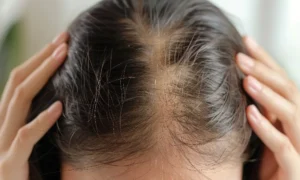
- Gradual thinning of hair on the crown
- Widening of the hair part
- Reduced hair volume
- Excessive hair shedding while combing or washing
- Slow hair regrowth
If you notice these signs, consulting a dermatologist or searching for a female hair loss treatment near me can help identify the underlying cause.
Diagnosis: Why Proper Testing Matters
A professional evaluation is essential before starting treatment. Experienced dermatologists typically recommend:
- Blood tests to check thyroid function, iron levels, and vitamin deficiencies
- Hormone profile tests to identify androgen or estrogen imbalances
- Scalp examination using digital trichoscopy to analyze follicle health
This detailed diagnosis helps doctors design a personalized hormonal hair loss treatment for women rather than relying on generic solutions.
Best Hormonal Hair Loss Treatments That Work
Once the root cause is identified, several treatments can help restore healthy hair growth.
1. Hormonal Balance Treatments
In cases linked to PCOS or menopause, doctors may recommend medications that help regulate hormone levels. These treatments can reduce androgen activity and protect hair follicles from further damage.
Balancing hormones often stabilizes the hair growth cycle and slows down excessive shedding.
2. Growth Factor and Peptide Therapies
Modern dermatology treatments now use growth factors and peptides that stimulate dormant hair follicles. These therapies are injected into the scalp in controlled doses and help improve hair density and thickness.
They are widely used in specialized clinics offering advanced hormonal hair loss treatment for women, especially when traditional treatments do not show results.
3. PRP (Platelet-Rich Plasma) Therapy
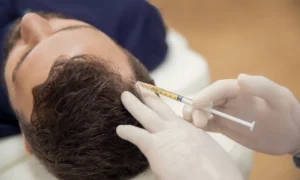
PRP therapy has become one of the most popular hair restoration procedures. It involves drawing a small amount of the patient’s blood, processing it to extract growth-rich plasma, and injecting it into the scalp.
PRP can:
- Stimulate follicle activity
- Improve hair thickness
- Increase hair density
Many women searching for female hair loss treatment near me choose PRP because it uses natural biological components from their own body.
4. Medical Hair Growth Solutions
Dermatologists may recommend FDA-approved topical treatments that help stimulate hair follicles and extend the growth phase of hair.
These treatments work best when used consistently and under medical supervision.
5. Nutritional Support and Supplements
Hormonal hair loss is often worsened by nutritional deficiencies. Doctors frequently recommend supplements that contain:
- Iron
- Biotin
- Vitamin D
- Zinc
- Amino acids
A balanced diet combined with proper supplementation can significantly improve hair strength and growth.
Lifestyle Changes That Support Hair Recovery
Medical treatments work best when combined with healthy lifestyle habits. Women experiencing hormonal hair loss should focus on:
- Managing stress through exercise or meditation
- Eating a protein-rich diet
- Avoiding harsh chemical treatments on hair
- Maintaining regular sleep cycles
- Treating underlying health conditions
These habits support hormonal balance and promote long-term hair health.
When to Visit a Hair Specialist
If hair loss continues for several months or becomes more noticeable, it is important to consult a qualified dermatologist. Early diagnosis prevents permanent follicle damage and increases the chances of successful regrowth.
Women often begin their search online using phrases like female hair loss treatment near me, but choosing a clinic with experienced medical professionals and proper diagnostic tools is essential for effective treatment.
Final Thoughts
Hormonal hair loss can feel frustrating and emotionally challenging, but it is treatable with the right medical approach. Modern dermatology offers several advanced options—from hormone-balancing therapies to growth factor treatments—that can restore hair density and confidence.
If you are experiencing persistent thinning or shedding, seeking professional guidance for hormonal hair loss treatment for women can help you understand the cause and choose the most effective solution.
With proper diagnosis, targeted treatments, and supportive lifestyle changes, many women successfully regain healthier and stronger hair over time.