

Why waiting it out usually fails, and how a real treatment for long hair growth changes the actual biology of the scalp.
There is usually a specific day when you finally give up on the old routine. Standing in the bathroom, holding a measuring tape against the same faded t-shirt week after week. Six months pass, and the ends haven’t moved a millimeter. Nothing. You are doing everything right—sleeping on a silk pillowcase, ditching the flat iron, soaking your head in oil every weekend. But the hair is just stuck. The DIY stuff fails. People figure out pretty fast that they need an actual, scientifically grounded treatment for long hair growth, not just another internet hack.
People don’t really talk about how draining it is when the body ignores that kind of effort. It sounds vain to complain about hair. But when you eat right, take the vitamins, and treat your strands like glass, hitting a wall hurts. For years, it is easy to assume hair just has a set “maximum length.” You go get mandatory trims, buy whatever heavy conditioner the salon pushes, and just kind of hope it gets better. Stylists always say you just need to dust the ends to help it grow, but dusting the ends every few weeks when nothing is growing from the root just leaves you with shorter hair.
Then you scroll online and see people complaining that their hair grows too fast. It’s frustrating. The skepticism is huge before looking into professional help. It is incredibly easy to waste money on serums that make the scalp itch and those gummy bears that are basically just candy. You chew them for months, convince yourself your nails feel a bit stronger, but the hair stays exactly the same. No one wants to buy into another fake promise.
But hair is stubborn
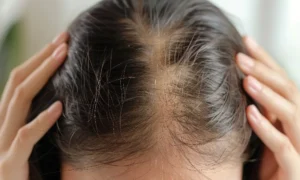
Sometimes the follicles just sort of go to sleep. Stress, a random hormone shift, or just the body slowing down can hit the brakes hard. It is a tough realization that the old-school remedies everyone swears by just can’t fix a sluggish scalp. They moisturize, sure. But the roots need a serious wake-up call, something that doesn’t just sit on the surface of the skin.
The difference happens when you stop looking for magic overnight fixes. Reading about the actual cellular environment of the scalp changes things. To get past a stubborn plateau, you have to create a space where hair is practically forced to grow.
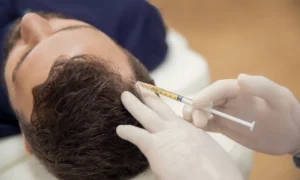
Looking into advanced clinical therapies completely flips how you see haircare. You stop caring about making it look shiny on the outside and focus on structural health. You start looking at ways to get growth factors directly into the root. It’s actually pretty wild how certain medical protocols bypass the skin’s barrier to stimulate the follicle directly. You aren’t just trying to save the thin, wispy ends left behind. You are building new, resilient strands from scratch.
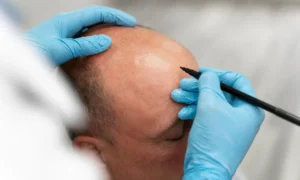
Going professional is just different
The heavy hitters aren’t on a shelf at the pharmacy. They aren’t wrapped in pink packaging with a celebrity endorsement. They are calculated treatments that work with the body. A good therapy basically tricks the hair into staying in its active growth phase—the anagen phase—way longer than it normally would. That extended window is what lets the hair grow past the point where it would usually just snap or fall out.
Most of these advanced methods also thicken the hair shaft itself. So what grows in is tougher. It survives brushing or being thrown up into a messy bun. You notice weird little things first. Like a hair tie only wrapping around twice instead of three times. Or the part looking a bit tighter.
The first real sign isn’t usually dramatic
It is baby hairs. Just a messy halo of frizzy, annoying little hairs popping up around the hairline. They are impossible to style. They stick straight up whenever the hair is pulled back. And they are the absolute best thing to see. It is physical proof that things are working again.
Patience is still a thing. Anyone selling an instant fix is lying. Scalp health takes time. The first few weeks feel like just going through the motions with no payoff. But around month three or four, the small changes stack up. They become impossible to ignore.
Eventually, you just stop measuring with the old t-shirt. There is no need to check anymore. You can feel the weight of the hair on your shoulders, and then brush against your back. The whole annoying ordeal just becomes a quiet win in the background.
Honestly, hitting that horrible plateau is what forces people to stop wasting time on gimmicks. If you are looking in the mirror right now, completely fed up with hair that won’t move past your collarbone, you aren’t stuck. You just might need to drop the surface-level habits and try something that actually reaches the root. The length is possible. You just have to give the scalp the right tools.