Research Overview
Background and Scientific Context
Androgenetic alopecia (AGA), commonly referred to as genetic hair loss, is the most prevalent form of progressive hair thinning observed in adult men and women. It is characterized by patterned follicular miniaturization influenced by genetic predisposition, hormonal signaling, and hair cycle dysregulation. As understanding of hair biology and hair cycle phases has advanced, clinical interest has expanded beyond conventional topical and oral approaches toward minimally invasive injectable modalities that act at the scalp level.
This systematic review was undertaken to examine the evolving evidence base around injectable strategies explored for androgenetic alopecia, within the broader landscape of hair loss solutions and non-surgical interventions.
Study Objective
The objective of the review was to critically evaluate published clinical evidence related to minimally invasive injectable modalities used in adults with androgenetic alopecia. The review aimed to document study designs, assessment parameters, and reported observations related to hair density, follicular characteristics, and scalp environment, without positioning any approach as a definitive hair loss solution or permanent hair loss solution.
Methodology
A comprehensive literature search was conducted across multiple databases including PubMed/MEDLINE, Embase, PsycINFO, TRIP, Cochrane Library, and Cochrane Skin. Studies published between January 2000 and May 2023 were screened. Eligible studies included randomized controlled trials, non-randomized trials, cohort studies, and single-arm clinical investigations involving adult participants diagnosed with androgenetic alopecia.
Studies focusing on surgical hair replacement, hair transplantation, or hair replacement surgery were excluded to maintain focus on minimally invasive, non-surgical approaches relevant to contemporary hair care routines and scalp-based interventions.
Study Characteristics
Sixteen studies met the final inclusion criteria. These studies varied in sample size, duration, and assessment methodology, reflecting real-world clinical heterogeneity in the management of male hair loss and hair loss in women associated with genetic predisposition.
Assessment tools included phototrichograms, videomicroscopy, global photographic scores, hair pull testing, and patient-reported observations related to hair shedding and scalp condition. These tools are commonly used in clinical practice to monitor hair shedding vs hair fall and changes across different hair cycle phases.
Observational Outcomes
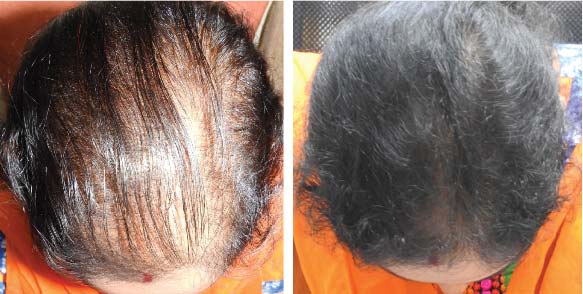
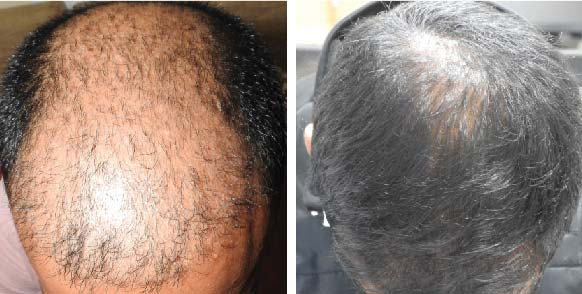
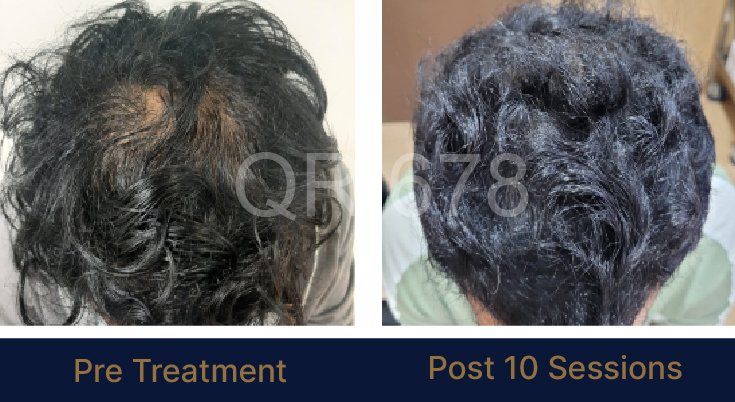
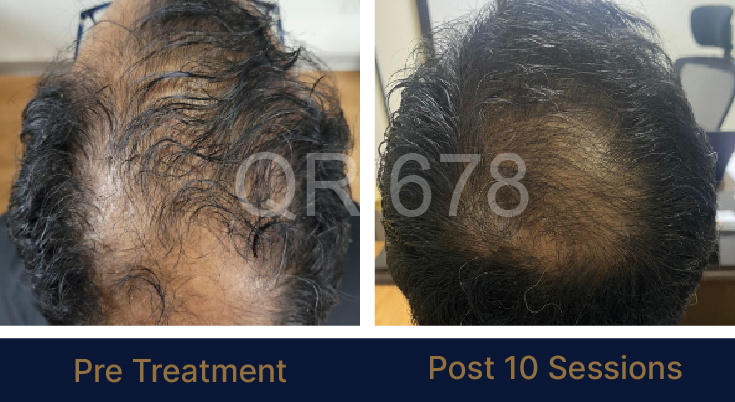
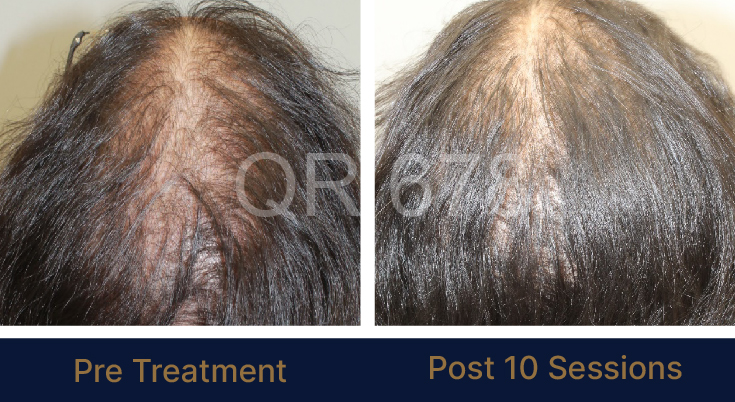
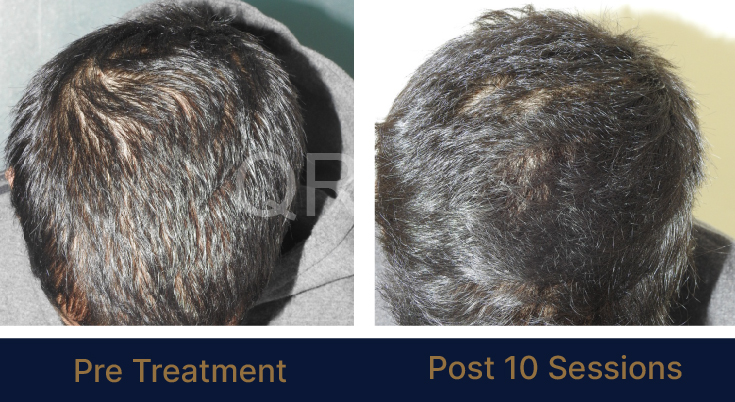
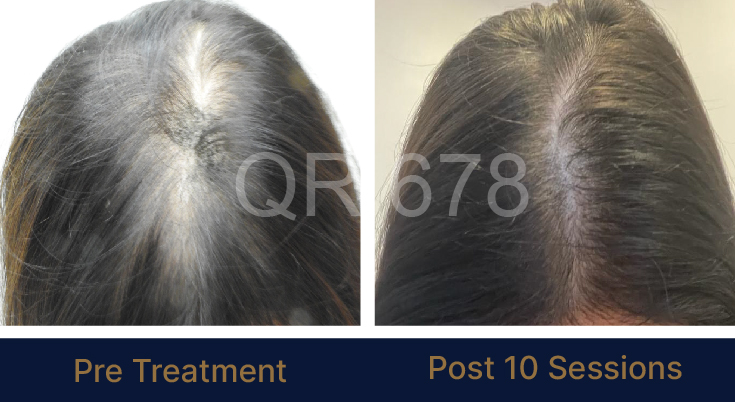
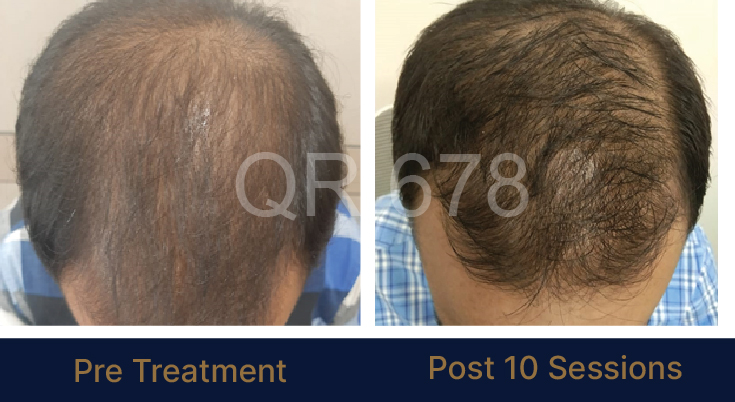
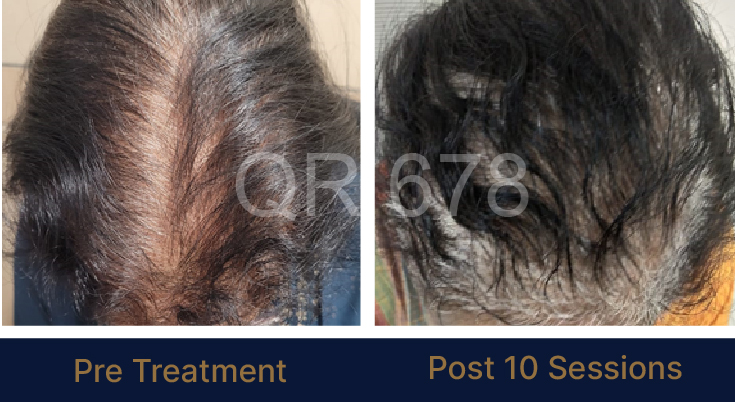
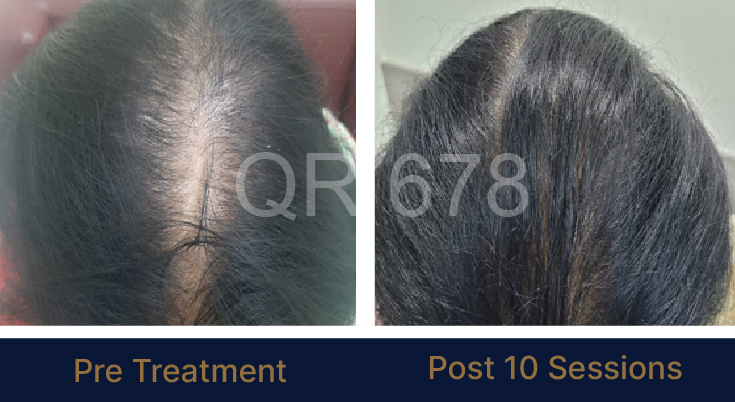
Across the reviewed studies, injectable modalities were explored in relation to observed changes in hair shaft diameter, follicular parameters, and scalp characteristics. Several studies documented variations in photographic scores and trichoscopic findings over the observation period, while others reported minimal or variable change.
Patient-reported outcomes frequently addressed subjective perceptions related to hair thinning, scalp comfort, and changes in visible hair appearance. These observations were recorded descriptively and were not interpreted as indicators of best hair loss treatment or comparative superiority.
Safety and Tolerability Reporting
Safety reporting across studies primarily focused on localized scalp responses, including transient discomfort, erythema, or sensitivity following injectable procedures. Serious adverse events were not a prominent finding. However, reporting consistency varied, highlighting the need for standardized safety documentation in future research evaluating anti hair loss solutions at the scalp level.
Interpretation and Research Implications
This review consolidates available human clinical evidence on minimally invasive injectable approaches within the broader context of hair loss and thinning associated with androgenetic alopecia. It highlights both the growing research interest in scalp-targeted injectable strategies and the limitations posed by heterogeneity in study design, outcome measures, and follow-up duration.
The paper does not advocate for any specific intervention as the best solution for hair loss, but instead provides a structured reference for clinicians and researchers examining evolving non-surgical approaches to managing genetic hair loss.