Activation of Bulge Stem Cells through Mechano-Stimulation
Published in
Activation of Bulge Stem Cells through Mechano-Stimulation - and ECM Remodeling: Emerging Paradigms in Hair Follicle Regeneration
- Core Takeaways
- The regrowth of hair follicles relies primarily on the mechanical stiffness of the tissue environment rather than only chemical stimuli.
- Diseases associated with hair loss exhibit increased tissue stiffness, which leads to stem cell dormancy.
- Emerging biological and mechanical methods focus on softening this microenvironment to restart natural growth cycles.
Specialized extracellular matrix signatures dictate cell behavior through precise stiffness gradients and targeted signaling pathways.
- Background and Scientific Context
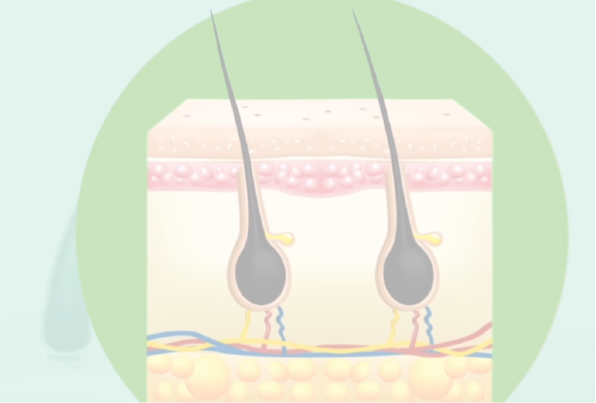
Hair follicles operate as dynamic mini organs. They cycle endlessly through distinct phases of growth, regression, and rest. The bulge sits right at the core of this regenerative cycle to house quiescent stem cells. The extracellular matrix surrounding these cells looks and acts differently from other tissues. It relies on a specialized profile designed to govern stem cell behavior perfectly. Transcriptomic profiling reveals a highly specific molecular signature. This signature meets the dual demands of sustaining long term dormancy while enabling swift activation. The bulge extracellular matrix undergoes cyclic remodeling that is vastly different from the continuous proliferation seen in normal epidermal tissue.
- Role of the Extracellular Matrix
The bulge matrix uses very specific molecular constituents to orchestrate cell dynamics. Laminins like LN 332 and LN 511 align in precise gradients at the basement membrane. This layout drives stem cell adhesion and polarity. Different collagens step in to offer essential structural support and biomechanical stability. Type IV collagen scaffolds the basement membrane. Type VI forms resilient microfibrils. Type XVIII yields endostatin to modulate critical signaling cues.
Proteoglycans like versican, decorin, and syndecan 1 take on the heavy lifting. They enhance tissue hydration while simultaneously storing vital growth factors. Glycoproteins such as fibulin 1 and tenascin C refine cellular adhesion and elasticity. The matrix also dynamically engages adjacent structures. Nephronectin anchors the arrector pili muscle to relay mechanical inputs. EGFL6 crafts a specialized collar matrix around sensory nerves to integrate mechanosensation with cellular crosstalk.

- Clinical Framework and Mechanical Modalities
Recent scientific progress points toward several new methods aimed at restoring the structural dynamics of the hair follicle matrix. These approaches focus strictly on bringing back the biomechanical and biochemical cues necessary for cellular proliferation. The goal is to address pathological disruptions like fibrosis and proteoglycan depletion that actively impair the natural growth transition.
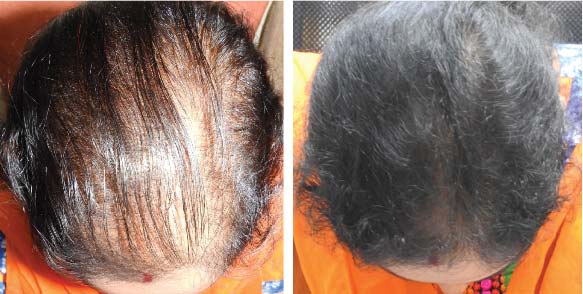
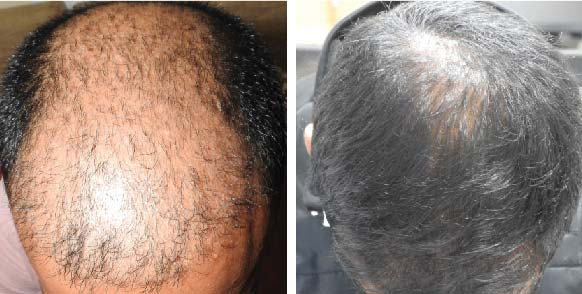
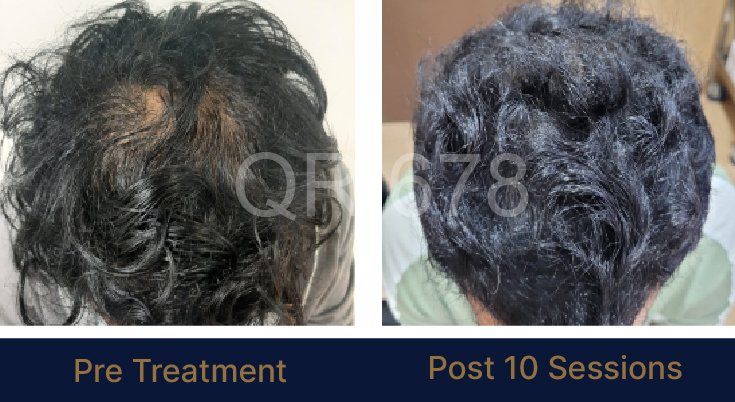
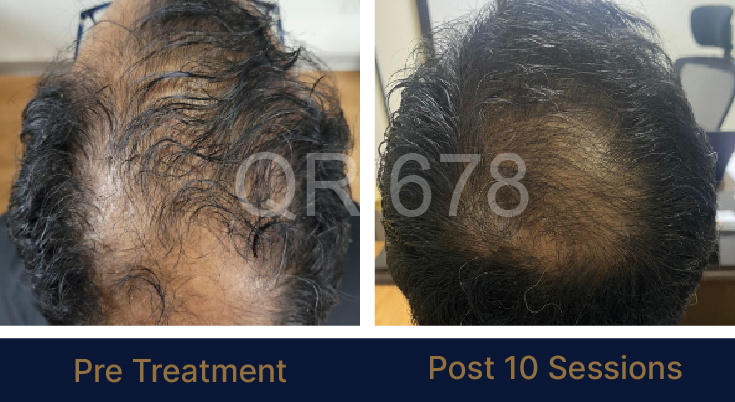
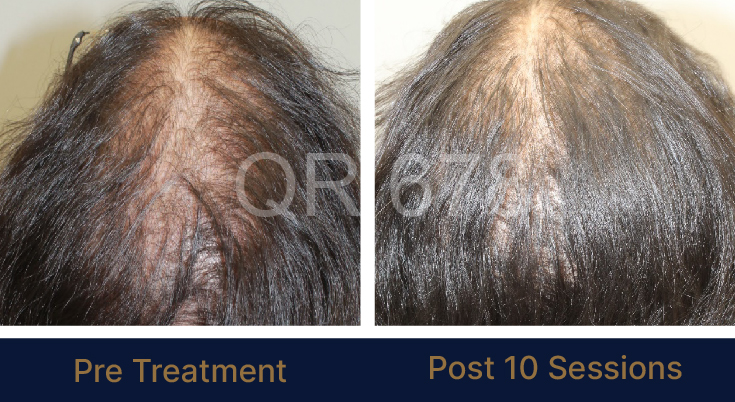
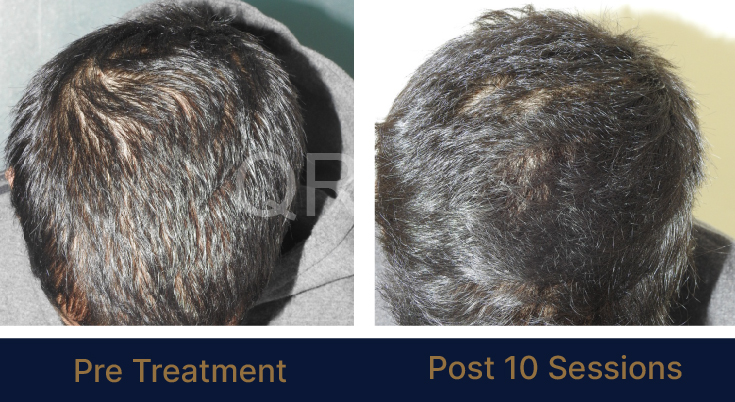
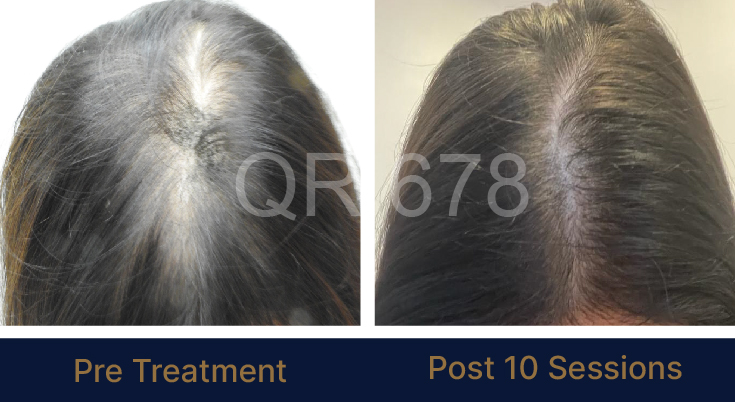
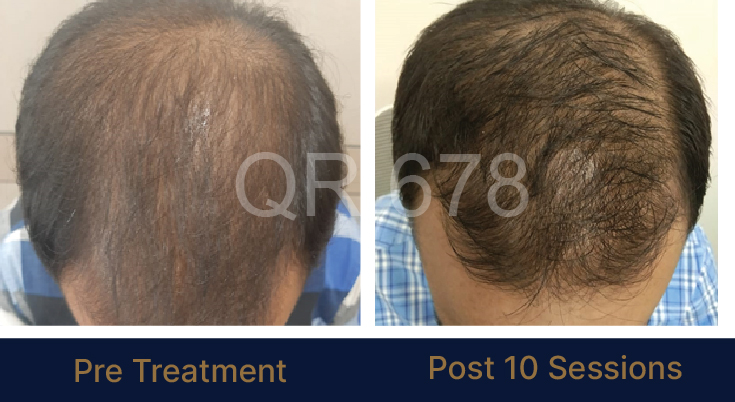
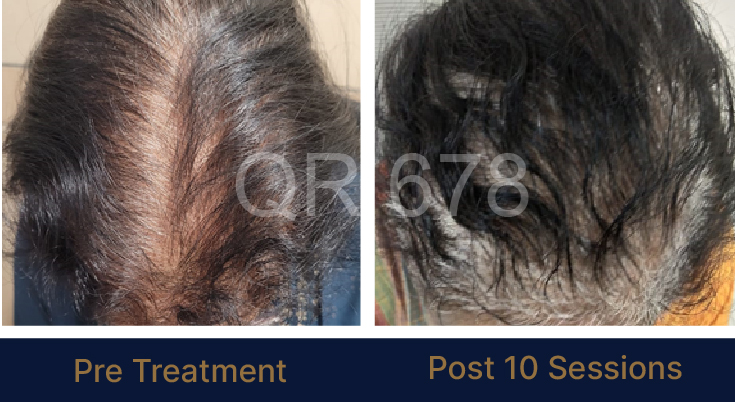
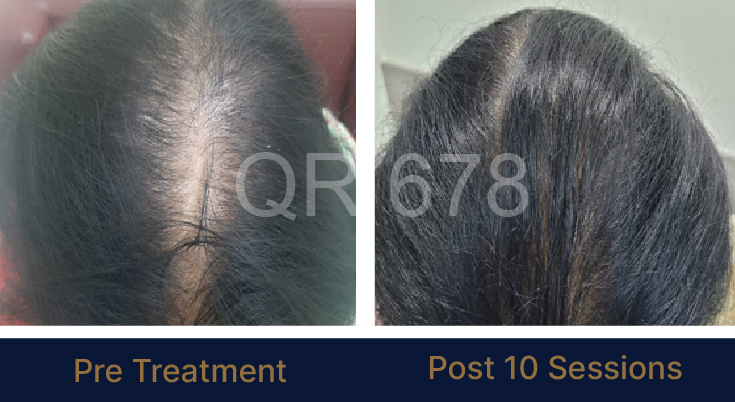
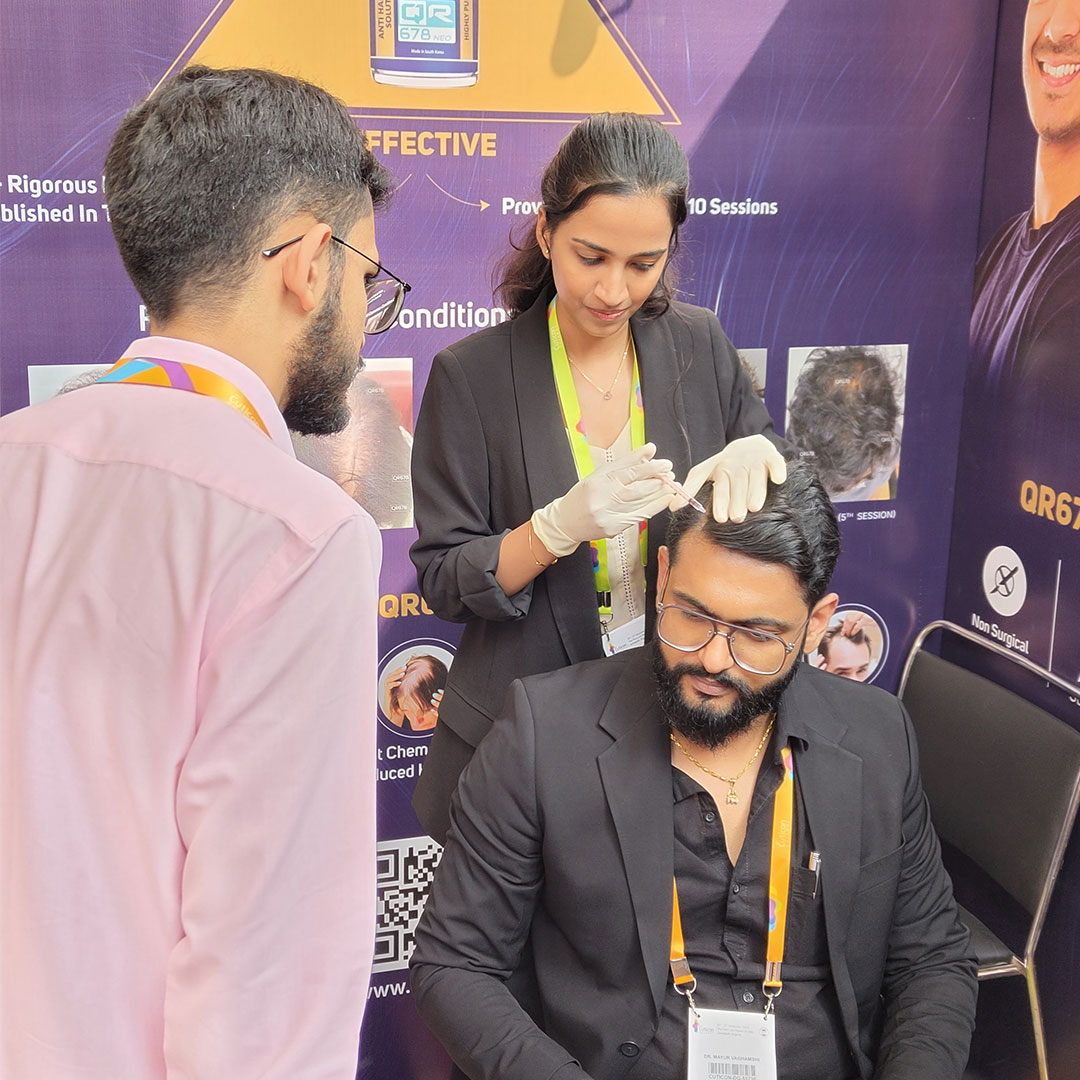
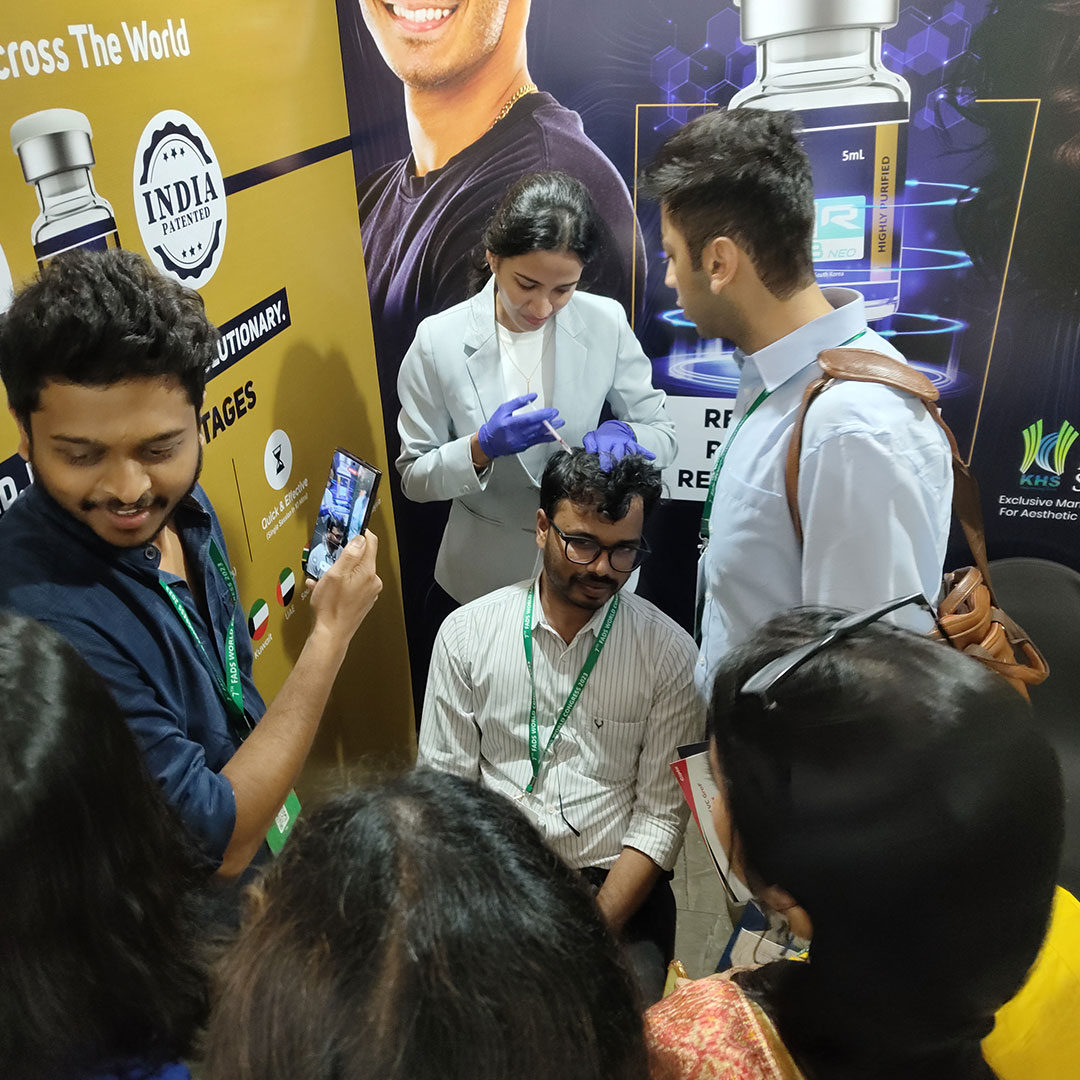
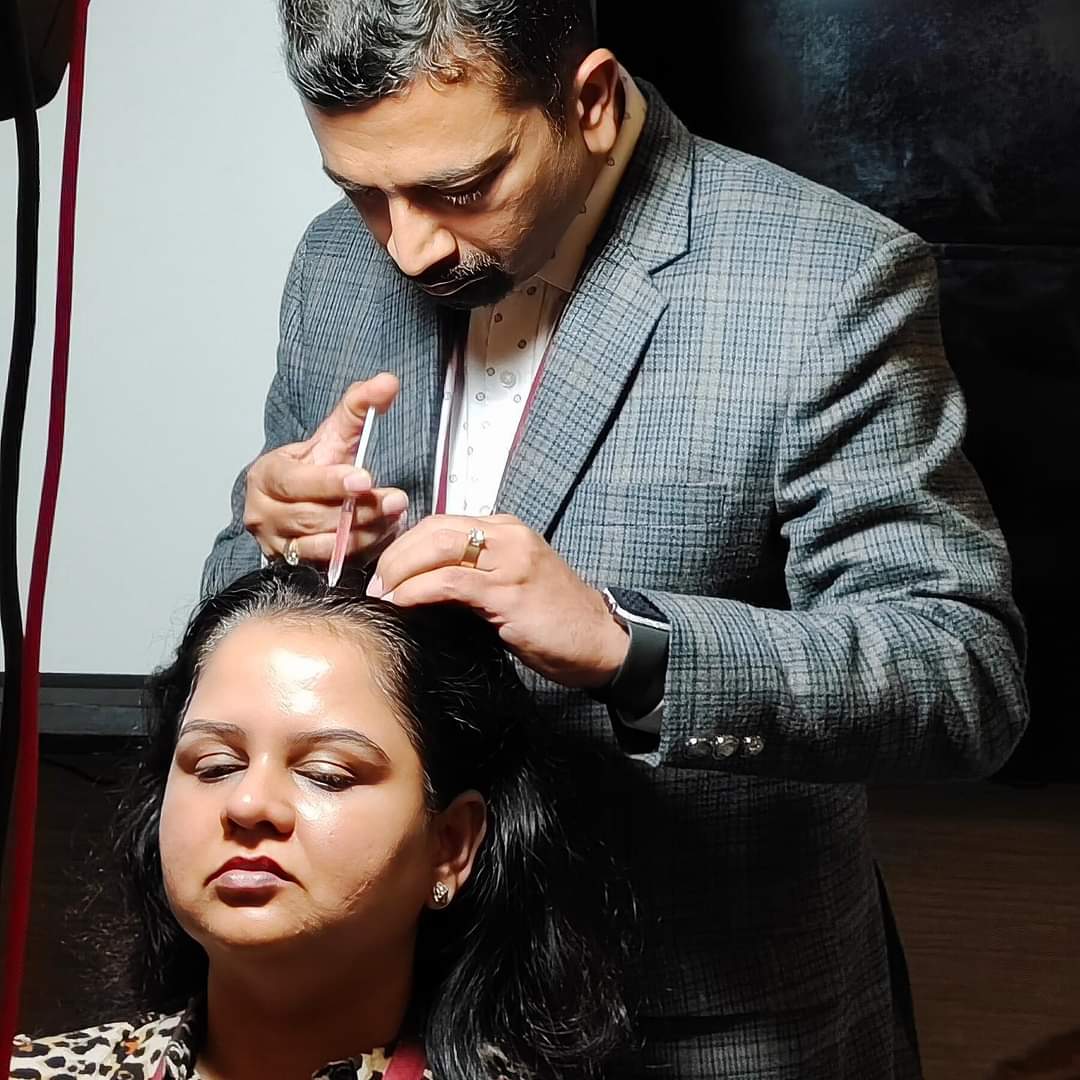
Mechano activation devices use physical forces like cyclic strain and microneedle vibration. This physical stimulation helps remodel collagen organization and reduce pathological rigidity down to normal physiologic levels. Altering the stiffness activates integrin signaling and triggers mechanotransduction pathways like YAP and TAZ to promote stem cell proliferation. Clinical trials in androgenetic alopecia noted significant hair density gains attributed to this enhanced macrophage mediated remodeling.
Engineered biomaterial scaffolds represent another cornerstone of regenerative dermatology. These 3D hydrogels replicate the native architecture using electrospun nanofibers of collagen and laminin. This setup imposes precise stiffness gradients mimicking the natural tissue softening required for active growth. They concurrently provide a sustained release of growth factors like Wnt3a and FGF to drive robust follicle neogenesis.
Mechano activation devices use physical forces like cyclic strain and microneedle vibration. This physical stimulation helps remodel collagen organization and reduce pathological rigidity down to normal physiologic levels. Altering the stiffness activates integrin signaling and triggers mechanotransduction pathways like YAP and TAZ to promote stem cell proliferation. Clinical trials in androgenetic alopecia noted significant hair density gains attributed to this enhanced macrophage mediated remodeling.
Engineered biomaterial scaffolds represent another cornerstone of regenerative dermatology. These 3D hydrogels replicate the native architecture using electrospun nanofibers of collagen and laminin. This setup imposes precise stiffness gradients mimicking the natural tissue softening required for active growth. They concurrently provide a sustained release of growth factors like Wnt3a and FGF to drive robust follicle neogenesis.
- Pharmacological and Biologic Interventions
Pharmacologics and biologics provide targeted modulation. Options utilizing platelet rich plasma and mesenchymal stem cell secretomes help replenish depleted proteoglycans inside the matrix. Bringing back versican and decorin counters dormant signaling and favors the pathways necessary for active growth. Other pharmacological methods involve matrix softeners like LOXL2 inhibitors designed to facilitate stem cell mobilization by easing mechanical quiescence. Cell based engineering using induced pluripotent stem cells embedded in hyaluronic acid matrices also shows immense promise for restoring niche crosstalk.
- Scope Limitations and Future Perspectives
These emerging strategies represent a crucial shift. They target the structural environment of the hair follicle for sustained cellular regeneration rather than providing temporary symptomatic relief. Ongoing longitudinal trials will be required to fully clarify long term efficacy and safety. Future clinical translation will likely rely on personalized profiling via spatial omics. Hybrid scaffolds integrating CRISPR edited stem cells alongside artificial intelligence optimized regimens will ensure precision approaches in regenerative dermatology.
- Disclaimer
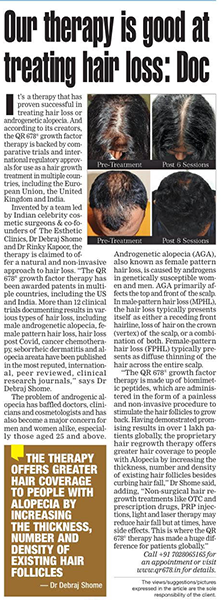
QR678® is marketed as a cosmetic formulation in many countries and does not claim to diagnose, treat, cure, prevent, restore, or regrow hair. The research papers and clinical articles referenced on this website are peer-reviewed scientific publications authored by qualified medical professionals and represent the observations and conclusions of the respective authors, based on their individual clinical research.
These clinical references are provided for informational and educational purposes and should not be interpreted as promotional claims or outcome guarantees by or QR678®. Consumers are advised to consult a qualified healthcare professional for medical interpretation or hair- or scalp-related concerns.