Effectiveness of minimally invasive injectable modalities in the management of androgenetic alopecia among adults - A systematic review

Understanding the Role of EGR2 in Hair Follicle Stem Cell Activation

Hair follicles are among the few structures in the human body capable of continuous self-renewal. This regenerative ability depends largely on hair follicle stem cells (HFSCs), which remain dormant for periods before activating to initiate new hair growth. When this balance between rest and activation is disturbed, visible changes in hair density and cycling may occur. For this reason, modern regenerative research has increasingly focused on the molecular regulators that influence stem cell behavior.

One such regulator is Early Growth Response 2 (EGR2), also referred to as KROX20. Traditionally studied for its role in nervous system development, EGR2 is now gaining attention within follicular biology. Scientists recognize it as a transcription factor that helps cells respond to external signals by switching specific genes on or off. This ability to coordinate cellular responses has positioned EGR2 as an important molecule in ongoing research related to stem cell therapy for hair loss and emerging approaches to hair follicle regeneration therapy.


Hair Follicle Stem Cells and Their Microenvironment

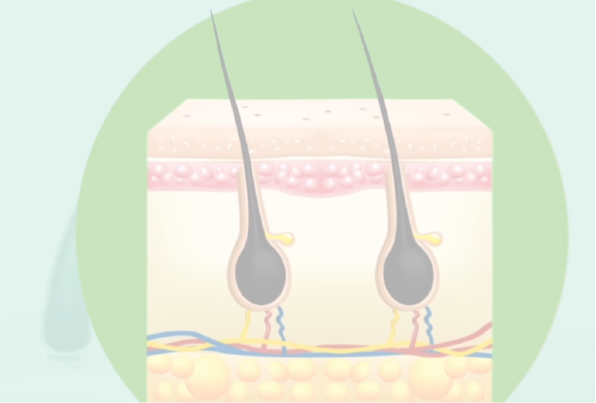
HFSCs are located primarily in the bulge region of the follicle, where they serve as a reserve population for regeneration and repair. Their behavior is shaped by a complex network of signaling pathways—including WNT, BMP, Hedgehog, Notch, and TGF-β—that guide decisions related to proliferation, differentiation, and dormancy. Even subtle disruptions within these pathways can influence how effectively follicles re-enter the growth phase.

Current research suggests that EGR2 acts as a link between signals from the surrounding niche and the internal machinery that governs stem cell activation. Its presence alongside recognized bulge markers supports the idea that it helps preserve the “stemness” of these cells while still allowing them to activate when conditions require it. Baseline activity appears to stabilize the niche, whereas controlled increases in expression encourage regenerative entry into the hair cycle.

This capacity to balance rest and renewal is central to scientific exploration involving stem cells for hair loss, where long-term follicular function depends not only on activation but also on the preservation of the stem cell pool.


Structural Design and Molecular Partnerships

The EGR2 gene resides on chromosome 10 and encodes a zinc-finger protein capable of functioning either as a transcriptional activator or repressor depending on cellular context. Its structure allows it to bind DNA with high specificity while interacting with several cofactors that shape transcriptional outcomes.

Among its known partners are NAB1 and NAB2, proteins that help regulate transcriptional intensity, as well as epigenetic co-activators involved in chromatin remodeling. Through these interactions, EGR2 effectively translates environmental cues into gene expression changes. Single-cell RNA sequencing has even identified transient EGR2 expression in activated HFSC populations, hinting at its involvement during critical regenerative transitions.

Such findings are particularly relevant when considering scientific pathways that may inform stem cell treatment for hair loss, where intracellular signaling often determines whether follicles remain inactive or return to productive growth.


A Carefully Controlled Transcriptional Response

One of the defining characteristics of EGR2 is how quickly it responds to growth factors, cytokines, and cellular stress. Once activated, it influences processes ranging from cell-cycle progression to inflammatory signaling. Within hair follicles, this responsiveness is moderated by an autoregulatory loop involving NAB proteins. EGR2 stimulates NAB production, and these proteins in turn temper its transcriptional activity by modifying histones or limiting co-activator access.

This feedback mechanism is thought to prevent excessive differentiation while maintaining regenerative readiness. Similar regulatory patterns are observed in immune function and nerve cell development, suggesting that EGR2 participates in deeply conserved biological systems.


Epigenetic Timing in the Stem Cell Niche

HFSC activation is not driven by transcription factors alone; it also relies on epigenetic timing. EGR2 expression rises during the transition from the resting (telogen) phase to the growth (anagen) phase, aligning with the moment stem cells prepare to proliferate.

Histone acetylation increases accessibility at the EGR2 promoter, encouraging transcription, while histone deacetylation suppresses it when dormancy is required. Activating methylation marks tend to accumulate during growth phases, whereas repressive marks help maintain quiescence. Chromatin-remodeling complexes further refine this balance by either opening or restricting access to DNA.

MicroRNAs add another layer of precision. Some help preserve dormancy by suppressing EGR2, while others fine-tune its expression during activation. Together, these mechanisms create a flexible regulatory environment capable of adapting to changing biological signals. This adaptability is one reason epigenetic regulation continues to attract interest in research on hair follicle regeneration therapy.


Regeneration, Repair, and Niche Stability

Beyond transcriptional control, EGR2 appears to support broader regenerative processes. It has been associated with keratinocyte migration during wound healing and with extracellular matrix production in fibroblasts—both essential components of tissue repair. In mesenchymal stem cells, it may also promote anti-inflammatory signaling, helping cultivate an environment more conducive to regeneration.

Within the follicle itself, EGR2 regulates growth factor expression and facilitates the shift of HFSCs from quiescence into controlled proliferation through pathways such as MAPK/ERK and PI3K/AKT. Studies showing impaired hair growth following genetic loss of Krox20 further emphasize its biological relevance.

Since chronic inflammation is known to contribute to follicular miniaturization, the protective influence of EGR2 within the stem cell niche may hold significance for future regenerative investigations.


Looking Ahead

EGR2 can be understood as a context-dependent transcriptional switch operating at the intersection of signaling pathways, immune modulation, and epigenetic control. Although further research is necessary to clarify its exact role within bulge stem cells, its central position in follicular biology makes it an increasingly compelling subject of study.

As genomic and translational research continue to advance, regulators like EGR2 may help shape next-generation thinking around stem cell therapy for hair loss. Early observations involving bioactive agents that influence EGR2-linked pathways suggest growing scientific momentum toward strategies aimed at supporting sustained hair regeneration while preserving the integrity of the stem cell niche.

File name : QR678-Neo-Effectiveness-in-Alopecia-Areata.pdf

Disclaimer:
The research papers and clinical articles referenced on this website are peer-reviewed scientific publications authored by qualified medical professionals and represent the observations and conclusions of the respective authors, based on their individual clinical research. 

These clinical references are provided for informational and educational purposes and should not be interpreted as promotional claims or outcome guarantees by QR678®. Consumers are advised to consult a qualified healthcare professional for medical interpretation or hair- or scalp-related concerns.

QR678®: SCIENCE Backed Research & Development Proprietary Product Technology

The QR678® research & development platform technology is a proprietary first-in-class technology. This science backed technology is giving rise to multiple products that arrest hair fall and address the thickness, density of hair follicles leading to greater coverage in hair loss. This R&D technology deals with multiple human hair growth related growth factors that are naturally present in our scalp making products derived from these completely natural. Research on this platform technology has resulted in this being awarded USA & Indian patents and has led to over 16+ clinical research papers being published with products derived from this unique technology. The hair growth factors penetrate deep into the scalp and provide nourishment to the scale. Unlike other treatments that contains harmful medication, products derived from QR678® are almost completely devoid of side effects.

HOW DOES IT WORK?

Play Video

Benefits of choosing QR678®

QR678® ADVANTAGES

QR678 Advantages 04-min
No side Effects
(Derived From Plants)
QR678 Advantages 06-min

Quick & Effective (Single
Session in 10 Minutes)

QR678 ADVANTAGES ICON (6)
Patented and Regulatory Approved in Multiple Geographies
QR678_Website_Feb25
QR678 Advantages 05-min

Non Surgical

QR678 Advantages 07-min
About 90%
Success Rate
QR678 ADVANTAGES ICON (3)

13+ Published Researched Clinical Trials Demonstrating Efficacy

LIFE CHANGING RESULTS

PRE TREATMENT

POST 6 SESSIONS

PRE TREATMENT

POST 6 SESSIONS

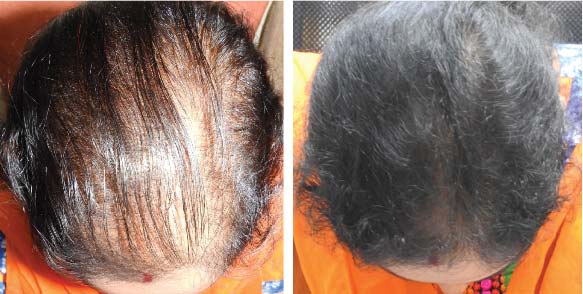
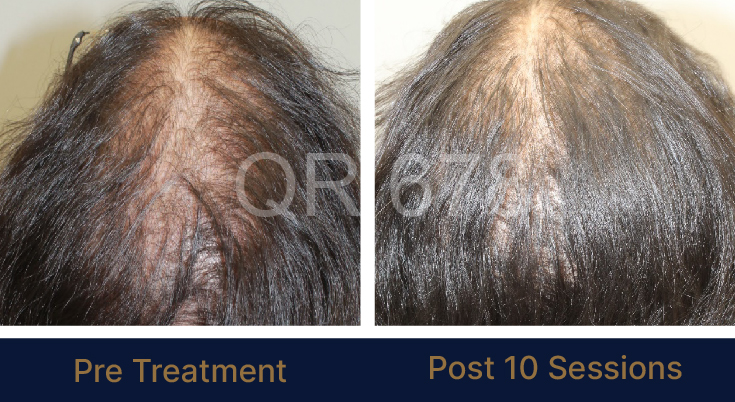
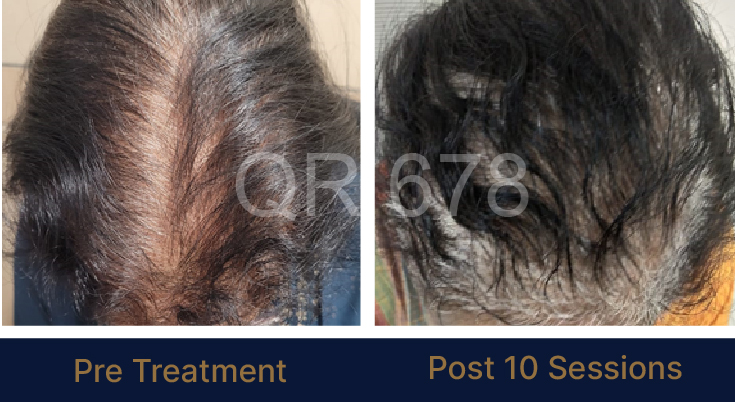
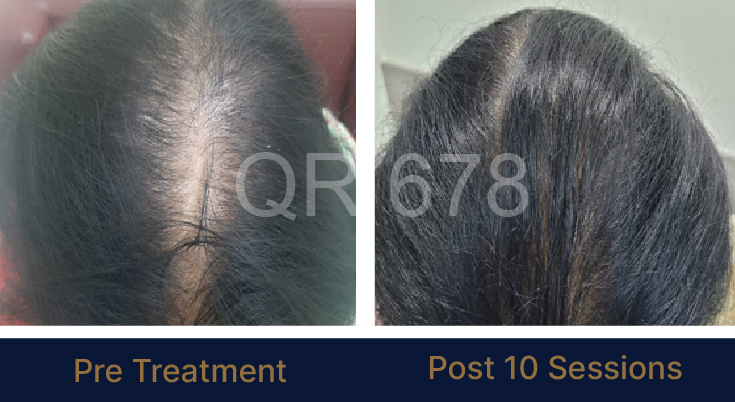
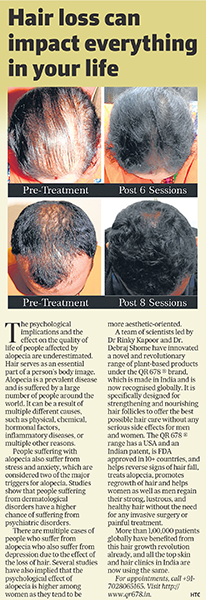
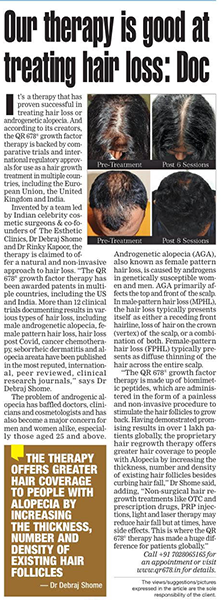
49 year old female was suffering from post chemotherapy induced hair loss. She achieved impressive results with QR678®, a completely plant derived formulation.

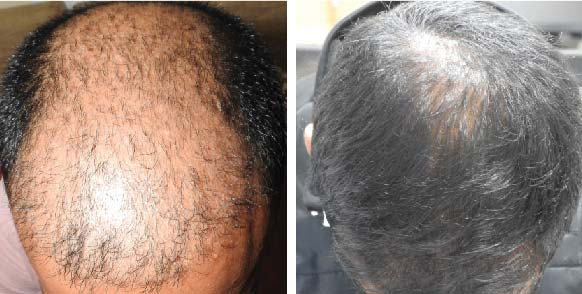
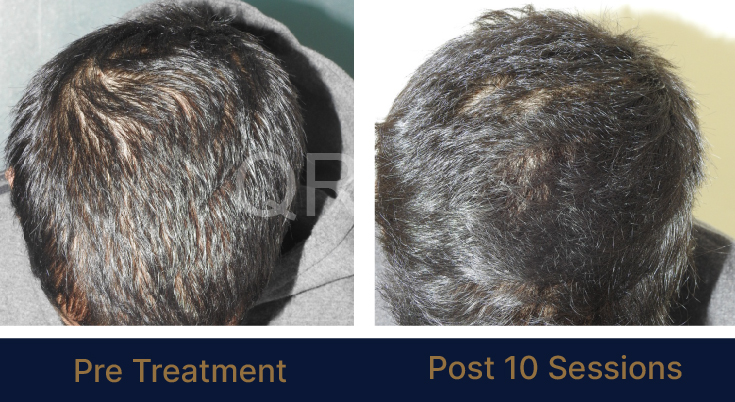
39 year old male suffering from male pattern hair loss for 15 years gained a significant amount of hair with QR678®

PRE TREATMENT

POST 6 SESSIONS

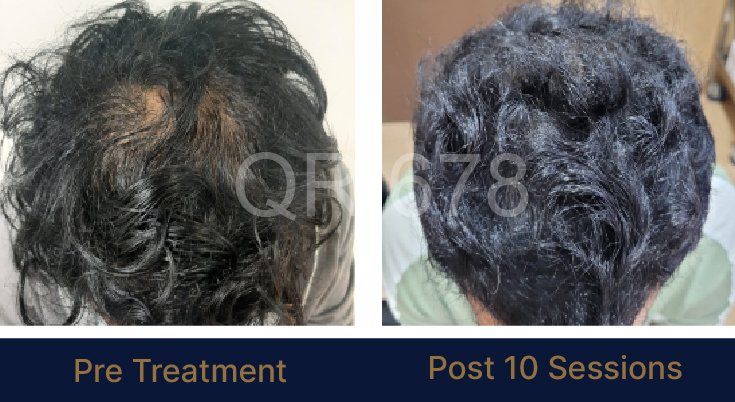
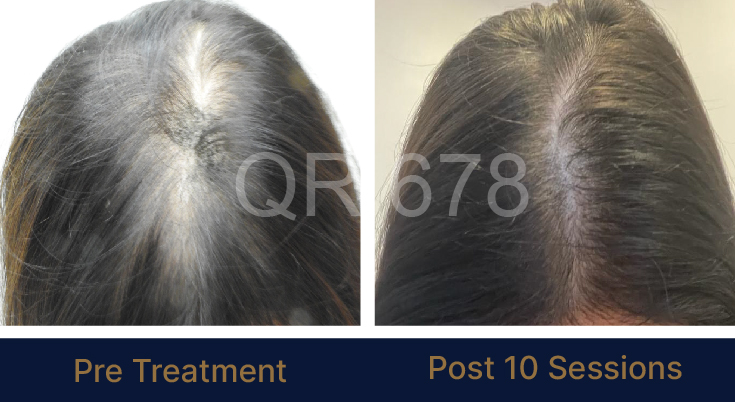
25 year old female from alopecia areata, was also diagnosed with hypothyroid. She achieved impressive results with QR678, a completely steroid-off treatment.

PRE TREATMENT

POST 6 SESSIONS

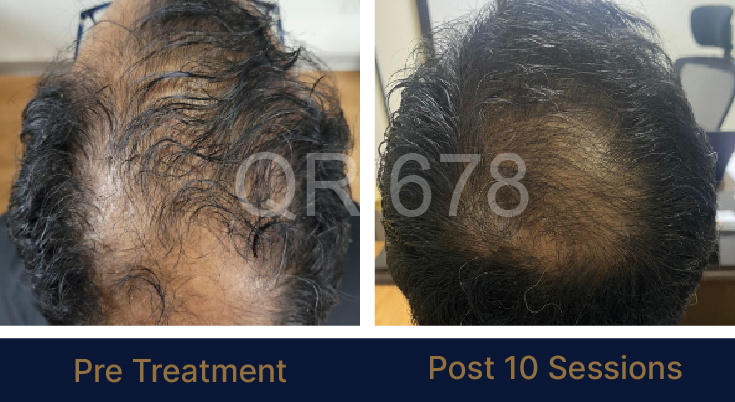
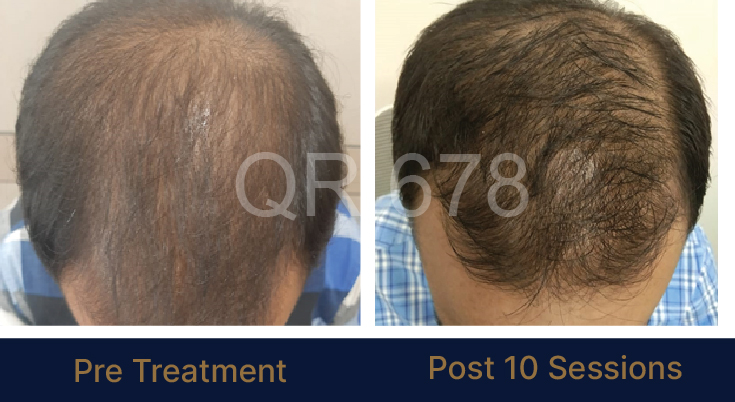
39 year old male suffering from male pattern hair loss for 15 years gained a significant amount of hair with QR678

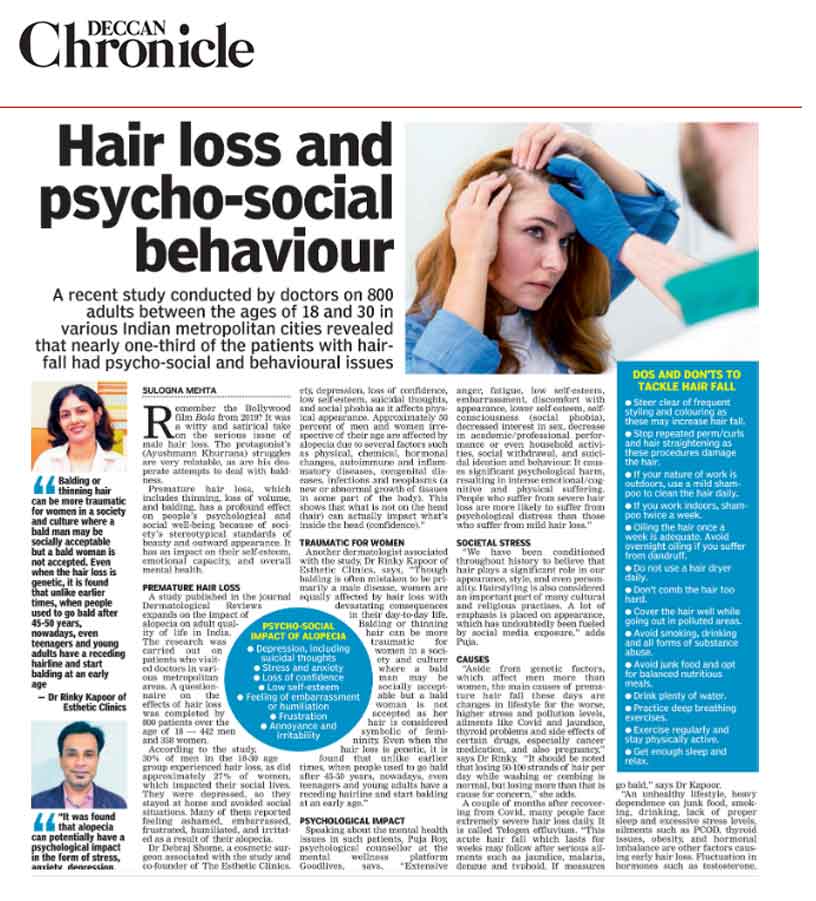
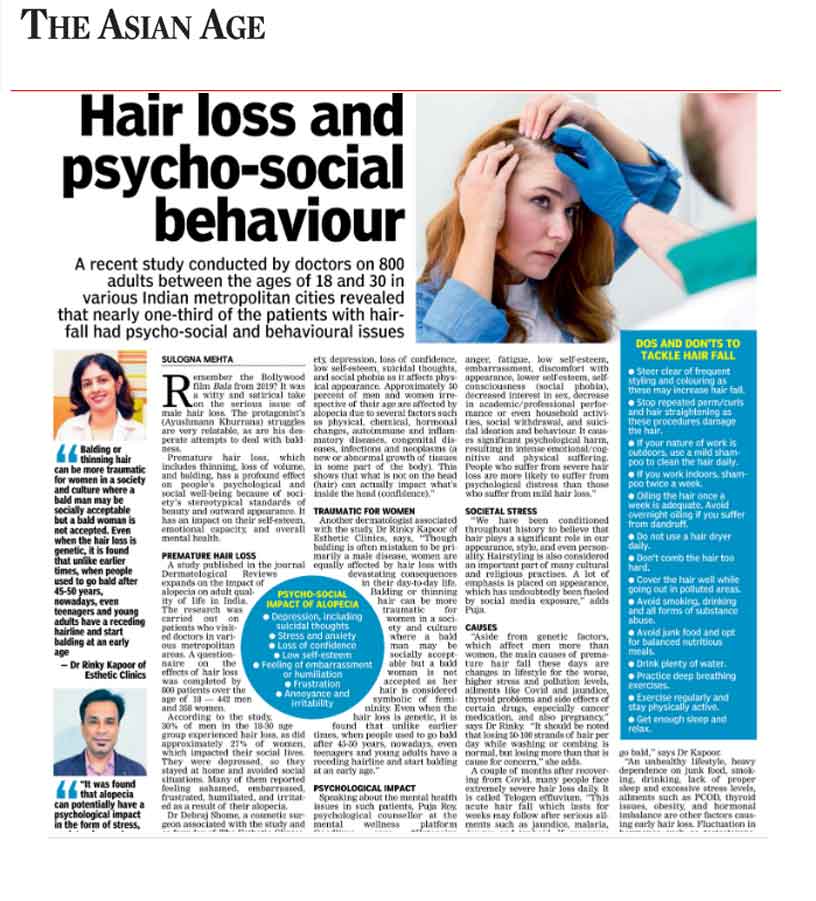
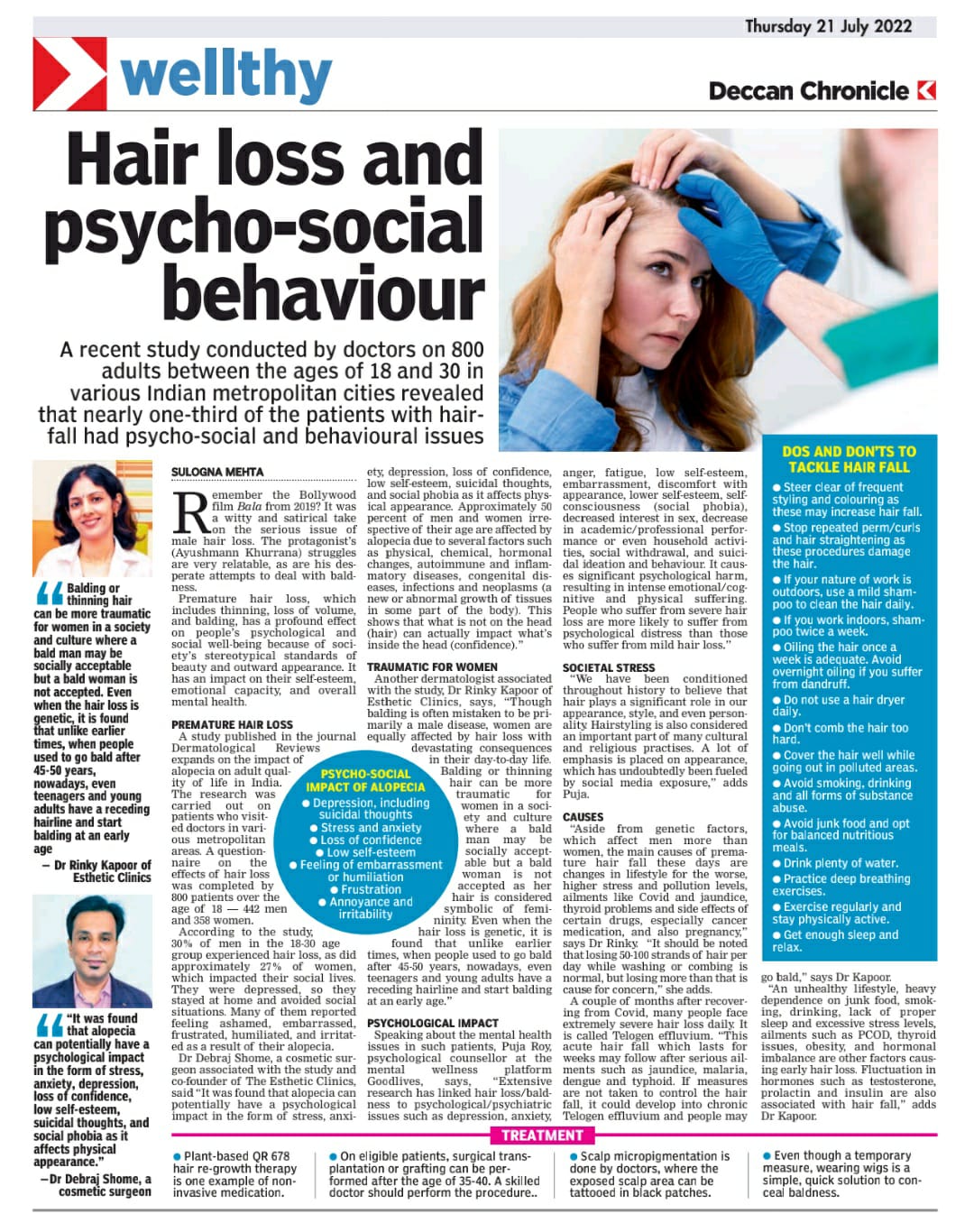
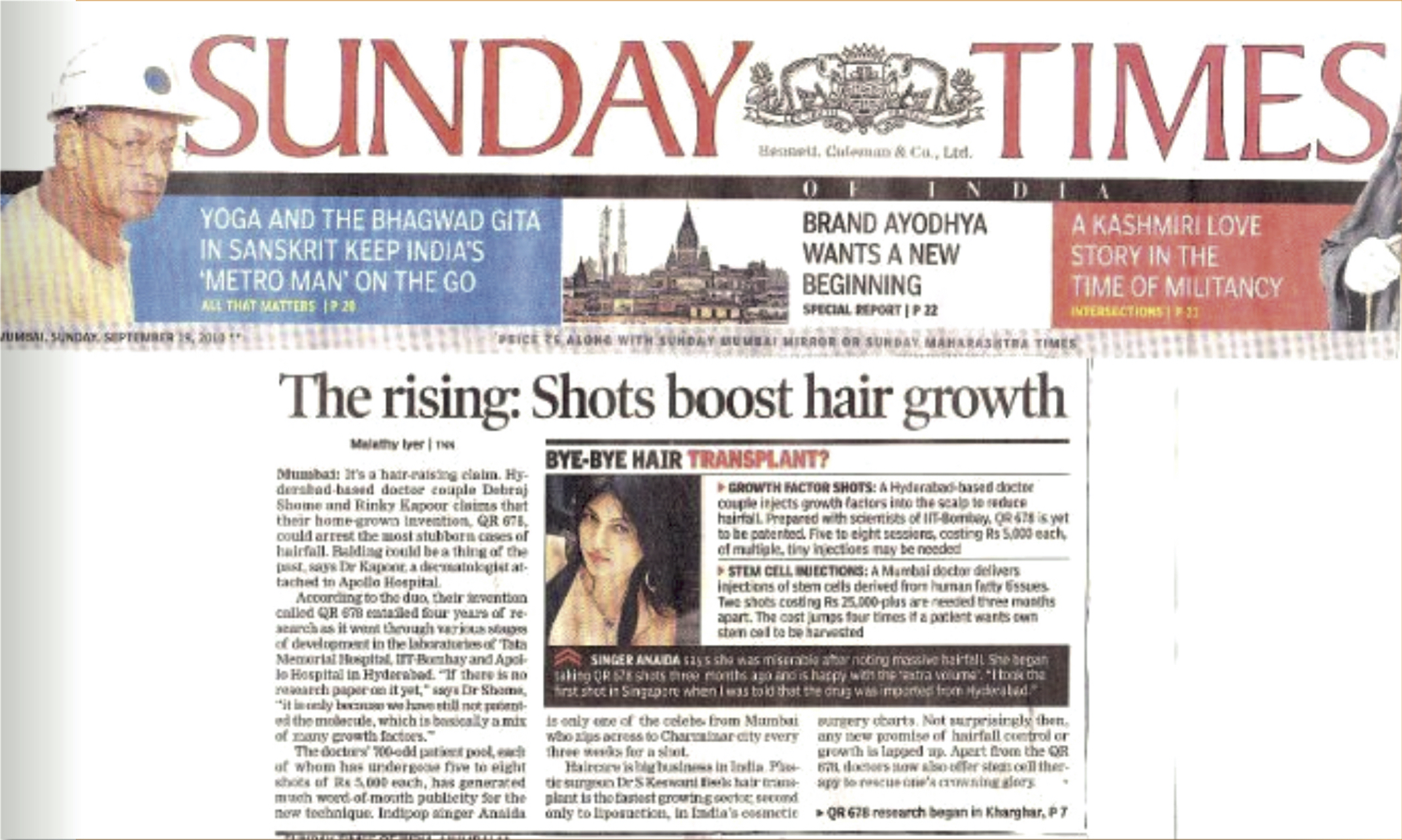
MEDIA INTERVIEWS

TESTIMONIALS

Testimonial #1 Designation

Lorem ipsum dolor sit amet, consectetur adipiscing elit. Ut elit tellus, luctus nec ullamcorper mattis, pulvinar dapibus leo.

Testimonial #1 Designation

Lorem ipsum dolor sit amet, consectetur adipiscing elit. Ut elit tellus, luctus nec ullamcorper mattis, pulvinar dapibus leo.

Testimonial #1 Designation

Lorem ipsum dolor sit amet, consectetur adipiscing elit. Ut elit tellus, luctus nec ullamcorper mattis, pulvinar dapibus leo.

HIGHLIGHTS IN MEDICAL CONFERENCES

CUTICON – December 2023

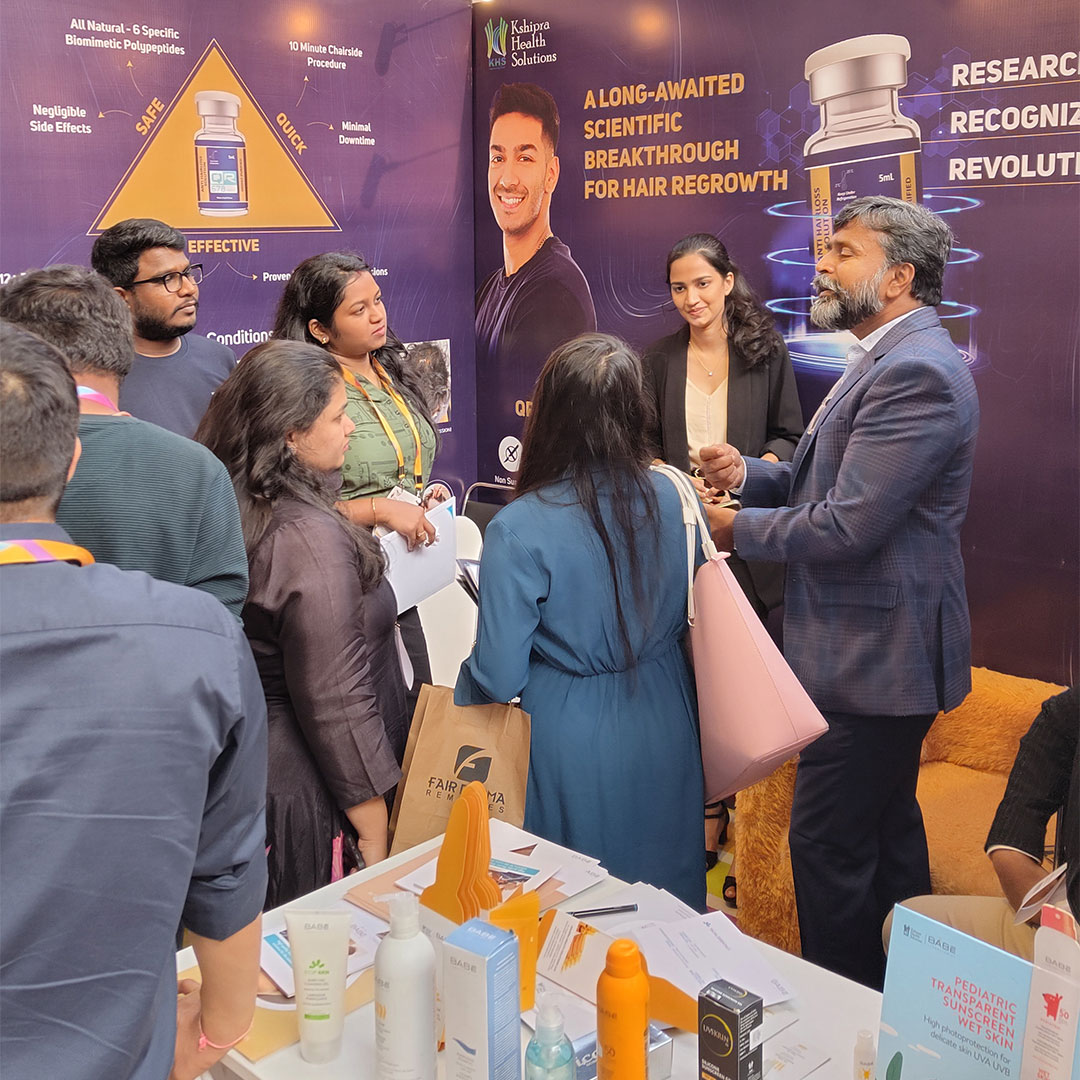
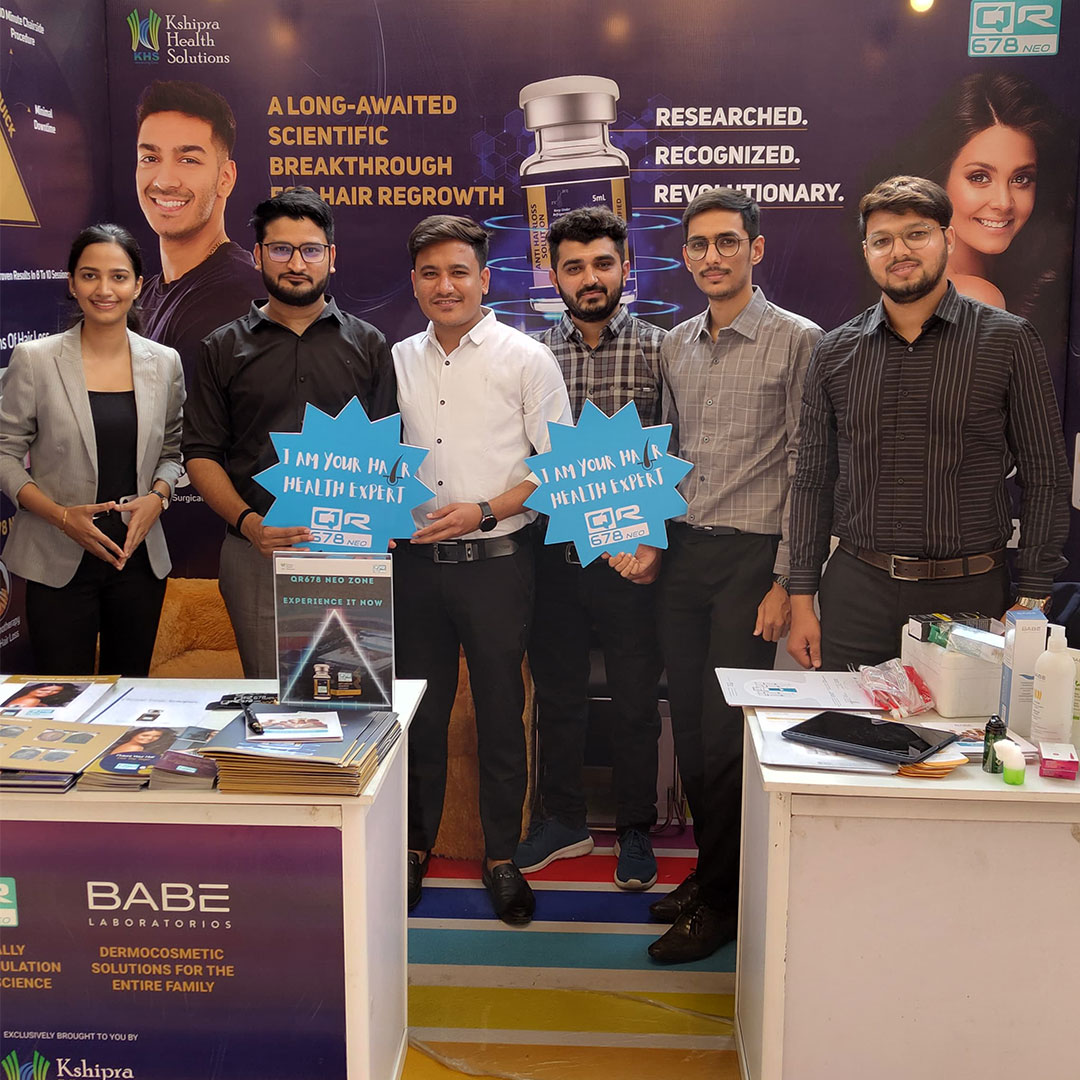
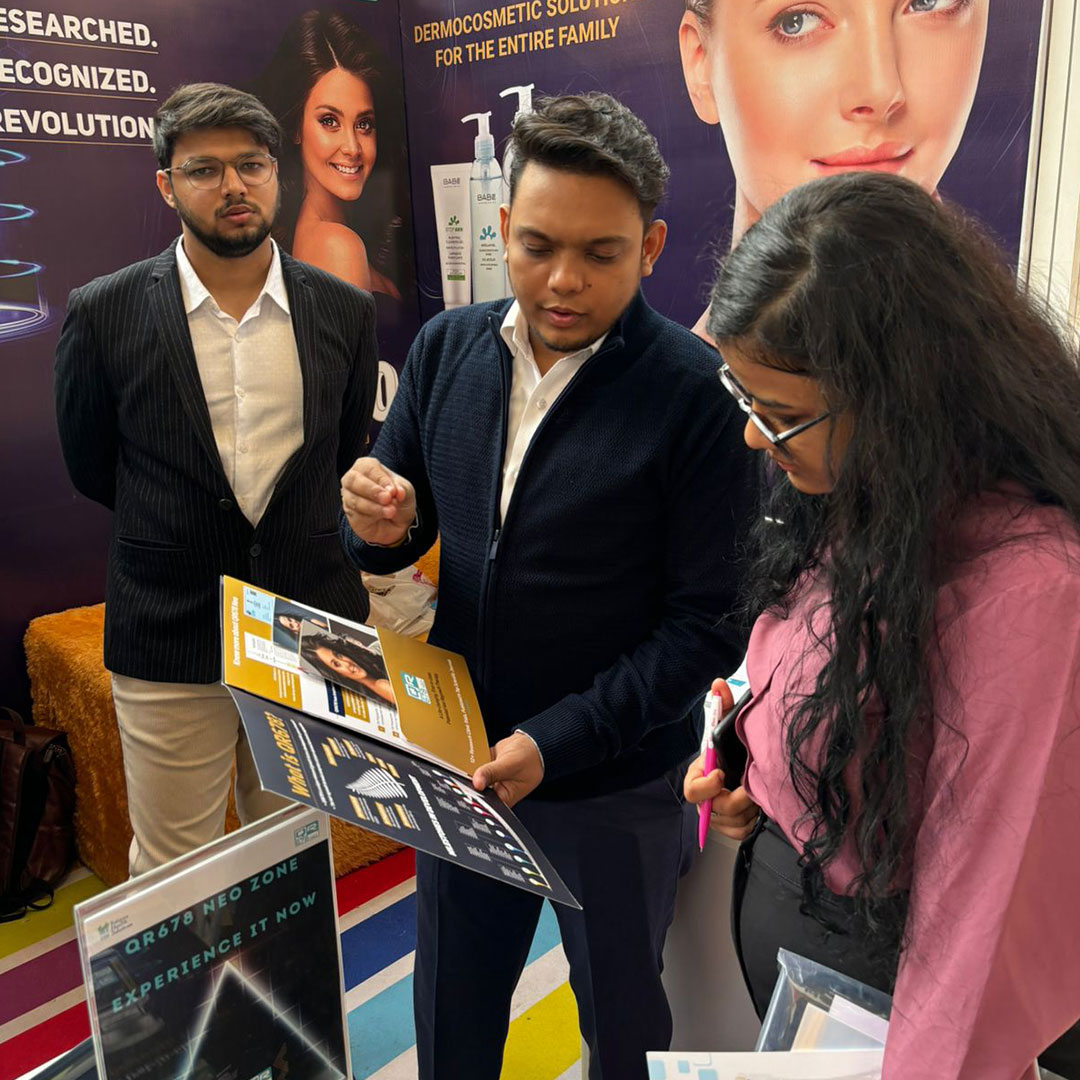
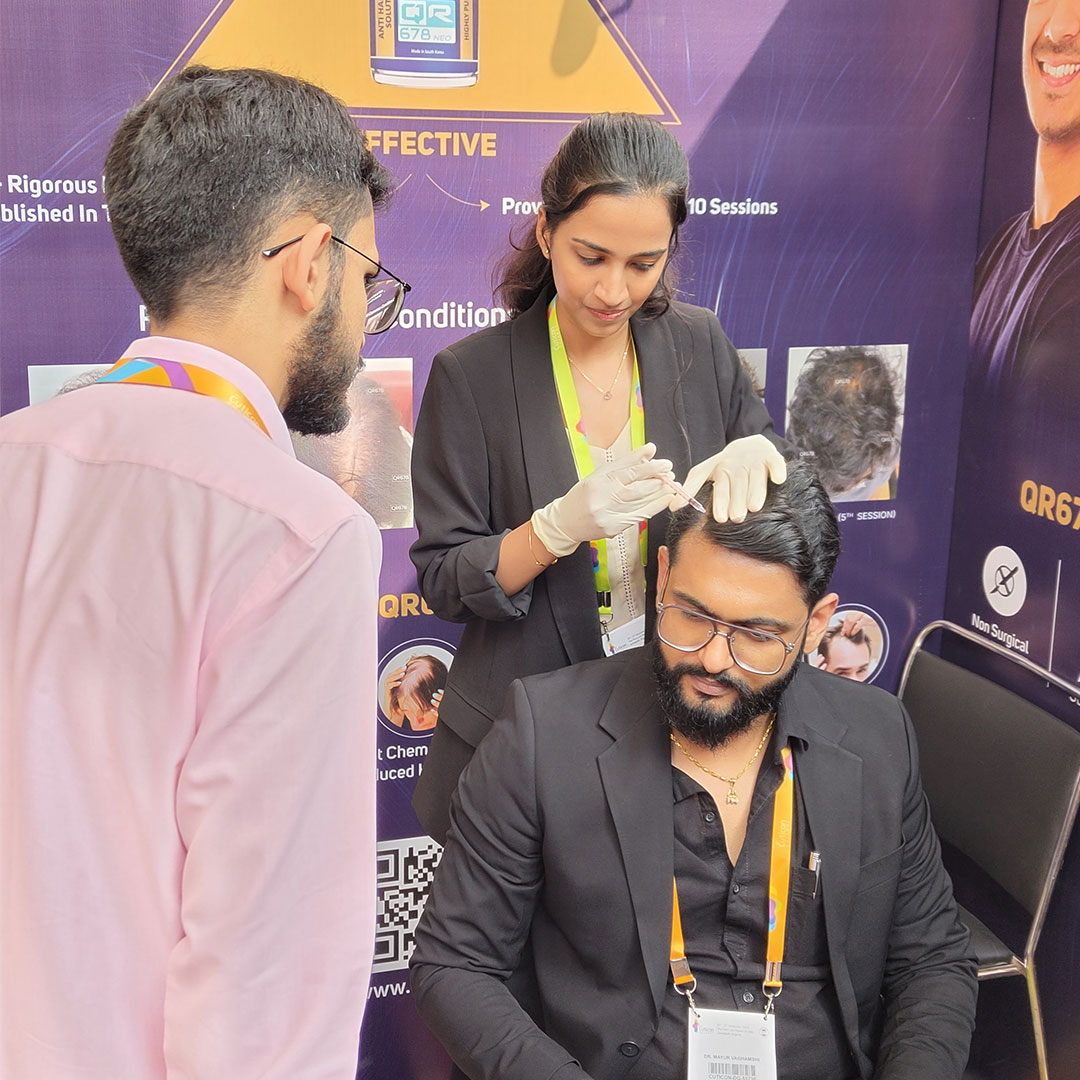
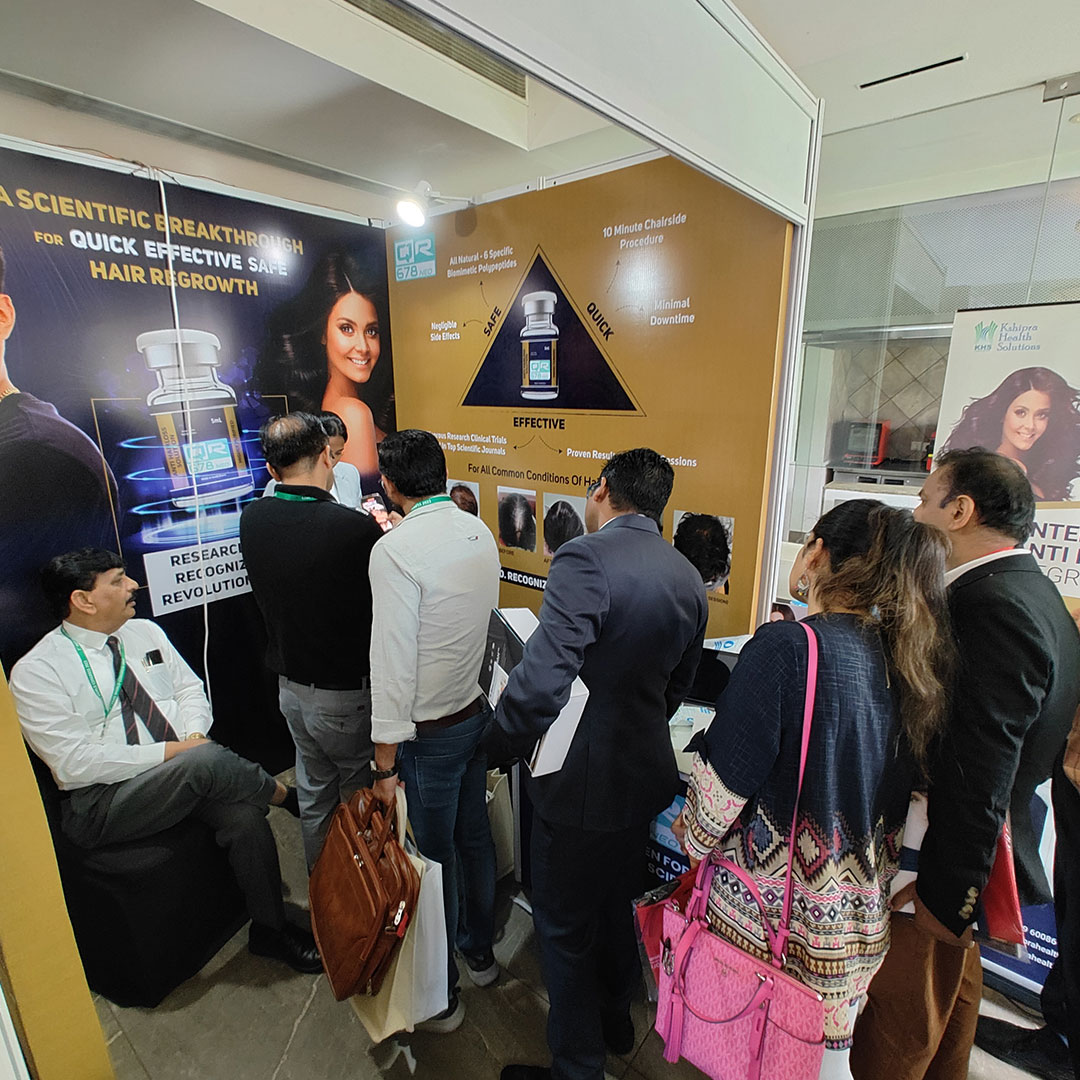
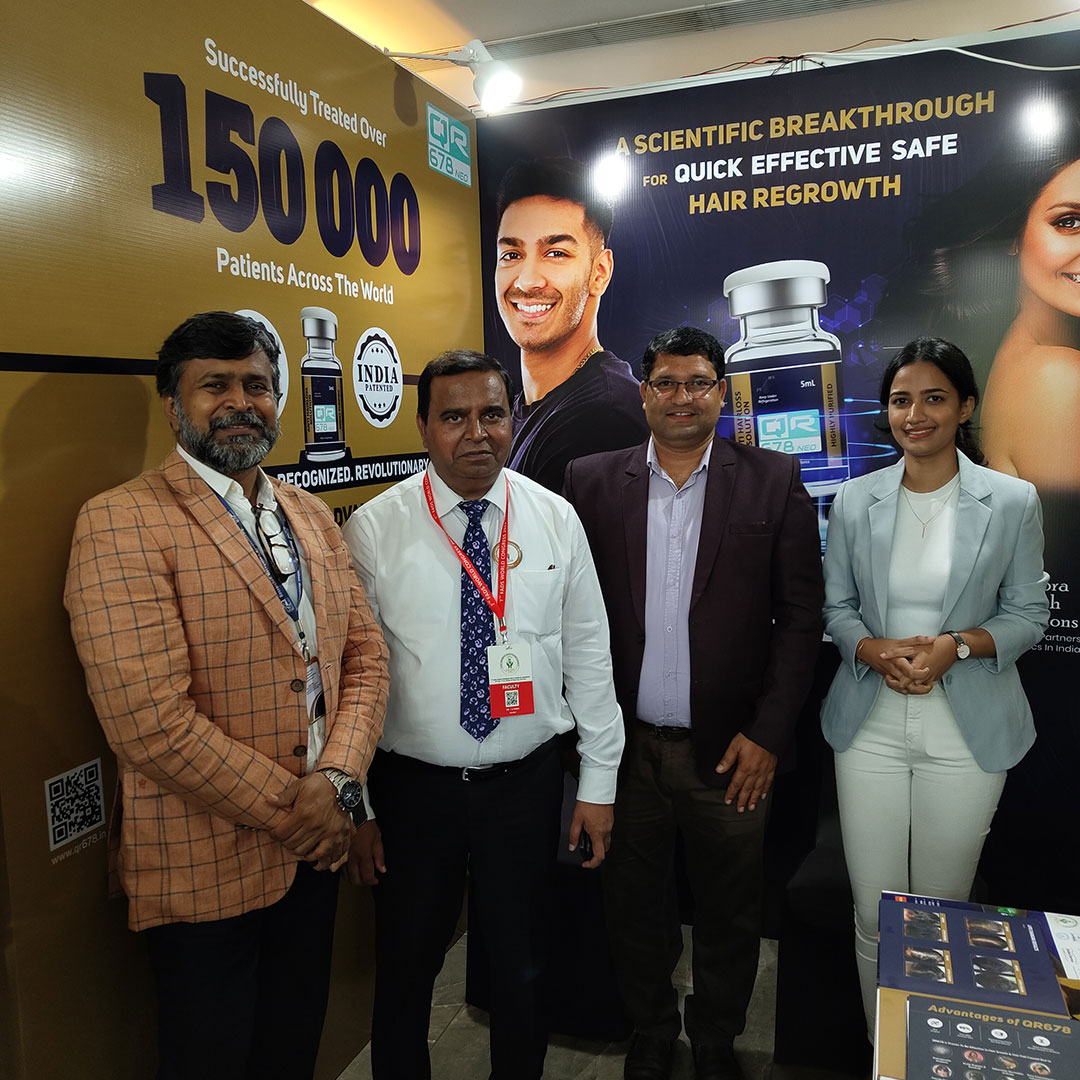
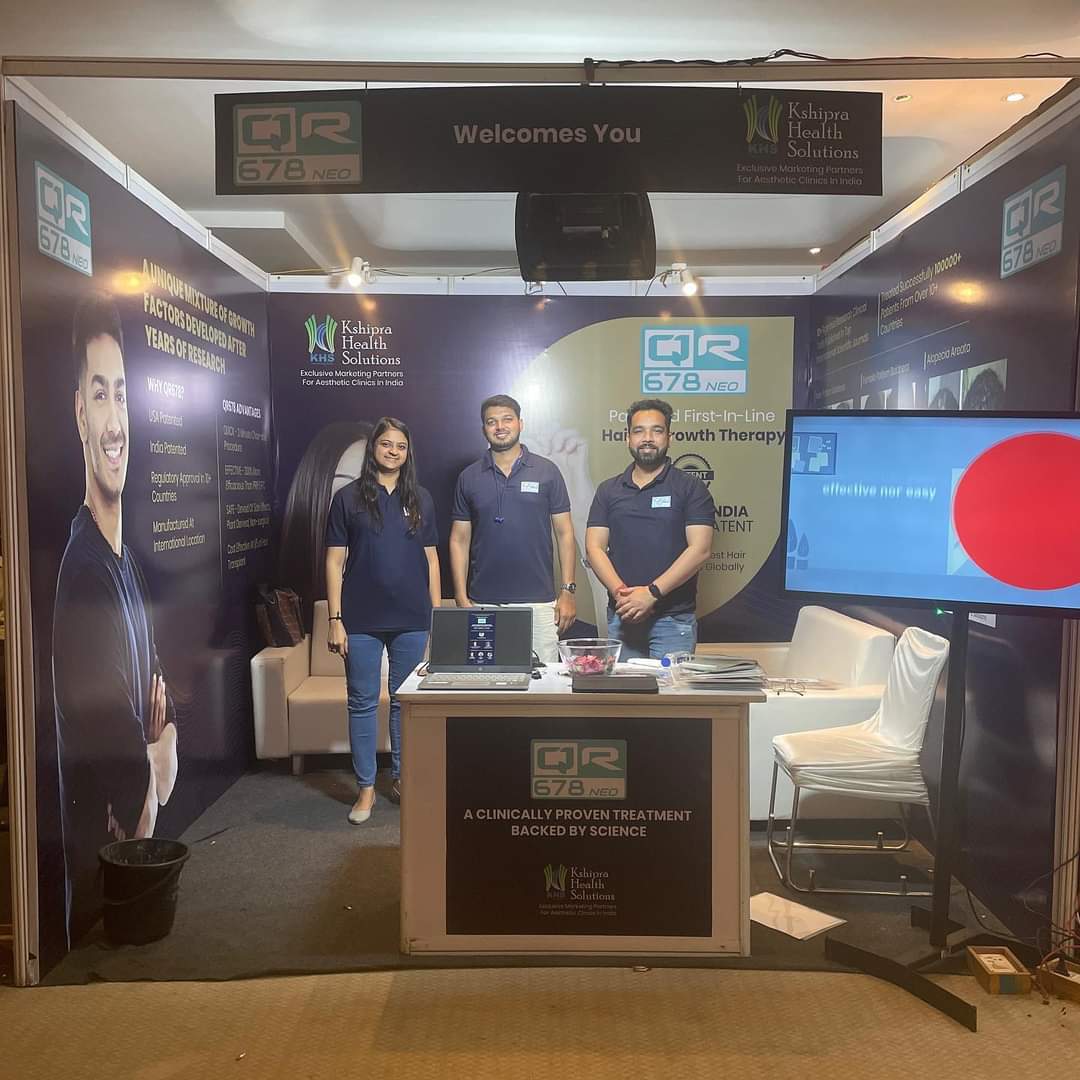
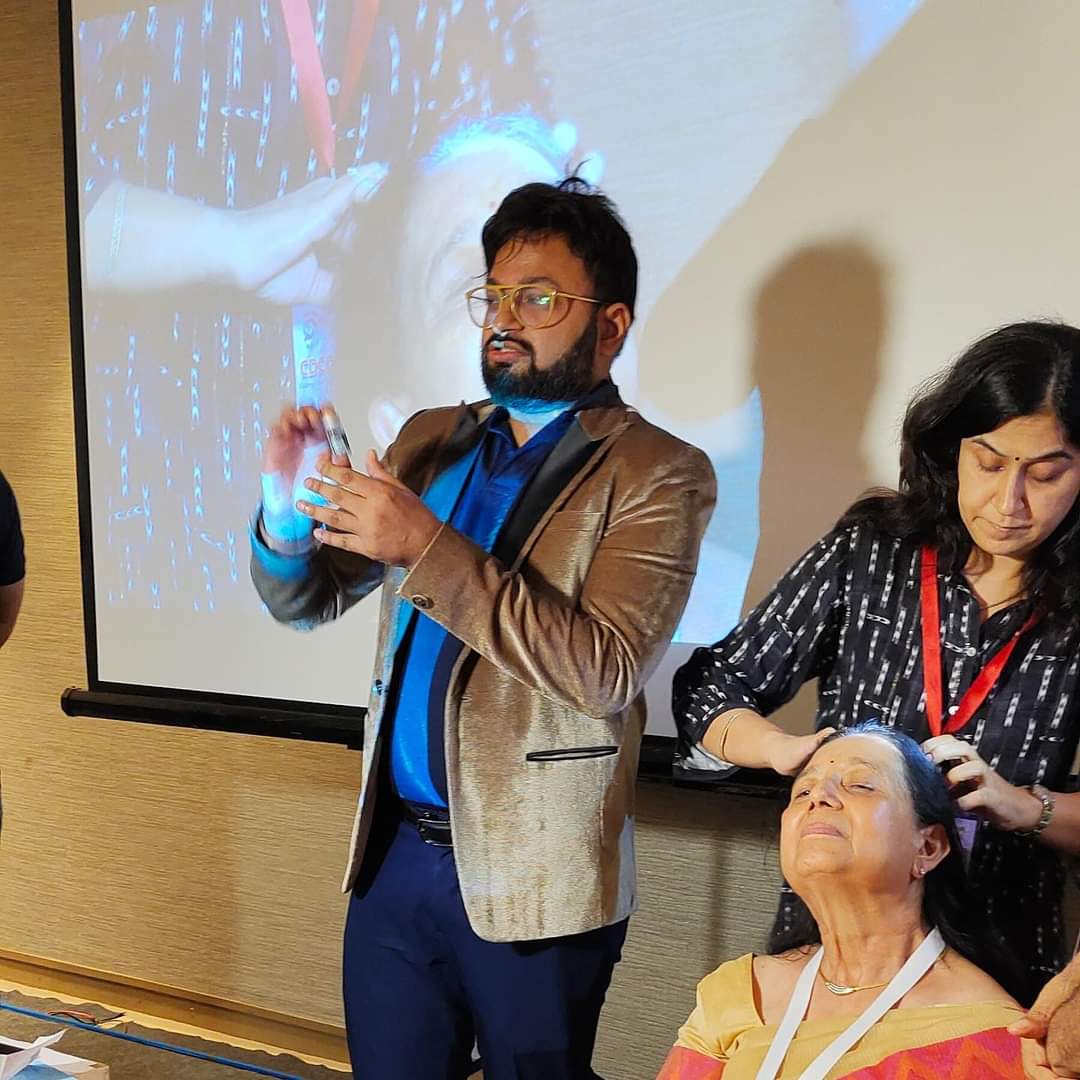
Dazzling moments at Cuticon 2023, Gujarat! QR678 took centre stage, earning accolades from top medical professionals.

FADS – October 2023

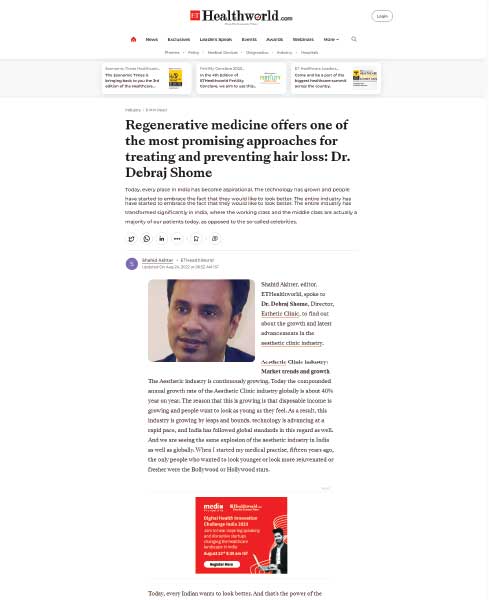
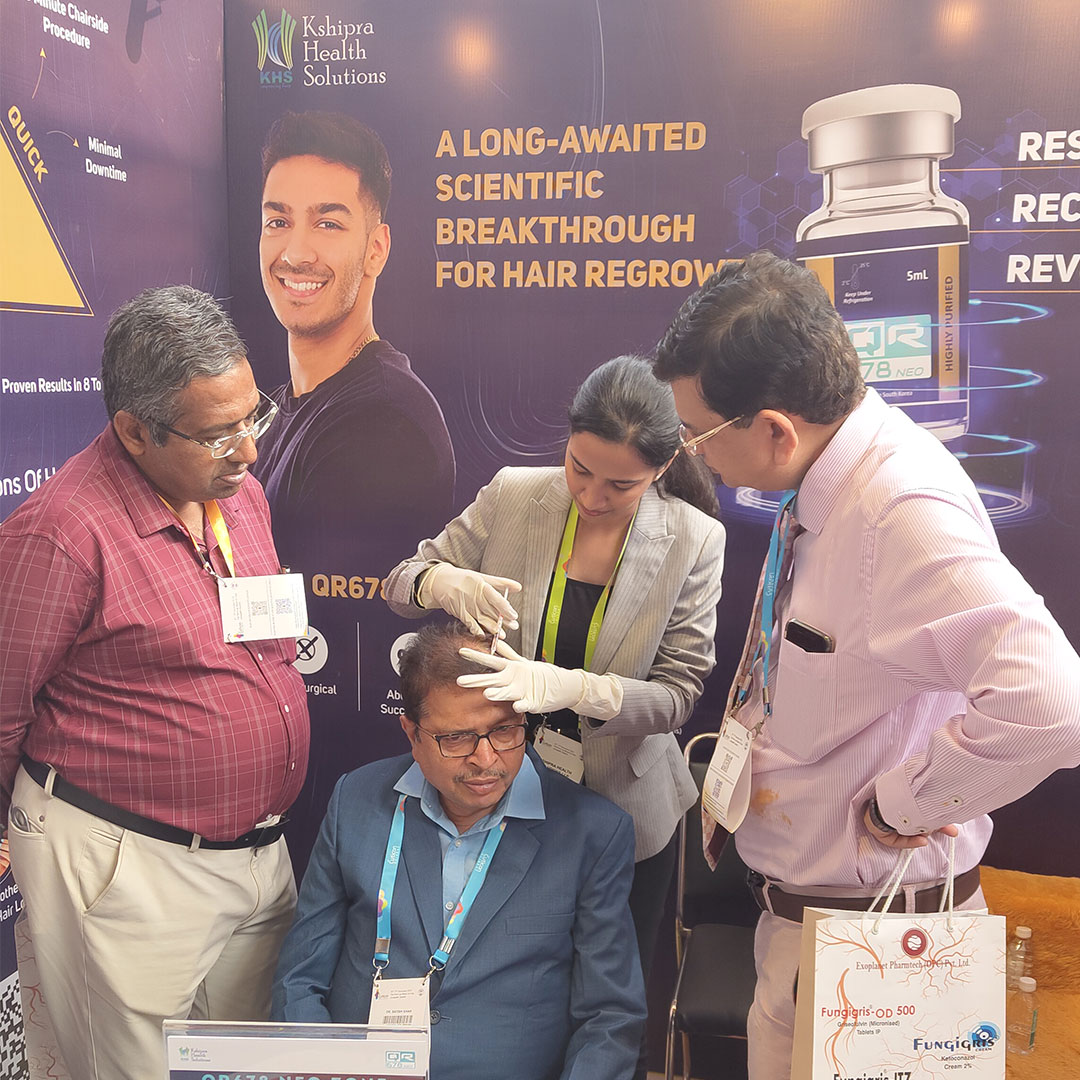
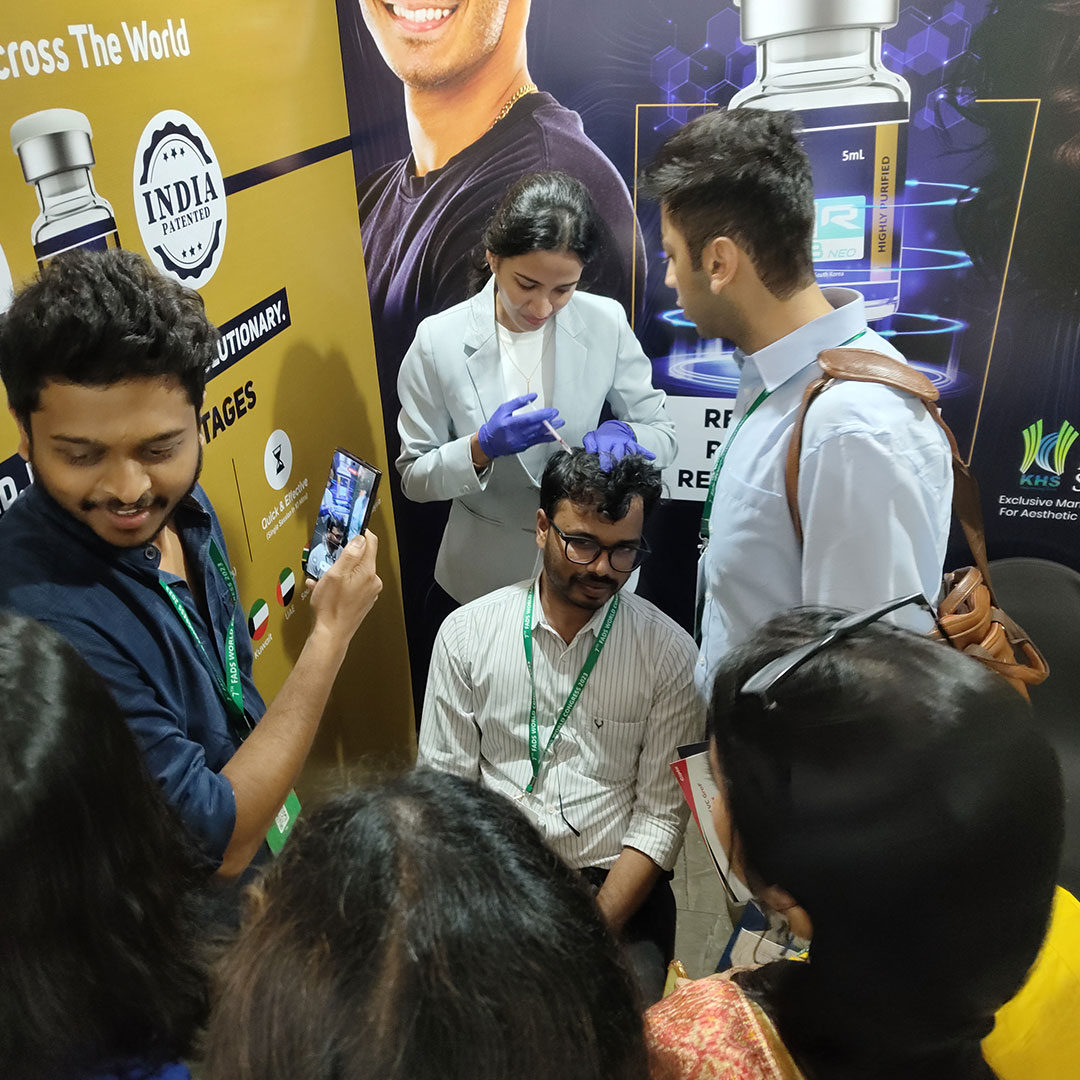
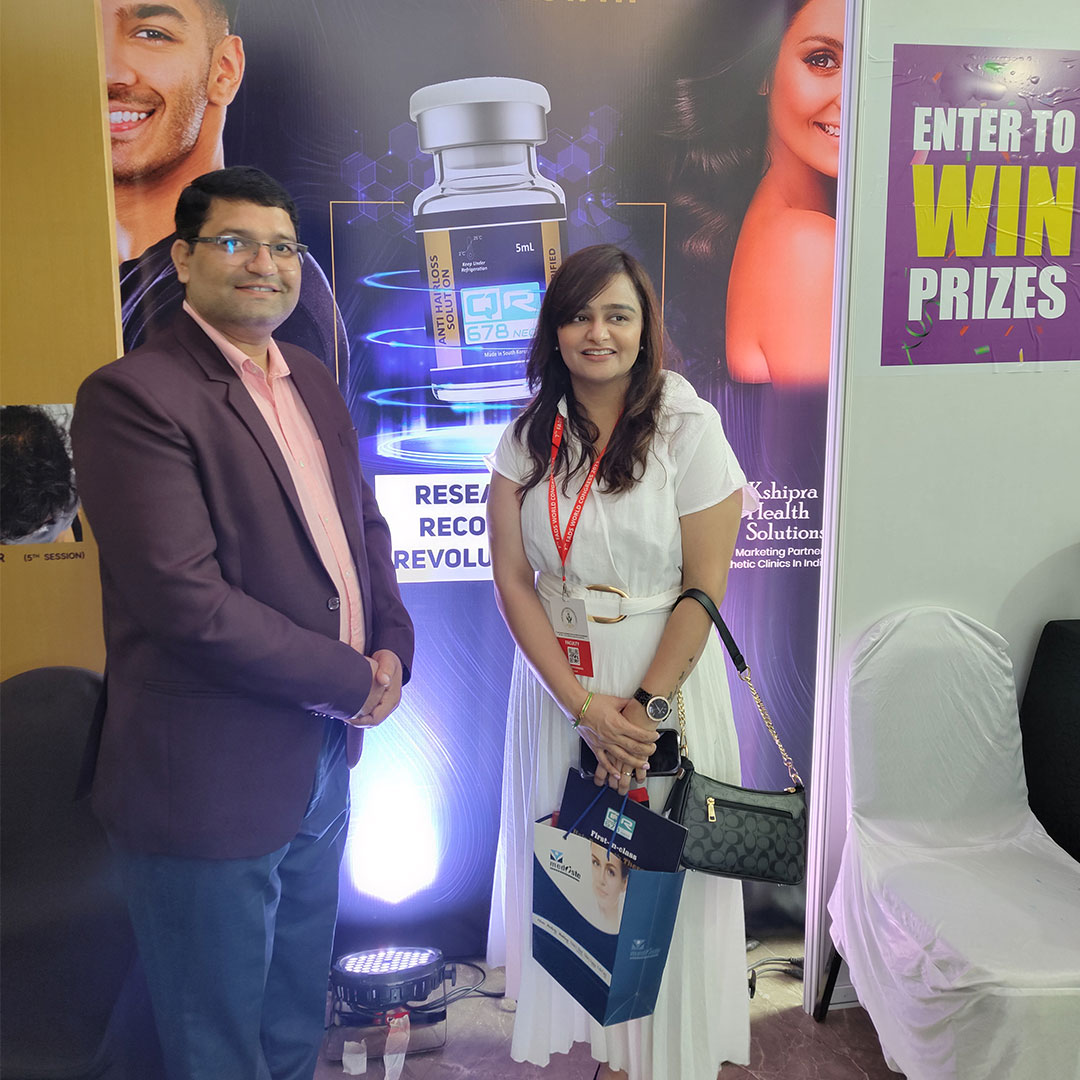
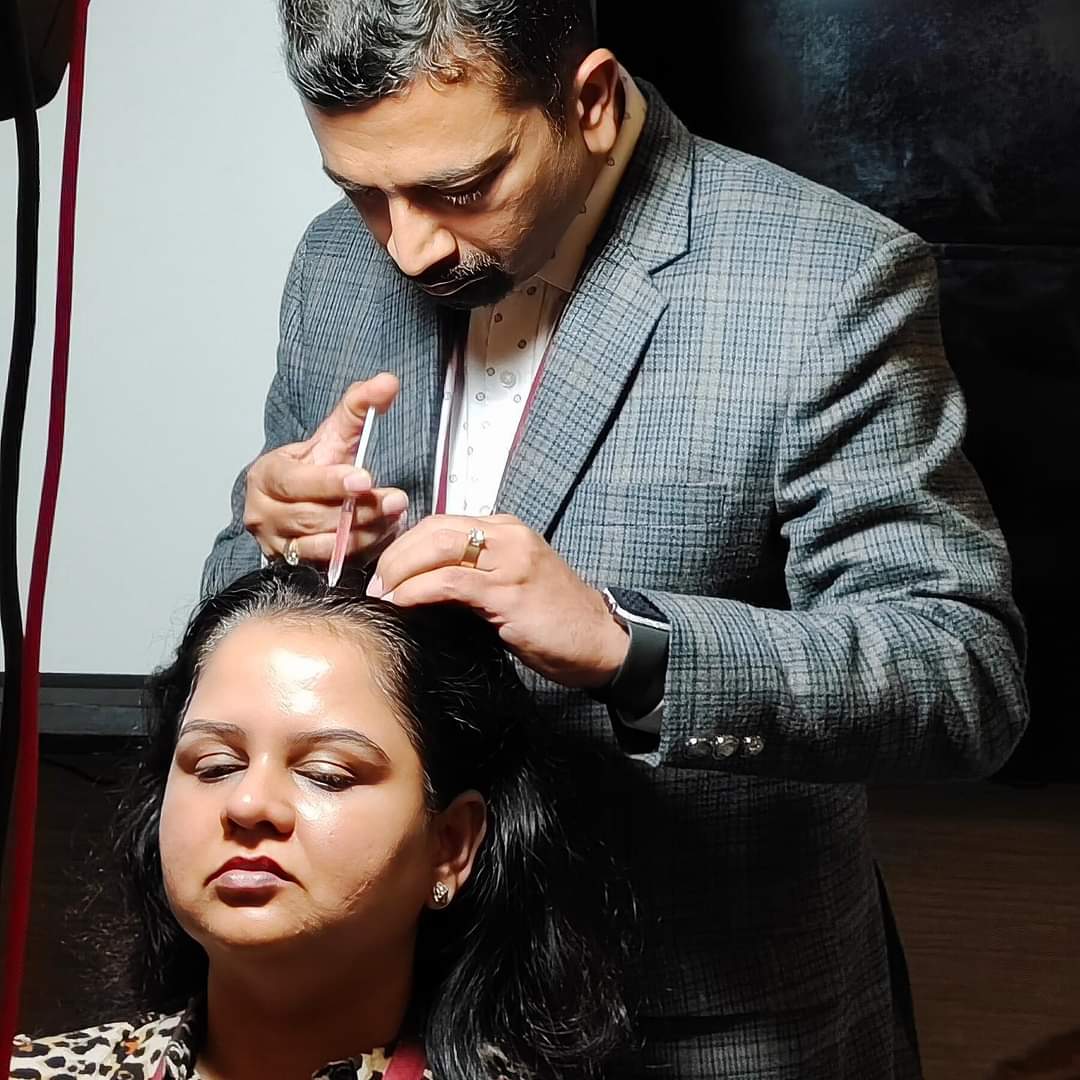
QR678 made it’s presence felt at FADS (Face Aesthetics Dermatologists Society), the 7th International Conference held at Goa. Renowned dermatologists got QR678 Neo administered and shared their positive experience.

CDCON – September 2022

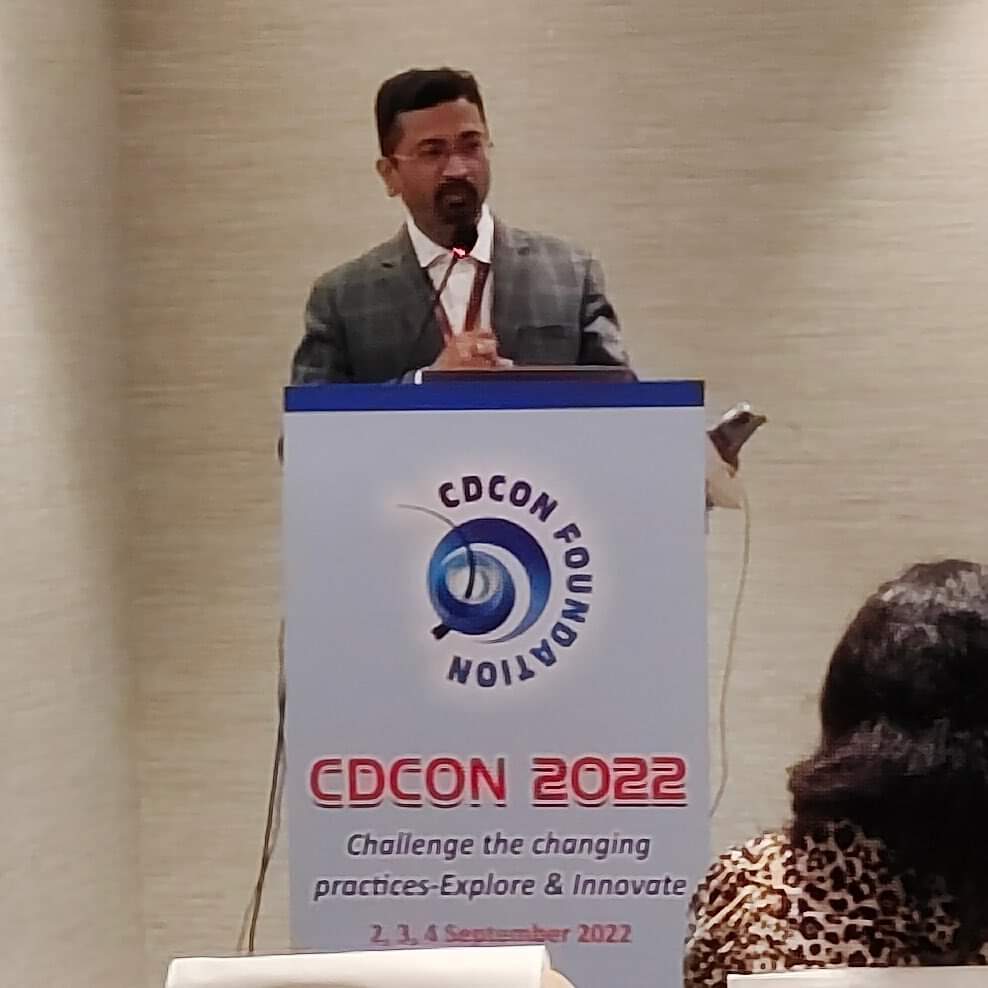
QR678®  drew attention with an enlightening session and live demonstration at CDCON 2022 – a platform to challenge changing practices along the lines of Exploration and Innovation.

GLOBAL PRESENCE

OUR PARTNERS

FAQ'S

QR678® is a mixture of natural growth factors that are already present in the scalp and therefore it is completely safe to use on everybody. It has the right concentration of specific hair growth factors and QR678® does not have any side effects, is performed as an outpatient procedure and the results are visible within eight weeks of starting the treatment. You can listen for yourself what the patients say about QR678® hair fall treatment https://www.youtube.com/watch?v=pIvjpQgSsrc

QR678® injections are administered in 8-12 sessions in about 3-4 weeks apart. The results are visible after few weeks. Once you have achieved the desired results the injections need not be repeated unless the hair fall starts again. This is because QR678® make the hair follicles healthy. Get to know more about why QR678® is highly effective in treating hair fall and increasing hair growth. http://www.qr678.in/

QR678® is a completely safe treatment without side effects and you can go about your daily routine after the sessions. The only care you need to take is to use a gentle shampoo not before the next day of the treatment and avoid scratching and rubbing the treating area. If you have any other problem then consult your dermatologist. https://www.youtube.com/watch?v=LNm2z3EGLxg

Yes, using QR678® after hair transplant produces very successful results. QR678® gives faster density and reduces the catagen loss of transplanted hair. The growth factors in QR678® Neo help in faster healing and activate the dormant follicles and thus

- Increase the viability of hair follicles

- Improve healing and repairing of tissue process

- Strengthen the inactive hair follicles and stimulate hair growth

- Improves the health of existing hair and they will become fuller and stronger

QR678® can be given in multiple treatment sessions after three to four weeks after successful hair transplant surgery. QR678® can also be used before the hair transplant surgery to reduce the area of transplant and  improve the results.

QR678® is a relatively new treatment for hair fall and hair regrowth but in the short time of its invention QR678® has proven to be more effective than PRP and stem cell treatment for reducing hair fall. QR678® produces longer lasting and better results and is completely safe and without any side effects. QR678® can help treat and rogenetic alopecia, female pattern hair loss, and hair loss because of chemotherapy, seborrheic dermatitis, and alopecia areata.

PRP and stem cell on the other hand do not have the specific concentration of required growth factors, they lack standardisation in terms of treatment protocols and preparation of the solution injected and lack good quality studies to prove their benefits. produce guaranteed results and can cause tightness and tenderness in scalp,

scar tissue formation, calcification of the injected points, and formation of scar tissues. Both processes are still under investigation and their results are still awaiting confirmation. Dr Rinky Kapoor of The Esthetic Clinics explains the difference between QR678® and stem cell here: https://www.youtube.com/watch?v=wgNihm8ciu4 and

https://www.youtube.com/watch?v=ZUWXKzVh0PM

Yes genetic hair loss can be treated if the treatment is started in time. Heredity hair loss usually runs in the family and can affect both men and women. If you too have a close elder relative who lost his or hair in a patterned baldness then you should keep a close eye on your hair too. Hereditary hair loss usually happens in a pattern; M or W shaped in men and along the hair part in women. See the doctor immediately if you suffer from hair loss. There are many common and successful treatments available for genetic hair loss which include

- Topical and oral medications: These include Minoxidil topical lotion and Finasteride tablets.

- Hair transplantation using FUT and FUE methods.

- Nutritional supplements: Your physician might also suggest some hair supplements that can help arrest hair fall. Dietary supplements containing Vitamin A, C, and Biotin, zinc, and iron can also help control hair fall caused because of genetics.

Alopecia post chemotherapy is a very common consequence of cancer treatments and therapies and it is often the most psychologically and socially devastating side effect. Many patients shy away from the treatments because of fear of hair fall and hair loss. However, in most cases, such alopecia is reversible but the recovery takes several months and even up to a year. Some basic latest treatment methods will speed up the healing:

- Scalp Cooling: This is a FDA approved method for patients suffering from breast cancer. Scalp cooling or hypothermia results in constriction of the blood vessels in the scalp, which in turn leads to reduced delivery of chemotherapy to the hair. Scalp cooling devices consist of cooling unit that circulate the coolant on the scalp. This is done about 30 minutes before the start of chemotherapy. Patients can feel some mild discomfort, nausea, and dry skin because of scalp cooling.

- Topical Minoxidil: Minoxidil helps by increasing the blood flow to the hair follicle thereby preventing miniaturization of hair follicle.

- QR678® hair regrowth treatment: QR678® is a FDA approved, completely safe hair regrowth treatment that has no side effects or causes any discomfort to the patient. Clinical trials have proved QR678 to be effective in treatment of chemotherapy induced alopecia in both men and women. The results of QR678® last lifelong.

FOR MORE QUERIES

    I agree that my submitted data is being collected and stored.