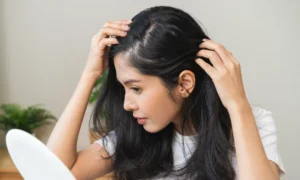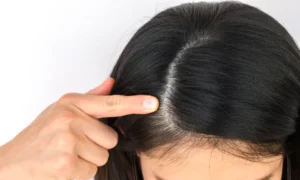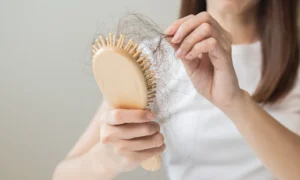

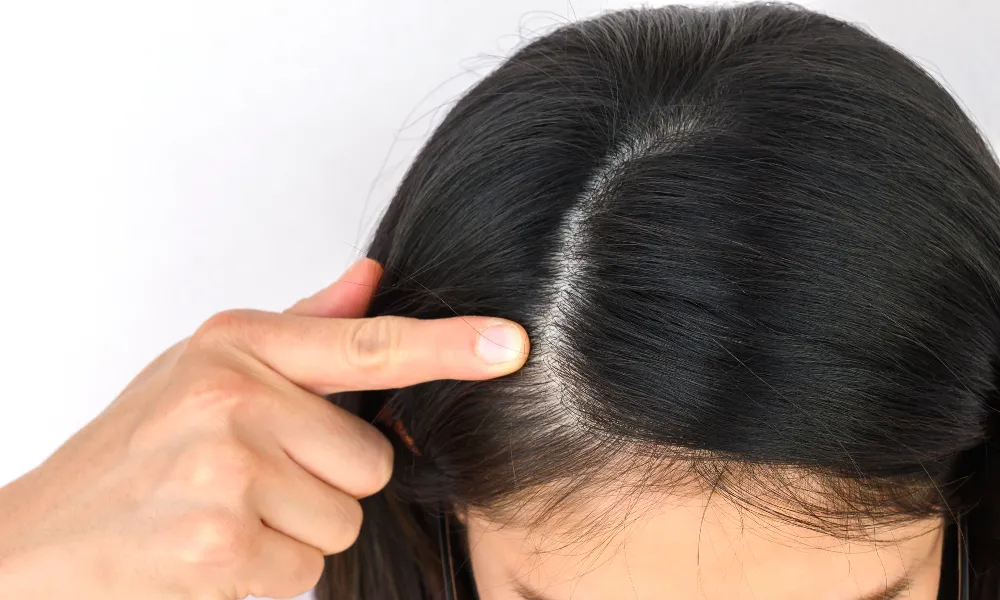
Hair loss doesn’t happen overnight. It starts off with various signs, such as strands on the pillow or thinning of the ponytail. It starts with just a couple of hairs, which eventually increases to an alarming number. This is the exact moment when you should act.
You must have tried everything, oils, shampoos, maybe even home remedies, but got no results. Effective hair loss and thinning treatment goes beyond surface-level care. It’s all about understanding what your hair truly needs.
What’s Causing Your Hair Loss?
Hair fall is not about having weak hair. It is about what’s going on underneath the scalp. The hair growth process has a lot of stages. There is a stage where hair grows, which is called the growth stage. Then there is the rest stage. Finally, there is the shedding stage. When this whole process gets messed up, hair starts falling out so it can grow back. This can happen because of a lot of things.
For example:
- Genetics
- Hormonal changes
- Not getting the nutrients
- Being stressed out.
- Having a bad lifestyle
- Having problems with the scalp.
Hair fall is really about all these things, not the hair itself. The hair growth process is very important. When it gets disrupted, it can cause hair fall.
Why Most “Common” Solutions Don’t Work
To be honest, oiling your hair feels good, and the scalp feels relaxed. It also improves shine and helps with dryness. But does it stop hair from falling on its own? Not really.
Most DIY or “natural” fixes labelled as natural hair fall treatment have some or the other issues. They are not perfect and fail to give satisfactory results. These solutions:
- Stay on the surface
- Don’t reach the hair follicle
- Don’t address internal triggers
They provide temporary solutions to hair health. They don’t reverse thinning or reduce hair loss. For these reasons, modern treatments have stepped in. Modern dermatology focuses on targeted, science-backed therapies for long-term improvement.
Next-Gen Treatments Transforming Hair Recovery
New-age hair thinning and hair loss treatment focuses on one thing. It reactivates hair follicles and restores the natural growth cycle. Instead of temporary fixes, these treatments aim for long-term improvement.
Growth Factor-Based Treatments
This treatment is the signal that “wakes up” your hair roots. It works by improving follicle activity and extending the growth phase of hair. They are different from the other treatments because:
- They target the root cause, not just symptoms
- Help reduce ongoing hair fall
- Support visible regrowth over time
This is why they’re often considered among the best hair thinning treatments today.
PRP (Platelet-Rich Plasma) Therapy
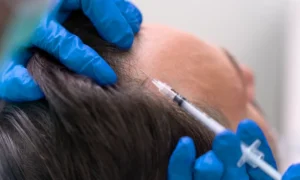
You’ve probably heard about PRP. It is one of the most widely used options for thinning hair loss treatment. In this process, your own blood is processed to extract growth-rich platelets, which are then injected into the scalp. The treatment is said to improve hair thickness and density. It is highly effective in early to moderate hair loss cases.
The PRP therapy does not deliver results instantly. One needs to be consistent and disciplined for this treatment to be an effective and the best hair treatment for hair loss.
Low-Level Laser Therapy (LLLT)
If you’re looking for something non-invasive, this is worth considering. As the name suggests, LLLT uses light energy to stimulate hair follicles.
It is gaining popularity due to so many reasons, like:
- Completely painless
- Can be done at home or in clinics
- Helps improve scalp circulation
It works best as part of a broader hair thinning and hair loss treatment plan.
Scalp-Focused Therapies
We often ignore the scalp, but it plays a huge role in hair health. A clogged, inflamed, or imbalanced scalp can slow down hair growth. Through these therapies, follicles are cleaned and unclogged. It also reduces irritation and dandruff and creates a better environment for growth
They may not be the best hair treatment for hair fall on their own, but they make other treatments work better.
Despite these therapies, at times you don’t get the desired results. It may happen owing to the lack of essential nutrients. Iron, proteins, or vitamins are necessary for hair growth. If they are not sufficient, it can directly impact hair growth.
In order to strengthen hair, reduce excessive shedding, and get long-term results, some supplements should be added to daily meals. Supplements like biotin, zinc, amino acids, etc., help with the natural hair fall treatment.
Combining Treatments for Better Results
The future of hair loss and thinning treatment lies in combination therapy. Dermatologists now recommend combined approaches rather than a single approach for hair treatment.
For instance, PRP therapy can be clubbed with growth factor therapy. This layered strategy ensures that all aspects of hair health, internal, external, and cellular, are addressed simultaneously. This approach works best when clubbed with discipline and nutritional support.
Choosing the Best Hair Treatment for Hair Loss
There are way too many treatment options available in the market for hair loss. This makes choosing the right treatment an overwhelming experience. It is important to choose the right treatment option after careful consideration and figuring out the causes.
1. Identify the Root Cause
Hair loss due to stress is different from hair loss due to genetics. A proper diagnosis is essential.
2. Look for Evidence-Based Solutions
Not all treatments are created equal. The best hair thinning treatment will have clinical backing and proven results.
3. Avoid Quick Fixes
If something promises instant results, it’s likely not sustainable. Hair regrowth takes time and consistency.
4. Personalisation Matters
Your scalp condition, age, lifestyle, and medical history influence which hair treatment for hair fall will work for you.
Can Natural Treatments Still Help?
Natural treatments can be effective, but to a certain extent. They can be clubbed with advanced treatments, though they can never replace them. Practices like gentle scalp massages, a balanced diet rich in proteins and vitamins, stress management, avoiding harsh chemical treatments, and avoiding excessive use of hair styling tools.
These practices can enhance overall results. They also act as supportive natural hair fall treatment methods.
When Should You Seek Professional Help?
Hair loss is often not visible until it becomes noticeable. You should consider expert intervention if:
- Hair fall persists for months
- Thinning is visibly increasing
- Home remedies are not working
- Hair density is reducing significantly
Early help can really make a difference in how well any hair thinning and hair loss treatment works.
Conclusion
These days, science and dermatology have come a long way, so people are not just looking for quick fixes anymore. They want solutions that last. These can be things like helping your hair follicles, taking care of your scalp, or getting your body in balance. New treatments are designed to work with your body, not just cover up the problem.
If you are feeling stuck or frustrated with your hair, just remember that there are options out there. You just have to find the combination of things that work for you, keep doing them, and give your hair time to get better. Because when you take care of your hair, it does not just stop falling out; it starts to grow back stronger. Hair loss treatment is about finding what works for your hair and sticking to it so your hair can start coming back.