

Key Takeaways
- Consistent changes in volume, growth, or shedding are some of the early warning signs of hair loss.
- The most common symptoms of hair fall are thinning ponytails or wider parting
- Some symptoms include patchy loss, sudden shedding, or changes in hair texture
- Women often experience hair thinning
- Hormonal changes, especially menopause symptoms, hair loss, play a major role in hair health
- Acting early gives you a much better chance at controlling hair loss and restoring growth
Hair fall is one of those things most of us often end up ignoring. There are signs such as strands on the pillow, hair in the shower drain. Despite these, you end up brushing off these signs as a normal hair phase. One thing to note is that at times this is normal. Though at times, your body tries to alert you to hair fall or an unhealthy scalp.
Another thing to mention is that one should know how to differentiate between the two. Hair falls, but then when it starts falling abnormally, it is not just another “bad hair phase.” This is the time when the damage has progressed.
One should understand the difference between the different phases of hair growth.
When Hair Fall Stops Being “Normal”
Losing hair is quite normal. Losing around 50 to 100 strands daily is considered part of the natural cycle. Your hair grows, rests, and sheds. It’s how things are supposed to work. The different phases of hair growth are:
- Anagen (active growth)
- Catagen (transition/stop growth)
- Telogen (resting/shedding)
But there comes a moment when you start noticing that the hair fall has comparatively gotten higher, hair thinning has increased at a rapid rate, and the regrowth isn’t happening the way it is supposed to.
Early Symptoms of Hair Loss You Might Overlook
It is often expected by people that massive hair loss means it is going to be dramatic. Though it starts silently, with visible bald patches and/or heavy shedding.
You’re Seeing More Hair Than Usual Everywhere
Your pillow, your comb, your bathroom floor- they become the first indicators. You notice your fallen hair on the surfaces. You also start noticing more strands on your palm or comb. Larger chunks of hair are in the drain; there are so many indicators that you tend to overlook.
Your Hair Tie Loosens With Time
If your ponytail feels thinner, it’s usually a sign of reduced density. This kind of gradual thinning is a classic symptom of hair loss. It may not be obvious in the mirror, but it gets noticeable with time.
Your Parting Looks Wider
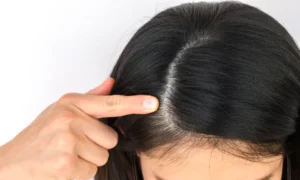
Take a look at your hair parting under natural light. It may seem wider than before; the scalp is more visible. These are signs of decreasing hair volume. This is one of those symptoms of hair loss that becomes clearer only when you compare it over time.
Hair Breakage Is Increasing
Sometimes, it’s not about hair falling from the root; it is about breakage. Short, uneven strands, more split ends, and hair snapping quite easily while combing are all signs of hair breakage. Frequent breakage can also indicate weakened hair structure. This is often accompanied by broader symptoms of hair fall.
Your Hair Isn’t Growing Like It Used To
One of the most overlooked symptoms of hair growth issues is stagnation. You may feel like your hair has “stopped” growing, even if the length stays the same for months. This usually points to disruptions in the growth cycle. These signs are often linked to internal factors like nutrition or hormones.
Symptoms of Alopecia Hair Loss In Men & Women
Alopecia isn’t a single condition. It’s a broad term for different types of hair loss. The patterns may vary slightly between men and women; many signs overlap.
Here are the key symptoms of alopecia hair loss to watch for:
Gradual Thinning
This is the most common pattern where hair becomes less dense over time. Volume reduces across the scalp, and hair styling becomes harder. In men, this may show as thinning at the crown or temples. While in women, it usually appears as overall thinning rather than defined bald spots.
Receding or Changing Hairline
It is more common in men, but not exclusive. Though women may not see a receding hairline but can notice thinning near the front.
- Hairline slowly moves back
- Temples appear deeper
- The forehead looks larger over time
Patchy Hair Loss
In this case, sudden, round patches can appear on the scalp, beard, or even eyebrows. It can develop quickly and may expand if untreated. This is a classic sign of certain types of alopecia.
Sudden Excessive Shedding
Some forms of alopecia cause rapid hair fall instead of gradual thinning.
- Hair falling in clumps
- Noticeable reduction in volume within weeks
- Often triggered by stress, illness, or hormonal shifts
Changes in Hair Texture
Hair may start to feel different before it falls. You experience finer strands and weaker roots. Even the texture of hair feels fragile. This is often an early symptom of alopecia hair loss, even before visible thinning.
Menopause Symptoms Hair Loss: A Key Trigger in Women
Hormonal changes are one of the biggest drivers of hair loss, especially during menopause. In this phase, estrogen levels drop, and the hair growth cycle slows down. This leads to noticeable menopause symptoms, such as hair loss:
- Thinning around the crown
- Reduced hair volume
- Slower regrowth
- Increased daily shedding
Some women may also notice changes in texture or unexpected facial hair growth due to hormonal imbalance.
Why You Shouldn’t Ignore These Symptoms
In the end, we only hope for things to work out on their own. But without addressing the cause, hair loss cannot be reversed.
Early Intervention Makes a Big Difference
Hair follicles weaken over time. Acting early can help in:
- Preserving existing hair
- Improving regrowth potential
- Slowing down further loss
Hair Loss Can Reflect Internal Health
Hair health is closely linked to what’s happening inside your body. Some of the common underlying causes include:
- Nutritional deficiencies
- Hormonal imbalances
- Stress
- Medical conditions
Ignoring these symptoms of hair loss means ignoring these potential triggers.
Waiting Too Long Limits Results
Ignoring and waiting for a long time:
- It becomes harder to restore density
- Only a few active follicles remain
- The slower the recovery
When Should You Take It Seriously?
Occasional hair loss is fine, but one should keep in mind the situations when things get serious. That is the time to act:
- Hair fall continues for more than 4-6 weeks
- You notice visible thinning
- Shedding suddenly increases
- You see patchy hair loss
- Hair changes align with hormonal shifts
Conclusion
Hair loss doesn’t usually begin with obvious differences. It starts quietly with small things that you only notice only if you are paying attention. And that’s what makes it easy to ignore. But those early symptoms of hair fall are your window to act early. Because once hair loss progresses, reversing it takes more time, more effort, and more patience. If your hair feels different lately, don’t brush it off. It might be trying to tell you something important.